
Starting your roller skating journey in the Philippines requires finding a pair of skates that matches your local environment, foot shape, and skating goals. To choose the right beginner roller skates, you must evaluate the structural differences between quad and inline skates, measure your feet precisely to ensure a secure fit, and inspect key components like wheel hardness and ankle support. Because tropical humidity and varied outdoor surfaces—such as concrete barangay courts and paved park pathways—affect performance and wear, selecting durable materials and appropriate protective gear is essential for a safe, enjoyable learning experience.
Quad vs. Inline Skates: Which Style Suits Your Beginner Goals?
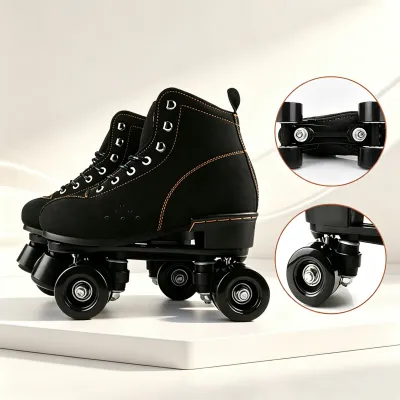
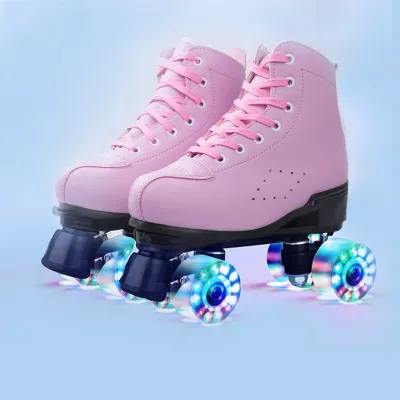
Quad skates feature a four-wheel configuration arranged in a rectangular two-by-two pattern. This wide wheelbase provides excellent lateral stability when standing still or moving at slow speeds, making them highly popular for beginners who want an immediate sense of balance. If your goal is to learn dance moves, spin, or enjoy casual, rhythmic cruising, quad skates offer the traditional aesthetic and stable platform needed for these activities.
Inline skates, on the other hand, arrange three to four wheels in a single straight line. This design reduces friction and allows for greater speed, smoother glides over small cracks, and enhanced maneuverability. If you plan to cover longer distances, commute, or skate for cardiovascular fitness, inline skates are highly efficient and adapt well to varied outdoor terrains.
Products mentioned in this guide
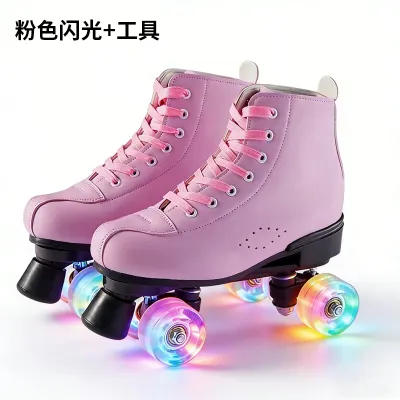
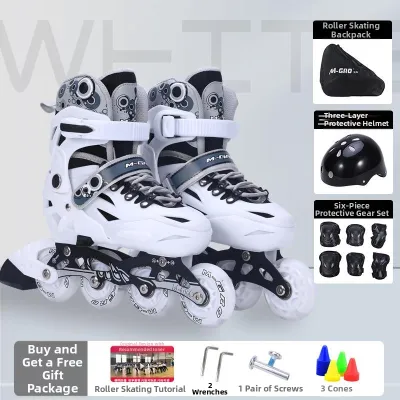
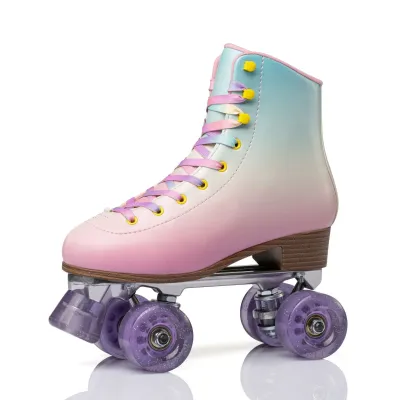
Prices are valid at publication and may change. Please refer to the product page for the latest price.
In the Philippines, smooth indoor rinks are relatively rare, meaning most beginners start on outdoor surfaces like subdivision roads, public parks, or concrete basketball courts. Quad skates with soft wheels are excellent for rhythmic dancing and casual cruising on smooth concrete. Inline skates tend to handle uneven outdoor paths, small pebbles, and expansion joints better because the inline wheel alignment rolls over obstacles more easily.
Ankle support and boot height are critical factors in managing beginner fatigue. Quad skates often come in high-top designs made of vinyl or leather, which wrap around the ankle to provide structural support and limit lateral movement. This high-top design helps build confidence in beginners by reducing ankle fatigue during long practice sessions. Inline skates typically feature a rigid plastic hard-shell cuff that extends high up the calf, offering maximum ankle stabilization and preventing the foot from pronating or supinating while gliding.
Finding the Right Fit: Sizing and Boot Shape for Women
Do not rely on your standard street shoe size when purchasing roller skates. Skate sizing is highly specific and varies significantly between manufacturers. To get an accurate measurement, place a piece of paper against a wall, stand on it with your weight distributed evenly, and trace the outline of your foot. Measure the distance from the heel to the longest toe in millimeters, and measure the widest part of your forefoot.

Once you have your measurements in millimeters or centimeters, compare them directly to the manufacturer’s specific size chart. Some brands use unisex sizing (which often aligns with men’s sizing), while others use specific women’s sizing or European sizing. A proper fit means your toes should lightly touch the front of the boot when standing straight, and pull back slightly when you bend your knees into a skating stance. Your heel must remain locked in place without lifting when you walk or roll.
When measuring your feet, always do so at the end of the day when your feet are slightly swollen from daily activity, as this mimics the conditions of a long skating session. Wear the exact socks you plan to use while skating; thick athletic socks can add several millimeters to your measurements, which can make the difference between a comfortable fit and painful toe cramping. If your feet are two different sizes, which is highly common, always size your skates to fit the larger foot, as you can easily accommodate a slightly loose boot with thicker socks or insoles.
Women’s feet often feature a narrower heel and a relatively wider forefoot compared to unisex models. If you have wide feet, look for boots with a wider toe box or adjustable lacing systems that allow you to loosen the tension over the forefoot. Synthetic leather and vinyl boots are stiffer out of the box and offer immediate support, but they do not stretch much over time. Genuine leather or high-quality suede boots will gradually stretch and mold to the unique contours of your feet, though they require a longer break-in period.
Critical Components to Inspect: Wheels, Bearings, and Stoppers
Wheels are rated using the durometer scale, indicated by a number followed by the letter “A”. For outdoor skating on rough Philippine asphalt or concrete, look for soft wheels rated between 78A and 82A. These soft wheels absorb road vibrations and grip the ground, preventing you from slipping on dusty surfaces. If you plan to skate primarily on smooth indoor floors or polished concrete, harder wheels rated 90A or above will provide a faster roll with less rolling resistance. Beginner wheels typically range from 58mm to 62mm in diameter for quads, balancing stability and acceleration.
Bearings sit inside the wheels and dictate how smoothly they spin. They are often rated using the ABEC scale (such as ABEC-5, ABEC-7, or ABEC-9). While a higher ABEC rating indicates tighter manufacturing tolerances, it does not automatically guarantee a better experience for beginners. In the humid, tropical climate of the Philippines, moisture and dust can quickly penetrate bearings, leading to rust and sluggish performance. Look for bearings with removable rubber shields, which allow you to clean and lubricate them regularly to maintain a smooth roll.
The core of the wheel, or the hub, also plays a role in how the skate performs. Nylon hubs are lightweight and offer a bit of flex, which adds to the shock absorption when skating on rough outdoor concrete. Aluminum hubs are stiffer and transfer energy more efficiently, but they transmit more road vibration to your feet. For beginners, nylon hubs are generally recommended for their comfort and cost-effectiveness. When maintaining your bearings in a humid environment, avoid using water-based cleaners or household lubricants, which can attract dirt and strip away the essential bearing grease.
Quad skates utilize a toe stop at the front of the boot, while inline skates typically feature a heel brake on the rear of one skate. For beginners, verify that the toe stop is adjustable rather than bolt-on. Adjustable toe stops allow you to customize the distance between the stopper and the ground, which is crucial for safe stopping and starting. Ensure the stopper or brake is securely tightened before every session, and check that it is positioned correctly to match your dominant foot or preferred stopping style.
Building Your Shortlist: Evaluating Options and Shopping Channels
Hard-shell boots, made of molded plastic, offer robust impact resistance and structural ankle support, making them highly durable for beginners who may fall frequently. Soft boots, constructed from woven fabrics and synthetic materials, are lighter, more breathable in hot tropical weather, and feel more like a traditional sneaker, though they offer less lateral ankle support.
When browsing online marketplaces or ecommerce platforms, exercise caution to avoid counterfeit products or low-quality toys masquerading as sports equipment. Verify the seller’s authenticity by checking for official brand flags, reading detailed customer reviews, and looking for photos of the actual product posted by previous buyers. Avoid listings with generic descriptions, extremely low prices (such as under ₱1,000 for a complete setup), or unverified safety claims. Check the store’s return and exchange policy, as getting the wrong size is a common issue when buying skates online.
Whenever possible, visit a physical specialty skate shop in the Philippines. Trying on skates in person allows you to feel the pressure points, test the ankle support, and verify the physical build quality before spending your money. Local shop staff can also provide personalized advice on sizing, demonstrate how to adjust the trucks and wheels, and recommend suitable local skating spots or community groups for beginners.
Essential Protective Gear for First-Time Skaters
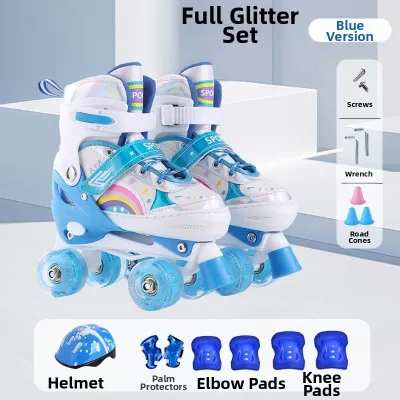
Safety must be your top priority when learning to skate. A properly fitting helmet is non-negotiable. Look for a multi-impact helmet certified under recognized safety standards (such as CPSC or EN 1078) for wheeled sports. The helmet should sit low on your forehead, cover the back of your head, and fit snugly without rocking when you shake your head.
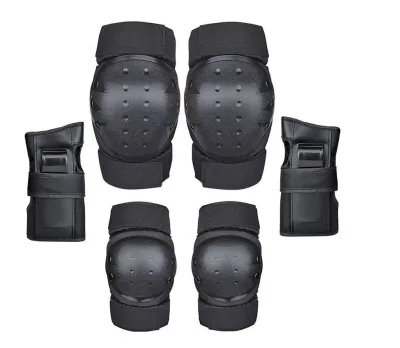
When falling forward, the natural instinct is to catch yourself with your hands, which can lead to severe wrist injuries. Wrist guards equipped with rigid plastic splints on the palm and back of the hand are essential. They absorb the impact and allow your hands to slide along the pavement, preventing hyperextension and fractures.
High-impact knee and elbow pads protect your joints from painful scrapes and hard impacts on concrete. Choose pads with thick foam padding and durable plastic caps (shells). Ensure the strapping system is secure and adjustable, keeping the pads firmly in place without sliding down your limbs during movement.
To ensure your protective gear remains effective, inspect it regularly for signs of wear and tear. Plastic caps on knee and elbow pads can crack over time from hard impacts, and the elastic straps can stretch out, causing the pads to slip during a fall. If you experience a hard fall where your helmet takes a direct impact, replace the helmet immediately, even if there are no visible cracks on the outer shell.
Frequently Asked Questions (FAQ)
How long does it take to break in new roller skates?
The break-in period depends heavily on the boot material. Synthetic vinyl or hard plastic boots do not stretch, so they should feel comfortable almost immediately, though they may soften slightly around the ankle collar after 5 to 10 hours of use. Genuine leather or suede boots require about 10 to 20 hours of active skating to fully conform to your foot shape. To avoid blisters during this initial phase, wear thick, moisture-wicking socks, apply blister pads or athletic tape to high-friction areas like the heel and ankles, and practice in short, controlled sessions of 20 to 30 minutes.
Can I use indoor roller skates for outdoor skating?
You can use the same skate boots outdoors, but you must change the wheels. Indoor skates typically come with hard wheels (90A to 103A) designed to slide and grip on coated rink floors. Using these hard wheels on rough outdoor asphalt or concrete is highly uncomfortable and dangerous, as they transmit every vibration to your feet and can easily catch on tiny pebbles, causing sudden falls. To transition outdoors, swap your indoor wheels for soft outdoor wheels (78A to 82A). Ensure the new wheels are compatible with your skate’s axle diameter (usually 7mm or 8mm) and that you transfer or install matching bearings.
Community discussion
Share your experience or ask a question. Comments are reviewed before publication.