
Selecting your first tennis racket is a critical step that directly shapes your early experience on the court. For a beginner, the most suitable racket is one that prioritizes forgiveness, comfort, and ease of use over advanced control or maximum power. A racket with an oversized head (between 100 and 115 square inches), a lightweight frame (260 to 285 grams), and a head-light balance provides an excellent foundation for developing consistent swing mechanics.
In the tropical climate of the Philippines, high humidity and heat can accelerate physical fatigue and cause your hands to sweat heavily. This makes choosing a manageable racket weight and the correct grip size even more vital to prevent injury and maintain control. Instead of investing in expensive, heavy frames designed for professional players, focus on matching a racket’s physical specifications to your current strength and fitness level.
Assess Your Physical Profile and Playing Style
Before browsing through product catalogs, take a moment to evaluate your physical conditioning and athletic background. If you have previously played sports like badminton or table tennis, you may have developed a highly active wrist action. Tennis, however, requires a much more stable wrist and a longer, more controlled swing path, meaning a racket that offers built-in stability will help ease this transition.
Products mentioned in this guide
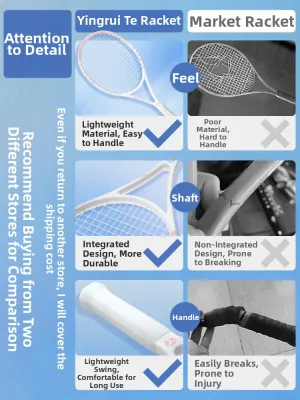
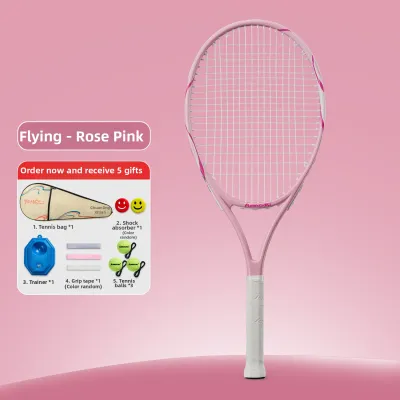
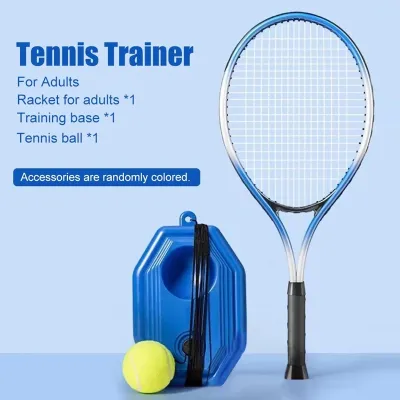
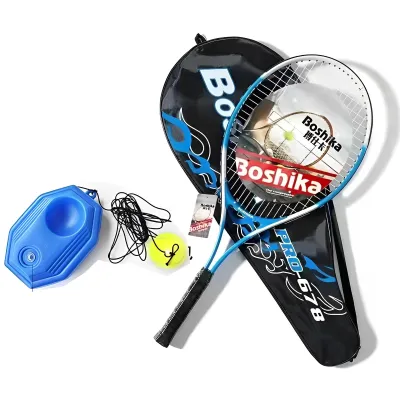
Prices are valid at publication and may change. Please refer to the product page for the latest price.
Your age and general upper body strength should dictate the baseline weight of the frame you choose. If you are prone to joint discomfort or are returning to physical exercise after a long period of inactivity, a lighter frame is essential to protect your shoulder and elbow from strain. Younger or highly active beginners might comfortably handle a slightly heavier racket, but starting lighter allows you to focus entirely on learning proper form without fighting the weight of the gear.
It is also important to align your purchase with your playing goals. If you plan to play casual weekend matches with friends, a highly forgiving, oversized racket will make the game immediately fun and accessible. If you are investing in structured coaching sessions to develop a fast, competitive swing, a mid-plus racket with a slightly smaller head size will offer a better balance of control as your skills progress over time.
Key Racket Features to Match Your Needs
Understanding the core specifications of a tennis racket allows you to filter out unsuitable models and focus on what will actually help you improve. The head size of the racket is the primary factor for forgiveness. Beginners should look for head sizes ranging from 100 to 115 square inches, often categorized as mid-plus or oversized. These larger frames provide a wider sweet spot, which minimizes the penalty for off-center hits and helps you keep the ball deep in the court.

Racket weight is another crucial variable that directly affects maneuverability and joint safety. For adult beginners, an unstrung weight between 260 and 285 grams is a highly manageable range. You can easily verify this specification by checking the printed details on the inside of the racket throat or shaft. A frame that is too heavy will slow down your swing and cause early fatigue, while an excessively light frame may fail to absorb the shock of fast-coming balls, transferring that vibration directly into your arm.
The balance of the racket refers to how its weight is distributed between the head and the handle. Head-light rackets have more weight concentrated in the handle, making them easier to swing quickly and maneuver when playing volleys at the net. Head-heavy rackets, on the other hand, provide more natural power but can feel cumbersome for a beginner to control. Opting for a neutral to slightly head-light balance offers the most versatile setup for learning all types of strokes.
Frame stiffness is measured by manufacturers to indicate how much the racket bends during impact. Stiffer frames bend less, transferring more power back to the ball but also sending more shock waves down your arm. For a beginner, a frame with moderate stiffness is suitable because it provides a comfortable blend of easy depth and vibration dampening. Look for rackets made of graphite or graphite composites, as they offer superior shock absorption compared to cheap, rigid aluminum frames.
Finding the Correct Grip Size
Using a racket with an incorrect grip size can quickly lead to hand fatigue, blisters, and even chronic conditions like tennis elbow. If the grip is too small, you will find yourself squeezing the handle excessively tight to prevent the racket from twisting on impact. If the grip is too large, you will struggle to wrap your fingers securely, which limits your ability to snap your wrist naturally when serving or hitting spin.
To find your correct grip size, you can use the simple index finger test. Hold the racket handle using a standard Eastern forehand grip, which feels like shaking hands with the racket. While holding this grip, attempt to slide the index finger of your opposite hand into the space between your ring finger and your palm. A properly sized grip will allow your index finger to fit snugly in this gap without your fingers touching your palm or leaving a large empty space.
Standard grip sizes are measured by the circumference of the handle, typically ranging from size 0 (4 inches) to size 5 (4 5/8 inches). Most adult players in the Philippines find their fit between size 1 (4 1/8 inches) for smaller hands, size 2 (4 1/4 inches) for medium hands, or size 3 (4 3/8 inches) for larger hands. You can find this measurement stamped on the butt cap at the bottom of the handle.
If you find yourself caught between two grip sizes, always choose the smaller option. It is incredibly easy to increase the size of a small handle by wrapping a cheap overgrip around it, which also adds a fresh, tacky surface to absorb sweat. Conversely, it is virtually impossible to reduce the size of a handle that is too large without professional customization.
Setting a Realistic Budget and Choosing a Retailer
Establishing a practical budget helps you avoid overspending on advanced technology you do not yet need, while ensuring you do not buy low-quality gear that hinders your progress. In the Philippines, beginner-friendly tennis rackets generally fall into distinct price brackets. While basic aluminum rackets can cost under ₱2,000, they lack durability and shock absorption; instead, aim for a graphite composite or full graphite frame, which typically ranges from ₱3,500 to ₱7,000.
When calculating your total startup cost, remember to factor in essential accessories alongside the racket itself. If you purchase an unstrung frame, you will need to budget an additional ₱800 to ₱1,500 for a set of synthetic gut strings and the local pro shop’s stringing labor. Additionally, allocate a small portion of your budget for a protective racket bag to shield your equipment from extreme tropical heat, as well as a few replacement overgrips to combat sweat.
To ensure you are purchasing genuine products with valid manufacturer warranties, buy from reputable local sports specialty stores, official brand boutiques, or verified flagship stores on major online marketplaces. Authentic rackets are backed by warranties against structural defects, such as sudden frame cracking. Always check the retailer’s return and exchange policies before finalizing your purchase, particularly when buying online, so you can easily swap the racket if the physical weight or grip size does not feel right in your hand.
Frequently Asked Questions (FAQ)
Should a beginner buy a pre-strung or unstrung tennis racket?
For most absolute beginners, buying a pre-strung racket is the most practical and cost-effective choice. These rackets come pre-installed with durable synthetic gut or nylon strings at a moderate, factory-recommended tension. This setup allows you to step onto the court immediately and focus on learning basic strokes without the added expense of custom stringing. Once your technique improves and you begin to break strings or require specific spin and control characteristics, you can transition to buying unstrung frames and selecting custom string setups.
How often should a beginner restring their tennis racket?
A reliable guideline for recreational players is to restring your racket as many times a year as you play per week, with a minimum of twice a year. Over time, strings naturally lose their tension and elasticity, even if they do not break, which can make your shots feel unpredictable and stiff. Regularly inspect your strings for visual signs of wear, such as deep notches where the strings cross, fraying fibers, or strings that shift out of place constantly. Because the hot and humid climate of the Philippines can accelerate tension loss, storing your racket in a cool, dry place inside a thermal-lined bag will help maintain string playability for longer.
Community discussion
Share your experience or ask a question. Comments are reviewed before publication.