
Jogging along the streets of Manila, Cebu, or any local neighborhood presents unique challenges for carrying personal items. The combination of high tropical humidity, sudden downpours, and the repetitive impact of running means that a standard casual waist bag simply will not suffice. A dedicated running belt bag is engineered specifically to address these challenges, keeping your smartphone, keys, and emergency cash secure and dry without shifting or bouncing with every stride.
Selecting the right belt bag for jogging requires a clear understanding of how different designs interact with your body mechanics and the local climate. The ideal gear should feel almost invisible during a run, allowing you to focus entirely on your pace and breathing. By evaluating key factors such as strap security, material composition, and storage layout, you can find a running belt that matches your specific workout routine and withstands the demands of regular outdoor training.
Core Selection Criteria for Jogging Belt Bags
To prevent a running belt from becoming a distraction, several design elements must work together seamlessly. The primary mechanism to evaluate is the strap adjustment and locking system. High-impact movement puts continuous stress on the belt, which can cause standard slide adjusters to loosen gradually over a few kilometers. Look for belts equipped with secure cam locks, tension-lock buckles, or high-friction elastic adjusters that remain fixed once set to your waist measurement. The buckle itself should be lightweight yet robust, positioned away from the spine or hip bones to prevent painful pressure points.
Products mentioned in this guide
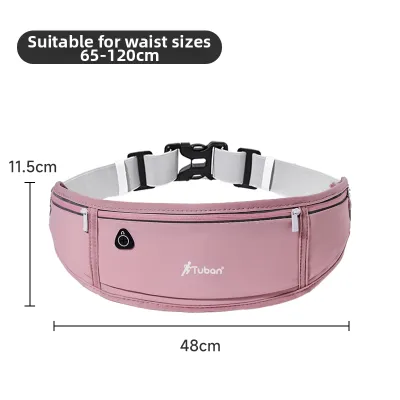
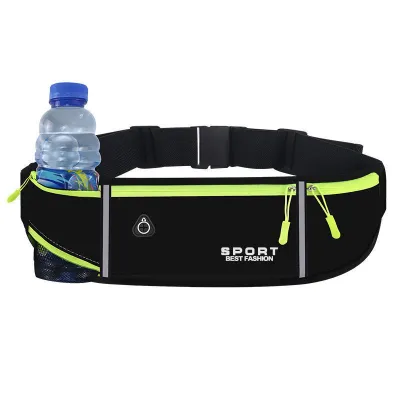
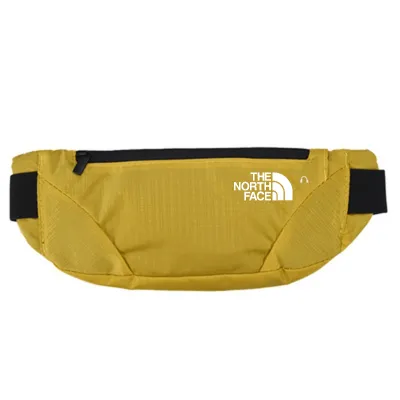
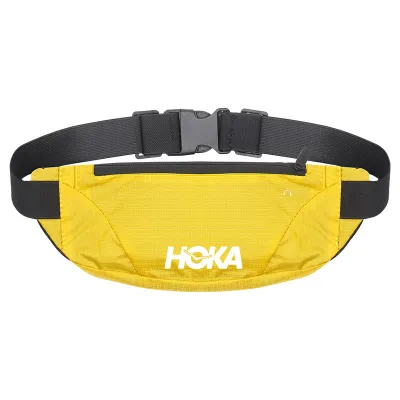
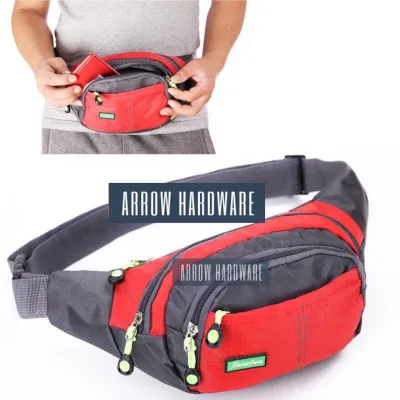
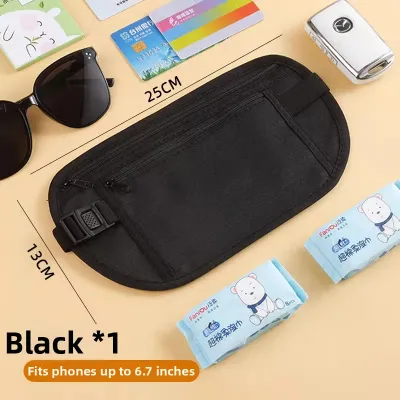
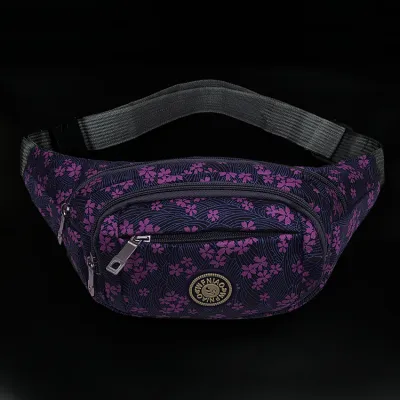
Prices are valid at publication and may change. Please refer to the product page for the latest price.
Compartment layout is equally critical for maintaining balance and protecting your gear. A well-designed jogging belt features dedicated, separated pockets rather than a single large pouch. Placing your keys, coins, or trail snacks in the same compartment as your smartphone risks scratching the screen or damaging delicate camera lenses. Look for internal dividers, dedicated key clips, or separate zippered sleeves that keep sharp objects isolated. This separation also prevents items from shifting laterally, which can alter the weight distribution and cause the belt to slide down your hips.
In the tropical climate of the Philippines, material breathability and sweat-wicking properties are non-negotiable. Running in high humidity leads to heavy perspiration, which can quickly saturate non-technical fabrics like cotton or heavy canvas. Opt for belts constructed from advanced synthetic blends such as Lycra, spandex, or nylon ripstop, which are engineered to wick moisture away from the skin and dry rapidly. The backing of the belt—the side that directly contacts your body—should ideally feature a breathable spacer mesh or a perforated neoprene lining to facilitate airflow and reduce heat buildup.
Finally, pay close attention to zipper quality and water-resistant coatings. Sudden tropical rain showers or heavy sweat can easily penetrate standard zippers and seams, risking water damage to your phone or electronic car keys. Look for reverse-coil zippers, which have the fabric teeth facing inward to block moisture, or zippers fitted with polyurethane (TPU) water-resistant seals. While few running belts are fully submersible, a high-quality water-resistant coating or an internal waterproof membrane provides essential protection against environmental moisture and heavy perspiration during long, intense runs.
Matching Storage Capacity to Your Running Distance
Your storage needs will vary significantly depending on the duration and distance of your runs. For short runs, typically under five kilometers, a minimalist approach is usually most comfortable. Tubular running belts or single-pocket elastic bands are ideal for these quick sessions. These designs are highly streamlined and sit flat against the body, offering just enough space to hold a smartphone, a single house key, and a few folded bills (such as a ₱500 note for emergency transport or hydration). Because they lack bulky hardware, minimalist belts offer excellent bounce prevention for fast-paced workouts.

As you transition to long-distance runs, half-marathons, or trail jogging, your gear requirements expand. You will need a multi-pocket belt bag capable of carrying nutrition gels, salt tablets, and potentially a small hydration flask. Look for specialized running belts that feature integrated elastic loops for energy gels, expandable mesh sections that stretch to accommodate extra items, or angled holsters designed to hold soft flasks securely. These designs distribute the heavier load across a wider surface area to minimize movement, but they require careful adjustment to prevent the extra weight from causing the belt to sag.
Before purchasing any belt bag, always verify the exact dimensions of your smartphone against the manufacturer’s stated pocket limits. Do not rely solely on the advertised screen size (such as “fits up to 6.7-inch phones”), as these measurements rarely account for the thickness of protective phone cases. Measure your phone while it is inside its daily case—especially if you use a thick, shockproof, or battery-extending case—and compare those physical dimensions to the internal pocket specifications of the running belt. A pocket that is too tight will strain the zippers and seams, leading to premature wear and tear.
Carrying more gear inevitably increases the risk of bouncing due to the laws of physics. When a belt bag is fully loaded with a heavy phone, keys, and water, the increased mass amplifies the kinetic energy generated by your stride. To mitigate this, evaluate the trade-off between maximum storage capacity and your actual comfort. If you regularly need to carry multiple heavy items, it may be more effective to distribute the weight by using a running vest or a hydration pack rather than overloading a single waist belt.
Evaluating Comfort and Bounce Prevention
The overall comfort of a jogging belt bag depends heavily on how it distributes weight across your midsection. A wide back panel or a broad elastic band is highly effective at spreading the load, reducing localized pressure points that can cause discomfort over long distances. Thin, narrow straps tend to dig into the waist or hips, especially when the bag is loaded with a heavy smartphone. Look for belts that feature a slightly wider contact patch at the rear or sides, which helps stabilize the bag against your body’s natural contours.
Where you position the belt bag on your body also plays a major role in bounce control and running efficiency. Some runners prefer wearing the pouch at the front for quick access to items, while others find that placing it at the small of the back aligns better with their center of gravity. Back placement generally minimizes the visual distraction of a moving bag and keeps the pouch clear of your natural arm swing. Experiment with different positions—front, side, or back—to determine which placement feels most stable and least restrictive to your natural running gait.
Before committing to a specific belt bag or removing its retail tags, perform a practical bounce test at home. Pack the bag with the exact items you plan to carry on a typical run, secure the strap to your preferred tightness, and simulate running movements. Perform high knees, jump in place, and take a few quick strides across the room. Observe whether the belt rides up toward your waist, slips down over your hips, or bounces excessively against your lower back. If the bag shifts significantly during this brief test, it may require further adjustment or a different sizing style.
Chafing is one of the most common and painful issues faced by runners, particularly in hot and humid conditions where sweat acts as an abrasive. Examine the inner lining of the belt bag for seamless construction or flatlock stitching. Any raised seams, rough plastic edges, or exposed buckle corners can rub continuously against your skin or thin athletic fabrics, leading to painful chafing within a few kilometers. Choosing a belt with a soft, brushed inner lining or wearing the belt over the waistband of your running shorts can help protect your skin from friction.
Where to Buy and What to Verify at Checkout
When shopping for a jogging belt bag on major e-commerce platforms in the Philippines, verifying product authenticity is crucial. Online marketplaces host a wide variety of sellers, so it is highly recommended to purchase directly from official brand stores or authorized sports retailers. Look for verified seller badges, official mall indicators, and direct links from the manufacturer’s official website to ensure you are receiving a genuine product. Authentic running gear is constructed with durable, high-grade elastics and zippers that cheap counterfeits cannot replicate.
Before finalizing your purchase, carefully review the seller’s return and exchange policies. Fit issues are common with running belts, as individual body shapes and sizing preferences vary. Ensure that the retailer allows returns or exchanges if the belt does not fit comfortably or if your specific smartphone model does not fit into the zippered compartment. Keep the original packaging and tags intact until you have fully tested the fit and compatibility of the bag in a clean indoor environment.
User reviews can provide valuable insights into the long-term durability of a running belt. Instead of focusing solely on the overall star rating, filter the reviews to look for specific feedback regarding strap durability, zipper performance, and elastic degradation over time. Search for comments from runners who have used the product for several months, as this feedback will reveal whether the elastic band loses its tension after repeated washes or if the zippers tend to jam when exposed to salty sweat.
Additionally, check the listed weight of the empty belt bag in the product specifications. For dedicated runners, keeping gear as lightweight as possible is essential for maintaining performance and reducing fatigue. An ultralight running belt typically weighs under 100 grams when empty. If a product description does not list the weight, or if the bag features heavy metal buckles and thick, non-functional decorative elements, it may be designed more for casual fashion than active sports use.
Care and Maintenance for Sweat-Exposed Gear
To extend the lifespan of your jogging belt bag and prevent the buildup of unpleasant odors, establishing a proper care routine is essential. Always consult the manufacturer’s care label attached to the inside of the bag before washing. Most high-performance running belts require gentle hand washing in cool water using a mild, sports-specific detergent. Avoid using fabric softeners, bleach, or harsh chemical cleaners, as these substances can clog the moisture-wicking pores of synthetic fabrics and degrade water-resistant coatings.
After washing, always air-dry your running belt in a shaded, well-ventilated area. Never place the belt in a mechanical clothes dryer or expose it to direct, intense tropical sunlight for extended periods. High heat and ultraviolet (UV) radiation rapidly break down the elastic fibers, spandex blends, and thermoplastic polyurethane (TPU) coatings that give the belt its stretch and water resistance. Hanging the bag indoors or in a covered outdoor space allows it to dry safely without compromising its structural integrity.
Zipper maintenance is another critical step that is often overlooked. When you run, sweat containing salt and body oils coats the zipper teeth and slider. Over time, this salt buildup can crystallize, leading to corrosion, stiff operation, or complete zipper failure. To prevent this, rinse the zippers of your belt bag with fresh, clean water after every heavy, sweaty run. Gently slide the zipper back and forth while rinsing to clear out any trapped salt particles or debris, ensuring smooth operation for your next workout.
Even with meticulous care, running gear eventually reaches the end of its functional lifespan. Regularly inspect your belt bag for early signs of material failure, such as fraying seams, cracked water-resistant linings, or a noticeable loss of elasticity in the waistband. If the belt begins to sag or requires constant tightening during a run, the elastic fibers have likely degraded. Replacing a worn-out belt before a major component fails entirely ensures that your expensive smartphone and keys remain secure and protected on every run.
Frequently Asked Questions (FAQ)
Can I use a regular fashion belt bag for jogging?
While it is physically possible to wear a fashion belt bag during a run, it is generally not recommended for active jogging. Casual fashion waist bags are typically designed with heavy materials like canvas, leather, or thick nylon, which trap heat and absorb sweat rather than wicking it away. They also tend to feature loose, adjustable straps and heavy metal buckles that easily slip under the repetitive impact of running, leading to excessive bouncing and painful chafing. Furthermore, fashion bags usually lack the internal organization, secure key clips, and snug, body-hugging profiles required to keep your items stable and protected during high-intensity movement.
How tight should a jogging belt bag be?
A jogging belt bag should be adjusted to fit snugly against your body without restricting your breathing or causing discomfort. A practical way to test the tension is the two-finger rule: you should be able to slide two fingers comfortably between the belt and your waist. The belt needs to be tight enough to remain anchored to your hips or waist during high-impact movement, preventing it from riding up or bouncing. However, it should not be so tight that it constricts your abdomen, especially since your torso naturally expands as your breathing deepens during intense intervals or uphill climbs. Adjust the fit while standing in a natural running posture to find the ideal balance between security and comfort.
Community discussion
Share your experience or ask a question. Comments are reviewed before publication.