
Finding the right bicycle begins with understanding where and how you intend to ride. A bicycle that excels on smooth pavement may feel sluggish on gravel, while a heavy off-road model can make daily city commuting unnecessarily tiring. By matching your typical routes, physical comfort preferences, and practical storage limits to the correct bicycle category, you can ensure a smooth, efficient, and enjoyable ride.
Diagnose Your Riding Needs and Terrain
To narrow down your options, start by evaluating the surfaces you will encounter most frequently. If your routes consist of smooth asphalt, concrete bike lanes, or paved city streets, your focus should be on rolling efficiency and speed. Conversely, if you plan to navigate unpaved paths, loose gravel, or muddy trails during the rainy season, you will need a bicycle designed to handle uneven terrain and maintain traction. Mixed-surface riding requires a balance between these two extremes.
Next, assess your typical riding distance, frequency, and primary goals. A daily commute to work or school demands reliability, mounting points for cargo, and a comfortable riding position. If your goal is high-intensity fitness or long-distance weekend touring, you will benefit from a lightweight design that maximizes your physical effort. For casual weekend recreation or short errands around the neighborhood, simplicity and comfort often take priority over high-performance specifications.
Products mentioned in this guide
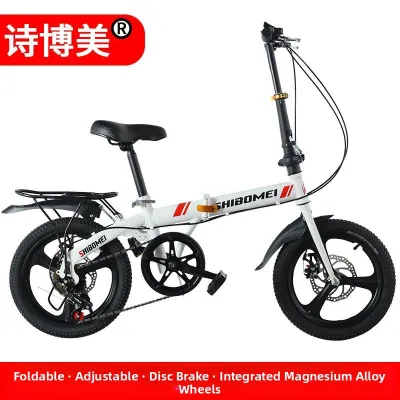
Prices are valid at publication and may change. Please refer to the product page for the latest price.
Your physical comfort and preferred riding posture are equally important. A leaned-forward, aerodynamic posture helps you ride faster and more efficiently against the wind, but it can place strain on your wrists, neck, and lower back if you are not accustomed to it. An upright posture offers excellent visibility in city traffic and reduces physical strain, making it ideal for relaxed rides, though it is less efficient for climbing steep hills or riding at high speeds.
Finally, consider your logistical constraints, such as storage space and transport options. Living in a high-rise condominium or a small apartment means you must factor in how easily you can carry the bicycle up stairs or fit it into an elevator. If you plan to combine cycling with public transit, such as taking the light rail or buses, or if you need to transport the bicycle in the trunk of a small car, portability becomes a decisive factor.
Match Your Profile to Bicycle Categories
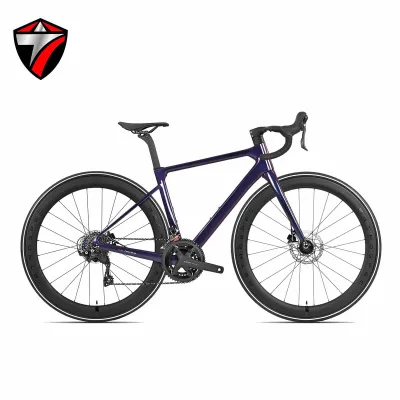
Once you have diagnosed your needs, you can match them to specific bicycle categories. Road bikes are built for speed, efficiency, and long distances on paved surfaces. They feature lightweight frames, narrow tires with minimal tread, and drop handlebars that allow for multiple hand positions and an aerodynamic posture. If your primary goal is fitness, road racing, or long-distance pavement riding, this category is designed for those conditions.

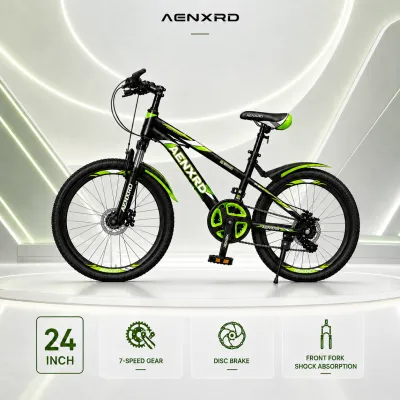
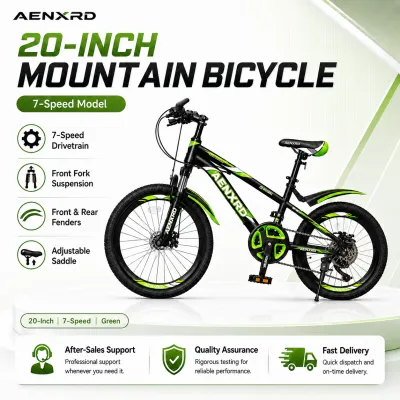
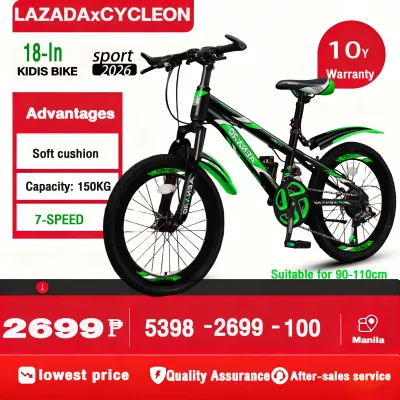
Mountain bikes (MTBs) are engineered for off-road trails, steep climbs, and rough terrain. They feature wide, knobby tires for grip on dirt and mud, durable frames, and flat handlebars for precise steering control. Most mountain bikes include front suspension (hardtail) or both front and rear suspension (full suspension) to absorb shocks from rocks and roots. While highly durable, their heavier weight and high rolling resistance make them slower on paved roads.
Hybrid and commuter bikes combine elements of road and mountain bikes to create a versatile option for daily urban use. They typically feature flat handlebars for an upright, comfortable riding position, medium-width tires that balance speed with stability, and mounts for racks and mudguards. This category is highly suitable for city commuting, casual fitness, and riding on a mix of paved streets and light gravel paths.
Folding bikes are designed specifically for multi-modal commuting and limited storage spaces. They feature small wheels and a hinged frame that allows the bicycle to fold down into a compact package within seconds. This design makes them incredibly easy to store under a desk, carry inside a condominium, or bring onto public transportation. While they are highly convenient for urban transit, their small wheels offer less momentum and a bumpier ride on rough roads.
Gravel bikes are a versatile option for riders who want the speed and drop-bar geometry of a road bike but need the capability to handle unpaved paths. They feature wider tire clearance, disc brakes, and a more stable geometry than traditional road bikes. This allows you to transition seamlessly from smooth asphalt to rough gravel roads, making them an excellent choice for adventurous riders who explore varied routes.
Key Specifications to Check Before Buying
When evaluating specific models in a store or on an online marketplace, you should verify several key specifications. The frame geometry and material significantly affect the bicycle’s weight, durability, and riding posture. Aluminum frames are lightweight, stiff, and highly resistant to rust, making them excellent for humid, tropical climates. Steel frames are heavier but offer a smoother ride by absorbing road vibrations, while carbon fiber is exceptionally light and stiff but comes at a higher cost.
Tire clearance and tread pattern must match your diagnosed terrain. Narrow, slick tires minimize friction on smooth pavement, allowing you to ride faster with less effort. Wider tires hold more air volume, which allows you to run lower tire pressures for increased comfort and traction on rough or wet roads. Ensure the frame has enough clearance to accommodate the tire width you need, especially if you plan to install wider tires or mudguards later.
The gearing range should support the topography of your typical routes. If you live or ride in a hilly area, you will need a wide gear range with low gear ratios (smaller chainrings in the front and larger cogs in the rear) to help you climb without excessive strain. For flat city streets, a simpler drivetrain with fewer gears, or even a single-speed setup, reduces maintenance and weight while providing sufficient speed.
Braking systems are critical for safety, especially in wet weather. Traditional rim brakes are lightweight and easy to maintain, but their stopping power decreases significantly in wet or muddy conditions. Disc brakes, which can be mechanical or hydraulic, grip a rotor mounted to the wheel hub rather than the wheel rim. They provide consistent, powerful stopping performance in all weather conditions, making them highly recommended for rainy climates and steep descents.
Test Riding and Final Decision Checklist
Before finalizing your purchase, a physical test ride is essential to confirm that the bicycle fits your body and meets your expectations. During the test ride, evaluate how the bicycle handles turns, how comfortable the saddle feels, and whether you can easily reach the handlebars and brake levers without straining. Pay attention to how the brakes respond and how smoothly the gears shift under load.
Verify that you are choosing the correct frame size, as bicycle sizing varies between manufacturers. A frame that is too large or too small can cause chronic discomfort and increase the risk of injury over time. Check the adjustability of the seatpost and handlebars to ensure you can fine-tune your riding position. If you are buying online, consult the manufacturer’s sizing chart carefully and measure your inseam rather than relying solely on your height.
Finally, review the warranty terms and the availability of local after-sales support. A reliable warranty on the frame and components provides peace of mind, while a local bike shop can assist with initial assembly, professional tuning, and future maintenance. Ensure you understand whether the bicycle requires professional assembly to keep the warranty valid, as proper initial setup is crucial for safety and long-term performance.
Frequently Asked Questions (FAQ)
Can I use a mountain bike for daily city commuting?
Yes, you can use a mountain bike for daily city commuting, but it involves several trade-offs. The wide, knobby tires and heavy frame create significant rolling resistance and require more physical effort to pedal on smooth pavement. Additionally, the suspension system can absorb some of your pedaling energy, making your ride less efficient. If you choose to commute on a mountain bike, swapping the knobby tires for smoother, pavement-friendly tires can greatly improve your speed and efficiency.
Is a hybrid bike good enough for occasional trail riding?
A hybrid bike can handle light trail riding, such as flat dirt paths, hard-packed gravel, and smooth park trails. However, it is not designed for rough, technical off-road terrain. Hybrid bikes lack the robust frame construction, wide tire clearance, and advanced suspension systems required to safely absorb impacts from large rocks, deep ruts, and tree roots. Attempting to ride a hybrid bike on demanding mountain bike trails can damage the components and compromise your safety.
Community discussion
Share your experience or ask a question. Comments are reviewed before publication.