
Choosing the right bike rear light is one of the most straightforward ways to improve your safety on the road. Whether you are navigating busy city streets during your daily commute or riding along quiet rural roads, a reliable tail light ensures that motorists can see you from a safe distance.
To find the perfect match for your bicycle, you need to balance several key factors: light output, battery performance, and how the unit attaches to your frame. Understanding these specifications allows you to choose a light that fits your riding habits and keeps you visible in all weather conditions.
Understanding Lumen Output and Visibility Modes
Many cyclists assume that a higher lumen rating always translates to a better light, but raw brightness is only part of the equation. Lumens measure the total amount of light emitted, but how that light is distributed matters just as much.
Products mentioned in this guide
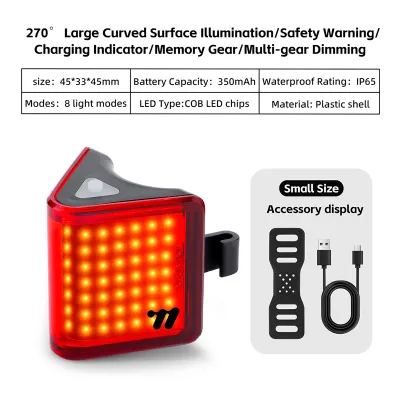
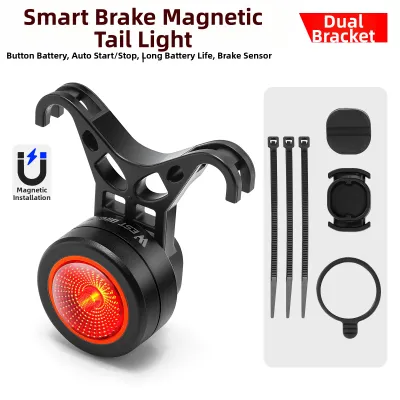
32 Lazada user ratings
Super bright! Super eye-catching! Riding at night or in fog feels super safe! Installation is super easy, just snap it onto the seat post in…Read full reviewShow less
Super bright! Super eye-catching! Riding at night or in fog feels super safe! Installation is super easy, just snap it onto the seat post in a second. Multiple flashing modes, long-lasting battery, waterproof and dustproof. Great value for money, a must-have for cycling! Highly recommend!
I waited a bit before sharing my thoughts, and I really like this more and more with use. The quality is impressive, and I highly recommend …Read full reviewShow less
I waited a bit before sharing my thoughts, and I really like this more and more with use. The quality is impressive, and I highly recommend it to anyone who's still on the fence!
Brake sensing technology, Durable and long-lasting, Bright safety feature, Bright safety feature, Good seller service, Great night riding li…Read full reviewShow less
Brake sensing technology, Durable and long-lasting, Bright safety feature, Bright safety feature, Good seller service, Great night riding light,
The craftsmanship is great and the quality is good. It offers excellent value overall!
The craftsmanship is excellent, and it is very convenient to use. It works great.
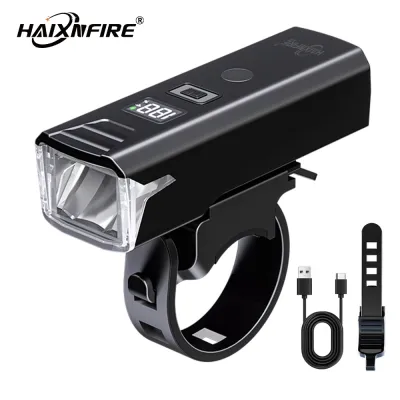
28 Lazada user ratings
🛠️Durability:Lightweight and compact, for LONG RIDE.. SAFETY & DURABLE.... 🔋Battery Life:Type-C charging port, for more battery life.. 💡Brigh…Read full reviewShow less
🛠️Durability:Lightweight and compact, for LONG RIDE.. SAFETY & DURABLE.... 🔋Battery Life:Type-C charging port, for more battery life.. 💡Brightness:my. BRIGHT guide in night ride...
Sobrang ganda naman all goods na dumating sakin sana matagal malobat thank so much seller kuha na po kayo ganda nang quality po
USB rechargeable design, USB rechargeable design, Digital power display, Camping and cycling use, Night sensing feature,
Camping and cycling use, Type-C charging port,
Prices are valid at publication and may change. Please refer to the product page for the latest price.
A well-designed bike rear light uses specialized optics to spread the beam horizontally, ensuring you are visible to traffic approaching from the sides as well as from behind. A highly focused, narrow beam might look bright from directly behind but can leave you virtually invisible at intersections.
Choosing between steady and flashing modes also depends on when and where you ride. Steady modes make it much easier for drivers to judge their distance from you at night, while high-intensity flash modes are ideal for daytime riding to grab attention in bright sunlight.
Your typical route should dictate your brightness needs. If you ride mostly on well-lit urban streets, a lower-lumen light with a distinct pulse pattern is often enough, whereas high-speed roads with minimal street lighting require a brighter, more focused beam to alert drivers early.
Battery Types and Runtime Expectations
When evaluating power sources, you will generally choose between built-in lithium-ion USB rechargeable batteries and replaceable AAA or coin cell options. USB rechargeable models are highly popular for their convenience and consistent power output, making them ideal for frequent riders.

Replaceable battery lights are less common now but remain a practical choice for long-distance touring where access to electrical outlets is limited. They allow you to carry spares and swap them out instantly without waiting for a charge cycle.
Manufacturer runtime claims are useful guidelines, but real-world performance can vary based on your selected mode and environmental conditions. Flashing modes consume significantly less power than steady, high-output modes, often extending battery life by several hours.
It is also important to consider battery health over time. Look for models with clear low-battery indicators so you are never caught in the dark, and remember that extreme temperatures can temporarily reduce battery capacity.
While rechargeable lights have a higher initial purchase price, they offer substantial long-term savings and a much lower environmental impact compared to constantly buying and disposing of alkaline batteries.
Mounting Options for Different Bike Setups
A rear light is only useful if it remains securely attached to your bicycle and points in the correct direction. The most common mounting location is the seatpost, but the shape of your post will dictate which mounting style you need.
Standard round seatposts are highly compatible with almost any mounting bracket, using either flexible rubber straps or rigid plastic clamps. However, if your bike features an aerodynamic or D-shaped seatpost, you will need a mount specifically designed to conform to those unique profiles.
If your seatpost space is limited by a saddlebag, a low saddle height, or a rear rack, you must look for alternative mounting solutions. Many manufacturers offer specialized clips for saddle rails, rack mounts, or fender brackets to keep the light high and visible.
Consider how often you need to remove the light. Tool-free rubber strap mounts allow you to quickly transfer the light between multiple bikes or take it with you when parking in public, while bolt-on brackets offer superior theft resistance.
Always check for clearance issues before heading out on a ride. Ensure that loose clothing, mudguards, or luggage do not block the light, as even a slight obstruction can drastically reduce your visibility to trailing traffic.
Smart Features and Secondary Specs to Consider
Durability is a key consideration, particularly if you ride during the rainy season in the Philippines. Look for an ingress protection (IP) rating to determine how well the light resists water, with IPX4 protecting against splashes and IPX6 or higher offering protection against heavy downpours.
Modern rear lights often come equipped with smart features designed to make commuting safer and more convenient. Brake light sensors use built-in accelerometers to detect when you are slowing down, temporarily brightening the light to warn drivers behind you.
Ambient light sensors are another useful addition, automatically turning the light on or switching modes as you move between bright sunlight and dark tunnels or underpasses. This ensures you are always visible without needing to fumble with buttons while riding.
Side-visibility cutouts are simple but highly effective design features. By allowing light to escape from the sides of the housing, these designs help protect you at intersections where a significant portion of cyclist-motorist conflicts occur.
When budgeting, decide if these premium features are worth the extra cost. A basic, reliable rear light can be found for around ₱500, while advanced smart models with radar integration or automatic sensors can cost upwards of ₱2,500.
Frequently Asked Questions (FAQ)
How many lumens do I need for a bike rear light?
For night riding on well-lit city streets, a rear light of 10 to 30 lumens is usually sufficient to keep you visible. If you are riding on unlit rural roads or want a daytime running light to stand out in bright sunlight, look for a model that offers 50 to 100+ lumens in its flashing modes.
Can I use a front light as a rear light?
No, you should never use a white front light on the rear of your bicycle. Road safety standards and traffic laws require a red light at the rear to signal your direction of travel to other road users, preventing dangerous confusion. Front lights also feature different lens optics designed to illuminate the path ahead rather than diffuse light for visibility.
How do I know when my rechargeable bike light needs replacing?
A rechargeable light is nearing the end of its lifespan when its battery runtime drops significantly or it struggles to hold a charge. Physical signs such as a swollen casing or a loose charging port also indicate it is time to replace the unit. To maximize battery life, avoid leaving the light completely discharged for extended periods.
Community discussion
Share your experience or ask a question. Comments are reviewed before publication.