
When shopping for a bike for a baby girl of 3 years old, the right choice typically centers around a 12-inch wheel size, but the absolute best fit depends on her specific physical measurements and coordination rather than age alone. At this developmental stage, choosing between a balance bike that teaches equilibrium and a traditional pedal bike with training wheels is the primary decision. The bike must be lightweight enough for her to handle, feature a low standover height for easy mounting, and have safety features tailored to small hands.
In the tropical climate of the Philippines, where outdoor play often happens in neighborhood subdivisions, local parks, or barangay paved courts, selecting a durable, weather-resistant frame is equally important. High humidity can quickly affect cheap metal components, so understanding what to look for ensures her first cycling experience is safe, comfortable, and built to last.
Measure Her Inseam to Determine the Correct Wheel Size
When shopping for a toddler’s bike, relying solely on age-based labels on packaging can lead to a poor fit. Children grow at vastly different rates, and a bike that is too large can discourage a young rider or lead to preventable falls. Instead of guessing based on age, the most accurate way to find the correct wheel size is by measuring your child’s inseam and total height.
Products mentioned in this guide
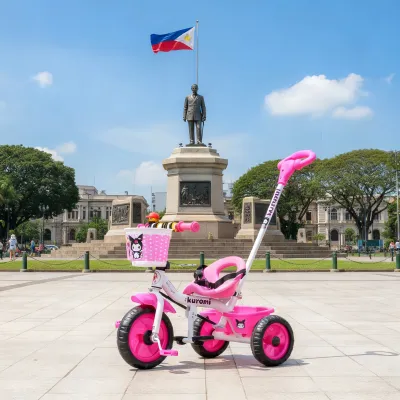
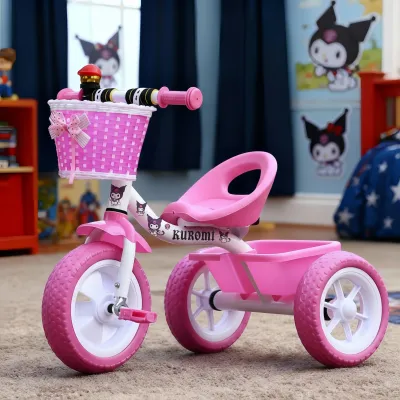
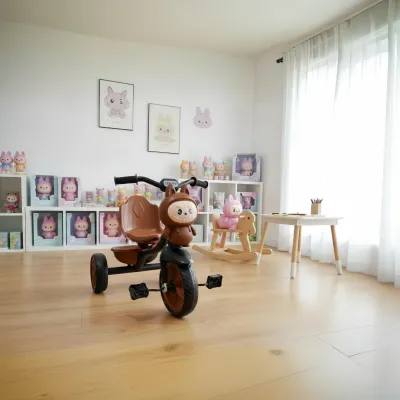
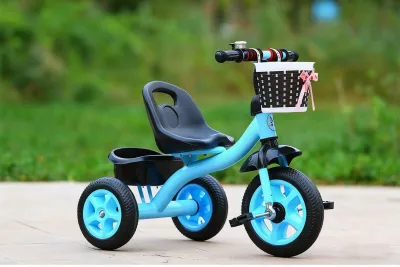
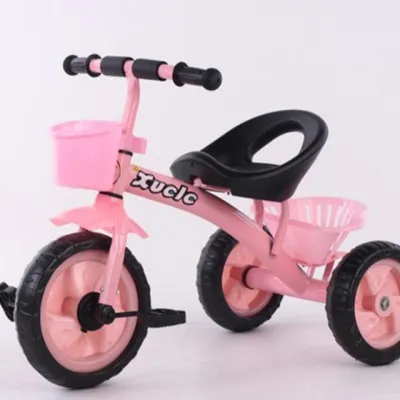
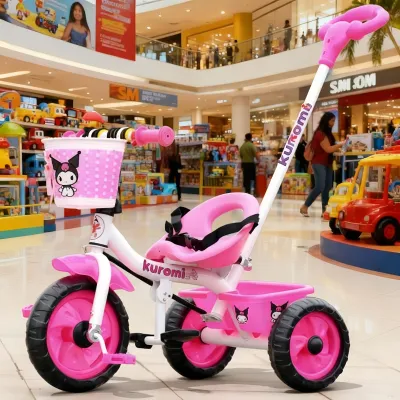
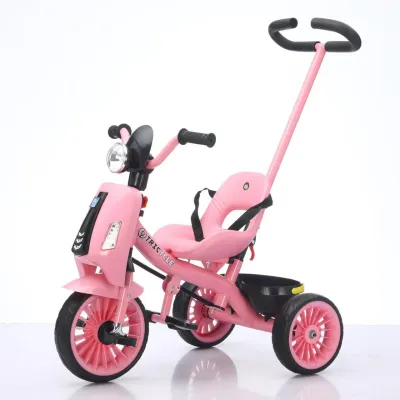
Prices are valid at publication and may change. Please refer to the product page for the latest price.
To measure her inseam accurately at home, have her stand in her stocking feet with her back against a flat wall, preferably on a hard floor rather than thick carpeting. Place a hardcover book between her legs, snug against her crotch as if she were sitting on a bike saddle. Ensure the book is level against the wall, and use a pencil to lightly mark where the top edge of the book meets the wall. Measure the distance from that mark straight down to the floor with a tape measure to get her exact inseam length.
Once you have this measurement, along with her overall height, cross-reference these numbers directly with the specific manufacturer’s size chart. While 12-inch wheels are the standard starting point for most three-year-olds, frame geometry varies significantly from one brand to another. One manufacturer’s 12-inch bike might have a much higher minimum seat height than another’s, meaning your child’s feet might not reach the ground even if the wheel size seems correct. Checking the minimum and maximum seat heights against her inseam ensures she can comfortably touch the ground.
Evaluate Frame Geometry and Bike Weight for Manageability
A common mistake when choosing a toddler’s bike is overlooking the total weight of the machine. Many entry-level steel-frame bikes can weigh up to half of a three-year-old’s total body weight, making them incredibly difficult for a small child to steer, lift, or push. If a bike is too heavy, a minor tip-over can turn into a frustrating experience where the child cannot lift the bike off herself, quickly dampening her enthusiasm for riding.

When evaluating options at a local shop or online marketplace, look for lightweight aluminum frames if your budget allows, as they offer a much better strength-to-weight ratio for small riders. A good rule of thumb is to look for a bike that weighs less than 30 to 40 percent of your child’s weight. This ensures she can easily maneuver the bike around corners, push it up slight inclines on subdivision roads, and regain her balance if the bike begins to tilt.
Frame geometry also plays a critical role in building early confidence. Step-through frames, which feature a lower top tube, are highly recommended for three-year-olds because they allow the child to mount and dismount without having to swing her leg high over the back of the seat. Additionally, look for designs that offer a low standover height—the distance from the ground to the top tube—and a low center of gravity. A lower center of gravity stabilizes the bike during sudden stops and helps prevent the front wheel from wobbling excessively when she starts pedaling.
Choose Between Training Wheels and a Balance Bike Setup
Parents often face a choice between a traditional pedal bike with training wheels and a modern balance bike. Traditional training wheels help a child learn the mechanical motion of pedaling without the fear of falling, but they can delay the development of actual balance. Because training wheels keep the bike completely upright, children do not learn how to lean into turns or use their core to stabilize the bike, often leading to a longer learning curve when the training wheels are finally removed.
An increasingly popular and highly effective alternative is starting with a balance bike setup, or temporarily converting a small pedal bike into one. You can do this by removing the pedals and lowering the saddle so your child’s feet are completely flat on the ground. This setup allows her to push off the ground with her feet, glide, and naturally learn how to steer and balance. Once she can confidently glide for several meters without touching her feet to the ground, you can reinstall the pedals.
If you do choose a bike with training wheels, verify that the training wheels are adjustable. High-quality setups allow you to raise the training wheels slightly off the ground as her confidence grows, introducing a small amount of play that forces her to practice balancing. Observe her riding habits to determine when she is ready to transition: if she is constantly leaning heavily to one side on the training wheels or struggling to steer around gentle curves, she still needs support. Once she can ride straight without the training wheels constantly scraping the pavement, she is ready to try riding on two wheels.
Verify Essential Safety, Braking, and Comfort Features
Safety and comfort are paramount when introducing a three-year-old to cycling, especially when navigating outdoor spaces like local parks or paved driveways. The braking system is one of the most critical components to inspect. Many toddler bikes come equipped with coaster brakes, which engage when the child pedals backward. While coaster brakes are intuitive for some beginners, they can make it difficult for a child to position her pedals correctly when starting from a complete stop.
If you opt for a bike with hand brakes, or a combination of both, it is vital to verify that the brake levers are specifically designed for child-sized hands. Standard adult or youth brake levers are often positioned too far from the handlebar grip, making them impossible for a three-year-old’s short fingers to reach. Look for adjustable hand levers that can be brought closer to the grip, and test them yourself to ensure they require very little squeezing force to actuate.
Comfort features also directly impact how long your child will want to ride. Look for a well-padded, ergonomic saddle that supports her pelvic bones without causing friction. Given the tropical heat and humidity in the Philippines, sweaty hands can easily slip off the handlebars, so choose grips made of non-slip rubber with large safety bulges on the outer edges. These bulges protect her hands from scraping against walls or the ground if she rides too close to an obstacle. Finally, ensure the seat post and handlebars are easily adjustable with secure clamping mechanisms so you can maintain a proper fit as she grows.
Adjust the Fit and Perform a Pre-Ride Safety Check
Before letting your child take her first spin around the yard or subdivision, taking the time to adjust the bike to her exact proportions is essential for both safety and control. Start by adjusting the saddle height. For a three-year-old beginner, the seat should be set low enough that she can sit squarely on the saddle with both feet planted completely flat on the ground. This flat-footed contact gives her an immediate sense of security and allows her to stop herself instantly using her feet if she loses control.
Next, adjust the handlebar height and angle to promote a comfortable, upright riding posture. Her elbows should be slightly bent, and she should not have to lean forward excessively or stretch her arms to reach the grips. If the handlebars are too low, she may carry too much weight on her wrists, leading to fatigue; if they are too high, steering control becomes awkward and unstable. Ensure the handlebars are perfectly perpendicular to the front wheel before tightening the stem bolt.
Finally, establish a quick pre-ride safety routine before every outing. Check the tire pressure to ensure the tires are firm but still offer enough traction on warm, humid concrete or asphalt. Test the brakes by pushing the bike forward and engaging the levers or back-pedaling to confirm the wheels lock up immediately. Lastly, inspect all quick-release levers, axle nuts, and handlebar bolts to ensure nothing has vibrated loose during previous play sessions.
Frequently Asked Questions (FAQ)
Should I buy a bike with a push handle for a 3-year-old?
A parent push handle can be an incredibly useful accessory for a three-year-old’s bike, especially during long walks around the neighborhood or trips to the park. It allows you to assist with steering, provide extra braking control on gentle slopes, and prevent parent fatigue from constantly bending over to guide a wobbly rider. However, it is important to choose a model where the push handle is easily removable. As your child develops better balance and steering coordination, removing the handle encourages her to take full control of the bike and build her independence.
How often will a 3-year-old outgrow her bike?
Children at this age grow rapidly, and you can generally expect a 12-inch bike to fit a three-year-old for about twelve to eighteen months. To maximize the lifespan of the bike, check the seat post’s maximum extension limit before purchasing to ensure there is plenty of room for upward adjustment. Regularly monitor her riding posture; if her knees are bent at an acute angle at the top of the pedal stroke, or if her knees are hitting the handlebars while steering, it is time to raise the seat or begin planning for the next wheel size.

Community discussion
Share your experience or ask a question. Comments are reviewed before publication.