
Selecting the perfect bicycle for your daughter is one of the most exciting milestones in her childhood, opening up a world of outdoor adventure, physical fitness, and independence. To ensure her riding experience is both safe and enjoyable, matching her physical dimensions to the correct bike size is absolutely essential. While many parents rely solely on age guidelines, children grow at highly individual rates, making physical measurements the only reliable foundation for a proper fit.
In the tropical climate of the Philippines, where young riders frequently navigate neighborhood streets, local parks, and subdivision pathways, a well-fitted bicycle provides the control needed for diverse conditions. Whether she is riding under the warm afternoon sun or navigating a path slightly damp from a sudden tropical shower, having a bike that matches her body size ensures she can steer, pedal, and stop with complete confidence. By focusing on her actual height and inseam, you can select a bicycle that supports her balance and encourages a lifelong love for cycling.
Step 1: Measure Your Daughter's Height and Inseam
To find a bicycle that fits your daughter perfectly, you must begin with accurate physical measurements rather than relying on general age recommendations. Taking these measurements at home requires only a few minutes and a couple of basic household tools, but the precision it provides is invaluable for her safety and comfort on the road.
Products mentioned in this guide

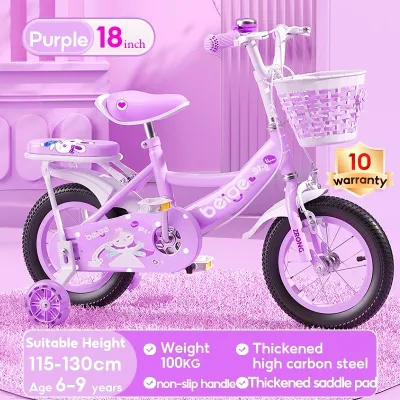
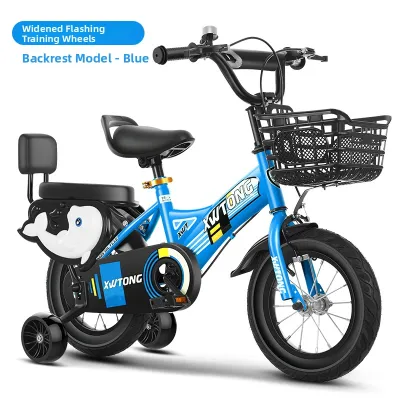

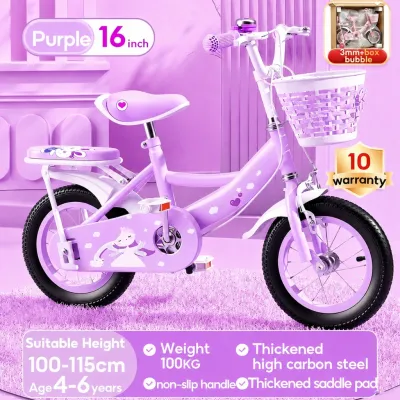
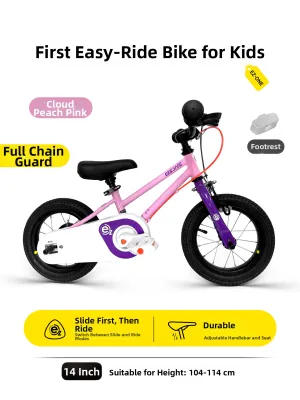

Prices are valid at publication and may change. Please refer to the product page for the latest price.
To measure her total height correctly, have her stand barefoot or in very thin socks with her back flat against a straight wall. Ensure her heels, buttocks, shoulders, and the back of her head gently touch the wall surface, and ask her to look straight ahead. Place a flat book or a ruler horizontally on top of her head, make a light pencil mark on the wall, and then use a tape measure to record the distance from the floor to that mark.
Measuring her inseam length is the next critical step, as this measurement directly determines the necessary standover height clearance of the bicycle frame. Have her stand against the wall in the same upright position with her feet spaced about shoulder-width apart. Place a hardcover book between her legs, sliding it gently upward until it rests snug against her crotch, mimicking the position and pressure of a bicycle saddle. Measure the exact distance from the top edge of the book straight down to the floor.
These physical measurements serve as your primary decision factors because age is simply too variable to guide a safe purchase. A tall six-year-old may easily require a larger wheel size than a shorter eight-year-old, and placing a child on a bike that is structurally mismatched to her limb length can hinder her ability to ride safely. Using her height and inseam as your primary guide ensures the bicycle frame matches her actual physical proportions.
Step 2: Match Measurements to Wheel and Frame Sizes
Unlike adult bicycles, which are typically categorized and sold based on the dimensions of the frame, children’s bikes are primarily sized by the diameter of their wheels. Standard kids’ bike wheel sizes generally progress through twelve, fourteen, sixteen, twenty, and twenty-four inches, with each step accommodating a specific range of rider heights.

Because frame designs and geometries vary significantly between different manufacturers, there is no universal standard for how a specific wheel size will fit. A sixteen-inch bike from one brand might feature a much higher top tube or a longer reach than a sixteen-inch bike from another brand. Consequently, you should always locate and read the specific manufacturer’s size chart before making a final decision.
These charts are typically found on the product label, inside the user manual, or on the official store specifications page of online marketplaces and local retail shops. When reviewing these charts, verify that both your daughter’s total height and her measured inseam fall comfortably within the manufacturer’s recommended ranges. Checking these specifications beforehand prevents the disappointment of purchasing a bicycle that is physically too demanding for her to control.
Step 3: Perform a Physical Fit Check Before Buying
Before your daughter takes her first proper ride, performing a physical fit check is the best way to evaluate the bicycle’s safety, ergonomics, and overall comfort. If you are purchasing from a local shop, have her test the bike in person; if you are ordering online, conduct these checks immediately upon assembly before she rides on public paths.
Begin by checking the standover clearance, which is the space between her body and the top tube of the frame when she stands flat-footed over the bike. She should be able to stand comfortably with both feet resting completely flat on the ground, leaving a safe, clear gap of at least one to two inches above the metal bar. This clearance is vital for her safety, ensuring she can quickly dismount in an emergency without painful impact.
Next, evaluate her reach and the position of the handlebars while she sits comfortably on the saddle. With her hands resting naturally on the handlebar grips, her elbows should have a slight, relaxed bend, and her torso should remain relatively upright. If she must fully lock her elbows or hunch forward excessively to steer, the reach is too long, which will quickly cause fatigue in her shoulders and wrists.
Finally, pay close attention to the brake lever reach if the bicycle is equipped with hand brakes. Have her grip the handlebars and attempt to wrap her fingers around the brake levers to ensure she can reach them easily and squeeze them with sufficient force. Children’s hand sizes and grip strengths vary widely, and if she cannot comfortably operate the hand brakes, she will not be able to stop safely in an emergency.
Adjusting the Bike for Growth and Comfort
Children grow rapidly, but a quality bicycle can adapt to their changing proportions for a few seasons if you make timely, safe adjustments to the key components. Regularly checking and modifying these parts ensures she maintains an ergonomic, upright riding position as she gets taller.
When adjusting the seat post height, always locate and respect the manufacturer’s marked safety limits on the metal post itself. You must never raise the saddle past the minimum insertion line, as leaving too little of the post inside the frame compromises the structural integrity of the bicycle and can lead to sudden frame failure or a serious fall. If the seat needs to go higher than this limit to accommodate her legs, she has officially outgrown the seat post.
In tandem with raising the saddle, you should adjust the handlebar height and angle to preserve a comfortable, upright posture. Raising the handlebars slightly prevents her from having to lean too far forward as her legs grow longer, keeping her weight balanced evenly over the wheels. This balance is especially important when riding on uneven neighborhood pavements or navigating around local obstacles.
Recognizing the physical signs that indicate she has outgrown her bicycle is crucial for her ongoing safety. If her knees are consistently hitting or coming very close to the handlebars while she pedals, if the seat post is raised to its maximum safety limit, or if she looks visibly cramped and awkward while riding, it is time to transition to the next wheel size. Riding an undersized bike limits her leg extension, causes rapid fatigue, and reduces her ability to steer effectively.
Frequently Asked Questions (FAQ)
Should I buy a larger bike size so she can grow into it?
Buying an oversized bicycle with the intention of letting your daughter grow into it is a common mistake that poses significant safety risks. A bike that is too large is inherently difficult to balance, steer, and stop, which can quickly erode a young rider’s confidence and lead to frequent, preventable falls.
Instead of purchasing a size up, you should utilize the adjustable seat post and handlebars of a correctly sized bike to safely extend its usable lifespan. A bicycle that fits her perfectly right now allows her to develop proper riding techniques, build physical strength, and enjoy her outdoor adventures with complete peace of mind.
Do girls' bikes have different frame geometries than unisex or boys' bikes?
Some bicycles marketed specifically for girls feature design variations such as a step-through frame with a lower, sloped top tube, which makes mounting and dismounting much easier. Other models might feature slightly narrower handlebars or smaller grips designed to accommodate smaller hands comfortably.
However, these marketing categories are far less important than how the bicycle actually fits your daughter’s unique physical proportions. You should always prioritize actual standover height, reach, and overall comfort over any gender-specific labels, choosing the frame style that makes her feel the most secure and confident while riding.
Community discussion
Share your experience or ask a question. Comments are reviewed before publication.