
Selecting the perfect kids bike for a 3-year-old involves balancing physical development, safety, and pure fun. At this developmental milestone, most toddlers are rapidly developing their gross motor skills, coordination, and confidence. However, because children grow at vastly different rates, choosing a kids bike for a 3-year-old requires looking beyond age recommendations to evaluate physical measurements, steering mechanics, and frame weight.
In the Philippines, where young riders often practice on concrete barangay basketball courts, paved subdivision roads, or local park paths, choosing a bike that can withstand high humidity and occasional tropical downpours is essential. Finding a model that fits your child’s current height and inseam ensures they can ride safely, stop comfortably, and build a lifelong love for cycling without unnecessary falls or frustration.
Balance Bike vs. Pedal Bike: Deciding the Best Learning Path
When shopping for a toddler’s first bicycle, you will generally choose between two distinct styles: a balance bike or a traditional pedal bike. These two options represent different philosophies of learning to ride. Understanding how each style interacts with a child’s natural developmental timeline will help you choose the best match for your toddler’s coordination and confidence.
Products mentioned in this guide
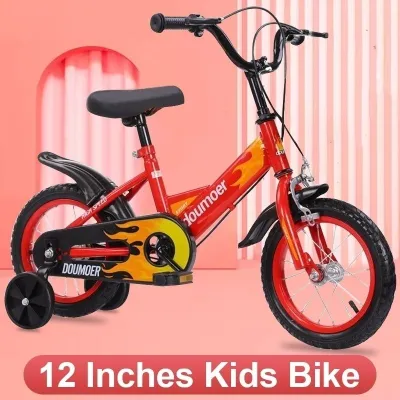
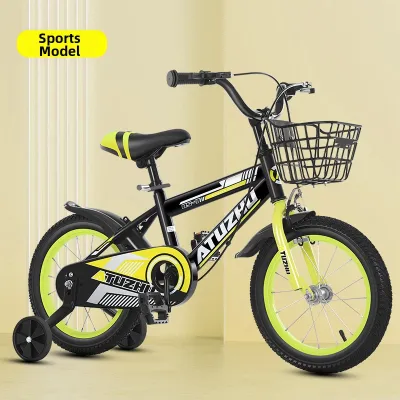
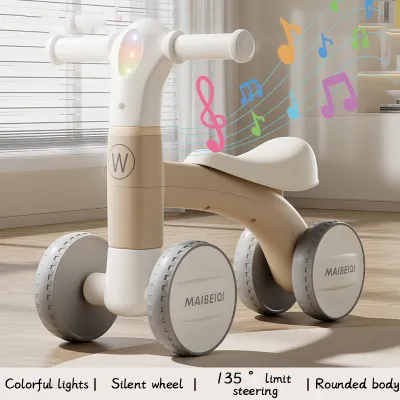
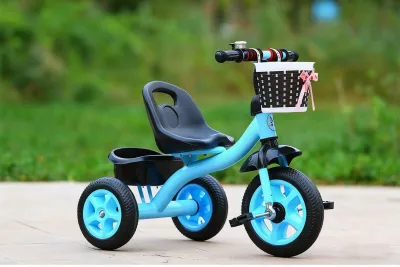
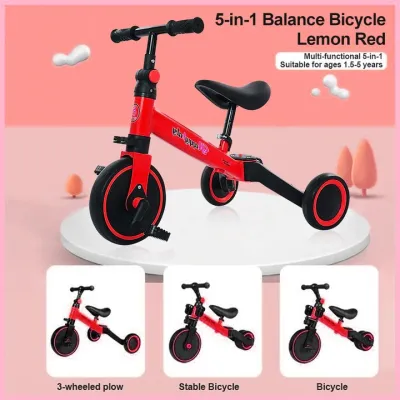
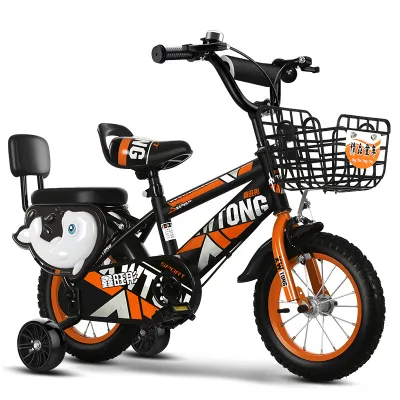
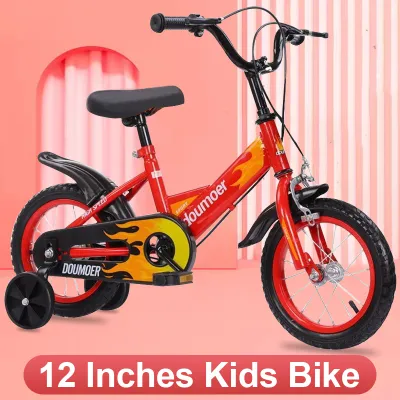
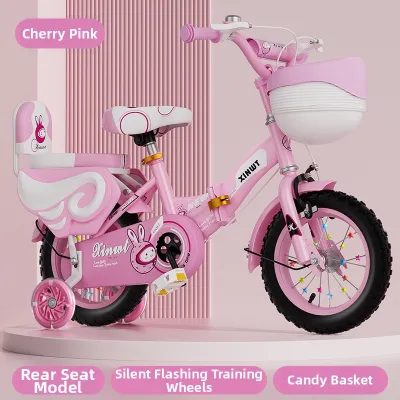
Prices are valid at publication and may change. Please refer to the product page for the latest price.
Balance bikes feature a simple design with no pedals, drivetrain, or training wheels. They are designed with a low center of gravity, allowing children to sit on the saddle and propel themselves forward by walking or running. This design isolates the most difficult aspect of riding a bicycle: steering and balance. By keeping their feet in constant contact with the ground, toddlers can intuitively learn how a bicycle leans and turns without the added complication of pedaling.
Pedal bikes for this age group are typically small-scale versions of adult bicycles, often equipped with removable training wheels. These bikes introduce pedaling mechanics and hand or coaster brakes early on. However, because they require several complex movements to happen simultaneously—pedaling, balancing, steering, and braking—they can sometimes overwhelm a three-year-old who is still mastering basic physical coordination.
Many youth cycling instructors recommend starting with a balance bike because mastering balance is significantly more difficult than learning to pedal. Children who start on balance bikes often transition directly to standard pedal bikes without ever needing training wheels. However, a pedal bike with training wheels might be suitable for taller, highly coordinated three-year-olds who have already spent a year gliding on a balance bike, or for children with specific physical therapy guidelines that require repetitive pedaling motions.
Knowing when to transition from a balance bike to a pedal bike depends entirely on observation. Look for key signs of readiness: your child should be able to glide with their feet completely off the ground for several seconds, steer confidently around obstacles, and use their body weight to lean into turns. If they can perform these actions easily, they are likely ready for a pedal bike.
Understanding Balance Bikes
Balance bikes excel at building core strength, spatial awareness, and bilateral coordination. Because there are no pedals in the way, toddlers can run naturally while straddling the frame, gradually transitioning to long, confident glides. This continuous feedback loop helps them develop a keen sense of how steering inputs affect their balance.
However, balance bikes do have limitations. They do not teach the physical circular motion of pedaling, which your child will eventually need to learn. Additionally, most balance bikes lack hand brakes, meaning children must rely on their shoes to slow down and stop. This can lead to rapid wear and tear on footwear, especially on rough concrete surfaces.
Understanding Pedal Bikes with Training Wheels
Traditional pedal bikes introduce children to the mechanics of continuous pedaling and the concept of mechanical braking systems. For children who lack the leg strength or confidence to run and glide, the stable platform of a pedal bike with training wheels can offer an immediate sense of security.
Despite this security, training wheels have a significant drawback: they teach children to lean away from the direction of a turn to stay upright. This creates counterintuitive muscle memory that must be unlearned later. Furthermore, training wheels can make the bike unstable on uneven pavement or when cornering too quickly, which can lead to unexpected tipping.
How to Measure Your Child for a Kids Bike (3 Years Old) Wheel Size and Fit
Using age as your sole guide when buying a bicycle often leads to a poor fit. Because children experience rapid and uneven growth spurts, physical measurements are the only reliable way to determine the correct wheel size and frame geometry. A bike that is too large will be heavy, difficult to control, and intimidating, while a bike that is too small can cause knee strain and awkward steering.

To find the perfect fit, you must measure your child’s inseam and overall height. Follow these steps to get accurate measurements before you start shopping.
- Step 1: Measure the Inseam. Have your child stand flat against a wall with their typical riding shoes on. Place a hardcover book between their legs, sliding it up gently until it mimics the pressure of a bike seat. Use a measuring tape to measure the distance from the top of the book down to the floor. This number is your child's standing inseam.
- Step 2: Measure Overall Height. While your child is still standing against the wall, measure from the floor to the very top of their head. Keep their heels flat on the ground and their back straight.
Once you have these measurements, you can map them to the appropriate wheel size. For most three-year-olds, 12-inch wheels are the industry standard. They offer a low standover height and a short wheelbase, making the bike highly maneuverable for small bodies.
Taller toddlers or those nearing their fourth birthday might fit a 14-inch wheel. This slightly larger size provides a smoother ride over cracks in the pavement and can extend the usable lifespan of the bike. However, 16-inch wheels are almost always too large, heavy, and unsafe for a three-year-old, as they make it impossible for the child to touch the ground safely or control the steering geometry.
To verify the fit in person, perform a quick physical check. For a balance bike, your child must be able to stand over the frame with both feet completely flat on the ground, with a slight bend in their knees to allow for a running stride. For a pedal bike, they should be able to touch the ground comfortably with their tiptoes while seated, allowing them to stabilize themselves when coming to a stop.
Use the following sizing table as a general reference to match your child’s measurements to the correct wheel size:
| Child Height Range | Inseam Range | Recommended Wheel Size | Suitable Bike Type |
|---|---|---|---|
| 85 to 95 cm | 30 to 38 cm | 12-inch | Balance Bike |
| 95 to 105 cm | 35 to 43 cm | 12-inch or 14-inch | Balance Bike or Small Pedal Bike |
| 105 cm and above | 40 cm and above | 14-inch | Pedal Bike (without training wheels) |
Crucial Bike Specs to Check for Toddler Safety and Control
Beyond selecting the right wheel size, you must evaluate several key specifications to ensure the bicycle is manageable and safe for a small child. Manufacturers design toddler bikes with various materials and components that directly impact how easy the bike is to ride and maintain.
- The Weight Rule: As a general safety benchmark, a child's bike should not weigh more than 30% of their total body weight. If your three-year-old weighs 14 kilograms, their bike should ideally weigh less than 4.2 kilograms. Heavy steel frames can be incredibly difficult for a toddler to lift, turn, or push up small inclines. Look for lightweight aluminum frames or high-quality composite materials to keep the bike manageable.
- Braking Systems: Traditional pedal bikes often use coaster brakes, which engage when the child pedals backward. While simple, coaster brakes can make it hard for a child to position their pedals correctly when starting. Many modern toddler bikes now feature scaled-down hand brakes with short-reach levers designed specifically for small, developing hands. If choosing a bike with hand brakes, verify that your child can easily squeeze the lever to bring the bike to a complete stop.
- Adjustability and Geometry: Look for a bike with a wide adjustment range for both the seat post and the handlebars so the bike can adapt to rapid growth spurts. Additionally, prioritize low step-through frame designs. A low top tube allows your child to mount and dismount the bike easily without tripping or losing their balance.
- Tire Type: Toddler bikes generally come with either pneumatic (air-filled) rubber tires or solid EVA foam tires. Pneumatic tires provide excellent traction, grip, and natural shock absorption on concrete, gravel, or dirt, making them ideal for outdoor park use. EVA foam tires are incredibly light and completely puncture-proof, but they offer very little grip on wet, smooth surfaces—a critical safety consideration during the rainy season in the Philippines.
Essential Safety Gear and Tips for the First Ride
Introducing your three-year-old to their new bike requires the right protective gear and a safe environment to prevent injuries and build positive associations with cycling. Always prioritize safety preparation before your child takes their first stride or pedal stroke.
- Helmet Fit: A certified cycling helmet is non-negotiable. To ensure a safe fit, use the "two-finger rule." The helmet should sit level on your child's head, with room for only two fingers between their eyebrows and the helmet rim. When buckled, the straps should form a clean "V" shape under the ears, and you should only be able to fit two fingers flat between the chin strap and your child's skin. Always consult the helmet manufacturer's instructions for specific adjustment guidelines.
- Additional Protective Gear: Ensure your child wears sturdy, closed-toe shoes. While lightweight tsinelas (flip-flops) are convenient for daily wear, they offer no foot protection and can easily slip off when a child uses their feet to brake or stabilize themselves. Lightweight, flexible knee and elbow pads can also prevent scrapes and boost your toddler's confidence as they learn to balance.
- Environment Selection: Choose a flat, smooth, and completely traffic-free area for early practice sessions. Covered barangay basketball courts, quiet subdivision cul-de-sacs, or paved park paths are excellent options. Avoid grassy areas or uneven dirt paths for the first few rides; these surfaces create high rolling resistance, making it incredibly difficult for a young child to build forward momentum.
- Parental Support Technique: When helping your child find their balance, avoid holding the handlebars or the bicycle seat. Doing so interferes with the bike's natural steering dynamics and prevents your child from feeling how the bike balances. Instead, support your child by gently holding their torso or under their arms. This keeps them secure while allowing the bicycle to move naturally beneath them, helping them develop correct balancing habits much faster.
Frequently Asked Questions (FAQ)
Can a tall 3-year-old skip the 12-inch bike and go straight to a 16-inch?
Skipping directly to a 16-inch bike is generally unsafe for a three-year-old, even if they are tall for their age. A 16-inch bike has a significantly longer wheelbase and a heavier frame, making it incredibly difficult for a toddler to steer, turn, or stop. Proper fit, control, and confidence are far more important than trying to get multiple years of use out of a single frame. Stick to a 12-inch or a highly adjustable 14-inch bike to ensure your child can ride safely and comfortably.
Is it a good idea to remove the pedals from a regular bike to make a DIY balance bike?
While removing the pedals from a small pedal bike works in theory, it rarely provides the same ergonomic benefits as a dedicated balance bike. Standard pedal bikes are designed with wider bottom brackets (the area where the pedals attach) to accommodate the drivetrain. When you remove the pedals, this wide metal housing remains, forcing your child to push their legs outward. This awkward position prevents a natural running stride and can cause them to repeatedly scrape their ankles on the frame.
Community discussion
Share your experience or ask a question. Comments are reviewed before publication.