
Choosing the right bicycle requires balancing your daily environment, personal fitness goals, and practical storage limits. In the Philippines, where road conditions range from smooth highways to unpredictable city streets with potholes and sudden downpours, choosing a bike is not a one-size-fits-all decision. The ideal choice depends on where you ride, how often you plan to travel, and how much gear you need to carry. By understanding the distinct advantages of road, mountain, hybrid, and folding bikes, you can make an informed investment that keeps you safe, comfortable, and motivated to ride.
Assess Your Riding Conditions and Lifestyle
Before stepping into a showroom, take a close look at your daily routine and the physical environment where you will ride. Your primary route dictates the level of durability and traction you need. If your commute consists of well-paved national roads, a lightweight setup is ideal. However, if your journey involves navigating broken asphalt, gravel patches, or flooded side streets during the rainy season, you will require wider tires and robust frame construction.
Storage and transportation are equally critical factors in your decision-making process. Living in a high-rise condominium or a compact apartment limits where you can safely keep a bicycle. If you need to bring your bike inside an office or combine your ride with public transit like the LRT or MRT, a bulky frame will quickly become a hassle. Consider how much space you can dedicate to storage and whether you need a bike that folds down into a compact package.
Products mentioned in this guide
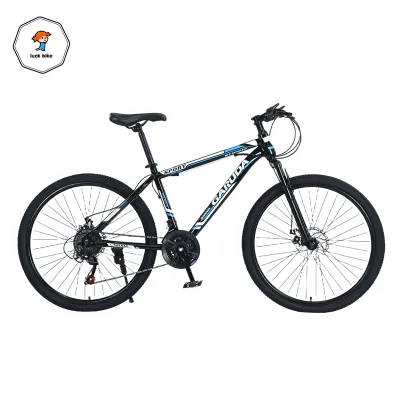
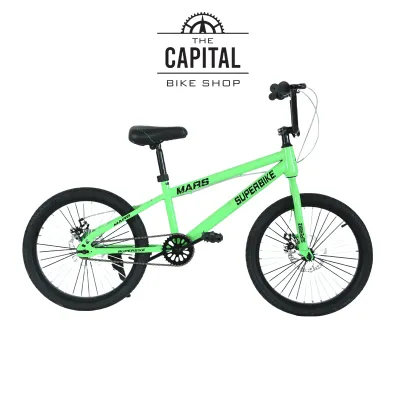
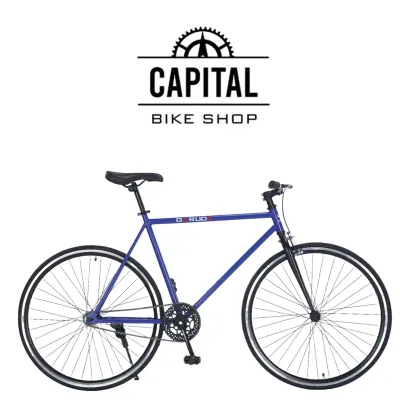
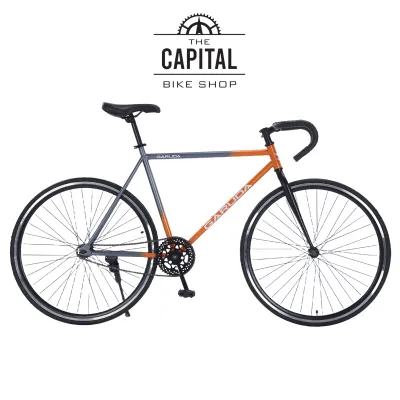
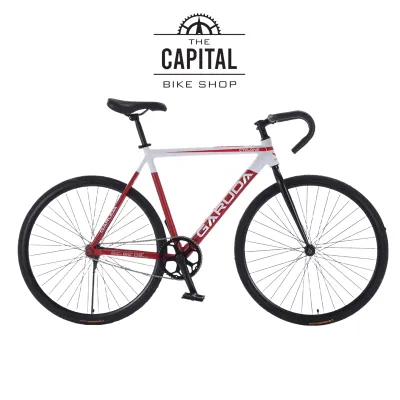
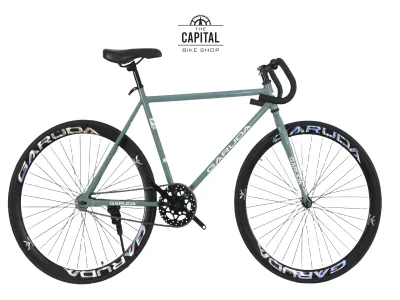
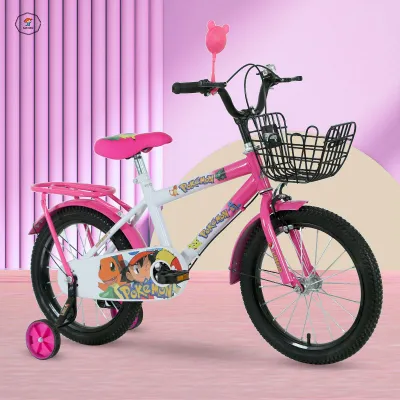
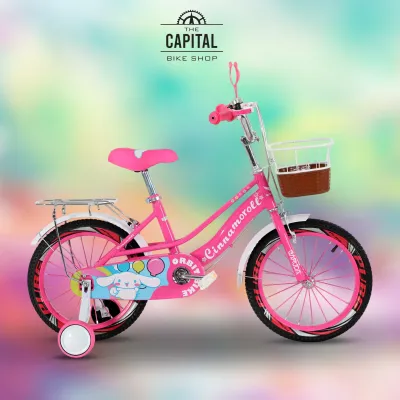
Prices are valid at publication and may change. Please refer to the product page for the latest price.
Finally, define your primary riding goal to prioritize the right design features. If your main objective is speed and cardiovascular fitness, an aerodynamic frame is highly beneficial. If you are commuting to work or running errands, cargo capacity and an upright, comfortable position are far more valuable. Identifying these priorities early prevents you from buying a specialized racing machine when what you actually need is a practical utility vehicle.
Compare the Main Bike Types for Local Roads
Each bicycle category is engineered to handle specific forces, surfaces, and rider demands. To find the right match, you must evaluate how different designs perform on the actual roads you plan to travel. The interaction between the tires, frame geometry, and suspension determines how much vibration reaches your body and how much control you maintain over uneven surfaces.

Tire width and suspension are your primary defenses against rough road surfaces. Narrow tires reduce rolling resistance on smooth pavement but offer very little shock absorption and can easily slip into road cracks. Wide tires hold a larger volume of air, allowing you to run lower tire pressures for a smoother ride and better grip on wet or unpaved surfaces. Suspension forks absorb heavy impacts on off-road trails, but they add significant weight and can sap your pedaling energy on flat, paved streets.
Riding posture directly affects your comfort, visibility, and control over longer distances. An aerodynamic, forward-leaning posture reduces wind resistance, allowing you to ride faster with less effort, but it places more strain on your wrists, neck, and lower back. An upright posture provides a wider field of view, which is crucial for spotting hazards in dense city traffic, and keeps your weight distributed comfortably over the saddle.
Frame weight and portability determine how easily you can manage your bike when you are not riding it. Lightweight aluminum or carbon fiber frames are easier to pedal uphill and carry up stairwells, but they often come at a higher price point. Folding mechanisms add versatility for multi-modal commuters, but they introduce hinge points that require regular inspection to ensure structural integrity over time.
Road and Hybrid Bikes for Paved Commutes
For riders who stick primarily to paved urban and suburban roads, road and hybrid bikes offer distinct approaches to efficiency and comfort. Choosing between them requires balancing your need for speed with your desire for stable, easy handling in traffic.
- Handlebar configuration: Road bikes feature curved drop bars that allow you to tuck your body forward to reduce wind resistance and offer multiple hand positions to prevent fatigue on long rides. Hybrid bikes utilize flat handlebars, which position your hands wider apart for maximum leverage, quicker steering response, and immediate access to brake levers when navigating tight spaces in local traffic.
- Tire clearance checks: When inspecting these bikes, look closely at the frame clearance around the wheels. Many modern road bikes are limited to narrower tires, whereas hybrid frames typically offer generous clearance. Choosing a frame that accommodates wider tires allows you to install puncture-resistant commuter tires, which are highly beneficial for handling road debris and wet asphalt.
Mountain and Folding Bikes for Versatility and Storage
If your riding routes include unpaved provincial roads, or if you face severe space constraints at home, mountain and folding bikes offer specialized solutions. Both types provide unique forms of versatility that cater to specific lifestyle demands.
- Suspension lockout features: Mountain bikes are built to withstand heavy abuse, featuring sturdy frames and front or full suspension. When riding a mountain bike on paved roads, a suspension fork with a lockout lever is highly advantageous. Locking the suspension prevents the fork from compressing when you pedal hard, ensuring your energy is transferred directly into forward motion rather than being wasted in vertical bounce.
- Hinge mechanisms and folded dimensions: Folding bikes prioritize portability above all else. Before purchasing, inspect the folding hinges, quick-release clamps, and safety latches to ensure they lock securely without play. Measure the folded dimensions of the bike to verify that it fits comfortably inside your car trunk, under your desk, or within your designated home storage area.
Verify Frame Fit and Essential Component Specs
No matter how advanced a bicycle is, it will not perform well if it does not fit your body. A poorly sized frame leads to discomfort, inefficient pedaling, and an increased risk of overuse injuries over time.
- Frame sizing: Always refer to the manufacturer's specific geometry and sizing charts rather than relying on general categories like small, medium, or large. Measure your height and inseam accurately, and compare them to the standover height and reach specifications of the frame. When standing over the top tube with both feet flat on the ground, you should have a clear gap of at least one to two inches for safety.
- Drivetrain gear range: Evaluate the terrain of your typical riding area to choose the right gear ratios. If you live in a hilly region or plan to tackle steep climbs, look for a drivetrain with a wide gear range, such as a compact double chainring or a wide-range single-chainring system with a large rear cassette. This ensures you have low enough gears to climb comfortably without straining your knees.
- Brake system maintenance: Consider the environmental conditions of your rides when choosing between rim and disc brakes. Rim brakes are lightweight, simple, and easy to maintain with basic tools, but their stopping power decreases significantly in wet or muddy conditions. Disc brakes, whether mechanical or hydraulic, provide consistent, powerful braking in all weather conditions, making them highly recommended for tropical downpours, though they require more specialized maintenance and alignment.
Test Ride and Finalize Your Purchase at a Capital Bike Shop
Once you have narrowed down your choices, visiting a physical capital bike shop is the most reliable way to finalize your decision. A hands-on evaluation allows you to verify the bike’s real-world feel and ensure you receive proper assembly and support.
- The physical test ride: When testing a bike at a capital bike shop, pay close attention to how the bike handles, shifts, and stops. Check the standover height, ensure you can reach the handlebars comfortably without overextending your back, and verify that your knees have a slight bend at the bottom of the pedal stroke. Shift through all the gears under load to check for smooth transitions and listen for any unusual noises.
- Assembly and tuning services: Inquire about the specific services included with your purchase. A reputable capital bike shop should provide professional assembly, cable tension adjustments, and a complimentary initial tune-up after a few weeks of riding, as new cables naturally stretch during the break-in period.
- Warranty and return policies: Before completing your transaction, carefully review the warranty terms for both the frame and the individual components. Clarify the shop's return, exchange, and warranty claim procedures so you know exactly how to handle any manufacturing defects or premature component wear.
Frequently Asked Questions (FAQ)
Do I need a suspension fork for riding in the Philippines?
- The suspension trade-off: A suspension fork is highly beneficial if you frequently ride on unpaved provincial roads, gravel trails, or exceptionally rough terrain, as it absorbs shocks and improves control. However, on paved city streets, a suspension fork adds unnecessary weight and absorbs your pedaling energy, making your ride more tiring.
- Observable checks: If your daily route is mostly paved with occasional minor bumps, a rigid fork paired with wider, lower-pressure tires will provide sufficient comfort while keeping the bike lighter and easier to maintain.
How should I allocate my budget between the bike and accessories?
- Mandatory safety gear: Before purchasing a bike, you must allocate a portion of your budget for essential safety items. A certified helmet, high-visibility front and rear lights, and a reliable lock are non-negotiable requirements for riding safely on public roads.
- Proportional allocation: A practical approach is to allocate approximately 70% to 80% of your total budget to the bicycle itself. Reserve the remaining 20% to 30% for your helmet, lights, basic repair tools (such as a hand pump, tire levers, and a spare inner tube), and comfortable riding apparel.
Community discussion
Share your experience or ask a question. Comments are reviewed before publication.