
Choosing the right billiard glove requires matching the glove’s finger coverage to your specific bridge style and taking precise hand measurements to ensure a snug, second-skin fit. A proper glove eliminates friction caused by humidity and sweat, allowing the cue shaft to glide smoothly without restricting your hand’s natural movement. By selecting the correct size and configuration, you can maintain a consistent stroke and improve your accuracy on the table.
Identify Your Bridge Technique and Friction Needs
Your bridge hand serves as the guiding platform for every shot you take. Before selecting a glove, observe your dominant bridge technique during a typical game. If you primarily use an open bridge, where the cue rests in the V-shape formed by your thumb and index finger, the friction is concentrated along a single channel. A closed bridge, however, wraps the index finger completely around the cue shaft, creating multiple contact points across your thumb, index, and middle fingers.
Personal friction issues dictate whether you need a glove or can rely on bare skin. In warm, tropical climates like the Philippines, high humidity levels in local pool halls often cause hands to sweat, making the cue shaft stick or jump mid-stroke. While some players use talcum powder to combat this moisture, it quickly creates a messy residue on the table felt and can clog the pores of your cue shaft. A high-quality billiard glove provides a clean, dry, and consistent barrier that remains unaffected by ambient humidity.
Products mentioned in this guide
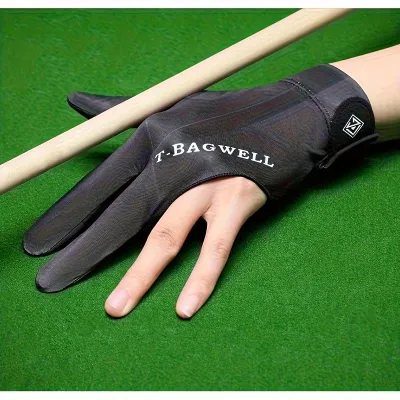
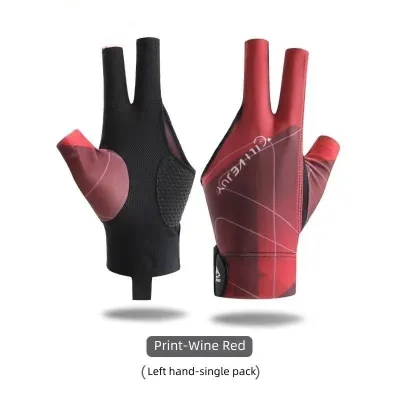

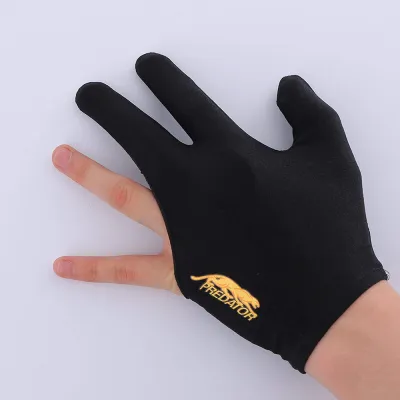
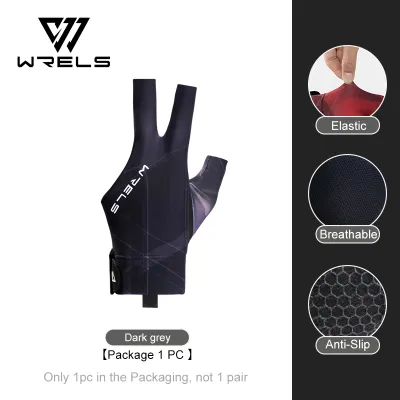
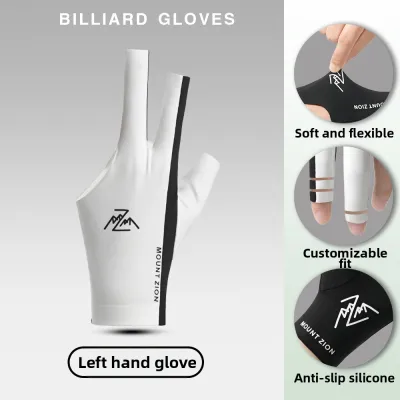
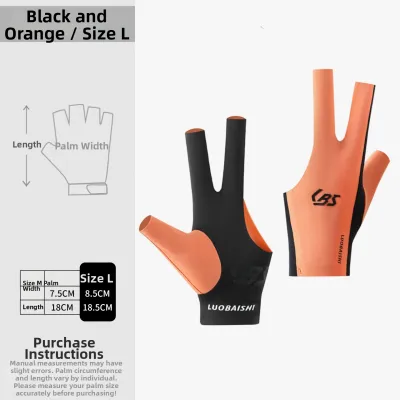

Prices are valid at publication and may change. Please refer to the product page for the latest price.
Define the primary goal of your glove before making a purchase. If your main struggle is a jerky stroke caused by sticky skin, your priority is maximizing the glide of the cue. If you struggle with hand stability on slick table felt, you may need a glove that incorporates grip pads on the palm. Understanding these specific needs ensures you select a model that enhances your physical technique rather than interfering with it.
Measure Your Bridge Hand and Match Manufacturer Sizing
An ill-fitting glove can ruin your game by restricting blood circulation or bunching up under the cue shaft. To find your correct size, you must measure your bridge hand accurately rather than guessing based on standard glove sizes. Use a flexible sewing tape measure to find the circumference of your hand. Wrap the tape around the widest part of your palm, just below the knuckles, excluding your thumb, and record the measurement in inches or centimeters.

Next, measure your finger length to ensure the glove sleeves do not pull tightly against your fingertips. Place the tape measure at the base of your middle finger on the palm side and extend it straight to the very tip of the finger. Keep your hand flat and relaxed during this process to avoid underestimating the required length. If you do not have a flexible tape measure, wrap a piece of string around your hand, mark the overlap point, and lay the string flat against a standard ruler.
Once you have your measurements, locate the manufacturer’s specific sizing chart on the product packaging or online listing. Sizing is not standardized across the billiards industry; a medium in one brand may easily fit like a small in another. If your measurements fall directly between two sizes, check the fabric’s stated stretch capacity. Highly elastic materials may allow you to size down for a snug fit, but if you prefer a less restrictive feel, size up and verify the retailer’s return policy in case an exchange is necessary.
Select the Right Finger Coverage for Your Grip
Billiard gloves generally come in two-finger or three-finger configurations, each catering to different bridge styles and tactile preferences. Two-finger gloves typically cover the thumb and index finger while leaving the middle, ring, and pinky fingers completely exposed. This design is highly suitable for players who primarily use an open bridge and want to maintain direct skin contact with the table felt for better stability and sensory feedback.
Three-finger gloves cover the thumb, index, and middle fingers, providing a complete fabric barrier for the primary contact points of a closed bridge. This configuration is the most popular choice because it offers comprehensive sweat protection and prevents the cue from rubbing against bare skin during high-speed strokes. The added coverage also helps stabilize the knuckles, reducing micro-movements that can throw off your aim.
Before finalizing your choice, pay close attention to the seam placement and sleeve length of the glove. High-quality models feature seams that run along the sides or back of the fingers, keeping the contact path of the cue completely smooth and unobstructed. Ensure the finger sleeves are long enough to cover your knuckles comfortably without pulling back when you form a tight, closed bridge.
Evaluate Fabric, Fit Features, and Adjustability
The materials used in a billiard glove directly influence its durability, breathability, and overall comfort during long playing sessions. Review the product specifications or fabric tags for high-performance synthetic blends, such as spandex, Lycra, or nylon. These materials provide the multi-directional stretch required for a snug, second-skin fit while allowing your skin to breathe. Many premium gloves also feature breathable mesh panels on the palm to help dissipate heat and moisture in humid environments.
Adjustability features are crucial for keeping the glove secure throughout a match. Look for models equipped with adjustable wrist straps, hook-and-loop closures, or wide elastic cuffs. A secure wrist closure prevents the glove from sliding forward or bunching up in the palm when you flex your hand. However, ensure the closure is not so tight that it restricts blood flow or causes hand fatigue after an hour of play.
Always verify the hand orientation of the glove before completing your purchase. Because a billiard glove is worn only on your bridge hand, right-handed players require a left-hand glove, while left-handed players require a right-hand glove. Some manufacturers offer ambidextrous models that can be worn on either hand, but dedicated left- or right-hand designs generally provide a superior, anatomically correct fit.
Test the Fit and Cue Glide Before Playing
Before committing to a new glove during a competitive match, perform a thorough dry run at home or on a practice table. Put the glove on and form both open and closed bridges repeatedly. Pay close attention to how the fabric behaves; it should stretch smoothly over your knuckles without bunching up in your palm or pulling tightly at your fingertips. If you feel any pinching or restriction in your finger movement, the glove is likely too small.
Next, take several practice strokes with your cue to observe how the shaft glides through your bridge. The movement should feel completely effortless, silent, and consistent from the start of your backswing to the follow-through. Check the cue shaft afterward to ensure the glove material does not transfer any synthetic residue, dye, or moisture onto the wood or carbon fiber surface.
Establish clear stop conditions to determine if the glove is unsuitable for your playstyle. If you experience persistent slipping on the table felt, hand numbness, or excessive sweating that cannot escape the fabric, stop using the glove immediately. These issues indicate a poor fit or low-quality materials. In such cases, you should check the price tags of alternative brands in local shops, adjust your bridge technique, or look for gloves with better ventilation features.
Frequently Asked Questions (FAQ)
Can I use a billiard glove on my dominant cueing hand?
Standard practice dictates wearing a billiard glove only on your bridge hand to ensure a smooth cue glide. Wearing a glove on your dominant cueing hand is generally unnecessary and can actually reduce your control over the cue. The dominant hand requires maximum tactile feedback from the cue’s wrap or handle to gauge shot power and spin accurately. Unless you are managing a specific skin condition or injury, keep your cueing hand bare and follow the manufacturer’s guidelines for single-hand usage.
How do I clean and maintain my billiard glove?
To prolong the lifespan of your billiard glove and maintain its smooth glide properties, you must clean it regularly to remove accumulated sweat, dirt, and chalk dust. Always check the manufacturer’s care label for specific washing instructions. As a general rule, hand wash the glove in cool water using a mild, liquid soap, avoiding harsh detergents or bleach that can degrade the elastic spandex fibers. Gently squeeze out excess water without wringing or twisting the fabric, and lay it flat to air dry away from direct sunlight or high heat sources.
Community discussion
Share your experience or ask a question. Comments are reviewed before publication.