
Finding the right BMX bike for your child in the Philippines involves balancing safety, durability, and physical fit. With local neighborhoods, barangay basketball courts, and dedicated pump tracks serving as the ultimate playgrounds, a bike must withstand both enthusiastic riding and the challenges of a tropical climate. Selecting the perfect model requires moving beyond age recommendations on a box and looking closely at frame geometry, wheel size, and component materials.
Understanding BMX Bike Sizing and Fit for Children
To determine the correct BMX bike size, physical measurements must always take precedence over age guidelines. Children of the same age can vary significantly in height and limb length, meaning a generic age chart can easily lead to an uncomfortable or unsafe ride. The primary measurement to consider is the wheel size, which ranges from 12 inches for the youngest riders up to the standard 20 inches for older kids and teenagers.
Measuring your child’s inseam is the most reliable way to ensure a proper fit. Have your child stand flat-footed against a wall wearing their typical riding shoes, and measure the distance from their crotch straight down to the floor. Compare this measurement to the bike’s standover height, which is the distance from the ground to the top of the top tube. For safety, there must be at least 1 to 2 inches of clearance between the top tube and the child’s crotch when standing over the bike. This physical gap prevents painful impacts if the child slips off the seat or has to stop suddenly.
Products mentioned in this guide
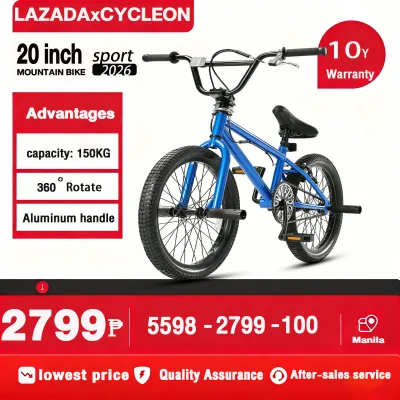
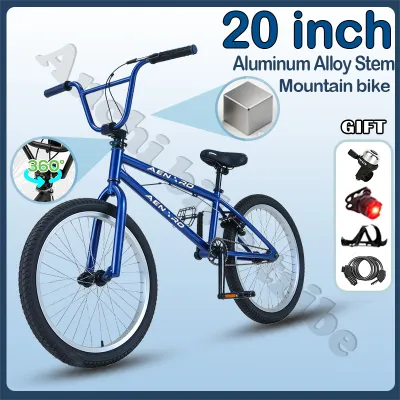
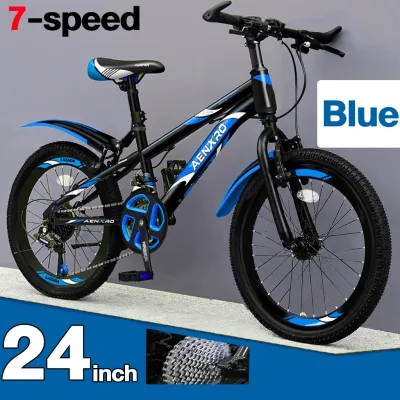
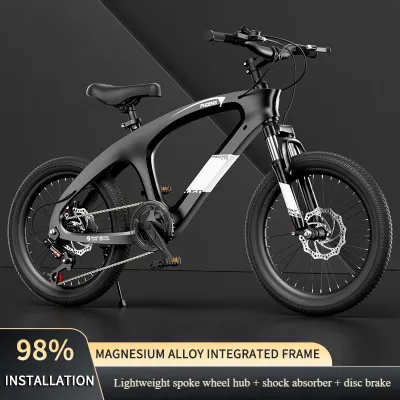
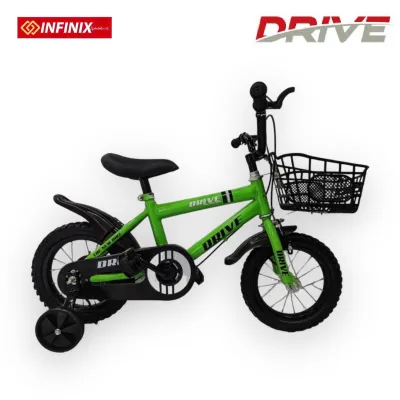
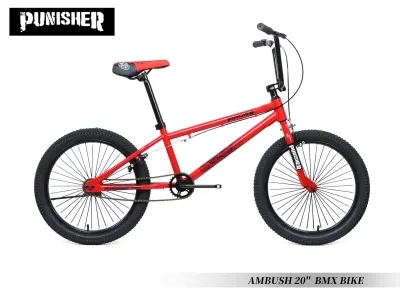

Prices are valid at publication and may change. Please refer to the product page for the latest price.
The top tube length, which measures the distance from the seat post to the center of the handlebars, is equally critical for control. If the top tube is too long, the child will be forced to stretch forward excessively, which strains their back, shoulders, and wrists. This overextended posture severely limits their steering leverage and makes it difficult to lift the front wheel over obstacles. Conversely, a top tube that is too short will cause the child’s knees to hit the handlebars during sharp turns, compromising balance and maneuverability.
Matching BMX Bikes to Age Groups and Skill Levels
BMX bikes are not simply scaled-down versions of adult bicycles; their frame geometry and weight distribution are specifically engineered for different stages of physical development and riding styles. As a child progresses from basic neighborhood cruising to learning tricks at a local skatepark, the design of the bike must evolve to support their goals. Beginner bikes prioritize stability and ease of pedaling, while advanced models feature steeper angles and shorter wheelbases to facilitate spins, hops, and rapid direction changes.

The overall weight of the bike is a critical factor that directly impacts safety and handling. A bike that is too heavy will quickly exhaust a young rider, making it difficult for them to pedal up small inclines, lift the front wheel, or maintain balance at slow speeds. As a general rule, a child’s bike should weigh no more than 30% to 40% of their total body weight. While high-tensile steel is common and affordable, lightweight aluminum frames are often preferred for younger children who are still building their physical strength and coordination.
Toddlers and Young Beginners (Ages 2–5)
For toddlers and young beginners aged 2 to 5, the primary focus is developing balance, steering, and spatial awareness. Balance bikes, which feature a low-slung frame without pedals or chains, are the ideal starting point. These bikes allow toddlers to push off the ground with their feet, learning how to balance on two wheels naturally before introducing the complexity of pedaling.
When evaluating micro-mini BMX frames with 12-inch wheels, look for lightweight aluminum construction and simple, low-maintenance components. Drivetrains should be single-speed and equipped with a fully enclosed chain guard to prevent small fingers, shoelaces, and clothing from getting caught in the chain or covered in grease. Avoid heavy steel frames in this category, as they can make the bike frustratingly difficult for a toddler to maneuver or pick up after a fall.
A child is ready to transition from a balance bike to a pedal-driven BMX when they can coast smoothly with their feet lifted off the ground for several seconds, steer around obstacles with confidence, and follow basic safety instructions. Additionally, they should demonstrate sufficient hand strength to squeeze a brake lever effectively if the bike is equipped with a hand brake.
Early Riders and Intermediate Kids (Ages 6–9)
Children aged 6 to 9 are typically ready for 16-inch or 18-inch BMX bikes, which offer a balanced combination of stability and agility. At this stage, riders are beginning to explore basic park riding, riding over dirt mounds, and attempting introductory tricks like small hops or standing up while pedaling.
One of the most important decisions for this age group is the transition from coaster brakes (which engage when pedaling backward) to hand brakes. While coaster brakes are intuitive for beginners, they can lock up unexpectedly during tricks and prevent the rider from back-pedaling to adjust their foot position. Transitioning to a responsive rear hand brake (such as a V-brake or U-brake) allows the child to develop proper braking modulation and prepares them for advanced riding techniques.
Pay close attention to the crank length and pedal design on intermediate bikes. Shorter crank arms, typically between 120mm and 140mm, are essential to match the shorter leg stroke of children in this age bracket, preventing joint strain and keeping the pedals from striking the ground during tight turns. Pedals should feature molded plastic pins or textured surfaces that provide reliable grip for rubber-soled shoes, especially during humid or damp riding conditions.
Older Kids and Advanced Riders (Ages 10–14)
Older kids and advanced riders aged 10 to 14 are ready for standard 20-inch expert or pro-sized BMX frames. These bikes are built to handle high-impact landings, street riding, and competitive track racing. The geometry becomes much more specialized, with shorter chainstays for easier manualing and steeper head tube angles for quick steering response.
At this level, the durability of the frame materials and components is paramount. Look for frames, forks, and handlebars constructed from seamless chromoly (Cr-Mo) steel, which offers an exceptional strength-to-weight ratio and can absorb heavy impacts without cracking. Sealed bearings in the headset, bottom bracket, and wheel hubs are also crucial, as they keep out dirt, dust, and moisture, ensuring smooth rotation and reducing the need for frequent maintenance.
As children experience rapid growth spurts during these years, the cockpit of the bike must be adjustable. Parents can fine-tune the riding posture by changing the handlebar rise or swapping out the stem for a top-load or front-load design. This ensures the rider remains centered over the bottom bracket, maintaining optimal control and preventing back fatigue during long sessions at the local park.
Key Frame and Component Features to Evaluate
When shopping for a kids’ BMX bike, understanding the materials and components will help you make an informed investment. High-tensile steel (often labeled as hi-ten) is highly durable and cost-effective, but it is heavy and susceptible to rust if the paint is scratched in humid tropical environments. Chromoly steel is lighter, stronger, and more resilient, making it the preferred choice for intermediate to advanced riders. Aluminum is exceptionally lightweight and rust-proof, making it ideal for racing and younger riders, though it lacks the extreme impact resistance required for heavy street riding.
Braking systems must be matched to the child’s physical capabilities. Coaster brakes are simple but limit control. If choosing hand brakes, verify that the brake levers are short-reach designs specifically sized for smaller hands, allowing the child to apply full stopping power without straining. A high-quality rear U-brake is the standard for freestyle BMX, as it is tucked away safely under the seat stays to prevent damage during falls.
Cranks are available in one-piece, two-piece, or three-piece configurations. One-piece cranks are made from a single bent steel rod; they are inexpensive but prone to bending under heavy loads and require frequent adjustment. Three-piece cranks feature a separate spindle and two independent crank arms, offering vastly superior strength, smoother rotation, and easier replacement of individual parts.
Tire selection should reflect the primary riding surface. Smooth, wide tires (typically 2.1 to 2.4 inches) with minimal tread are designed for concrete skateparks and paved streets, offering maximum grip and rolling speed. Knobby tires with deep tread patterns are necessary for dirt tracks, loose gravel, and grassy fields, providing the traction needed to prevent sliding out on loose corners. Ensure the tires are inflated to the recommended pressure range printed on the sidewall to prevent pinch flats.
Essential Safety Gear and Riding Boundaries
Safety equipment is the most critical component of any riding session. A properly fitted, certified helmet (such as CPSC or EN1078) is mandatory every time your child gets on the bike. The helmet must sit level on the head, covering the forehead, with the chin strap adjusted snugly so that no more than two fingers can fit between the strap and the chin. Replace any helmet immediately after a single hard impact, even if there are no visible cracks, as the internal protective foam may be permanently compromised.
In addition to a helmet, joint protection is highly recommended for developing riders. Knee and elbow pads shield against painful abrasions on concrete surfaces, while lightweight gloves protect palms and improve grip on sweaty handlebars. Children must always wear closed-toe shoes with flat, grippy rubber soles—such as skate shoes—to maintain a secure connection with the pedals and protect their toes from impacts.
Establishing clear riding boundaries is essential for preventing accidents. Keep young riders away from busy public roads, driveways, and areas with heavy pedestrian traffic. In the Philippines, sudden tropical downpours can quickly turn concrete surfaces slick and fill potholes with water, hiding deep hazards. Establish a strict rule that riding must stop immediately during heavy rain, high winds, or lightning storms.
Parents should also monitor their child for signs of physical fatigue. Exhaustion leads to a drop in concentration, slower reaction times, and sloppy steering, which are the primary causes of avoidable falls. Teach your child to recognize when they are tired and establish regular rest breaks, especially during hot and humid days, to ensure they stay hydrated and alert.
Purchasing Checklist and Store Verification
Before purchasing a BMX bike, whether in person or online, use this checklist to verify its safety and quality. Perform a thorough pre-ride inspection by checking that the stem bolts, axle nuts, and crank bolts are securely tightened. Squeeze the tires to verify they are inflated to the correct pressure, and spin the wheels to ensure they are aligned and do not rub against the brake pads. Test the brake levers to confirm they engage smoothly and stop the wheels instantly.
If buying from a local bike shop, ask the staff if they perform a professional assembly and pre-delivery safety inspection. Inquire if they offer a complimentary tune-up after the initial break-in period, as cables and spokes often stretch slightly during the first few weeks of riding. Ask about the manufacturer’s warranty coverage on the frame and forks.
When ordering from an online marketplace, carefully verify the seller’s return policy and shipping protection to ensure you are covered if the bike arrives damaged. Check if the bike comes partially assembled and what specific tools (such as a pedal wrench or hex keys) will be required to complete the setup safely. Always check the manufacturer’s official product label or manual to confirm the maximum weight and height limits before finalizing your purchase.
Frequently Asked Questions (FAQ)
Can a child ride a standard 20-inch BMX bike if they are tall for their age?
Yes, but only if their physical measurements support it. The child’s inseam must allow them to stand flat-footed over the top tube with at least an inch of clearance. If the frame is too long, they will have to stretch excessively to reach the handlebars, which severely compromises their steering control, balance, and braking ability, increasing the risk of accidents.
How often should the bike's bolts and brakes be checked?
You should perform a quick visual and physical check before every single ride to ensure the wheels are secure and the brakes function properly. Conduct a comprehensive inspection every month, using tools to check the tightness of the crank bolts, stem clamps, and pedal spindles, and inspect the brake pads for uneven wear or debris.
Is it better to buy a slightly larger bike for the child to grow into?
No, buying an oversized bike is a safety hazard. A bike that is too large makes it difficult for the child to control, balance, and stop safely, which can quickly shatter their confidence and lead to severe falls. It is always safer to buy a bike that fits their current measurements perfectly and transition to a larger size when they outgrow it.
Community discussion
Share your experience or ask a question. Comments are reviewed before publication.