
Selecting the ideal Bob scooter for a child or beginner requires balancing physical development with the specific features of each scooter type. The right choice ensures a safe, confidence-building introduction to riding, while an mismatched model can lead to frustration or avoidable falls. For the youngest riders and absolute beginners, a three-wheel kick scooter with a lean-to-steer mechanism provides the necessary stability to learn basic coordination. As balance and confidence grow, transitioning to a two-wheel kick scooter allows for greater maneuverability and skill progression. Electric models introduce motorized speed and mechanical complexity, making them suitable only for older, more experienced riders who can manage throttle controls and rapid braking. By evaluating a beginner’s current motor skills, physical size, and the riding environment, you can select a scooter that offers the perfect blend of safety, durability, and outdoor fun.
Quick Guide: Matching Bob Scooter Styles to Skill Levels
To make an informed decision, it is helpful to categorize beginners by their developmental stages rather than relying solely on age labels. Toddlers and preschoolers who are still developing their gross motor skills benefit most from a three-wheel configuration. These models stand upright on their own, allowing young children to focus on the motion of pushing off and steering without the constant challenge of maintaining lateral balance. The extra wheel at the front or rear provides a stable platform that minimizes tipping, making it an excellent starting point for children who are just learning to coordinate their feet and hands.
As children reach school age, typically around five to seven years old, their balance and bilateral coordination improve significantly. This is the ideal stage to introduce a two-wheel kick scooter. Riding a two-wheel model requires the user to maintain continuous forward momentum to stay upright, which actively engages their core muscles and refines their sense of equilibrium. If a child can easily balance on one foot for several seconds, run with fluid coordination, and steer a three-wheel scooter at high speeds without losing control, they are likely ready to transition to a two-wheel model.
Products mentioned in this guide
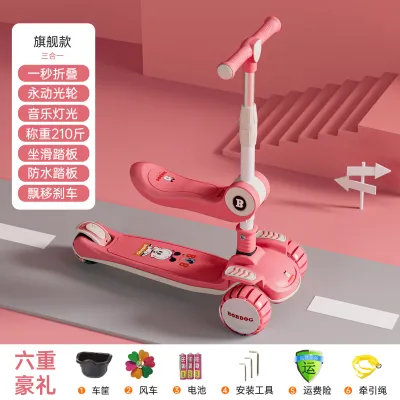
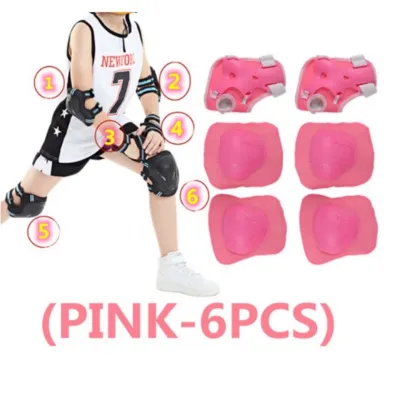



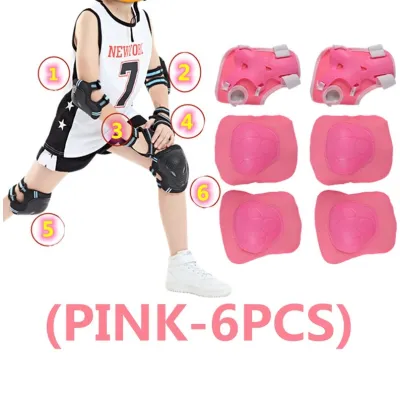
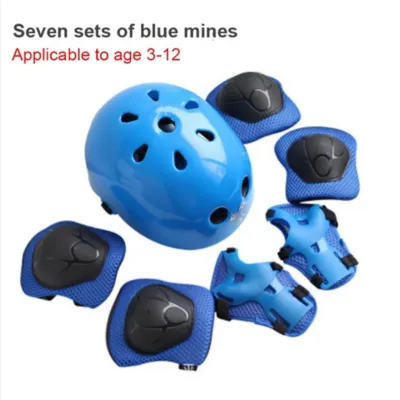
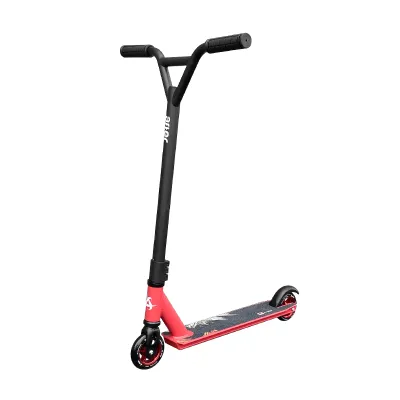
Prices are valid at publication and may change. Please refer to the product page for the latest price.
For pre-teens and older beginners, the choice often expands to include electric scooters. These motorized options require a higher level of cognitive maturity and physical reaction time. Riders must be capable of managing speed, understanding braking distances, and navigating obstacles safely. It is crucial to remember that individual physical development, confidence, and spatial awareness are far more important than general age recommendations. A cautious older child may feel more secure starting on a manual two-wheel kick scooter before stepping up to an electric version, whereas a highly active younger child might still need the physical boundaries of a kick scooter to prevent them from riding too fast.
3-Wheel vs. 2-Wheel Bob Scooters: Stability and Steering
The fundamental difference between three-wheel and two-wheel scooters lies in how they steer and support the rider’s weight. Most three-wheel scooters utilize a “lean-to-steer” mechanism. Instead of turning the handlebars directly to change direction, the rider leans their body weight to the left or right, which causes the front wheels to pivot gently. This design is highly intuitive for young beginners because it mirrors the natural body movements used when running or turning. It also prevents sharp, sudden turns that can cause the scooter to jackknife and throw the rider forward, making it a much safer option for children who are still mastering their reflexes.

In contrast, two-wheel scooters feature direct handlebar steering, similar to a bicycle. The handlebars turn the front wheel directly, allowing for much sharper turns and greater agility. While this offers a more dynamic and exciting ride, it demands a higher level of hand-eye coordination and balance. A beginner on a two-wheel scooter must learn to make micro-adjustments to their steering to stay upright, especially at lower speeds where balance is harder to maintain. The direct steering mechanism can be unforgiving if turned too sharply at high speeds, highlighting the need for gradual practice in a controlled environment.
Deck width and wheelbase dimensions also play a critical role in stability. Three-wheel scooters typically feature a wider deck and a broader front wheelbase, providing ample space for a child to stand with both feet side-by-side when coasting. This wide stance lowers the center of gravity and makes the scooter feel incredibly secure. Two-wheel scooters have narrower decks designed for inline foot placement, where one foot stands behind the other. This requires the rider to constantly adjust their stance and balance, which can be tiring for absolute beginners but is essential for developing advanced riding skills.
For parents, portability and weight are practical factors that cannot be overlooked. During family outings to local parks, community centers, or shopping malls, children often tire of riding, leaving parents to carry the equipment. Three-wheel models, with their wider wheelbases and steering linkages, tend to be bulkier and slightly heavier than basic two-wheel kick scooters. Many modern two-wheel models feature lightweight aluminum frames and quick-folding mechanisms, making them much easier to carry over the shoulder or stow in the trunk of a car. When selecting a model, consider how often you will need to transport the scooter and whether a folding design is necessary for your lifestyle.
Kick vs. Electric Bob Scooters: Safety and Age Boundaries
Choosing between a manual kick scooter and an electric model is a decision that directly impacts rider safety and the learning curve. Manual kick scooters rely entirely on human power, meaning the rider controls their speed directly through physical effort. This natural speed limitation makes kick scooters inherently safer for beginners, as they are unlikely to reach speeds that exceed their reaction times or ability to stop. Pushing a kick scooter also provides excellent physical exercise, helping beginners build leg strength, cardiovascular endurance, and overall physical stamina.
Electric scooters introduce a motorized drive system, which changes the safety dynamic entirely. Entry-level electric models designed for beginners typically feature lower speed limits, but they still travel significantly faster than a child can kick. When evaluating an electric model, it is vital to check the throttle type and braking system. Some models use a simple push-button throttle that provides a single speed, while others feature a variable twist throttle that requires precise hand control. For beginners, a push-button throttle with a low maximum speed is often easier to manage. Additionally, verify that the braking system is highly responsive; many electric models combine an electronic motor brake with a physical rear fender brake for redundant stopping power.
Manufacturer specifications regarding minimum age, weight, and height must be strictly adhered to when considering an electric scooter. These limits are established based on the physical strength required to steer a heavier motorized frame and the cognitive ability to handle increased speeds. Electric scooters are significantly heavier than kick scooters due to the battery and motor, making them harder to maneuver if the power runs out or if the rider loses control. Introducing an electric scooter to a child who does not meet the physical height or weight requirements can lead to difficulty steering and an increased risk of accidents.
Environmental factors and maintenance are also key considerations, particularly in tropical climates like the Philippines. High humidity, intense heat, and sudden tropical downpours can take a toll on scooter components. Manual kick scooters require minimal maintenance, mostly limited to keeping the wheels clean and dry. Electric scooters, however, require careful battery management and protection from moisture. Before purchasing, verify the manufacturer’s guidelines regarding water resistance and battery storage. Electric components should never be exposed to heavy rain or deep puddles, as water ingress can damage the battery and electronics. Charging must always be done under adult supervision in a cool, dry place to ensure safety and prolong the battery’s lifespan.
Essential Safety and Fit Features to Verify Before Purchase
Before finalizing your purchase, it is essential to conduct a thorough physical inspection of the scooter to ensure it fits the rider and meets basic safety standards. The first feature to verify is the handlebar height adjustment range. A scooter that is too tall or too short will force the rider into an awkward, unergonomic posture, compromising their balance and control. Ideally, when the rider stands on the deck, the handlebars should align with their hip or waist level, allowing their elbows to bend slightly. Look for models with adjustable T-bars that secure with both a push-button pin and a heavy-duty collar clamp to prevent the handlebars from slipping during a ride.
The braking system is another critical component that requires close inspection. For young beginners, a rear fender brake—which is activated by stepping down on the rear wheel guard—is the most common and intuitive option. Ensure the fender is wide enough for the child’s foot to find easily without looking down. For older beginners or those using electric models, hand brakes mounted on the handlebars provide familiar, bicycle-style stopping power. However, you must verify that the brake levers are designed for smaller hands; they should have a short reach and be easy to squeeze with minimal hand strength.
Deck traction is vital for preventing slips and falls, especially in humid conditions where sweat or light moisture can make surfaces slick. Inspect the top of the deck for high-quality grip tape or a deeply textured, non-slip rubber surface. A smooth or poorly textured deck can cause the rider’s feet to slide off while pushing or turning, leading to a loss of control. Additionally, check the underside of the deck and the overall frame construction. Look for sturdy materials like aircraft-grade aluminum or reinforced fiberglass composites that can support the rider’s weight without flexing excessively.
Finally, always locate and verify the maximum weight capacity label on the scooter. Exceeding the manufacturer’s weight limit can compromise the structural integrity of the frame, cause the wheels to wear out prematurely, and affect the performance of the brakes. When comparing different models, check that the price in ₱ reflects high-quality materials and robust safety certifications rather than just cosmetic features like colorful lights or decorative decals. Investing in a well-constructed scooter with verified safety features ensures a safer riding experience and a longer lifespan for the equipment.
Pre-Ride Safety Checks and Beginner Practice Steps
Safety does not end with choosing the right scooter; establishing a proper pre-ride routine and practice plan is crucial for preventing injuries. Before the rider even steps onto the deck, they must be equipped with appropriate protective gear. A properly fitted helmet is non-negotiable. The helmet should sit level on the head, covering the forehead, and the chin strap should be adjusted so that no more than two fingers can fit between the strap and the chin. In addition to a helmet, beginners should wear knee pads, elbow pads, and wrist guards to protect against the inevitable scrapes and bumps that occur during the learning process.
Choosing the right practice environment is just as important as wearing the correct gear. For the first few sessions, seek out a flat, paved, and completely dry area that is entirely free of vehicular traffic. In the Philippines, quiet subdivision streets, empty barangay basketball courts, or designated paved paths in local parks are excellent choices. Avoid areas with steep inclines, loose gravel, sand, or wet leaves, as these surfaces can cause the wheels to slip or slide. Ensure the practice area is dry, as wet concrete or asphalt significantly reduces tire traction and increases braking distances.
Once a safe environment is secured, guide the beginner through basic, low-speed drills before letting them ride freely. Start by practicing the correct mounting posture: one foot placed firmly in the center of the deck, pointing forward, while the other foot remains on the ground. Have the beginner practice pushing off gently with their ground foot and coasting for a few meters to get a feel for the balance. Teach them how to steer using gentle, gradual movements rather than sharp turns.
The most critical skill to master early on is stopping. Before building up speed, the rider must practice locating and applying the rear fender brake or hand brake. Have them perform repeated stopping drills at slow speeds until the motion becomes a reflex. Encourage them to keep their eyes looking forward rather than down at their feet, which helps maintain balance and allows them to spot potential obstacles early. Only when the beginner can push, steer, and stop confidently should they be allowed to ride at faster speeds or explore larger areas.
Frequently Asked Questions (FAQ)
At what age should a child transition from a 3-wheel to a 2-wheel scooter?
Most children are ready to transition from a three-wheel to a two-wheel scooter between the ages of five and seven, but physical milestones are more reliable than age. Look for signs of readiness, such as the ability to balance on one foot for five seconds, steer a three-wheel scooter confidently at higher speeds, and navigate turns without tipping. The child’s own confidence and interest in a faster, more agile ride are also key indicators that they are ready for the challenge of a two-wheel model.
How do I maintain the wheels and bearings of a kick scooter?
Regular maintenance keeps a kick scooter rolling smoothly and safely. Perform a visual inspection before each ride, checking the wheels for flat spots, cracks, or embedded debris like small stones. To clean the bearings, wipe the outside of the wheels with a damp cloth to remove dirt and dust, but avoid spraying water directly into the wheel hubs. Water can rust the internal steel bearings, causing them to seize. If the wheels do not spin freely or make a grinding noise, they may need to be cleaned and lubricated with a specialized bearing oil or replaced.
Are electric scooters safe for young beginners?
Electric scooters can be safe for older beginners, but they are generally not recommended for very young children due to the speeds they can reach and the physical strength required to control them. Always check the manufacturer’s minimum age and weight recommendations, which often specify ages eight or older for entry-level electric models. Young beginners using electric scooters require constant adult supervision, a speed-limiting setting if available, and a clear understanding of how to operate the throttle and brakes safely before riding.
Community discussion
Share your experience or ask a question. Comments are reviewed before publication.