
Choosing a boxing music machine requires evaluating your physical space, training intensity, and software preferences. These wall-mounted, interactive fitness devices use light-up targets synchronized to music beats, turning a high-intensity cardio workout into an engaging, rhythm-based game. To find the right model for your home, you must look beyond flashy marketing videos and analyze concrete hardware specifications, mounting requirements, and software ecosystems.
Assess Your Training Goals and Available Space
First, measure your wall space. A typical machine requires a clear vertical and horizontal wall area of at least one square meter. However, the physical footprint of the device is only part of the equation. You must also account for a safe clearance zone. Ensure there is at least 1.5 to 2 meters of open floor space in front of and around the machine. This buffer zone prevents you from colliding with furniture, fans, or walls during dynamic footwork and lateral movements.
Consider the structural integrity of your walls. In many homes, interior walls are constructed from solid concrete or concrete hollow blocks, while others use lightweight drywall or plywood partitions. A heavy, wall-mounted machine subjected to continuous high-impact strikes requires a highly secure anchor. Mounting a heavy unit on thin drywall without finding the underlying wooden or metal studs can lead to severe wall damage and equipment failure.
Products mentioned in this guide
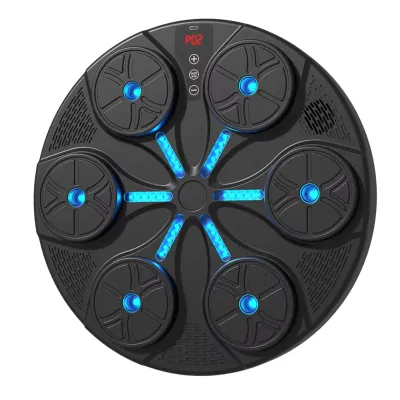
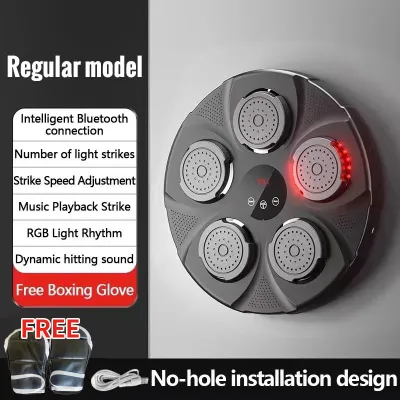
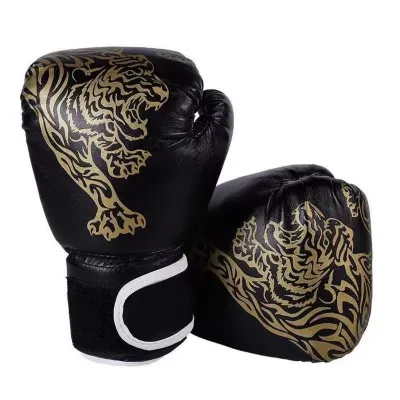
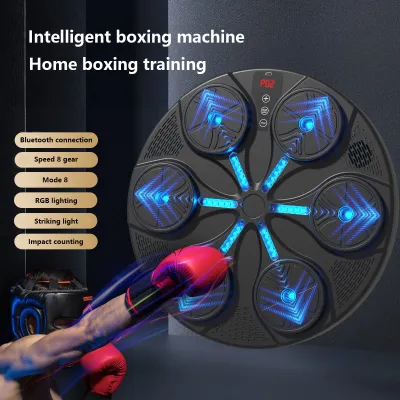
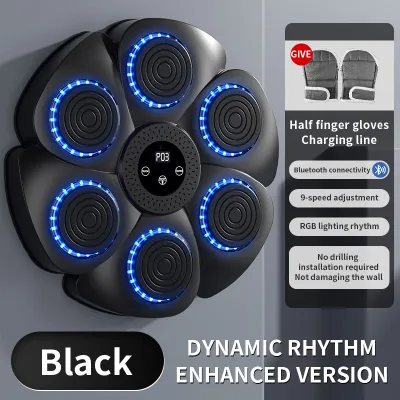
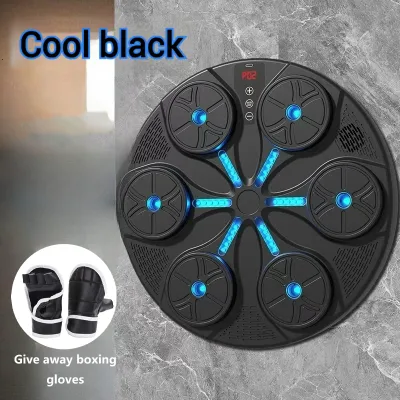
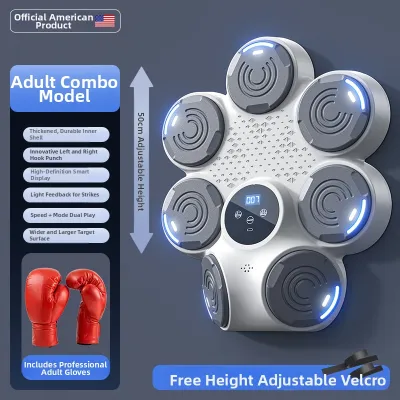
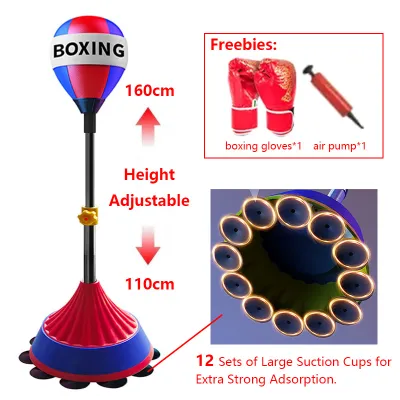
Prices are valid at publication and may change. Please refer to the product page for the latest price.
Your training intensity dictates the level of hardware responsiveness you need. If your goal is casual cardio, stress relief, or family-friendly rhythm games, a standard entry-level machine with basic pressure sensors will suffice. However, if you are looking to practice high-velocity combinations, you will require advanced sensors that register rapid, consecutive strikes without lagging.
Do not overlook electrical safety and cable routing. Most boxing music machines require a continuous power connection via a USB cable or a standard wall adapter. Identify the nearest power outlet before purchasing. Avoid stretching cables across high-traffic walkways where they present a tripping hazard. If the cable must run along the wall, use adhesive cable clips or plastic conduits to secure it neatly out of the way.
In tropical climates characterized by high humidity and heat, ventilation is critical for both the user and the electronics. Position your training corner in an area with good airflow, ideally near an electric fan or an air conditioning unit. High humidity can also affect the adhesion of temporary mounting solutions, such as double-sided velcro tape, making mechanical wall anchors a much safer choice for long-term stability.
Evaluate Core Hardware Features
The layout and number of strike pads directly influence your workout variety. Most consumer models feature either a 6-pad or a 9-pad configuration. A 6-pad layout is excellent for beginners and intermediate users, offering straightforward target patterns that are easy to track visually. A 9-pad layout increases the complexity of the training, requiring faster reaction times and wider arm extensions, which is ideal for advanced users seeking a more intense cognitive and physical challenge.

Examine the pad surface materials and internal cushioning layers. High-quality machines typically utilize a combination of ethylene-vinyl acetate (EVA) foam, silicone, and polyurethane (PU) leather. These materials are designed to absorb the kinetic energy of your punches, protecting your knuckles, wrists, and elbows from repetitive strain. Before buying, check the manufacturer’s product specifications to verify the thickness of the shock-absorbing layers.
Installation methods vary widely and must match your living situation. If you live in a rented apartment or condominium where drilling into walls is prohibited, look for machines that support heavy-duty adhesive velcro straps or hanging brackets that hook over doors. For homeowners, a permanent installation using expansion bolts or screws drilled directly into concrete or wall studs offers the highest level of stability and minimizes vibration noise.
Vibration and noise transmission are significant factors, especially in multi-family residential buildings. Every strike on a wall-mounted machine sends acoustic vibrations through the wall structure, which can disturb neighbors or family members in adjacent rooms. To mitigate this, look for models that include thick foam backing pads designed to dampen sound, or consider a freestanding frame that isolates the impact forces from the wall entirely.
Compare Software and Connectivity Options
The software experience determines whether your machine remains an active part of your routine or gathers dust. Check the built-in song library of the device. Some entry-level models come with a pre-programmed, non-updatable selection of generic electronic beats. While functional, these can quickly become repetitive. Advanced models allow you to connect your smartphone via Bluetooth to sync the target lights to your personal music playlists or streaming services.
Evaluate the companion mobile application if one is offered. A well-designed app tracks your workout metrics over time, including strike accuracy, punch count, reaction speed, and calories burned. Some apps also feature leaderboard systems, structured training programs, and virtual coaching sessions. Verify whether these app features are included with the hardware purchase or if they require an ongoing monthly subscription fee.
Look closely at the difficulty and speed adjustment settings. A high-quality boxing music machine should offer multiple speed levels and target patterns that scale with your fitness progression. Beginners should start with slow, predictable tempos to master form and timing, while advanced users will need rapid-fire, randomized sequences to keep their reflexes sharp.
Bluetooth stability is crucial for an enjoyable workout. If the connection between your phone and the machine lags, the light targets will not align with the audio beat, ruining the rhythm-based gameplay. Check user reviews on independent forums or product Q&A sections to verify the wireless connection reliability of your shortlisted models, particularly when using different operating systems.
Build Your Shortlist: Key Decision Matrix
To simplify your selection process, organize your top candidates into a structured decision matrix. Compare the physical dimensions, pad count, mounting options, and connectivity features against your budget. In the local market, prices for these machines can range from entry-level models around ₱2,000 to premium, app-integrated systems costing upwards of ₱8,000.
| Feature Dimension | Entry-Level Models | Mid-Range Models | Premium Models |
|---|---|---|---|
| Pad Count | 5 to 6 pads | 6 pads | 6 to 9 pads |
| Installation Type | Adhesive velcro only | Adhesive velcro or bracket | Heavy-duty wall brackets / screws |
| Connectivity | Built-in audio only | Bluetooth audio receiver | Bluetooth app integration & audio |
| Target User Level | Beginners / Kids | Intermediate fitness | Advanced / Boxing enthusiasts |
| Estimated Budget | ₱2,000 – ₱3,500 | ₱3,500 – ₱6,000 | ₱6,000 – ₱10,000+ |
When finalizing your budget, remember to factor in shipping costs, as these machines are relatively heavy and bulky. Always purchase from official brand stores or authorized sellers on reputable e-commerce platforms to ensure you receive a genuine product with a valid manufacturer’s warranty.
Be skeptical of exaggerated marketing claims. Phrases like “shatterproof construction” or “guaranteed fat-burning results” are common in promotional materials but lack standardized verification. Focus instead on concrete technical specifications, such as the exact material composition of the pads, the decibel rating of the impact noise, and the specific warranty period offered by the manufacturer.
Installation and Safety Checks for Home Use
Proper installation is the foundation of safe home training. Always read the manufacturer’s installation manual completely before mounting the device. If you are mounting the machine to a concrete wall, use a hammer drill and the correct size of masonry wall plugs. For drywall installations, use a stud finder to locate the wooden or metal framing; never mount a heavy strike target directly to unsupported drywall plaster.
Establish a strict safety perimeter around your workout station. Clear away any loose rugs, toys, or furniture that could cause you to slip or trip during a workout. Ensure your arms can fully extend in all directions without hitting nearby shelves, light fixtures, or decorative items.
Before your first full-intensity workout, perform a low-impact test run. Set the machine to its lowest speed and deliver light, controlled punches to each pad. This test allows you to verify that the mounting hardware is secure, the sensors are registering strikes correctly, and the impact vibration is within acceptable limits for your home environment. If you notice any wobbling, clicking sounds, or wall flexing, stop immediately and reinforce the mount.
Frequently Asked Questions (FAQ)
Do I need special gloves for a boxing music machine?
Yes, using hand protection is highly recommended to prevent skin abrasions and joint strain. While some light-intensity machines can be used with bare hands, most manufacturers recommend using fitness gloves, MMA gloves, or lightweight inner wraps. Check your specific device manual for recommendations; heavy, 16-ounce sparring gloves may reduce sensor sensitivity, while bare knuckles can damage the silicone or PU leather surface over time.
Can I install a wall-mounted boxing music machine on drywall?
You can, but you must not mount it directly to the drywall sheet itself. The repeated impact of punching will quickly pull standard drywall anchors out of the wall, causing the machine to fall and damaging your home. Instead, you must secure the mounting brackets directly into the wall studs. If the stud spacing does not align with the machine’s mounting holes, install a wooden backing board across the studs first, then mount the machine to the board. Alternatively, opt for a freestanding frame.
How do I maintain the sensors and pads over time?
Regular maintenance is essential, especially in warm, humid climates where sweat accumulates quickly. After every workout, wipe down the strike pads with a soft, slightly damp microfiber cloth to remove sweat and oils. Avoid using harsh chemical solvents, bleach, or abrasive cleaners, as these can degrade the PU leather or silicone surface and seep into the internal electronics. Periodically check the mounting screws or adhesive velcro straps to ensure they have not loosened from the vibrations of your workouts.
Community discussion
Share your experience or ask a question. Comments are reviewed before publication.