
Selecting the right hydration gear significantly impacts your comfort and performance during physical activity. Rather than relying on a one-size-fits-all approach, matching your water bottle to your specific sport ensures you stay hydrated without disrupting your workout flow. Runners need lightweight, leak-proof, and easily packable options that fit vests or handheld grips. Cyclists require squeeze-activated bottles that fit securely into standard bike cages and can be operated with one hand without breaking posture. Gym-goers benefit from high-capacity, durable, and easy-to-clean bottles that withstand drops on hard floors and keep water cold during long indoor sessions. By understanding your sport’s unique hydration requirements and checking manufacturer specifications, you can build a reliable shortlist of bottles that match your training routine.
Understanding Hydration Needs Across Different Sports
Every athletic activity places distinct physical demands on your gear. In tropical climates like the Philippines, where high humidity accelerates fluid loss, having immediate access to water is a safety necessity. However, how you carry and access that water varies depending on whether you are running, cycling, or training in a gym.
For runners, the primary challenge is managing high-impact movement. Every stride causes water to slosh, which can throw off your rhythm or cause chafing if your bottle is poorly secured. Runners require lightweight designs that minimize bulk. Leak prevention is paramount, as a dripping cap can quickly soak your gear. Furthermore, runners need to hydrate on the go, making one-handed or hands-free operation a critical feature.
Products mentioned in this guide
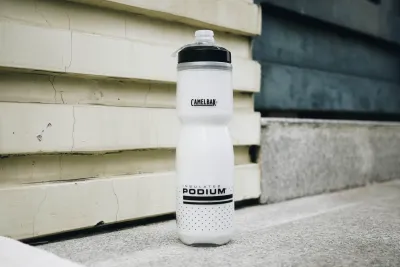
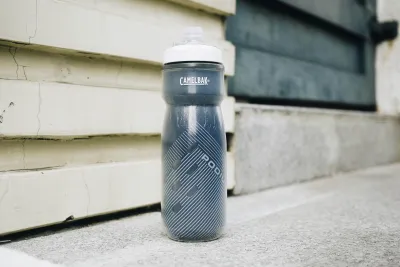
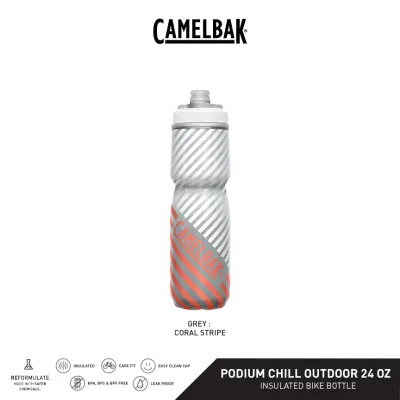
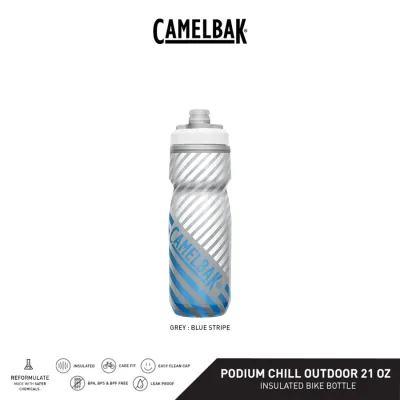
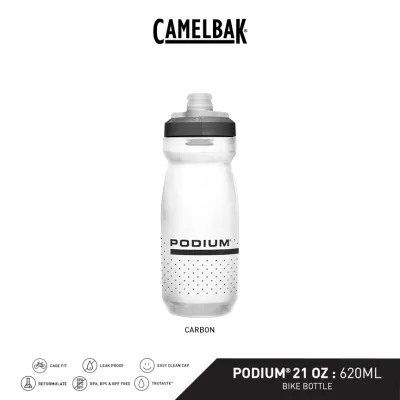
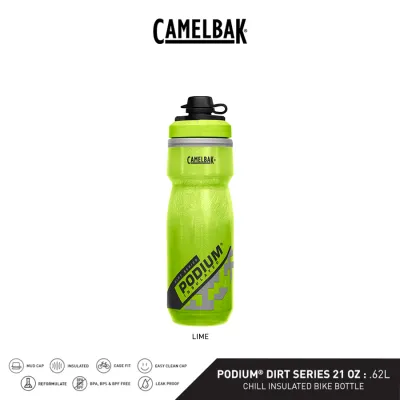
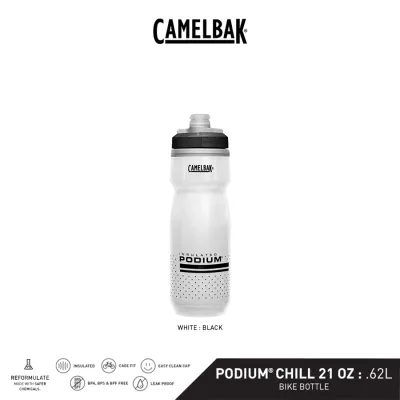
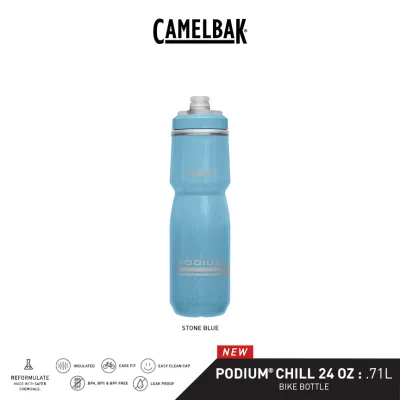
Prices are valid at publication and may change. Please refer to the product page for the latest price.
Cyclists face different constraints. When riding, your hands must remain on the handlebars as much as possible to maintain balance and control on uneven roads. Hydration gear for cycling must be compatible with standard bicycle water bottle cages, sliding in and out smoothly without rattling loose. Additionally, cyclists rely on squeeze-and-drink mechanisms that allow them to drink quickly without tilting their heads back excessively, preserving aerodynamic posture.
Gym and studio workouts present a more controlled environment. Because you are stationary or moving between structured stations, weight is less of a concern than capacity and durability. Gym-goers often prioritize larger volumes to sustain them through intense, hour-long strength training without needing constant refills. Because gym bottles are frequently placed on concrete floors or rubber mats, they must be highly durable against accidental drops. Easy disassembly for thorough cleaning is also essential, particularly if you regularly mix electrolyte powders.
Key CamelBak Features to Evaluate
To find the right bottle, you must look closely at the specific design elements and materials. CamelBak offers several distinct lid and body styles, each engineered for specific use cases. Checking the manufacturer specifications on these features will help you determine which model aligns with your training habits.

The drinking mechanism is the most critical interface. Bite valves, which require you to bite down gently on a silicone nozzle to draw water through a straw, allow for upright drinking without tilting the bottle. This is highly convenient for keeping your eyes forward, though it requires regular cleaning. Squeeze bottles utilize self-sealing jet valves that release water only when the bottle body is compressed, providing a high flow rate favored for fast-paced activities. For general use, high-flow magnetic caps or screw tops offer a traditional drinking experience but require two hands to open.
Capacity and weight must be balanced against your carrying method. Standard sports bottles typically range from 500 milliliters to over 1 liter. A larger bottle holds more water but adds significant weight—remember that one liter of water weighs exactly one kilogram. If you carry your bottle in a running vest pocket or a waist belt, smaller capacities (such as 500ml to 620ml) help prevent excessive bouncing. For bike cages or gym bags, heavier, high-capacity options are much easier to manage.
Material choice directly affects both durability and temperature control. Lightweight, BPA-free plastics are excellent for active sports where weight savings are crucial. However, if you train in hot, unconditioned spaces, vacuum-insulated stainless steel or double-walled plastic models help keep your water cool. Before purchasing, always verify the manufacturer’s care labels. Some materials are fully dishwasher-safe, while others require hand-washing to preserve vacuum seals.
Matching Bottle Types to Your Specific Activity
To simplify your decision, you can evaluate specific design elements against the primary environment where you train. Use the following targeted checklists to verify which bottle features will support your performance and keep your hydration seamless.
Running and Trail Hydration
When selecting a bottle for running, portability and stability are your top priorities. If you prefer holding your hydration, look for handheld bottle designs that feature integrated adjustable hand straps. These straps allow you to relax your grip while keeping the bottle securely attached to your hand, reducing hand fatigue over long distances.
For trail runners or those who use running vests and waist belts, check the bottle’s physical dimensions and flexibility. Soft, collapsible flasks are highly effective because they shrink as you drink, eliminating water sloshing and fitting comfortably into front vest pockets. If you prefer rigid bottles, verify that the bite valve or quick-release nozzle has a reliable mechanical lock. This lock prevents water from squeezing out when the bottle bounces inside a tight pocket during high-impact trail descents.
Cycling and Bike Cage Compatibility
For road cycling, gravel riding, or mountain biking, your bottle must function as an extension of your bike. Start by measuring the diameter of your bicycle’s water bottle cages. Most standard cages are designed for bottles with a diameter of approximately 73 to 74 millimeters. Choosing a bottle specifically designed with a tapered bottom and a secure retention groove ensures it stays locked in place over bumps and potholes.
The drinking mechanism must allow for rapid, one-handed operation. Squeeze-style bottles with self-sealing valves are the standard choice here, as they eliminate the need to pull open a nozzle with your teeth. Additionally, check the nozzle design for splash resistance. A high-quality valve should prevent water from spraying onto your bike frame, gears, or face when you ride over rough terrain, keeping both you and your equipment clean.
Gym and Studio Workouts
Indoor training environments allow you to prioritize volume and ease of maintenance over aerodynamics and weight. Look for bottles with a capacity of 24 ounces (approximately 710ml) to 32 ounces (approximately 950ml) or more to ensure you have enough water to last through a demanding session.
A wide-mouth opening is highly beneficial for gym use. It allows you to easily drop in ice cubes to keep your water refreshing, and it makes pouring supplement powders clean and mess-free. Because gym floors are unforgiving, check the bottle’s material specifications for impact resistance. Heavy-duty, co-polyester plastics or insulated stainless steel bottles with protective silicone boots are excellent choices to prevent cracking or denting when the bottle is knocked off a bench or treadmill.
Care, Cleaning, and Safety Checks
Maintaining proper hygiene is essential for any reusable water bottle, especially when used in warm, humid climates where bacteria and mold thrive quickly. Always consult the manufacturer’s care instructions before cleaning your bottle. While many modern plastic bottles and caps are top-rack dishwasher safe, high water temperatures can warp certain plastics or damage delicate silicone seals over time.
Establish a regular deep-cleaning routine. Completely disassemble all removable parts, including the bite valve, internal straw, and rubber gaskets. Use specialized bottle brushes to clean inside the narrow channels of the cap where moisture can trap organic material.
Regularly inspect your bottle for wear and tear. If you notice unremovable black spots of mold, deep scratches that are difficult to sanitize, or a cracked bite valve that leaks, it is time to replace those specific components or the bottle itself to ensure safe, clean hydration.
Frequently Asked Questions (FAQ)
Can I put hot liquids in my CamelBak water bottle?
Always check the specific product label or manufacturer guidelines before putting hot liquids in your bottle. Standard, non-insulated plastic sports bottles are designed strictly for cold or room-temperature liquids; pouring boiling water into them can cause the plastic to warp, compromise the seals, and pose a severe burn risk. If you need to carry warm beverages, verify if your specific model is rated for hot liquids, or opt for a dedicated vacuum-insulated stainless steel travel mug.
How do I stop my bite valve from leaking in my bag?
To prevent leaks when storing your bottle in a gym bag or backpack, ensure that the manual shut-off valve is fully engaged. Many bite-valve models feature a mechanical lever or twist lock at the base of the cap that completely blocks water flow. Additionally, avoid exposing the bottle to extreme temperature changes or direct sunlight while sealed, as rising internal air pressure can force water up through the straw and past the valve.
Community discussion
Share your experience or ask a question. Comments are reviewed before publication.