
Finding relief from the persistent tingling, numbness, or dull ache of carpal tunnel syndrome starts with stabilizing the wrist. Because the median nerve runs through a narrow passageway in your wrist, any repetitive bending or prolonged pressure can quickly exacerbate your symptoms. Choosing the right carpal tunnel wrist splint is not about finding a one-size-fits-all brace; instead, it requires matching the splint’s rigidity, materials, and design to your specific daily activities, symptom severity, and environmental conditions.
The primary goal of a wrist splint is to keep your joint in a neutral position, which minimizes pressure on the median nerve and allows irritated tissues to heal. However, a splint that is perfect for sleeping might be completely impractical for typing at an office desk or participating in sports. By understanding how different features impact mobility and comfort, you can select a support system that manages your discomfort without disrupting your lifestyle.
Assess Your Symptoms and Daily Activities
Before browsing online marketplaces or visiting a local medical supply store, take a few days to track when your symptoms are most intense. Do you wake up in the middle of the night with a numb, tingling hand, or do you experience a sharp, burning pain after two hours of continuous typing? Identifying these specific triggers is the first step in determining whether you need a highly rigid splint for nighttime immobilization, a flexible support for daytime tasks, or a dynamic sleeve for athletic recovery.
Products mentioned in this guide
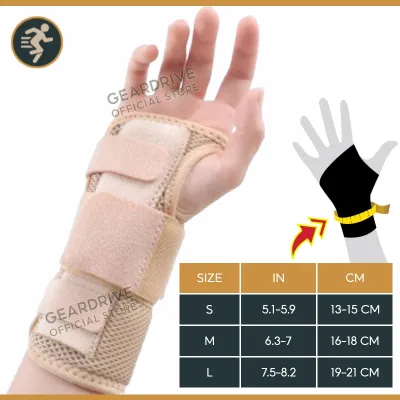
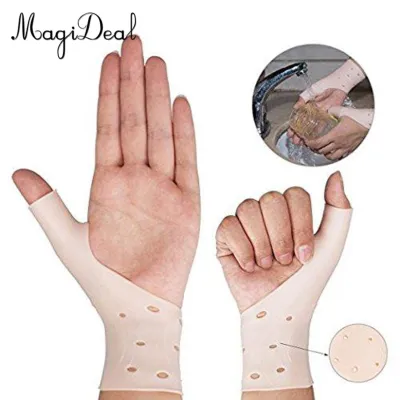
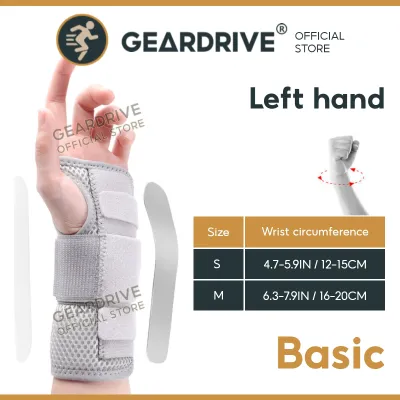
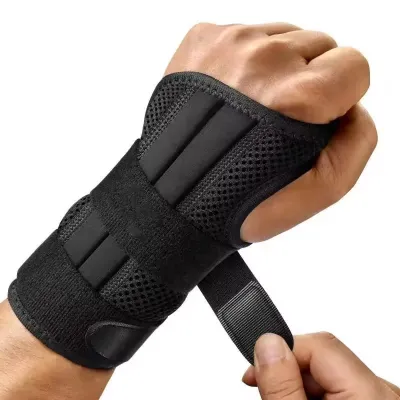
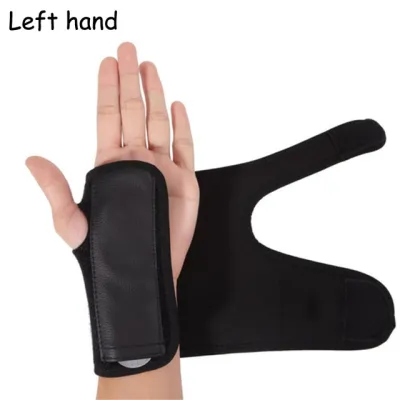
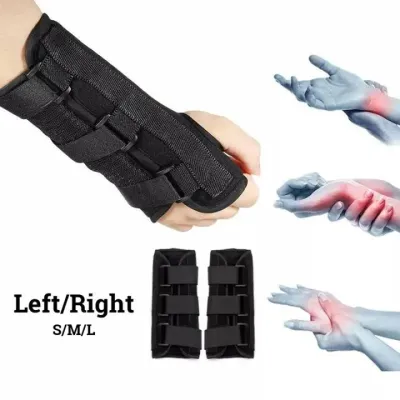
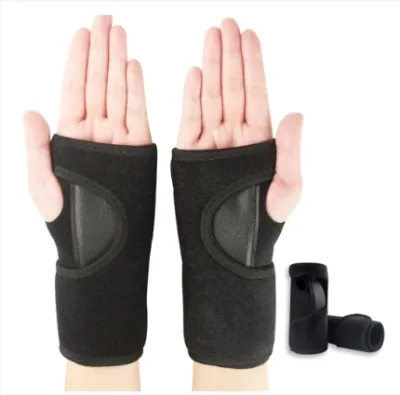

Prices are valid at publication and may change. Please refer to the product page for the latest price.
If your symptoms primarily occur at night, it is usually because you unconsciously bend your wrists while sleeping, which severely compresses the carpal tunnel. In this scenario, your main priority is maximum immobilization to keep the joint straight throughout the night. Conversely, if your pain flares up during daytime activities like typing, cooking, or playing sports, a highly rigid splint might hinder your productivity or athletic performance. For daytime use, you must evaluate how much wrist movement restriction you can tolerate while still performing your daily tasks safely and efficiently.
While self-selection is appropriate for mild to moderate discomfort, you must recognize when to stop self-treatment and seek professional medical advice. If you experience persistent numbness that does not go away, a noticeable loss of grip strength, visible muscle wasting at the base of your thumb, or pain that radiates up to your elbow and shoulder, consult a healthcare professional immediately. A splint is an excellent tool for symptom management, but severe nerve compression may require clinical interventions, physical therapy, or surgical evaluation.
Essential Features to Evaluate in a Wrist Splint
When evaluating different wrist splints, the level of rigidity is the most critical factor to consider. Rigid splints feature built-in metal or hard plastic stays, typically positioned along the palm, to prevent any bending of the wrist joint. These are highly effective at keeping the wrist in a neutral position, but they severely limit hand function. Flexible or semi-rigid supports, on the other hand, utilize plastic stays, spiral springs, or thick compression fabrics to offer moderate support while allowing enough wrist flexion for daily activities.

In warm and humid tropical climates, such as in the Philippines, material selection directly impacts how consistently you will wear your splint. Heavy, non-breathable fabrics trap sweat and body heat against your skin, which can quickly lead to skin irritation, itching, and even bacterial or fungal infections. To prevent these complications, look for splints made from perforated neoprene, lightweight open-mesh panels, or specialized moisture-wicking fabrics. These materials allow air to circulate freely, keeping your skin dry and comfortable during extended wear.
The strap system is another vital component that determines both the security and comfort of the splint. Most splints use hook-and-loop fasteners, commonly known as Velcro, to secure the brace around your arm and hand. Look for a system with multiple adjustable straps rather than a single wide band, as this allows you to customize the compression level at different points along your wrist and forearm. Be careful not to pull the straps too tight; excessive compression can cut off blood circulation or cause localized nerve impingement, which will actually worsen your carpal tunnel symptoms.
Finally, pay close attention to the ergonomic contours of the splint. A well-designed brace should hold your wrist in a neutral position, which is typically defined as a straight line or a very slight upward angle of about 15 degrees. The palmar stay should be contoured to fit the natural shape of your hand without pressing directly into the center of your palm, where the median nerve is most vulnerable. Additionally, ensure the splint features a wide thumb opening that allows your thumb and fingers to move freely without chafing against the edges of the fabric.
Matching Splint Designs to Specific Use Cases
Because your wrist has different support needs depending on the time of day and your activity level, relying on a single universal brace is rarely the most effective approach. Matching the structural design and rigidity of a splint to your specific daily triggers ensures targeted relief without unnecessary restriction. The following categories represent common structural designs tailored to distinct lifestyles and symptom patterns.
For Nighttime Sleep and Severe Numbness
To combat nighttime numbness and tingling, you should look for a rigid, heavily padded splint designed specifically for sleep. These braces typically feature a solid, non-removable metal palmar stay that completely prevents your wrist from bending inward or outward while you sleep. Because you will be wearing this splint for seven to eight hours continuously, generous interior padding and soft, non-abrasive linings are essential to prevent pressure sores and chafing. The splint must maintain a strict neutral wrist angle to maximize the space inside the carpal tunnel, allowing the median nerve to rest and recover from daytime strain.
For Office Work and Typing
If your symptoms are triggered by long hours at a computer keyboard, you need a low-profile, semi-rigid, or flexible splint that balances support with finger mobility. Look for designs that feature shorter, flexible plastic stays or even removable metal stays, allowing you to adjust the level of support based on your daily pain levels. The splint should leave your palm relatively free and avoid bulky materials that interfere with your grip on a computer mouse. Lightweight, highly breathable fabrics are crucial for office environments, ensuring your hand remains cool and comfortable throughout the workday.
For Sports and Active Recovery
For athletes and active individuals recovering from wrist strain, dynamic supports are the preferred choice. These splints often take the form of compression sleeves made from highly elastic, sweat-resistant materials that provide targeted pressure to the joint while allowing a functional range of motion. Look for models with removable or highly flexible stays that can be adjusted as your recovery progresses. A secure, non-slip strap system is essential to ensure the splint stays firmly in place during rapid movements, outdoor activities, or humid training sessions.
Sizing, Fit, and Pre-Purchase Checks
An improperly fitting wrist splint can do more harm than good, making accurate measurements essential before you finalize your purchase. To find your correct size, use a flexible measuring tape to measure the circumference of your wrist at its narrowest point, just below the hand. Some manufacturers also require you to measure the width of your palm across the knuckles. Always compare your exact measurements to the manufacturer’s specific sizing chart, as sizing standards can vary significantly between different brands and product lines.
When shopping on e-commerce platforms, always verify the return and exchange policies before checking out. Because a proper fit is highly subjective and critical for therapeutic success, you may need to exchange the splint if you find that the sizing runs small, restricts your blood flow, or causes discomfort. Additionally, pay close attention to hand orientation; many highly ergonomic splints are designed specifically for either the left or the right hand to match the natural asymmetry of the human body. While ambidextrous models are available, they often compromise on the precision of the fit.
Before making a decision, take the time to read through user reviews, focusing specifically on long-term durability and practical wearability. Look for comments regarding how well the hook-and-loop straps maintain their grip after multiple washes, whether the stitching along the edges tends to fray, and if the metal stays have a tendency to poke through the fabric over time. These real-world insights can help you avoid low-quality products that lose their supportive properties after just a few weeks of use. Budgeting for a high-quality splint, which typically ranges from a few hundred to over a thousand ₱, is a worthwhile investment in your long-term joint health and daily comfort.
Frequently Asked Questions (FAQ)
How long should I wear a carpal tunnel wrist splint each day?
The ideal daily wear time depends entirely on your symptom triggers and the rigidity of your splint. If you primarily suffer from nighttime numbness, you should wear a rigid splint exclusively while sleeping to prevent unconscious wrist bending. For daytime symptoms, you should wear a flexible or semi-rigid splint only during the specific activities that aggravate your pain, such as typing, driving, or crafting. Avoid wearing a rigid brace continuously 24/7 unless specifically instructed by a doctor, as prolonged, uninterrupted immobilization can lead to muscle atrophy, joint stiffness, and long-term weakness in your hand and wrist.
Can I wash my wrist splint, and how should I maintain it?
Yes, regular cleaning is essential to maintain hygiene, eliminate sweat odors, and preserve the elasticity of the materials, especially in warm climates. To wash your splint, first remove any metal or plastic stays if the design allows for extraction. Hand-wash the fabric components in cool water using a mild soap or gentle detergent, avoiding harsh chemicals or bleach that can degrade the elastic fibers. Gently squeeze out excess water without wringing or twisting the fabric, and lay the splint flat to air-dry in a well-ventilated area away from direct heat or intense sunlight, which can warp plastic components and weaken the adhesive properties of the Velcro.
Community discussion
Share your experience or ask a question. Comments are reviewed before publication.