
Choosing the right catchers mitt size and padding level for a beginner comes down to matching the correct circumference—typically 31 to 32.5 inches for youth, and 32.5 to 34 inches for older players—with a manageable padding density. A novice player needs a mitt that balances immediate impact protection with the physical ability to squeeze the pocket closed. This balance ensures they can develop proper catching mechanics safely without struggling against stiff, heavy leather.
Decoding Catchers Mitt Sizing: Circumference and Fit
Unlike standard fielding gloves measured linearly from the heel of the palm to the tip of the index finger, a catcher’s mitt is measured by its circumference. This measurement tracks the entire outer edge of the mitt, reflecting its unique, rounded, claw-like shape. This design is highly specialized: instead of individual finger slots visible on the outside, a catcher’s mitt features a thick, continuous edge designed to funnel pitched balls into a deep, secure pocket. For a beginner, understanding this measurement style is the first step toward finding a glove that fits correctly.
Youth mitts for players ages 12 and under typically range from 31 to 32.5 inches, featuring narrower finger stalls and smaller wrist openings to accommodate developing hands. Intermediate and adult sizes for players ages 13 and up range from 32.5 to 34 inches. Selecting a mitt within these standard ranges ensures the player can control the glove without sacrificing pocket area.
Products mentioned in this guide
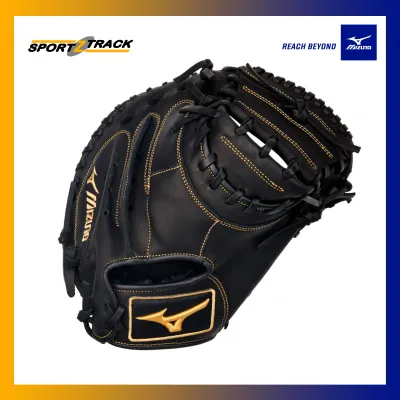
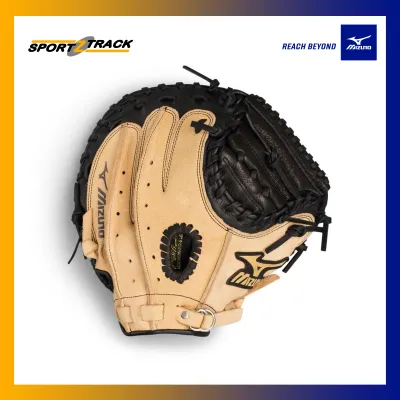
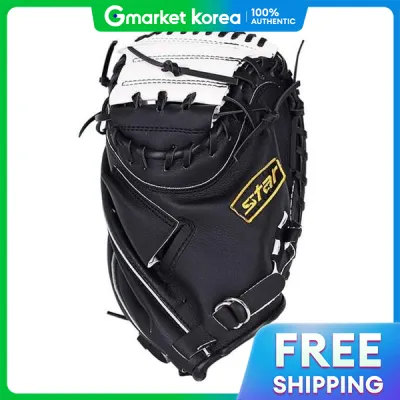
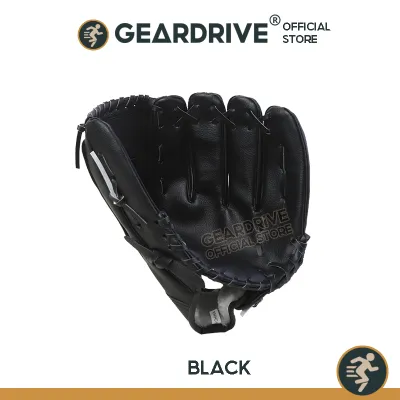
Prices are valid at publication and may change. Please refer to the product page for the latest price.
To establish a baseline before shopping, you can measure the player’s dominant hand from the base of the palm to the tip of the middle finger. If this measurement is under 6.5 inches (approximately 16.5 cm), a youth mitt under 32 inches is ideal. If the measurement is between 6.5 and 7.5 inches, an intermediate 32.5-inch mitt fits best. For hands larger than 7.5 inches, adult sizes starting at 33 inches are appropriate. Because sizing patterns and internal hand-stall tightness vary between manufacturers, always check the specific brand’s size chart before purchasing.
| Player Age Group | Recommended Circumference | Primary Focus |
|---|---|---|
| Youth (Ages 8 and Under) | 31.0" – 31.5" | Lightweight, easy closure, narrow finger stalls |
| Youth (Ages 9 to 12) | 31.5" – 32.5" | Balanced protection, adjustable wrist straps |
| Intermediate (Ages 13 to 15) | 32.5" – 33.0" | Denser padding, transition to adult leather |
| Adult (Ages 16 and Upper) | 33.0" – 34.0" | Maximum shock absorption, deep pocket depth |
Padding Levels Explained: Balancing Protection and Mobility
Catcher’s mitts require specialized, reinforced padding compared to other baseball gloves to disperse the repetitive impact of pitched balls and prevent hand bruising or nerve damage. The materials used in this padding directly dictate the mitt’s weight, stiffness, and break-in requirements:

- Foam Padding: Lightweight and flexible, foam is common in youth mitts. It offers immediate shock absorption and easy closure right out of the box, though it can compress permanently over time.
- Felt Padding: Made of compressed wool or synthetic fibers, felt provides durable shock dispersion. However, it adds noticeable weight and stiffness, requiring a more rigorous break-in process.
- Layered Leather or Composite Inserts: Found in high-end adult mitts, these offer maximum protection against high-velocity pitches but make the mitt too stiff and heavy for a novice.
Beginners in local leagues, such as school tournaments or community youth baseball, typically face slower pitches. At these speeds, ultra-dense, professional-grade padding is unnecessary and actively detrimental. A mitt with excessively thick padding is incredibly difficult to squeeze shut. If a beginner cannot close the mitt quickly, the ball will bounce out, increasing the risk of injury from wild pitches. Look for labels indicating “youth-specific,” “easy-close,” or “pre-broken-in” designs, which utilize lighter, more flexible foam-and-felt combinations tailored for lower impact forces.
Essential Fit Checks and Safe Break-In Steps
Once you have selected a size and padding level, verify the physical fit with three key checks:
- Finger Stall Depth: The player's fingers should slide comfortably into the internal stalls, reaching close to the ends without being painfully cramped or swimming in empty space.
- Wrist Closure Adjustability: Look for a secure, adjustable wrist closure, such as Velcro straps or pull-laces, to keep the mitt stable on smaller hands.
- Overall Weight Management: Have the player extend their glove arm straight out in front of them for 30 seconds. If their wrist sags or they struggle to hold it up, the mitt is too heavy.
After confirming a good fit, the break-in process begins. While synthetic options are game-ready immediately, they lack the long-term durability of real leather. To break in a leather catcher’s mitt safely, use these reliable, low-risk methods:
- Play Catch: Catching actual baseballs is the safest way to shape the pocket naturally to the player's hand.
- Pocket Shaping: Store the mitt with a baseball inside the pocket, wrapped tightly with a wide elastic band when not in use.
- Conditioning: Apply a dime-sized amount of manufacturer-approved glove conditioner to the hinge points. Avoid over-applying, which makes the leather heavy and limp.
Never use extreme shortcuts to speed up the break-in process. Baking the mitt in an oven, microwaving it, or soaking it completely in water will ruin the leather. These methods strip away natural oils, dry out laces, compromise the padding, and void manufacturer warranties.
Additionally, proper storage is vital in the tropical, high-humidity climate of the Philippines. Excessive moisture and sweat can quickly lead to mold growth and leather rot. Never leave a damp mitt inside a sealed gear bag or in a hot car trunk. Wipe the interior and exterior with a dry microfiber cloth after every use, and store it indoors in a well-ventilated space with a ball kept inside the pocket to maintain its shape.
Common Sizing and Specification Mistakes to Avoid
A frequent mistake is purchasing a catcher’s mitt that is too large, believing the player will “grow into it.” An oversized mitt is a safety hazard; its extra weight slows down hand movement, making it difficult to react to erratic pitches. This lag can result in the ball striking the player’s wrist or face. A beginner must have immediate, complete control over their equipment to play safely and build confidence.
Another critical error is failing to distinguish between different glove types. A catcher’s mitt, a first baseman’s mitt, and a standard fielding glove are not interchangeable:
- Catcher's Mitt: Features a round, fingerless design with heavy perimeter padding and a reinforced thumb to handle repetitive, direct pitches.
- First Baseman's Mitt: Longer and thinner, designed specifically to scoop low throws out of the dirt, featuring a curved edge but significantly less palm padding.
- Standard Fielding Glove: Features individual finger slots and a shallower pocket designed for quick ball transfers.
Using a standard fielding glove or a first baseman’s mitt behind the plate exposes the player to high injury risks due to the lack of specialized palm padding. When shopping, prioritize manageable weight and beginner-level flexibility over expensive, professional-grade models. Entry-level synthetic or soft leather mitts typically range from ₱1,500 to ₱3,500, which is highly reasonable for a player testing the waters, whereas high-end steerhide models can exceed ₱8,000 and require months of intensive break-in work.
Frequently Asked Questions (FAQ)
Can a beginner use a standard fielding glove instead of a catcher's mitt?
Using a standard fielding glove while playing catcher is highly discouraged due to serious safety risks. Standard gloves lack the thick, specialized palm padding and reinforced thumb protection built into a genuine catcher’s mitt. Without this targeted protection, repetitive impacts from pitched balls can easily cause painful hand bruising or joint injuries. Additionally, standard gloves do not have the deep, rounded pocket design needed to securely trap pitches, leading to more dropped balls.
How do I know if the catcher's mitt is too heavy for my child?
You can spot a mitt that is too heavy through clear, physical signs during practice. If your child consistently drops their glove hand toward their knees between pitches, struggles to raise the glove quickly to catch high balls, or complains of wrist and forearm fatigue after just a few minutes of play, the mitt is too heavy. Another indicator is if the child consistently misses catches because they cannot squeeze the stiff, heavy pocket closed in time. In these cases, transitioning to a lighter youth-specific model with flexible foam padding is highly recommended.
Community discussion
Share your experience or ask a question. Comments are reviewed before publication.