
Selecting the correct climbing rope is one of the most critical safety decisions any climber will make. To choose the right rope, you must match the specific physics of your climbing discipline to the rope’s design: dynamic single ropes are required for sport and trad climbing, static ropes are designed for rappelling, caving, and hauling, while half and twin ropes are reserved for complex alpine or wandering multi-pitch routes. Because a rope is your primary life-safety link, buying a generic utility rope in bulk is a dangerous mistake. Certified climbing ropes are highly engineered systems designed to stretch and absorb the massive forces generated during a fall, protecting both your body and your anchor systems.
No matter how high-quality your gear is, equipment cannot replace professional instruction, hands-on training, and sound personal judgment. Before tying into any rope, you must understand your own technical ability limits, perform pre-climb safety checks with your partner, and know when environmental conditions require you to call off a climb. In tropical climbing environments like the Philippines, where high humidity, intense UV exposure, and sudden downpours are common, understanding these technical specifications is even more critical for maintaining gear integrity over time.
Why Certified Climbing Ropes Differ from Generic Hardware "Lubid per Roll"
When looking to purchase gear, budget-conscious individuals might notice utility cordage, commonly referred to as generic lubid per roll, available at local hardware stores across the Philippines. These bulk rolls of utility rope are typically made of basic nylon, polypropylene, or manila hemp. While they are highly functional for agricultural tasks, securing cargo, towing vehicles, or hauling light materials, they are completely unsuited for life-safety applications. These generic ropes lack the internal engineering required to absorb dynamic shock loads, meaning a sudden fall from even a short height can easily snap the rope or cause severe, permanent bodily injury due to the abrupt stop.
Products mentioned in this guide
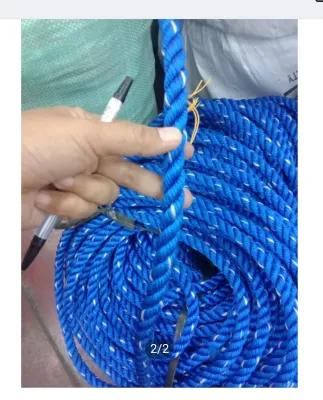
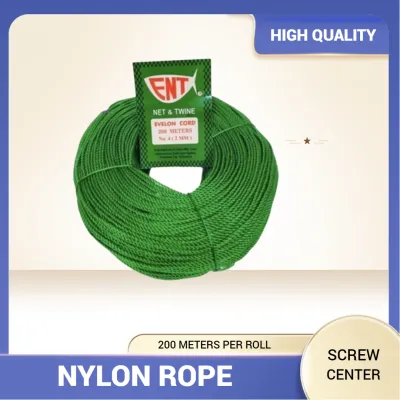
Prices are valid at publication and may change. Please refer to the product page for the latest price.
In contrast, certified climbing ropes utilize a specialized “kernmantle” construction, derived from the German words kern (core) and mantle (sheath). The inner core consists of thousands of high-tensile nylon fibers that are twisted and heat-treated to provide the rope’s strength and dynamic elasticity. Surrounding this core is a tightly woven outer sheath designed specifically to protect the core from abrasion against sharp rock edges, dirt penetration, and ultraviolet radiation. This dual-layer system allows a climbing rope to stretch significantly when loaded, acting as a shock absorber that safely dissipates the kinetic energy of a falling climber.
Climbing is an inherently high-risk sport where gear failure can have fatal consequences. Using uncertified utility ropes or hardware-grade cordage for climbing, rappelling, or top-roping poses an immediate risk of catastrophic failure. Before purchasing any rope, you must verify that it is certified by the Union Internationale des Associations d’Alpinisme (UIAA) or carries a European Conformity (CE) marking specifically for mountaineering. Never substitute industrial utility ropes for certified climbing equipment under any circumstances.
Matching Rope Types to Your Specific Climbing Scenarios
Selecting the proper climbing rope requires matching the rope’s elongation characteristics and design to your specific climbing environment. Using the wrong rope type for an activity not only compromises your safety but can also lead to rapid gear degradation.

Sport and Trad Climbing: Dynamic Single Ropes
Dynamic single ropes are the gold standard for the vast majority of recreational climbers. These ropes are engineered to stretch significantly under load, typically elongating by 25% to 35% during a dynamic fall. This controlled stretch is vital because it limits the peak impact force transmitted to the climber’s harness and the protection points placed in the rock. Without this dynamic elasticity, a fall on a rigid system could easily rip protection bolts or traditional gear out of the rock face and cause severe internal trauma to the climber.
Single ropes are designed to be used as a single, independent strand running from the belayer to the climber. They are marked with a circled number “1” on the rope end tags, indicating they have passed rigorous UIAA drop tests as a single strand. This makes them the most practical and user-friendly option for single-pitch sport climbing, traditional climbing, and top-roping. Whether you are climbing on the sharp limestone of Cantabaco in Cebu, the volcanic cliffs of Atimonan, or training on indoor walls in Manila, a dynamic single rope is the most versatile tool for the job.
Rappelling, Caving, and Rescue: Static Ropes
Static ropes, often referred to as low-elongation ropes, are designed to stretch as little as possible under load—typically less than 5% under standard working conditions. This lack of elasticity is highly beneficial when you need to ascend a fixed line, rappel down a vertical drop, or haul heavy gear bags. Because the rope does not bounce, it prevents the energy-sapping “trampoline effect” during ascent and minimizes the abrasive rubbing of the rope against sharp rock edges as you move up or down. These characteristics make static ropes the primary choice for caving in places like Sagada or Samar, canyoneering, and search-and-rescue operations.
However, static ropes carry a critical safety warning: they must never, under any circumstances, be used for lead climbing or any scenario where a dynamic fall could occur. Because static ropes cannot stretch to absorb energy, even a short fall of one or two meters can generate extreme, bone-breaking impact forces. These forces are high enough to cause catastrophic failure of your anchors, carabiners, and harness, resulting in a fatal fall. Static ropes are strictly for static loads, rappelling, and ascending fixed lines where the climber remains below the anchor point.
Alpine and Multi-Pitch: Half and Twin Ropes
For complex multi-pitch routes, alpine mountaineering, and ice climbing, specialized two-rope systems are used to manage complex rope paths and provide safety redundancy. Half ropes, marked with a “1/2” symbol, are designed to be used as a pair. The climber ties into both strands but clips them alternately into different pieces of protection along the route. This technique is highly effective at reducing rope drag on wandering routes where protection points are zig-zagged, and it minimizes the risk of a single rockfall cutting your only safety line.
Twin ropes, marked with an infinity-like twin symbol, are also used as a pair, but both strands must be clipped together into every single carabiner along the route. This system provides a very thin profile and extreme redundancy against sharp rock edges, making it popular for straight-up alpine ice climbs. Both half and twin rope systems allow for full-length rappels by tying the two strands together, which is a massive advantage when escaping a route during sudden tropical storms or alpine weather shifts. However, these systems require specialized belay techniques and are generally not recommended for beginners or standard single-pitch sport climbing.
Cross-Scenario Compatibility: Can One Rope Do It All?
For many climbers, especially those operating on a budget, purchasing multiple specialized ropes is not immediately practical. A high-quality dynamic single rope with a diameter between 9.5mm and 9.8mm offers the best cross-scenario compatibility. Within safe limits, a single dynamic rope can easily handle sport climbing, traditional climbing, and top-roping at your local crag or gym. It provides a balanced compromise between weight, durability, and ease of handling for belayers of all experience levels.
However, this cross-compatibility has strict limits. You cannot safely use a single dynamic rope for activities that require specialized two-rope systems, such as wandering alpine routes where rope drag would become physically unmanageable or dangerous. Conversely, using a dynamic rope for dedicated static activities like extensive caving or heavy gear hauling is highly inefficient and dangerous. The constant bouncing of a dynamic rope under load causes rapid wear and abrasion against rock edges, which can quickly ruin an expensive rope and place the user in danger.
When prioritizing your first rope purchase, evaluate your primary climbing discipline. If 90% of your activity consists of local sport climbing and indoor gym sessions, invest in a high-quality dynamic single rope. Do not buy a static rope with the hope of using it for sport climbing, and do not attempt to use a single dynamic strand for advanced alpine routes that demand half or twin ropes. Always prioritize the safety requirements of your primary activity over budget-driven compromises.
Key Specifications and Safety Labels to Verify Before Buying
Before purchasing a climbing rope, you must verify its specifications and safety labels to ensure it matches your intended use and environment. Do not rely solely on online product descriptions; always physically inspect the rope packaging and the manufacturer’s technical manual upon receipt.
- Certifications: Ensure the rope features clear UIAA and CE/UKCA certification labels. These labels guarantee that the rope has been laboratory-tested to withstand standard drop tests, sheath slippage limits, and static strength requirements.
- Diameter: Ropes generally range from 8.5mm to 10.2mm. Thinner ropes (9.0mm to 9.4mm) are lighter and have less friction, making them ideal for high-performance sport climbing, but they wear out faster and require highly experienced belayers. Thicker ropes (9.8mm to 10.2mm) offer superior durability, better grip, and are much safer for top-roping, gym rental, and beginners.
- Length: Standard climbing ropes are sold in lengths of 60, 70, or 80 meters. Before buying, check the specific route lengths of the crags you plan to visit. For example, many modern sport routes in the Philippines and Southeast Asia require a minimum of a 70-meter rope to ensure you can safely lower the climber back to the ground.
- Dry Treatment: In hot, humid tropical climates or wet alpine environments, ropes can quickly absorb moisture. A wet rope becomes heavy, difficult to handle, and loses a significant portion of its dynamic strength. Dry-treated ropes feature a chemical coating on the sheath (and sometimes the core) that repels water. While non-dry ropes are perfectly fine and cost-effective for dry indoor gyms, a dry-treated rope is highly recommended for outdoor climbing in humid or rainy tropical regions.
Inspecting, Storing, and Knowing When to Retire Your Rope
A climbing rope is a life-safety device that requires regular maintenance and careful inspection to ensure its continued integrity. You should perform a thorough visual and tactile inspection of your rope before every climbing session.
To inspect your rope, slowly flake it from one end to the other, running your bare hands along the entire length. Feel for any “flat spots,” soft or mushy sections, or stiff areas, which indicate internal core damage (core shots). Visually check for severe fuzzy wear on the sheath, cuts, exposed core fibers, or discoloration from chemical exposure. If you find any soft spots where the rope can be bent completely flat into a sharp “U” shape, or if the white inner core is visible through the sheath, the rope must be retired immediately.
Proper storage is crucial for preserving the synthetic nylon fibers of your rope, especially in warm, humid climates. Always store your rope in a cool, dry, and dark place away from direct sunlight, which can degrade the nylon via UV radiation. Keep it away from household chemicals, acids, and car batteries, as even brief contact with battery acid can catastrophically weaken nylon fibers without leaving any visible stains. After climbing in humid conditions, always air-dry your rope completely in a well-ventilated indoor space away from direct sunlight before packing it away.
Knowing when to retire your rope is a matter of strict safety. Always follow the manufacturer’s specific guidelines regarding lifespan. Generally, an unused rope stored in ideal conditions should be retired after 10 years from its manufacture date. A rope used occasionally may last up to 5 years, while a rope subjected to heavy weekly use, frequent falls, or rough sandstone/limestone abrasion should be retired within 1 to 2 years. If your rope sustains a severe factor-2 fall, or if you have any doubt whatsoever about its safety history, retire it immediately and cut it into short, unusable pieces to prevent anyone from accidentally climbing on it again.
Frequently Asked Questions (FAQ)
How long should a standard climbing rope be for beginners?
For most beginners, a 60-meter or 70-meter dynamic single rope is the ideal starting length. A 60-meter rope is typically sufficient for indoor climbing gyms and established single-pitch outdoor crags. However, many modern outdoor routes are longer, making a 70-meter rope a safer, more versatile investment that prevents you from running out of rope while lowering. Always consult local climbing guides or experienced local climbers to verify the specific route heights at your local crags before purchasing.
Can I wash my climbing rope in a washing machine?
Yes, but only if your washing machine does not have a center agitator, as agitators can twist, stretch, and damage the rope’s internal fibers. You must wash it on a gentle, cold-water cycle without standard household detergents, bleach, or fabric softeners, which can chemically damage the nylon. The safest and most reliable method is to hand-wash the rope in a bathtub filled with lukewarm water and a mild, non-detergent soap or a specialized climbing rope wash. Always air-dry the rope flat in a cool, shaded area away from direct sunlight and heat sources.
Does a climbing rope expire if it is never used?
Yes, climbing ropes do expire even if they have never been taken out of their original packaging. The synthetic nylon fibers slowly degrade over time due to environmental factors such as ambient humidity, temperature fluctuations, and ozone exposure. Most manufacturers specify a maximum shelf life of 10 years from the date of manufacture for an unused, properly stored rope. Always check the manufacturing date printed on the rope’s packaging or end-tag to determine its remaining safe lifespan before using it.
Community discussion
Share your experience or ask a question. Comments are reviewed before publication.