
Selecting the right compression ankle brace is not about finding a single, universally perfect model. Instead, it requires matching the brace’s support level and structural design to the specific movement patterns of your chosen activity. An ankle sleeve that keeps you comfortable during a straight-line run will not provide the mechanical stability needed for sudden lateral cuts on a court.
To make an informed choice, you must evaluate how much structural restriction your joint requires versus how much natural range of motion you need to maintain. By understanding your body’s needs and the physical demands of your sport, you can select a brace that supports your recovery or prevention goals without hindering your performance.
Understanding Ankle Brace Support Levels
Before comparing specific designs, it is essential to understand the three primary support categories available in athletic braces. Manufacturers generally classify these products into mild, moderate, and maximum support levels based on their structural components and materials.
Products mentioned in this guide
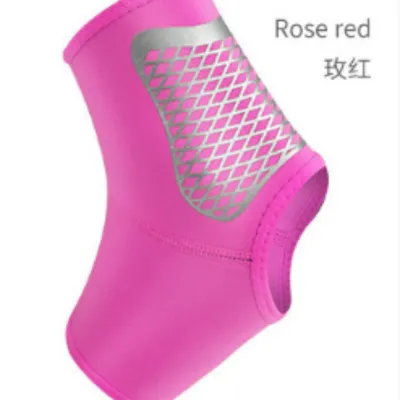
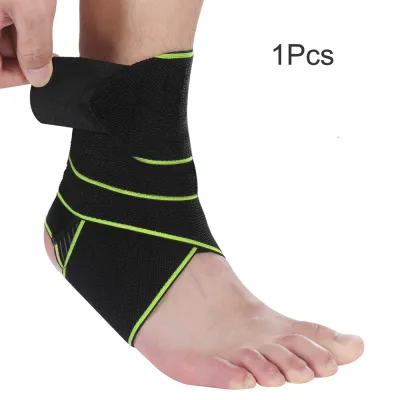
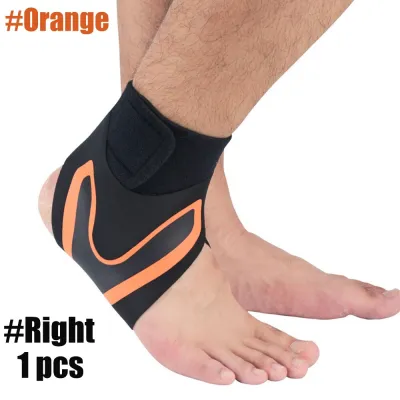
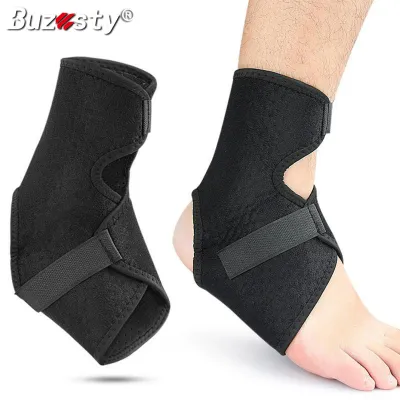
![[COD] E-WOITD 1Pc Ultra-thin Ankle Brace Strap Compression Stabilizes Tendons Motion Ankle Fixation Brace Prevents Ankle Sprains](https://img.lazcdn.com/g/p/7caa72b03fd90efe044f45f847c79691.jpg_400x400q80.jpg_.webp)
Prices are valid at publication and may change. Please refer to the product page for the latest price.
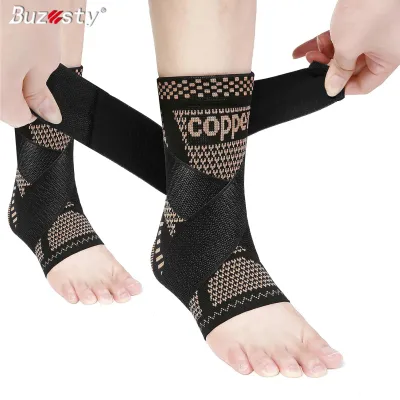
Mild support is typically delivered by simple, elastic compression sleeves. These sleeves are designed to provide light compression, which helps manage minor swelling and improves proprioception—your brain’s awareness of the joint’s position in space. They offer minimal physical resistance to joint movement, making them highly flexible.
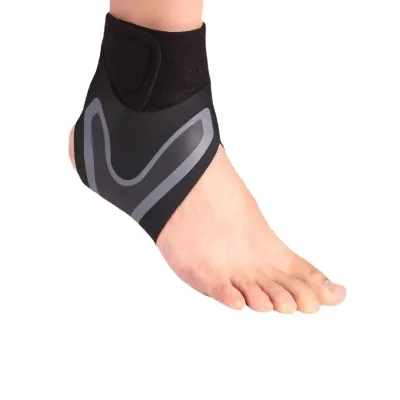
Moderate support braces combine a compression sleeve with adjustable straps, often arranged in a figure-eight pattern. This design balances the swelling-management benefits of compression with light mechanical stabilization. The straps allow you to customize the tightness and add tension to mimic the natural support of athletic tape.
Maximum support braces feature rigid or semi-rigid components, such as plastic side stabilizers, stays, or heavy-duty lacing systems. These are engineered to physically limit lateral movement, specifically preventing excessive inversion (rolling outward) and eversion (rolling inward). While they offer the highest level of joint protection, they also restrict natural movement the most.
Your individual support needs depend on several personal factors rather than just the sport you play. You must consider your personal injury history, such as recent sprains, as well as joint laxity (looseness) and the specific physical demands of your upcoming activities.
Matching Brace Types to Specific Sports and Activities
Because different sports place unique physical stresses on your lower limbs, a single brace design cannot safely or effectively cover all athletic movements. A runner’s ankle experiences repetitive, linear impact, while a basketball player’s ankle must withstand sudden, multi-directional forces.

To help you navigate these differences, the following sections break down common athletic scenarios. Each scenario represents a distinct movement pattern requiring specific structural features and support levels.
High-Impact and Court Sports
Court sports like basketball, volleyball, and badminton require frequent jumping, rapid acceleration, and sudden lateral cuts. These multi-directional movements place immense lateral stress on the ankle joint, making moderate to maximum support braces the standard choice for athletes seeking stabilization.
When shopping for court sports, look for braces that feature integrated straps, stirrups, or reinforced side panels. These structural elements help reinforce the lateral ligaments, reducing the risk of the ankle rolling during a quick change of direction. The compression element remains valuable here to help manage the minor swelling that often accompanies high-impact court sessions.
Before purchasing a highly structured brace, always check its compatibility with your footwear. Bulkier braces with rigid plastic stays or thick canvas laces may not fit comfortably inside standard, narrow court shoes. You may need to loosen your shoe laces significantly or verify the fit with your actual playing shoes to prevent painful pressure points.
Running, Hiking, and Trail Activities
Running and hiking involve continuous forward motion over long durations, often on uneven terrain like gravel, dirt, or rocky trails. For these activities, athletes generally benefit from lightweight, low-profile compression sleeves that provide mild to moderate support.
These low-profile designs are crucial because they do not restrict movement in the sagittal plane, which is the natural up-and-down motion of your foot during a stride. Restricting this natural running gait can lead to compensatory pain in your shins, knees, or hips over long distances.
In warm, humid tropical climates, heat and moisture buildup inside your footwear can quickly lead to skin irritation. It is vital to check the product label for moisture-wicking properties and high breathability. A breathable knit or mesh panel over the instep helps keep the skin dry during long-duration wear.
Additionally, verify that the sleeve features a secure fit system, such as a silicone grip strip along the top cuff. This prevents the brace from rolling down or bunching up inside your sock during repetitive strides, which can cause painful blisters on the trail.
Gym, Weightlifting, and Cross-Training
Gym workouts, weightlifting, and functional fitness routines require deep ankle flexion and a highly stable connection to the floor. For movements like squats, lunges, and cleans, flexible compression sleeves are highly preferred over rigid, structured braces.
A rigid brace can artificially limit your ankle mobility, making it difficult to achieve proper depth in a squat without lifting your heels off the ground. A flexible sleeve, on the other hand, provides warmth and compression to keep the joint comfortable while allowing your ankle to flex naturally through its full range of motion.
If your workouts involve barbell movements, check if the brace material or thickness interferes with your lifts. Some bulky braces can catch on the bar during clean-and-jerks or deadlifts, or alter your foot positioning on the platform. A sleek, seamless sleeve ensures your lifting mechanics remain natural.
Always remember that while a compression sleeve improves joint warmth and proprioception, it is not a substitute for proper lifting mechanics. A brace cannot compensate for poor mobility or weak stabilizing muscles; it should be used as a supportive tool alongside dedicated strength and mobility training.
Key Features to Check on the Product Label
When evaluating compression ankle braces at a local sports retailer or on an online marketplace, the product packaging and label contain critical clues about performance and durability. Knowing what to look for can save you from purchasing an uncomfortable or ineffective product.
First, read the material composition carefully. Common blends include nylon, spandex (elastane), and neoprene:
- Nylon and Spandex: These materials offer excellent stretch, recovery, and breathability, making them ideal for high-sweat activities.
- Neoprene: This material provides excellent heat retention and durability, which is helpful for soothing stiff joints, but it is less breathable and can cause heat rash in hot weather.
Next, inspect the physical construction of the brace. Look for seamless knitting or flatlock seams, which minimize friction against the skin and reduce the risk of chafing. If you are prone to heel pain or Achilles irritation, check if the brace includes targeted gel padding or integrated silicone grips to keep the fabric from sliding.
Finally, verify the manufacturer’s stated compression rating if it is listed on the packaging. Some braces offer graduated compression, which is tighter at the foot and gradually loosens up the ankle to promote circulation. Additionally, check the care instructions to ensure the washing requirements fit your daily routine.
Fit, Sizing, and When to Stop Using the Brace
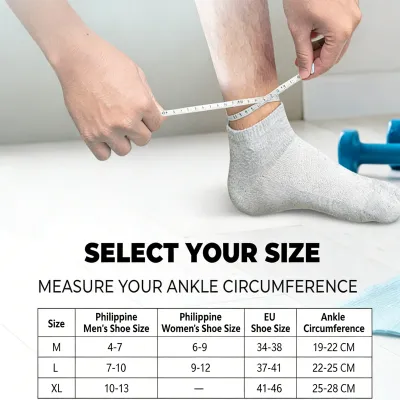
An improperly fitting ankle brace can do more harm than good. To find your correct size, do not rely on your standard shoe size, as sizing conventions vary significantly between different manufacturers. Instead, use a flexible measuring tape to measure the circumference of your ankle joint and the lower part of your calf.
Compare your physical measurements directly to the specific brand’s sizing chart. If your measurements fall between two sizes, consider the level of compression you desire: the smaller size will offer tighter compression but may be harder to put on, while the larger size will offer a more comfortable fit for long-duration wear.
Once you put the brace on, monitor your foot for any observable signs of an improper fit. If you experience numbness, tingling, cold toes, skin discoloration, or deep red indentations in your skin, the brace is too tight and is restricting your blood flow. Remove it immediately and try a larger size.
It is equally important to establish clear boundaries for safe use. A compression brace is a supportive aid, not a cure for structural damage. You must stop using the brace and consult a healthcare professional if your pain increases, swelling worsens, or if your ankle feels unstable and gives way despite wearing the brace.
Frequently Asked Questions (FAQ)
Can I wear a compression ankle brace while sleeping?
Generally, you should not wear a tight compression ankle brace while sleeping unless specifically instructed to do so by a healthcare provider. When you lie down, your cardiovascular system does not have to work against gravity to pump blood back from your lower limbs. Continuous, tight compression during sleep can restrict local blood circulation and cause skin irritation. Always check your product’s packaging for explicit guidelines regarding overnight wear.
How should I wash and maintain my ankle brace?
To preserve the elasticity and compression of your brace, hand-wash it in cold water using a mild detergent. If you prefer using a washing machine, place the brace inside a mesh laundry bag and select a gentle cycle with cold water. Never use fabric softeners, as they can clog the moisture-wicking pores of the fabric. Always air-dry the brace flat; avoid using a high-heat dryer or an iron, as extreme heat permanently degrades spandex and elastic fibers.
Community discussion
Share your experience or ask a question. Comments are reviewed before publication.