
Navigating the bustling streets of Metro Manila requires a commuting strategy that is both flexible and resilient. A folding bicycle offers a practical solution for bypassing heavy traffic, allowing you to weave through congested corridors or combine cycling with public transportation. However, finding the right Decathlon folding bike is not about picking a single, universally acclaimed model. Instead, the ideal choice depends on your specific daily route, the distance you need to cover, the terrain you encounter, and your storage limitations at both ends of your journey. By analyzing your personal commute profile, you can select a model that aligns with your physical comfort, carrying capacity, and budget.
Assessing Your Daily Commute Profile in Metro Manila
Before browsing the racks at the store, you must map out the exact characteristics of your daily journey. Metro Manila presents a diverse landscape of road conditions, from flat major avenues to steep, rolling hills in suburban subdivisions. If your route consists primarily of flat, paved roads, a simple single-speed or low-gear-range folding bike may suffice. Conversely, if your daily ride involves climbing elevated flyovers or navigating hilly residential zones, you will require multiple gears to manage the physical exertion without arriving at your destination completely exhausted.
Another critical factor is how you plan to integrate the bicycle with other forms of transportation. Multi-modal commuting is highly common in the metro, where riders often combine cycling with train rides on the LRT or MRT, point-to-point buses, or ride-sharing vehicles. If you intend to carry your bicycle onto public transit during peak hours, every kilogram and centimeter matters. You must consider how easily you can fold the frame on a crowded platform and whether you can comfortably lift and carry the folded package up station stairwells.
Products mentioned in this guide
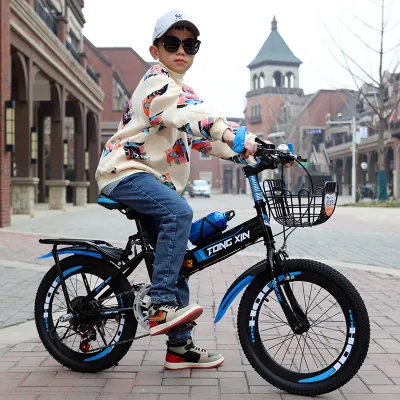
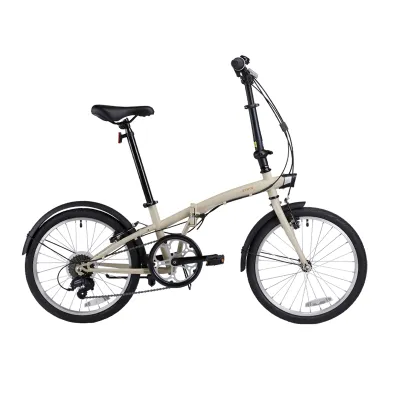
Prices are valid at publication and may change. Please refer to the product page for the latest price.
Finally, you must measure the physical spaces where your bicycle will rest when not in use. At home, space might be limited to a small balcony or a corner of a shared living room. At your workplace, you may need to slide the folded bike under an office desk, place it inside a locker, or fit it into a designated security closet. Knowing these exact dimensions prevents the frustration of purchasing a bicycle that is too bulky for your storage constraints.
Matching Decathlon Folding Bike Categories to Your Route
Decathlon categorizes its folding bicycles primarily by wheel size and propulsion type, each designed to address distinct commuting challenges. Understanding these categories allows you to narrow down your options based on the priorities you identified in your commute profile.

Compact folding models featuring 16-inch wheels are engineered with portability as the primary goal. These bicycles fold into highly compact packages, making them a practical option for commuters who frequently transition between riding and boarding trains or buses. The smaller wheel size allows for quick acceleration from a complete stop, which is highly beneficial when navigating stop-and-go city traffic. However, smaller wheels do not roll over road imperfections as smoothly as larger ones. If your route is plagued by deep potholes, uneven asphalt, or cracked pavements, a 16-inch model will require a more vigilant riding style to maintain stability.
Standard folding models equipped with 20-inch wheels offer a balanced compromise between portability and riding performance. These bicycles provide a ride quality that closely resembles a traditional full-sized bike, offering better stability at higher cruising speeds and a smoother roll over uneven surfaces. The larger wheels make it easier to maintain momentum over longer distances, reducing the overall physical effort required for commutes exceeding five kilometers. While they still fold down to a manageable size for storage under a desk or in a car trunk, they are noticeably bulkier and heavier than their 16-inch counterparts, making them less convenient for crowded train platforms.
Electric folding models introduce battery-assisted pedaling to the urban commute, making them an excellent choice for longer distances or highly demanding terrains. The electric motor assists your pedaling efforts, allowing you to tackle steep inclines and headwinds with minimal physical strain. This assistance is particularly valuable in a tropical climate, as it helps you reach your workplace feeling fresh and dry rather than drenched in sweat. However, the addition of a motor and battery significantly increases both the weight of the bicycle and its overall maintenance requirements. You must verify that you can comfortably lift the heavier frame when folding and carrying is necessary, and ensure you have access to a secure charging location.
Key Specifications and Fit Checks Before You Buy
Once you have identified the category that fits your route, you should perform several practical checks to verify that the specific model meets your physical needs and safety requirements.
First, examine the folded dimensions and total weight of the bicycle. Do not rely solely on product descriptions; instead, visit a physical store to test the folding mechanism yourself. Practice folding and unfolding the bike several times to ensure the latches are intuitive and secure. Lift the folded bicycle and walk a short distance to simulate carrying it up a flight of stairs or onto a bus. If the weight feels unmanageable after a few steps, you may need to prioritize a lighter model, even if it means sacrificing some gear options or choosing a smaller wheel size.
Second, check the manufacturer’s specifications regarding weight limits. This includes both the maximum rider weight and the maximum cargo capacity of any integrated racks. Commuting often involves carrying a laptop, change of clothes, water, and other daily essentials, which can add significant weight to the frame. Exceeding the recommended weight limits can compromise the structural integrity of the folding hinges and frame joints, leading to premature wear or sudden failure. Ensure the combined weight of your body and your daily gear falls safely within the manufacturer’s certified limits.
Third, inspect the gear ratios and braking systems of the model you are considering. For Metro Manila’s dense traffic and unpredictable weather, reliable stopping power is non-negotiable. Wet road conditions during the rainy season demand brakes that perform consistently when damp. Disc brakes or high-quality rim brakes should be checked for responsiveness. Additionally, ensure the gear range is appropriate for your route; a wider gear range is essential if you must climb steep flyovers, while a simpler, low-maintenance gear setup is ideal for flat, straightforward paths.
Essential Accessories for Daily Urban Riding
Equipping your folding bicycle with the right accessories is essential for enhancing safety, comfort, and utility during your daily commute.
Visibility and protection are paramount when sharing the road with larger vehicles. A properly fitted helmet is the most crucial piece of safety gear you can wear. Given the frequent rain showers and low-light conditions during early morning or evening commutes, active front and rear lights are necessary to ensure you remain visible to motorists. Additionally, full-coverage fenders are highly recommended to protect your clothing from road spray, mud, and dirty water kicked up by the wheels, keeping you presentable for your workday.
Security is another vital consideration when commuting in the city. Even if you plan to store your bike indoors most of the time, there will be occasions when you must leave it parked in a public space. Invest in a robust, high-quality lock, such as a heavy-duty U-lock or a thick chain lock. When securing your bike, always anchor the frame and wheels to a solid, immovable structure. If possible, utilize designated bike parking zones that feature active security monitoring or high foot traffic to deter potential theft.
Finally, consider how you will carry your daily cargo. While a backpack is a common choice, it can cause discomfort and excess sweating on hot days. Folding bikes can often be equipped with specialized front baskets, frame bags, or rear pannier racks designed to distribute weight evenly without interfering with the folding mechanism. Carrying your gear on the bike frame rather than your back lowers your center of gravity, improving stability and making your ride significantly more comfortable.
Frequently Asked Questions (FAQ)
Are folding bikes allowed on Metro Manila public transit?
Yes, folding bikes are generally permitted on major rail lines like the LRT and MRT, as well as many point-to-point buses, provided they are fully folded and meet specific size dimensions. Most transit operators require the bike to be folded before entering the station platform and carried as hand luggage. It is highly recommended to check the latest guidelines of the specific transit authority you plan to use, as size limits and wrapping or bagging requirements can vary.
How do I maintain a folding bike in a tropical climate?
High humidity and frequent rain can accelerate rust and wear on moving parts. To protect your investment, wipe down the frame, chain, and hinges with a dry cloth after riding in the rain. Keep the folding hinges clean and lubricated according to the manufacturer’s instructions to ensure they operate smoothly and lock securely. Store your bicycle in a dry, indoor area away from direct exposure to moisture to prevent corrosion on the frame and components.
Community discussion
Share your experience or ask a question. Comments are reviewed before publication.