
Choosing the right dragon boat paddle bag in the Philippines requires balancing team capacity, material resistance to tropical humidity, and transport convenience. For individual paddlers, a single padded sleeve protects high-end carbon fiber paddles, while teams require heavy-duty multi-paddle bags (ranging from 5 to over 20 paddles) to streamline logistics during local regattas. Local training environments, such as Manila Bay, the Pasig River, or coastal areas in Visayas and Mindanao, expose gear to salt water, intense heat, and sudden tropical downpours. Consequently, selecting a bag with robust water resistance, corrosion-resistant zippers, and proper ventilation is essential to prevent mold and structural degradation.
Assessing Capacity and Sizing Requirements
To ensure your dragon boat paddles remain in peak condition, the first step is understanding how capacity and sizing requirements dictate bag selection. Dragon boat paddles must comply with International Dragon Boat Federation (IDBF) standards, typically ranging from 41 to 51 inches (approximately 105 to 130 centimeters) in total length. When selecting a bag, you must measure the exact length of your longest team paddle from the top of the T-grip to the tip of the blade. The bag must accommodate this maximum length comfortably; forcing a paddle into an undersized bag puts continuous pressure on both the T-grip and the blade tip, which can weaken the shaft joints over time.
Beyond length, the width and shape of the paddle blade are critical factors. An IDBF-approved blade is widest at the shoulder and tapers toward the tip, usually measuring around 18 centimeters at its widest point. The bag’s compartment must be wide enough to accommodate this width without compressing the edges of the blade. This is especially vital for high-performance carbon fiber paddles, which are highly rigid but susceptible to edge chipping and delamination when subjected to lateral pressure or tight packing.
Products mentioned in this guide
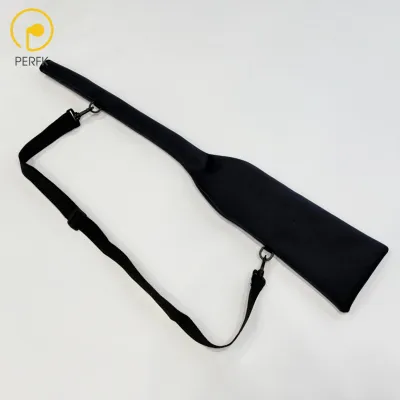
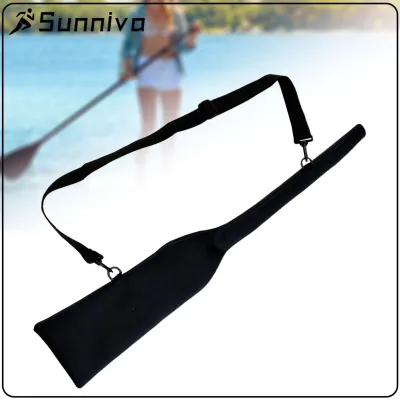
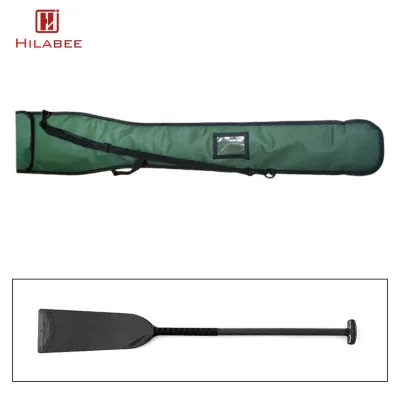
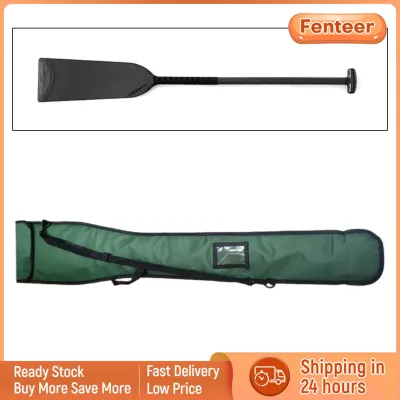
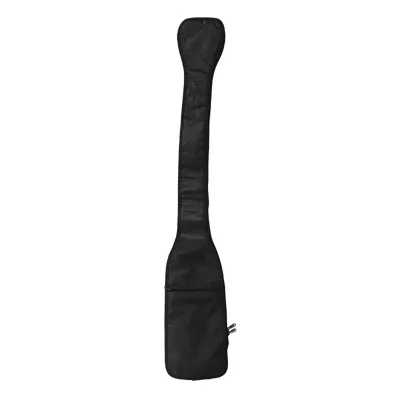
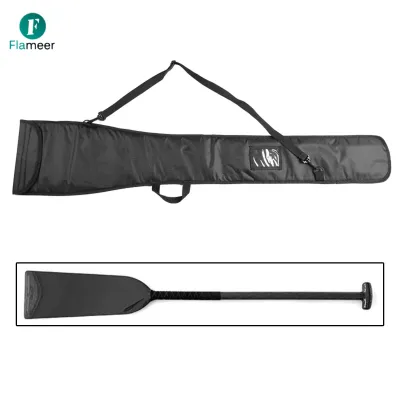
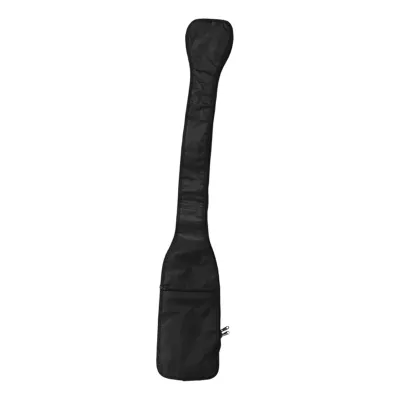
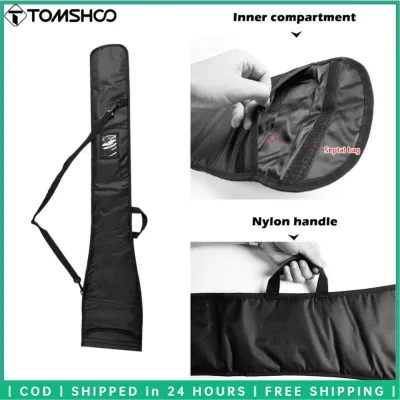
Prices are valid at publication and may change. Please refer to the product page for the latest price.
When deciding between single-paddle covers and multi-paddle team bags, consider your roster size and transport logistics. Single-paddle covers are ideal for individual athletes who manage their own gear. These covers are lightweight, compact, and easy to carry on public transport such as jeepneys, buses, or light rail transits. They typically feature a simple shoulder strap and a small pocket for personal items, making them perfect for daily training sessions.
For clubs and competitive teams, multi-paddle bags are indispensable for collective logistics. These bags are designed to hold 5, 10, or even 20+ paddles in a single unit. When managing gear for a large roster, consolidating paddles into a few high-capacity bags simplifies loading into team vans or utility vehicles and significantly reduces the risk of individual paddles being left behind at the race venue. However, high-capacity bags become extremely heavy when fully loaded, requiring robust construction and ergonomic carrying options.
Internal organization is another crucial aspect of capacity management. In a multi-paddle bag, paddles can easily clatter against each other during transit, leading to scratches, cosmetic damage, or structural micro-cracks. Look for bags that feature individual padded sleeves or thick fabric dividers. These dividers isolate each paddle, ensuring that blades do not rub against metal T-grips or other carbon fiber surfaces, preserving the integrity of expensive team equipment.
Evaluating Material and Durability Features
The tropical climate of the Philippines presents unique challenges for sports gear preservation. High humidity, intense solar radiation, and frequent exposure to salt water and rain mean that paddle bags must be constructed from highly durable materials. The outer shell of the bag must withstand rough handling on concrete docks, sandy beaches, and gravel pathways. Heavy-duty nylon (such as 600D or 1200D polyester) and industrial-grade PVC tarpaulin are the preferred choices for exterior fabrics. Tarpaulin is exceptionally abrasion-resistant, completely waterproof, and easy to wipe clean, making it highly suitable for the muddy banks of local rivers and coastal training sites.

Water resistance is a non-negotiable feature for any paddle bag used in tropical environments. A high-quality bag should feature a water-resistant outer shell and a waterproof inner lining. This lining serves a dual purpose: it prevents external rain or river splash from soaking through to the paddles, and it stops wet paddles from leaking onto car seats or team buses after a long training session. Look for polyurethane (PU) or thermoplastic polyurethane (TPU) coatings on the interior fabric, which provide an effective barrier against moisture penetration.
While water resistance is vital, a completely sealed bag can trap moisture, leading to mold, mildew, and unpleasant odors. This is particularly true in the hot and humid conditions of the Philippines, where trapped moisture can rapidly degrade paddle grips, wax, and bag linings. To prevent this, high-quality paddle bags incorporate integrated mesh vents or brass grommets that allow air circulation. These ventilation features help dry out residual moisture and keep the interior of the bag fresh.
Zippers and hardware are often the first points of failure on water sports bags. Standard metal zippers will quickly corrode and seize when exposed to salt water and humid air. Opt for heavy-duty, marine-grade plastic zippers (such as YKK molded plastic zippers) or zippers treated with specialized anti-corrosion coatings. The zipper pulls should be large and easy to grip, allowing paddlers to operate them easily even with wet or cold hands.
Finally, pay close attention to the reinforcement and stitching of the bag. The bottom of a multi-paddle bag bears the brunt of the weight when stood upright or dragged across the ground. Ensure the base is reinforced with extra layers of heavy-duty material, rubberized skids, or thick foam padding. Double or triple stitching at major stress points, such as strap attachments, handles, and zipper seams, prevents tearing under the weight of multiple paddles and ensures the bag survives seasons of rigorous use.
Comparing Transport and Handling Options
Transporting a fully loaded team paddle bag across a crowded regatta venue or through transit hubs requires thoughtful ergonomic features. For single or low-capacity bags, a wide, adjustable, and padded shoulder strap is usually sufficient for comfortable carrying. However, for larger team bags holding 10 or more paddles, integrated backpack straps are highly beneficial. These straps should be heavily padded and adjustable to distribute the weight evenly across the shoulders and hips, reducing fatigue and leaving the paddler’s hands free to carry other essential gear.
In addition to shoulder straps, robust grab handles are essential for manual handling and loading. Multi-paddle bags should feature heavy-duty grab handles on both ends and the center. These handles facilitate easy lifting when loading the bag into the back of a van, jeepney, or boat trailer. Look for handles made of thick, reinforced webbing with comfortable rubber or neoprene grips to prevent hand strain during transport.
For teams that travel frequently for national or international competitions, wheeled paddle bags offer unmatched convenience. Heavy-duty inline skate wheels and a rigid bottom frame allow the bag to be rolled easily through airport terminals, paved parking lots, and flat venue pathways. Ensure the wheel housings are rugged and elevated enough to clear uneven ground without scraping the bag’s fabric, and look for telescopic or reinforced pull handles that can withstand the leverage required to steer a heavy bag.
External storage and load stability features further enhance the utility of a paddle bag. External zippered pockets are highly practical for storing essential accessories such as paddle wax, grip tape, small tools, and personal items. Compression straps on the exterior of the bag allow you to tighten the load, keeping the paddles securely in place and preventing them from shifting during transit. This not only protects the paddles but also reduces the overall profile of the bag, making it easier to pack into tight vehicle spaces.
Sourcing and Verifying Gear Locally
Navigating the local market in the Philippines to source high-quality dragon boat paddle bags requires a systematic approach. Specialized water sports retailers, official brand distributors, and reputable online marketplaces are the primary channels for finding these bags. Local dragon boat associations and experienced club members are also valuable resources, as they often have direct connections with manufacturers or distributors who specialize in paddling gear and can recommend trusted local suppliers.
When purchasing bags for an entire team, verifying the seller’s credentials and understanding the terms of the sale is crucial. Look for established sellers who offer clear return policies, especially for manufacturing defects, and inquire about warranty terms. Many local distributors and custom gear makers offer bulk discounts for team orders, which can significantly lower the cost per unit. It is advisable to establish direct communication with the seller to discuss customization options, such as printing the team’s logo or name on the bags.
Online product listings sometimes lack detailed measurements or material specifications. Before finalizing a bulk purchase, contact the seller to request exact internal dimensions, zipper types, and material grades. If possible, ask for close-up photos of the stitching, internal dividers, and base reinforcement to ensure the bag meets your team’s durability standards. This verification step prevents the disappointment of receiving bags that are too small or made of substandard materials.
If purchasing locally from a physical store or coordinating with a local custom gear maker, bring your team’s longest paddle to test the fit in person. Check how easily the paddle slides into the bag, whether the T-grip fits comfortably without stretching the fabric, and how secure the paddle feels when the bag is carried. Testing the gear in person provides immediate feedback on the bag’s quality, ergonomics, and suitability for your team’s specific needs.
Frequently Asked Questions (FAQ)
Can I use a standard surfboard or kayak bag for dragon boat paddles?
Standard surfboard or kayak bags are generally not suitable for dragon boat paddles due to significant differences in shape and dimensions. Surfboard bags are much wider and flatter, while kayak paddle bags are designed for long, two-piece paddles and lack the specific width required for a dragon boat paddle’s wide blade and T-grip. Using an ill-fitting bag can cause the paddles to shift constantly, leading to blade chipping or shaft damage. Furthermore, generic bags rarely feature the dedicated internal dividers necessary to keep multiple dragon boat paddles isolated and protected from rubbing against one another during transport.
How should I clean and maintain a paddle bag after a regatta?
Proper maintenance is essential to prolong the life of your paddle bag, especially after exposure to salt water, sand, and mud. Begin by removing all paddles and accessories from the bag. Rinse the exterior with fresh water to remove salt residue, sand, and dirt, paying close attention to the zippers. Use a soft brush or cloth to gently clean the zipper tracks. Open all compartments and hang the bag upside down in a shaded, well-ventilated area to air dry completely. Avoid leaving the bag in direct sunlight for extended periods, as UV rays can degrade the fabric and water-resistant coatings. Ensure the bag is entirely dry before storing it to prevent mold and mildew growth.
Community discussion
Share your experience or ask a question. Comments are reviewed before publication.