
Securing an electric bicycle in a shared condominium parking area in the Philippines requires a strategic approach to physical security. Because e-bikes represent a significant financial investment and are highly mobile, they are attractive targets for opportunistic theft. The ideal e-bike lock for condo parking balances high security with the physical constraints of shared racks, typically favoring heavy-duty U-locks or robust chain locks depending on the available anchor points.
Condo parking spaces—whether they are multi-level basement parking zones, open-air ground slots, or dedicated utility rooms—present unique challenges. High humidity, exposure to tropical rain in semi-outdoor areas, and the constant movement of residents, delivery personnel, and maintenance staff mean your security setup must be both physically formidable and weather-resistant. By understanding your specific parking environment and matching it with the correct lock specifications, you can significantly reduce the risk of theft and gain peace of mind.
Assessing Your Condo Parking Environment
Before purchasing an ebike lock, you must carefully evaluate the physical infrastructure of your condominium’s designated parking area. Walk down to your assigned slot or the shared bicycle zone and identify the available anchor points. Look for permanently anchored metal bike racks, heavy-duty ground anchors, or thick, structural steel railings. Take note of their thickness and shape; a lock that is too small will not fit around a wide concrete pillar or a thick metal pipe, rendering it useless.
Products mentioned in this guide
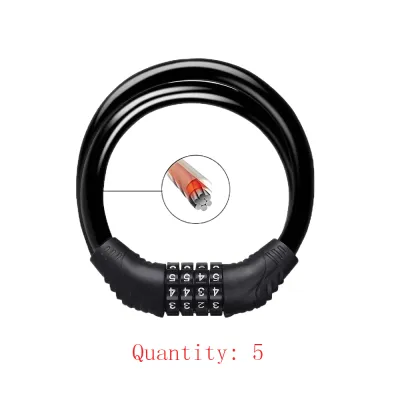
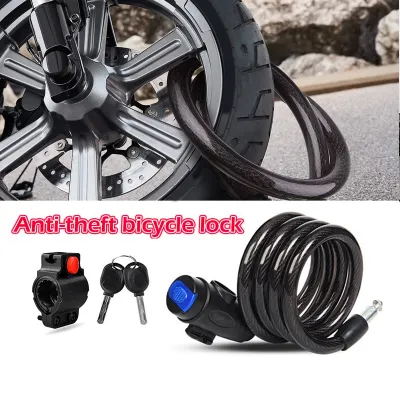
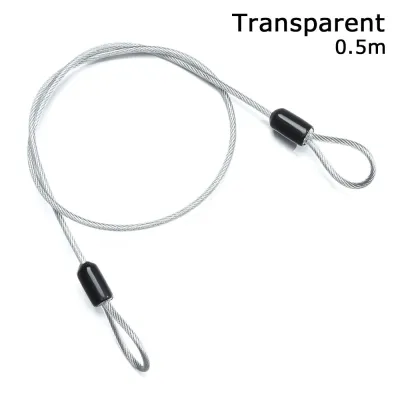
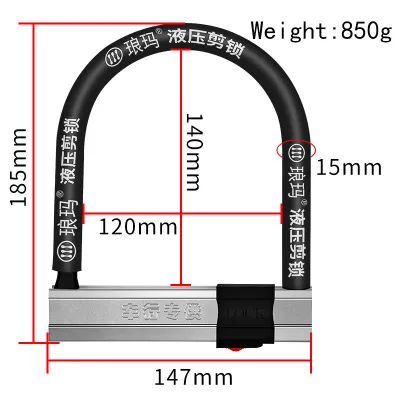
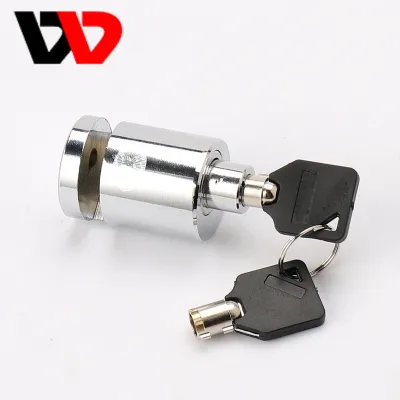
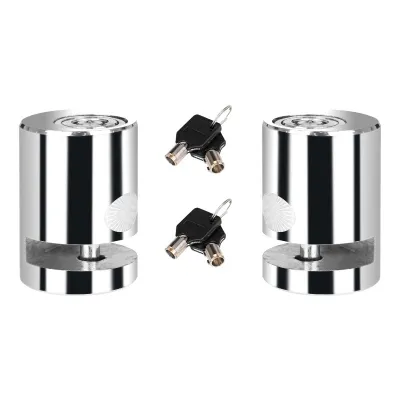
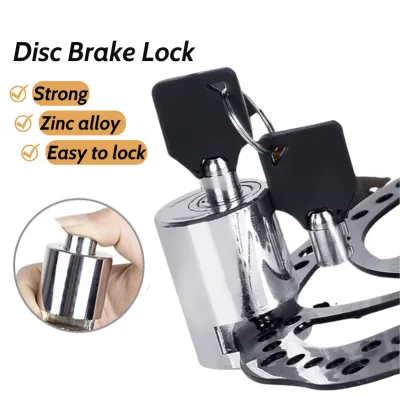
Prices are valid at publication and may change. Please refer to the product page for the latest price.
Next, consult your condominium management or homeowners’ association (HOA) guidelines. Many residential buildings in the Philippines have strict rules regarding where personal mobility devices can be stored. Some administrations prohibit parking e-bikes in car slots, while others restrict locking them to common railings, fire escapes, or utility pipes. Ask if there are specific permitted lock types, designated charging zones, or security camera blind spots you should avoid.
Finally, evaluate the physical space around your parking slot. If you park in a tight basement corner next to cars, a bulky, rigid lock might be difficult to maneuver. Conversely, if you have a spacious, dedicated slot, you can easily accommodate a heavier, more substantial locking system.
Comparing E-Bike Lock Types for Shared Spaces
Different locking mechanisms offer distinct advantages depending on how your condo parking is configured. To choose the right tool for the job, you must weigh security levels, flexibility around thick anchor points, and daily portability. The following breakdown compares the three primary lock types to help you find the best fit for your daily routine and storage setup.

U-Locks (D-Locks)
U-locks, also known as D-locks, are widely regarded as one of the most secure options for urban parking. Their rigid, hardened steel construction offers excellent resistance against leverage attacks, crowbars, and bolt cutters, especially when fitted tightly around the bike frame and a secure anchor. Because there are no moving joints along the main shackle, a thief faces a highly challenging task when attempting to break or cut the lock.
However, this rigid structure also limits their flexibility. If your condo parking area only has thick concrete pillars or wide metal pipes, a standard U-lock may not be wide enough to span the distance between your e-bike frame and the anchor point. To avoid this issue, always measure the distance from your frame to the rack before buying. Check the manufacturer’s product specifications for the internal dimensions and shackle thickness to ensure a proper fit.
Chain Locks
Chain locks consist of heavy-duty, hardened steel links encased in a protective fabric sleeve, offering the flexibility that rigid locks lack. This design is highly advantageous in condo basements where you might need to secure your e-bike to awkwardly shaped pillars, thick railings, or multiple anchor points simultaneously. The flexible nature of a chain also makes it easier to weave through the frame and rear wheel, securing multiple components at once.
The primary trade-off with chain locks is their substantial weight and bulk. A high-security chain can be heavy and cumbersome to carry on your daily commute through city traffic. If you plan to leave the chain permanently locked to your assigned condo parking rack, this weight is less of an issue. When shopping, verify the chain link thickness and material on the manufacturer’s label, looking for hardened steel alloys designed to resist sawing and cutting.
Folding Locks
Folding locks offer a modern compromise, combining the rigidity of a U-lock with a degree of the flexibility found in chain locks. They consist of steel plates linked together by rotating rivets, allowing the lock to fold down into a highly compact shape. This compact profile makes them exceptionally easy to mount directly to your e-bike’s frame bottle cage mounts, keeping your ride streamlined and lightweight.
While highly convenient, the folding design introduces potential vulnerabilities. The rotating joints and rivets can be targeted by thieves using specialized splitting tools or drills. To mitigate this risk, look for models that feature reinforced, drill-resistant rivets and thick steel plates. Because of these structural joints, folding locks are best suited for well-lit, high-traffic condo parking areas with active security guards, rather than isolated, unmonitored basement corners.
Essential Security Features to Verify
When shopping for an ebike lock in the Philippines, do not rely solely on attractive packaging or vague marketing claims. You must verify specific technical details on the product label or manufacturer’s specification sheet to ensure the lock can withstand real-world attack methods.
First, examine the material and thickness. Look for locks constructed from hardened steel or steel alloys, which are treated to resist hacksaws and bolt cutters. For U-locks, a shackle thickness of 13mm or greater is generally recommended for high-risk areas. For chain locks, look for link diameters of at least 8mm to 10mm.
Second, check the locking mechanism itself. High-quality locks typically utilize disc detainer cylinders rather than standard pin tumbler systems. Disc detainer cylinders are highly resistant to picking and drilling, making it much more difficult for a thief to bypass the lock quietly. Ensure the product specifications explicitly mention anti-pick, anti-drill, or anti-pull protection.
Third, look for independent security ratings. Reputable manufacturers submit their products to independent testing organizations, such as Sold Secure or ART. These organizations rate locks based on how long they can resist various tools. A lock with a “Sold Secure Gold” or “ART 3-star” rating provides verified security that goes beyond brand promises.
Finally, balance your budget with the value of your e-bike. High-security locks are a necessary investment, and allocating around 10% to 15% of your e-bike’s value toward security accessories is a sensible rule of thumb. In the local market, spending a few thousand pesos (₱) on a certified lock is far more economical than replacing a stolen e-bike.
Practical Locking Techniques for Shared Racks
Even the strongest lock can fail if it is applied incorrectly. To maximize your security in a shared condo parking environment, you must adopt smart locking habits every time you park your e-bike.
Implement a double-lock strategy to deter thieves. Use a heavy-duty U-lock or chain lock as your primary security measure, securing the e-bike frame and the rear wheel directly to the fixed anchor point. Then, use a secondary lock—such as a folding lock or a heavy cable—to secure the front wheel and any quick-release components to the frame. This forces a potential thief to bring multiple types of cutting tools, which increases the time and effort required to steal the bike.
Pay close attention to lock positioning. Always keep your lock off the ground and avoid letting it drape onto the concrete floor. If a lock or chain is resting on the ground, a thief can use the floor as an anvil, using a hammer or bolt cutters with body weight to crush or cut through the metal. Keeping the lock high up and tightly fitted makes leverage attacks much more difficult to execute.
Minimize the amount of open space inside the lock. When using a U-lock, orient it so that the open gap is filled as much as possible by the bike frame, wheel, and anchor post. Reducing this slack prevents thieves from inserting hydraulic jacks or pry bars into the lock to pop it open.
Lastly, secure your battery. The battery is often the most expensive single component on an e-bike. If your battery is detachable, the safest practice is to remove it and carry it up to your condo unit, especially if you park overnight. If the battery must remain on the bike, ensure it is locked with its integrated key mechanism, or use an additional specialized locking strap to secure it to the frame.
Frequently Asked Questions (FAQ)
Can I use a standard cable lock for my e-bike in a condo?
Standard cable locks are not recommended as a primary security measure for e-bikes in shared condo parking areas. These locks consist of thin braided steel wires encased in plastic, which can be cut silently in seconds using basic hand-held wire cutters or small bolt cutters. While they are lightweight and easy to carry, they offer minimal resistance against determined thieves. You should only use a cable lock as a secondary deterrent to secure low-value accessories, such as your helmet or seat, or to provide extra security for your front wheel in combination with a heavy-duty primary lock.
Do I need to register my e-bike or lock with condo management?
Yes, it is highly recommended to check with your condominium’s administration office regarding their specific registration policies. Many condo properties in the Philippines require residents to register their bicycles and e-bikes to manage parking space allocation and maintain security. You may be issued a parking sticker or tag to display on your frame. While registering the lock itself is uncommon, providing the administration with your e-bike’s serial number, make, model, and a photo of your locked setup helps security guards identify unauthorized handling and assists in proving ownership if any disputes arise.

Community discussion
Share your experience or ask a question. Comments are reviewed before publication.