
To choose the right ear cover for your child’s water activities, you must match the gear type—swim caps with ear pockets, silicone ear plugs, or neoprene ear bands—to your child’s age, comfort tolerance, and the specific water environment. For active swimming lessons, a combination of ear plugs and a secure band or cap works best, while casual splashing or bath time may only require a soft, lightweight band or moldable silicone plugs. Always verify the manufacturer’s age and sizing guidelines to ensure a safe, watertight fit.
Quick Guide to Kids' Water Ear Covers
Protecting a child’s ears during water activities requires understanding the distinct tools available. Parents generally choose from three primary options: swim caps with specialized ear pockets, moldable or pre-molded silicone ear plugs, and adjustable neoprene ear bands. Each option serves a unique role in managing water exposure.
The primary decision factor is matching the gear to your child’s age, comfort tolerance, and the specific water activity. A toddler splashing in a shallow pool has different needs than an older child practicing flip turns in a swim class. Proper fit and strict adherence to manufacturer age guidelines serve as the baseline for any selection. No single ear cover is universal for every setting, so verifying the product specifications before use is essential for safety and comfort.
Products mentioned in this guide
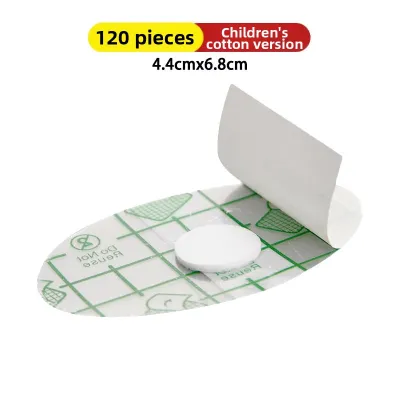
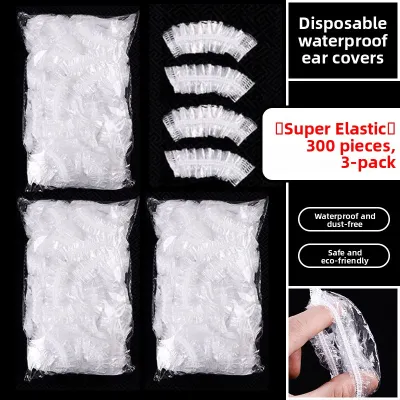
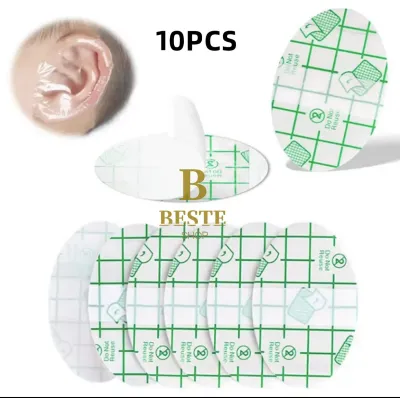
Prices are valid at publication and may change. Please refer to the product page for the latest price.
Comparing the Three Main Types of Ear Covers
Understanding the structural differences, advantages, and limitations of each ear cover type allows you to make an informed choice.

Swim Caps with Ear Pockets These specialized caps feature extra space molded into the sides to cover the ears without pressing them flat against the head. Typically made of high-stretch silicone or latex, they provide broad coverage and help keep hair relatively dry while protecting the ears from direct splashes. Because they cover the entire scalp, they also offer a streamlined profile in the water. However, they do not create an absolute, pressurized seal inside the ear canal, meaning some water may still seep in during full submersion.
Silicone Ear Plugs Silicone plugs come in two main varieties: moldable putty and pre-molded shapes. Moldable silicone putty can be gently shaped to fit the unique contours of the outer ear canal, creating a highly customized, water-blocking seal. Pre-molded silicone plugs often feature a flanged design that inserts slightly into the canal. Both types are highly effective at blocking water when fitted correctly. While basic moldable silicone plugs may only cost a few hundred ₱, parents must always check the manufacturer’s age restrictions, as small plugs can pose a choking hazard for infants and toddlers.
Neoprene Ear Bands Neoprene ear bands feature a wrap-around design with an adjustable hook-and-loop closure. These bands are designed to fit snugly around the hairline, covering the ears completely. While they provide a helpful splash barrier, their primary function is to hold silicone ear plugs securely in place, preventing them from falling out during active play. The soft, elastic nature of neoprene offers excellent comfort, but the material’s durability and water resistance depend heavily on proper thickness and stitching, which should be verified on the product label.
Matching Ear Covers to Your Child's Water Activities
Aligning gear features with the physical demands and environment of different water settings is crucial. Water pressure, duration of submersion, and exposure to sand or debris dictate the required level of ear protection. Always verify the manufacturer’s intended use and age recommendations for the specific product before heading to the water.
Swimming Lessons and Lap Swimming
Structured swimming lessons involve repetitive head movements, breathing drills, and frequent, full submersion. These activities subject a child’s ears to continuous water pressure and movement, which can easily dislodge loose-fitting gear.
To maintain a reliable barrier, parents often consider combining moldable silicone plugs with a neoprene ear band or a swim cap with ear pockets. This dual-layer approach ensures that even if the child turns their head rapidly, the plugs remain firmly in place. Before purchasing, check if the chosen gear complies with your swim school’s specific safety and equipment regulations. Some facilities have strict rules regarding what children can wear in the pool to ensure instructors can communicate clearly with students during lessons.
Beach Play and Outdoor Water Fun
The beach presents unique environmental challenges, particularly in tropical climates like the Philippines, where warm coastal waters, fine sand, and windy conditions are common. Active, unpredictable play in the surf can easily wash away standard ear plugs.
Keeping sand and saltwater out of the ear canals is a priority, as abrasive particles can cause discomfort and irritation. A snug neoprene ear band is highly effective in these environments because it resists wind, holds plugs secure, and stands up to active movement. When selecting gear for open water, look for high-visibility colors like bright orange, yellow, or neon green to help keep your child visible to supervisors, subject to product availability. Ensure the materials are rated for saltwater exposure to prevent premature wear.
Bath Time and Casual Splashing
For shallow water activities like bath time or casual backyard splashing, full submersion is rare, and water pressure is minimal. The primary goal here is comfort, ease of use, and quick application.
Simple silicone plugs or lightweight neoprene bands are often preferred over full swim caps for casual play. These options are less restrictive and allow the child to enjoy the water without feeling overheated or confined. When choosing gear for bath time, check for skin sensitivity, as soap residue can sometimes collect under silicone or neoprene and cause mild irritation. Ensure the selected ear cover is easy to remove gently without pulling on wet hair, making the transition out of the tub smooth and tear-free.
Ensuring a Safe and Comfortable Fit for Kids
Even the highest-quality ear cover will fail to protect your child if it does not fit correctly. Parents must perform regular visual and physical checks to verify a proper seal and appropriate strap tension.
When fitting a neoprene band, ensure it is snug enough to stay in place during movement but not so tight that it leaves deep red marks, restricts circulation, or causes discomfort. For silicone ear plugs, visually inspect the seal to ensure the putty covers the ear canal opening completely without being pushed too deep inside.
Never modify ear covers or attempt to cut down adult-sized equipment to fit a child. Doing so can compromise the material’s integrity and safety features. Always consult the manufacturer’s sizing chart, which typically uses head circumference or age ranges to guide your purchase.
Water safety and physical comfort must always come first. If your child complains of ear pain, exhibits signs of skin irritation, or if you suspect water has remained trapped in the ear canal after activity, stop using the gear immediately and consult a pediatrician. Remember, ear covers are designed to assist with comfort and hygiene; they do not replace active adult supervision or proper water safety training.
Cleaning, Drying, and Maintaining Ear Covers
Proper maintenance is essential to preserve the hygiene and material integrity of your child’s ear covers, especially in humid tropical environments where mold and bacteria thrive quickly.
After every use, rinse the gear thoroughly in clean, fresh water to remove chlorine, salt, sand, or soap residue. Follow the standard material care labels closely; some silicone plugs can be washed with mild soap, while neoprene bands require gentle hand-washing.
Once rinsed, allow the gear to air-dry completely in a shaded, well-ventilated area. Avoid direct sunlight, as intense heat can degrade neoprene, weaken adhesives, and cause silicone to become brittle.
Regularly inspect the gear for observable signs of wear. Look for a loss of elasticity in bands, tears or thinning in swim caps, or hardened, non-pliable silicone in ear plugs. If you observe any of these changes, replace the item immediately to ensure continued protection and safety during your child’s next water adventure.
Frequently Asked Questions (FAQ)
Can my toddler use the same ear plugs as older children?
Ear canal sizes vary significantly as children grow, and manufacturers design ear plugs with specific age or weight limits in mind. Standard ear plugs made for older children or adults will not fit a toddler’s smaller ear canal properly and can pose serious choking or impaction risks. Always check the product packaging for pediatric-specific sizing. It is highly recommended to consult a pediatrician before using any ear plugs on toddlers to ensure they are safe and appropriate for your child’s developmental stage.
Do neoprene ear bands keep water out completely on their own?
Neoprene ear bands are not designed to create a completely watertight seal on their own. Instead, their primary purpose is to provide a comfortable splash barrier and to hold moldable silicone ear plugs securely in place during active movement. To understand the exact water-resistance level and intended use of a specific band model, always check the manufacturer’s specifications. For maximum water protection, pair the band with high-quality, properly fitted ear plugs.
Community discussion
Share your experience or ask a question. Comments are reviewed before publication.