
Choosing the right ear plugs for swimming is the most effective way to keep water out of your ear canals, preventing the discomfort and infections commonly known as swimmer’s ear. Whether you are training in a local competition pool, enjoying a casual dip, or navigating open coastal waters, a secure seal is essential. The ideal choice depends on finding a balance between material composition, your unique ear anatomy, and the specific water conditions you encounter.
To make an informed decision, you must evaluate how different designs interact with your ear canal and how well they withstand regular exposure to chlorine, salt water, and high humidity. A poorly fitting plug not only lets water seep in but can also cause painful pressure points or easily get lost during a swim. By understanding the mechanics of waterproof seals and matching them to your personal swimming habits, you can protect your ears without sacrificing comfort.
Identify Your Swimming Needs and Ear Anatomy
Your swimming environment and the physical shape of your ears are the primary factors that dictate which ear plugs will perform reliably. Casual pool swimmers who spend limited time underwater have different requirements than competitive athletes or open-water swimmers. In open-water environments, such as tropical seas, waves and currents increase the risk of ear plugs dislodging, making secure retention features a high priority. Conversely, lap swimmers in chlorinated pools need materials that can withstand chemical exposure over long training sessions.
Products mentioned in this guide
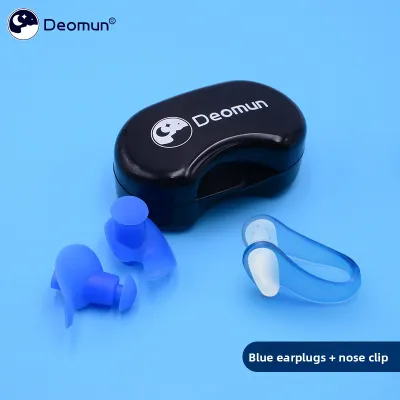
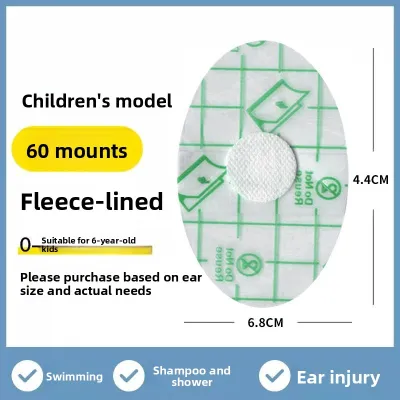
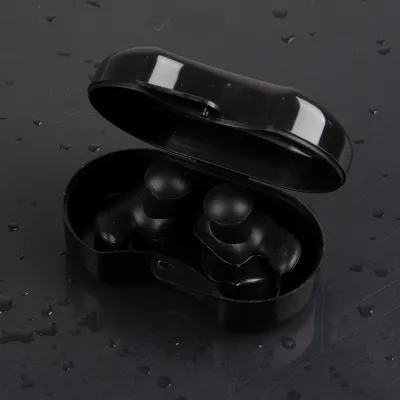
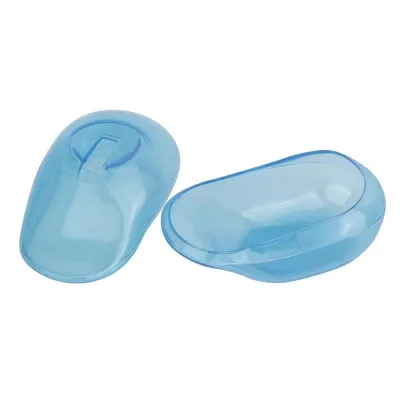
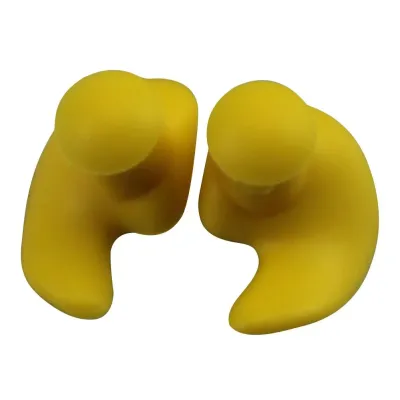
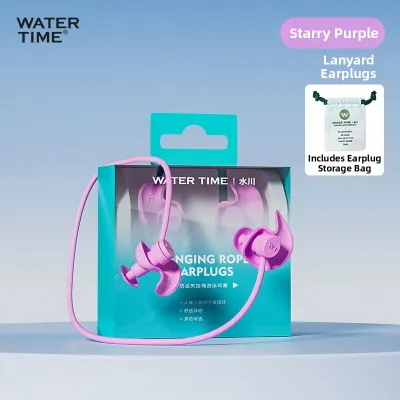
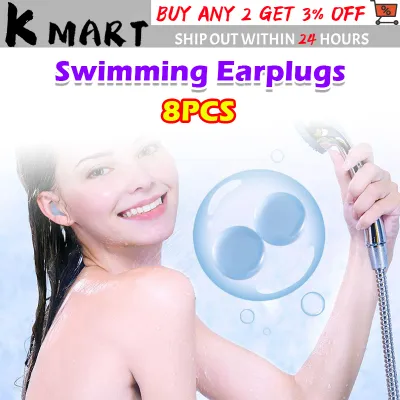
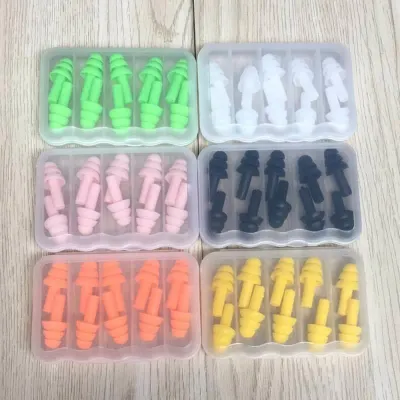
Prices are valid at publication and may change. Please refer to the product page for the latest price.
Ear canal anatomy varies significantly from person to person, meaning a one-size-fits-all approach rarely succeeds. Some individuals have narrow, highly curved, or shallow ear canals that make standard pre-molded plugs uncomfortable or ineffective. For these unique shapes, moldable silicone putty offers a customizable alternative that seals the outer ear opening without entering the canal itself. If you have wider or straighter canals, pre-molded flanged plugs can slide in easily to establish a deep, secure barrier.
Existing ear conditions also play a critical role in your selection process. Swimmers recovering from middle ear infections, those with tympanostomy tubes, or individuals prone to swimmer’s ear require an exceptionally reliable, watertight seal. In these cases, standard recreational plugs may not offer sufficient protection, and consulting an audiologist for custom-fitted options is often the safest course of action.
Compare Ear Plug Materials and Seal Mechanisms
Waterproof ear plugs rely on different materials and sealing mechanisms to block water entry, each with distinct advantages and trade-offs. Silicone putty is a popular choice for its moldability and comfort. This material is designed to be flattened over the external opening of the ear canal, creating a custom-shaped seal that conforms to the outer ear. While silicone putty is comfortable and excellent for sensitive ears, it is generally less durable than other options, can collect hair and debris, and must be replaced frequently to maintain hygiene.

Pre-molded silicone or rubber plugs feature a structured design, often utilizing multiple flexible rings or flanges that compress as they enter the ear canal. This design creates a series of physical barriers against water. Pre-molded plugs are highly reusable, easy to clean, and provide a deep-canal seal that remains stable during vigorous swimming. However, because their shape is fixed, finding a comfortable fit depends entirely on matching the plug’s dimensions to your ear canal size; a mismatch can lead to water leakage or painful pressure.
Thermoplastic elastomers (TPE) and wax are alternative materials used in some specialized ear plugs. TPE plugs often soften slightly when exposed to body heat, allowing them to conform more closely to the shape of the ear canal over time. Wax ear plugs, similar to silicone putty, are moldable and seal the outer ear, but they can become overly soft or sticky in hot, tropical climates, making them less practical for outdoor swimming in warm regions. When selecting any material, always check the manufacturer’s specifications to verify that the product is rated specifically for swimming and is made from hypoallergenic, medical-grade materials to prevent skin irritation.
Evaluate Fit, Comfort, and Retention Features
Achieving a watertight seal without causing physical discomfort requires a careful evaluation of fit and retention features. For pre-molded plugs, the length of the stem and the size of the flanges are critical. A stem that is too long may interfere with your swim cap or rub against the outer ear, while flanges that are too large can cause aching in the ear canal. Many manufacturers offer multi-sized packs or plugs with double or triple flanges, allowing you to test which size provides the most secure barrier without stretching the delicate skin of the canal.
Retention features are especially important if you swim in active waters or participate in high-intensity training. Some ear plugs feature ergonomic wing tips that tuck into the folds of the outer ear, providing extra stability against the force of moving water. Other models come with a lightweight, detachable connecting cord that keeps the plugs paired and allows you to hang them around your neck when not in use. This cord is highly beneficial for open-water swimmers, as it prevents a dropped plug from sinking to the bottom of the sea or pool.
Before heading to the water, it is wise to test the seal of your ear plugs on dry land. After inserting the plugs, perform a simple hum test: your own voice should sound deeper and more resonant, indicating a successful acoustic and physical seal. Gently tug on the stem or outer edge of the plug; a properly fitted plug should resist removal slightly due to the vacuum seal. If you experience immediate pressure pain, itching, or if the plug slips out with the slightest movement, the fit is incorrect, and you should try a different size or style.
Step-by-Step Guide to Fitting and Wearing Your Ear Plugs
Proper insertion technique is just as important as choosing the right material, as even a high-quality ear plug will leak if fitted incorrectly. Before handling your ear plugs, wash your hands thoroughly with soap and water to avoid transferring bacteria into your ears. Use a clean towel to dry your outer ear completely. In humid environments, moisture can easily become trapped inside the ear canal if you insert plugs while the skin is still wet, creating an ideal breeding ground for fungal and bacterial infections.
If you are using moldable silicone putty plugs, roll a single plug into a smooth ball between your palms. Place the ball over the clean, dry opening of your ear canal and press gently to flatten it until it covers the opening completely and forms a smooth seal. Never shape the putty into a cone or push it directly into the ear canal, as it can become lodged and require professional medical removal. The putty should lie flat against the outer ear, secured by the natural contours of your ear cartilage.
For pre-molded flanged plugs, reach over your head with your opposite hand and gently pull the top of your ear upward and backward. This movement straightens the natural curve of your ear canal, allowing for a smoother and deeper insertion. With your other hand, gently insert the plug using a slight twisting motion until the flanges create a comfortable seal. Stop immediately if you feel sharp pain, dizziness, or excessive pressure, as these are signs that the plug is inserted too deeply or is the wrong size for your anatomy.
Cleaning, Maintenance, and Replacement Indicators
Proper maintenance extends the life of your swimming ear plugs and protects your ears from infections. After every swim, rinse your reusable plugs thoroughly in clean, fresh water to remove chlorine, salt, sand, or organic matter. For silicone or plastic plugs, a mild, non-abrasive soap can be used to remove stubborn oils and earwax. Avoid using harsh chemical cleaners, alcohol, or boiling water, as these can degrade the material, causing it to harden, crack, or lose its flexibility.
Once cleaned, allow the ear plugs to air dry completely in a shaded, well-ventilated area before storing them. In warm, humid climates, storing damp ear plugs in a sealed container can lead to rapid mold and bacterial growth. Always use the protective storage case provided by the manufacturer to keep the plugs clean and prevent them from collecting dust or getting lost in your swim bag. Keep the storage case away from direct sunlight and extreme heat, such as inside a parked car, which can warp plastic and melt moldable wax or putty.
You must inspect your ear plugs regularly for physical signs of wear and tear that indicate they need to be replaced. For moldable silicone putty, a loss of stickiness, accumulation of debris, or crumbling texture means it is time to discard them. For pre-molded plugs, look for cracking along the flanges, hardening of the silicone, permanent deformation, or discoloration. Using degraded ear plugs compromises the waterproof seal and increases the risk of material breaking off inside your ear canal.
Frequently Asked Questions (FAQ)
Can I use regular foam ear plugs for swimming?
No, regular foam ear plugs are designed exclusively for noise reduction and are highly absorbent. When exposed to water, foam acts like a sponge, soaking up moisture and holding it directly against your ear canal, which increases the risk of infection. Additionally, wet foam loses its expansion properties, causing the plug to slip out of the ear. For swimming, you must use plugs made from non-porous, waterproof materials like silicone, rubber, or specialized thermoplastic elastomers.
Do swimming ear plugs block out all sound?
Swimming ear plugs are designed to block water, not sound, though they will naturally muffle environmental noise to some degree. The level of sound reduction depends on the material density and how deeply the plug seals the ear canal. While you will still be able to hear loud noises and voices, your situational awareness will be slightly altered. In open-water swimming, where hearing boat traffic or safety whistles is crucial, look for specialized swim plugs that feature acoustic filters designed to let sound pass through while keeping water out.
Are custom-molded ear plugs worth the investment?
For frequent swimmers, competitive athletes, or individuals with chronic ear issues, custom-molded ear plugs are often a highly worthwhile investment. These plugs are crafted from a precise impression of your ear canal taken by a hearing professional, ensuring a highly secure fit and a reliable seal. While they carry a higher upfront cost than over-the-counter options, their durability and comfort over long-term use can make them more economical over time. For casual or occasional swimmers, high-quality moldable putty or multi-sized pre-molded plugs typically provide sufficient protection at a lower cost.
Community discussion
Share your experience or ask a question. Comments are reviewed before publication.