
Finding the right earplugs for swimming in the Philippines requires balancing water exclusion, comfort, and durability against the local tropical climate. Whether you are training in a chlorinated pool in Metro Manila or swimming in the salty waters of Batangas, keeping water out of your ears is essential for preventing discomfort and external ear canal irritation. The ideal choice depends on your ear shape, swimming frequency, and personal comfort preferences.
To make an informed decision, you must evaluate the physical design of the earplugs, the materials used, and how well they withstand high humidity and local water conditions. This guide breaks down the essential factors to help you select the most reliable ear protection for your aquatic activities.
Why You Need Dedicated Earplugs for Swimming
Standard noise-reduction earplugs, particularly those made of expandable foam, are entirely unsuitable for aquatic environments. Foam plugs are designed to be porous so they can absorb sound waves, but this physical structure also makes them act like sponges when they come into contact with water. Once saturated, they lose their shape, slip out of the ear canal, and fail to provide any barrier against moisture.
Products mentioned in this guide
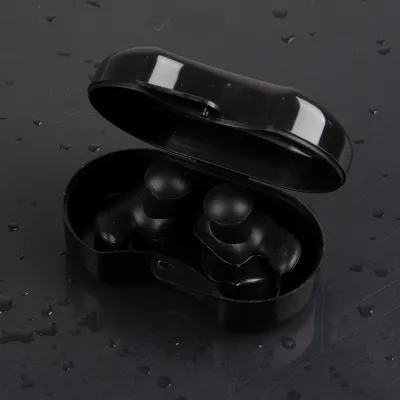
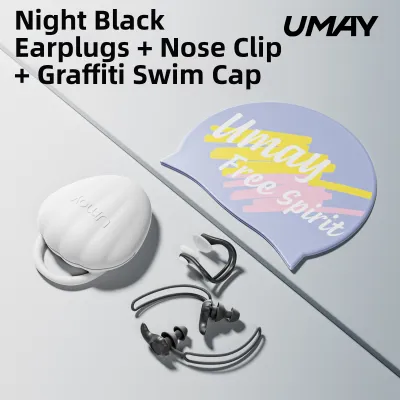
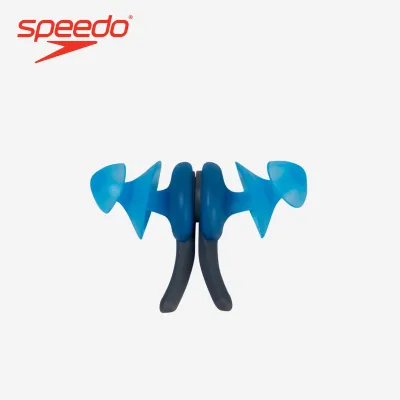
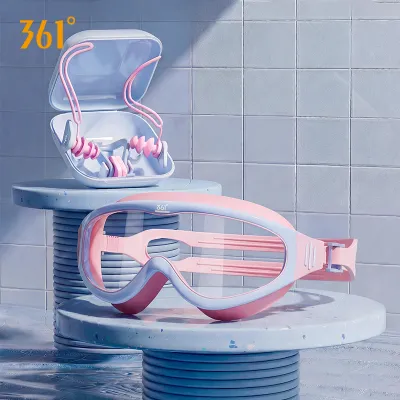
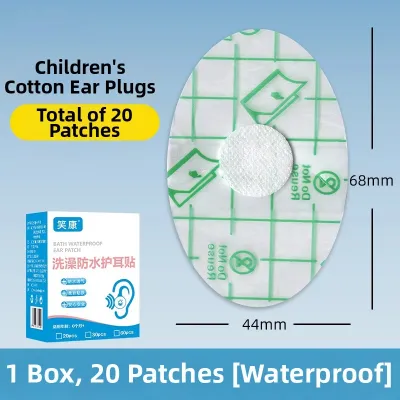
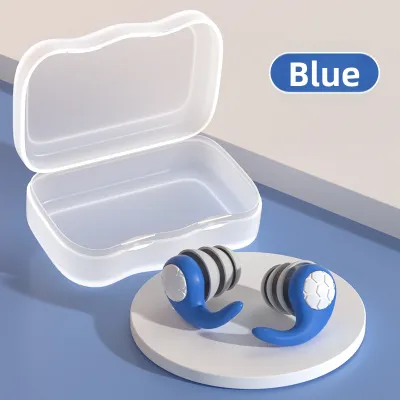
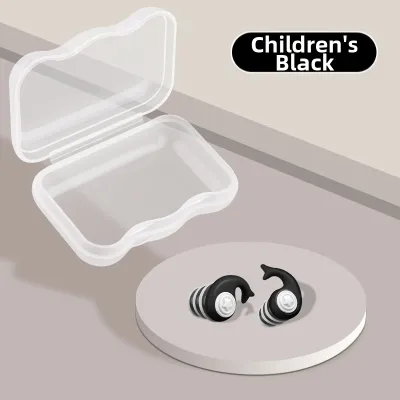
Prices are valid at publication and may change. Please refer to the product page for the latest price.
Using improper or absorbent materials in your ears while swimming can actually increase the risk of trapping water inside the ear canal. When water becomes trapped behind a damp, non-waterproof plug, it creates a warm, dark, and humid environment. In the tropical climate of the Philippines, this trapped moisture can rapidly encourage the growth of bacteria or fungi, leading to painful outer ear infections, commonly known as swimmer’s ear.
Dedicated swimming earplugs are engineered specifically to create a reliable, watertight seal that remains intact during active submersion and dynamic movement. They are constructed from non-porous, hydrophobic materials like medical-grade silicone or specialized wax that repel water rather than absorbing it. This ensures that your ear canals remain dry and protected, even during vigorous strokes, flip turns, or unexpected waves.
Core Criteria for Evaluating Earplugs for Swimming
Selecting the right earplugs requires looking closely at several key performance and comfort criteria. Because everyone’s ear anatomy is unique, what works perfectly for one swimmer might cause discomfort or leaks for another.

Material Safety and Hypoallergenic Properties The skin inside the ear canal is highly sensitive and easily irritated by friction or harsh chemicals. Look for earplugs made from hypoallergenic, medical-grade silicone or pure USP-grade wax. These materials are free from toxic additives and plasticizers, reducing the risk of allergic contact dermatitis or localized itching during long swimming sessions.
Comfort and Pressure Distribution A good pair of earplugs should sit securely without exerting excessive outward pressure on the delicate walls of your ear canal. This is especially important if you wear a tight silicone swim cap or low-profile goggles, as these accessories can press against the outer ear and exacerbate any existing pressure points. The plug should feel lightweight and unobtrusive, allowing you to focus entirely on your stroke technique.
Durability and Chemical Resistance Tropical swimming environments expose gear to harsh elements, including high levels of chlorine in public pools, natural salts in the ocean, and intense UV radiation. Standard plastics can quickly become brittle, sticky, or discolored under these conditions. High-quality silicone earplugs resist chemical degradation, maintaining their flexibility and sealing capabilities over hundreds of uses.
Ease of Insertion and Removal Handling tiny, slippery earplugs with wet hands at the edge of a pool or on a sandy beach can be incredibly frustrating. The design should allow for straightforward insertion without requiring complex maneuvers. Look for models with integrated stems, textured grips, or moldable bodies that can be easily positioned and safely removed without pushing the plug too deep into the ear canal.
Comparing the Main Types of Swimming Earplugs
To find the perfect fit, it helps to understand the three primary categories of swimming earplugs available on the market. Each type utilizes a different mechanism to block water, offering distinct advantages depending on your swimming habits and budget.
Moldable Silicone and Wax Plugs
Moldable earplugs are soft, putty-like spheres made of silicone or wax that you shape with your fingers before application. Instead of entering the inner ear canal, these plugs are designed to be flattened over the external opening of the ear canal, creating a custom-fit barrier that seals the entire outer ear bowl.
This external-fit mechanism makes moldable plugs exceptionally comfortable, as they do not put any pressure on the sensitive inner walls of the ear canal. They are highly recommended for casual swimmers, children, or individuals with narrow, sensitive, or unusually shaped ear canals who find standard insertable plugs painful or difficult to fit.
However, moldable plugs have distinct limitations. They are generally designed for limited reuse, as the sticky surface naturally collects dust, hair, and skin oils over time, reducing their sealing effectiveness. They can also be difficult to see if they fall out in the water, and they may occasionally stick to the edges of tight swim caps if not positioned carefully.
Reusable Flanged or Stem Plugs
Reusable flanged earplugs feature a central stem surrounded by multiple soft, curved rings or “flanges” made of flexible silicone. When inserted into the ear canal, these flanges compress slightly to form a series of consecutive watertight barriers, much like a gasket.
This internal-fit design is highly favored by regular fitness swimmers, triathletes, and competitive athletes because it provides an exceptionally secure hold during high-speed swimming and rapid head movements. Most models come with a rigid stem that makes insertion and removal quick and hygienic, even with wet hands, and they often include a compact, ventilated carrying case.
When choosing flanged plugs, fit is critical. Because they must sit inside the ear canal, you must select a size that matches your anatomy. Many manufacturers offer multi-sized packs or specific sizing guides; a plug that is too large will cause aching, while one that is too small will leak.
Custom-Molded and Professional Options
For those who swim daily or have chronic ear issues that demand absolute water exclusion, custom-molded earplugs represent the premium tier of ear protection. This process requires visiting a local audiologist or hearing clinic in the Philippines to have a physical impression taken of your unique ear canal and outer ear structure.
The resulting impression is used to manufacture a personalized pair of earplugs made from durable, medical-grade silicone. These plugs offer an unparalleled watertight seal, exceptional comfort, and a highly hydrodynamic profile that sits flush with the outer ear, minimizing drag and preventing interference with swim caps or goggle straps.
While custom-molded options provide an excellent fit and can last for several years with proper care, they require a significantly higher initial financial investment, often costing several thousand pesos. They also require meticulous cleaning and may eventually need to be refitted if your ear canal shape changes slightly over time due to aging or weight fluctuations.
How to Verify Fit and Prevent Water Entry
Even the highest-quality earplugs will fail to protect your ears if they are not fitted correctly. Before diving into the water, always perform a series of physical and visual checks to ensure a proper, watertight seal.
Start by inspecting the earplugs while dry. For moldable plugs, ensure they cover the entire opening of the ear canal and are pressed firmly against the surrounding skin without any gaps or hair trapped underneath. For flanged plugs, gently pull the top of your outer ear upward and backward with your opposite hand to straighten the ear canal, then insert the plug until the outermost flange sits flush against the entrance of the canal.
Once inserted, perform the “tug test” by gently pulling on the stem or the outer edge of the plug. You should feel a slight resistance or a gentle vacuum sensation, indicating that a secure seal has been established. If the plug slides out effortlessly or feels loose, remove it and try inserting it again.
When you first submerge your head in the water, pay close attention to any sudden temperature changes or the sensation of trickling water inside your ear. A successful seal will keep the inner ear completely dry and warm. If you feel cold water entering, or if you experience sharp pain or excessive pressure, immediately return to the surface.
Stop using any pair of earplugs immediately if they cause persistent pain, skin irritation, or if they repeatedly slip out during normal swimming strokes. Continuing to swim with poorly fitting plugs increases the risk of water bypass and subsequent ear infections.
Cleaning, Storage, and Replacement Guidelines
Proper maintenance is essential to extend the lifespan of your swimming earplugs and protect your ears from harmful bacteria. The warm, humid climate of the Philippines makes hygienic storage particularly important to prevent mold growth.
After every swim, rinse your earplugs thoroughly under clean, running tap water. This step is crucial to remove residual chlorine, pool chemicals, ocean salt, sand, and natural earwax, all of which can degrade the silicone or wax material over time. Avoid using harsh detergents, alcohol-based sanitizers, or boiling water, as these can warp or dry out the flexible components.
Allow the earplugs to air dry completely in a shaded, well-ventilated area before storing them. Never leave wet earplugs sealed inside a plastic bag or a non-ventilated container, as this creates a breeding ground for bacteria and fungi. Always store them in their dedicated, ventilated carrying case to protect them from dust, dirt, and physical deformation.
Regularly inspect your earplugs for visible signs of wear and tear. Over time, silicone can lose its elasticity, become stiff, develop micro-tears, or turn sticky. If you notice any changes in texture, discoloration that cannot be washed away, or a decrease in the effectiveness of the watertight seal, it is time to replace them immediately. Moldable silicone and wax plugs should generally be discarded after a few uses or as soon as they lose their stickiness and collect visible debris.
Frequently Asked Questions (FAQ)
Can I use regular foam earplugs for swimming?
No, you should never use standard foam earplugs for swimming. Foam plugs are highly porous and designed to absorb sound, which means they will quickly absorb water, expand, and lose their shape in the pool or ocean. This not only destroys any potential seal but also traps moisture directly inside your ear canal, significantly increasing the risk of developing painful outer ear infections like swimmer’s ear.
Do swimming earplugs block out all sound?
No, swimming earplugs are not designed to provide total acoustic isolation. While they do reduce ambient noise levels, sound waves can still reach your inner ear through bone conduction—the transmission of sound vibrations through the bones of your skull—and through the water itself. The primary engineering focus of swimming earplugs is to exclude water and equalize pressure, allowing you to remain aware of your surroundings, lifeguards, and coaches for safety.
Community discussion
Share your experience or ask a question. Comments are reviewed before publication.