
Selecting the right elbow support requires matching the physical demands of your activity with the structural design of the gear. Whether you are dealing with mild soreness from lifting weights, sharp discomfort from a tennis swing, or recovering from a joint strain, the choice between an elbow sleeve, brace, or strap depends entirely on the level of stabilization and compression your joint requires. By understanding how each support type functions, you can protect your arm, maintain mobility, and avoid further irritation during daily tasks or athletic pursuits.
Identify Your Elbow Condition and Activity Needs
Before purchasing any support gear, you must evaluate the specific nature of your elbow discomfort and the physical movements that trigger it. General joint stiffness, often felt as a dull ache when waking up or starting a workout, typically requires mild warmth and compression to encourage blood flow. In contrast, tendon strain from repetitive motions—such as the constant gripping and twisting in tennis, golf, or manual labor—manifests as localized pain near the bony bumps of the elbow. Acute instability, which involves a feeling of the joint giving way or severe weakness after a sudden twist or impact, demands rigid structural support rather than simple compression.
Different activities place distinct mechanical stresses on your elbow joint, meaning a support that works for one sport may fail in another. Weightlifters and powerlifters often face heavy axial loading, where the joint is compressed under extreme weight, making uniform joint warmth and mild compression highly beneficial. Racquet sports and golf involve rapid, repetitive wrist extension and flexion, which transfers high-impact vibrations up the forearm tendons to the elbow crease. Daily tasks like typing, painting, or carrying heavy groceries also subject these tendons to low-grade, continuous strain that can accumulate over time.
Products mentioned in this guide
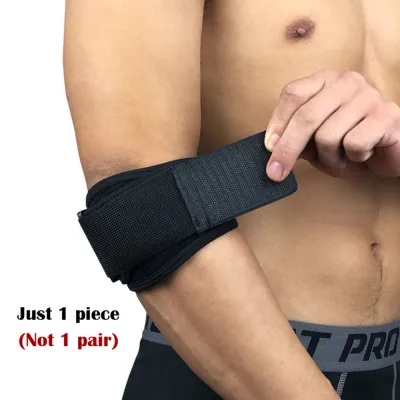
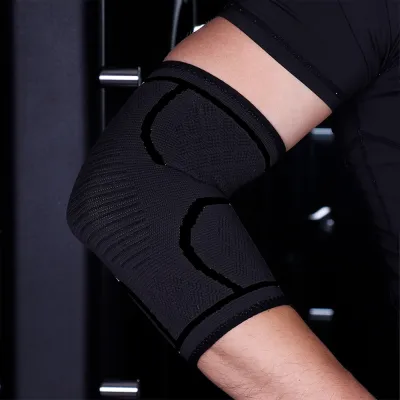
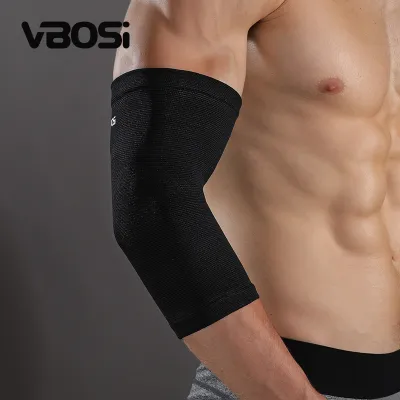
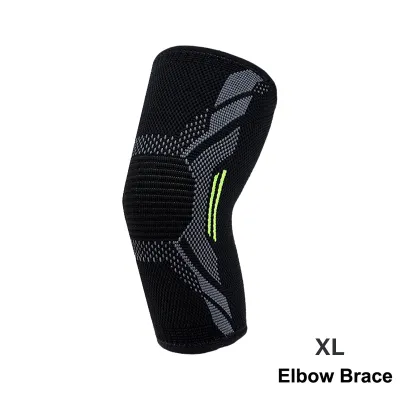
Prices are valid at publication and may change. Please refer to the product page for the latest price.
While self-selection is helpful for managing minor discomfort, you must recognize when to stop and seek professional medical evaluation. If you experience severe, sharp pain that prevents you from moving your arm, visible and sudden swelling, or a hot sensation around the joint, do not attempt to self-treat with over-the-counter supports. Numbness, tingling, or a “pins and needles” sensation radiating down into your fingers are clear indicators of nerve compression, which requires immediate assessment by a healthcare provider. Equipment can assist with recovery and comfort, but it cannot replace professional medical diagnosis or structured physical therapy.
Compare Elbow Support Types: Sleeves, Braces, and Straps
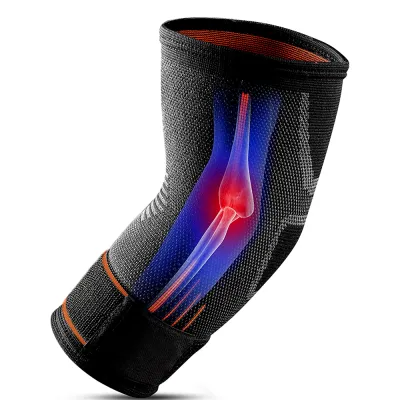
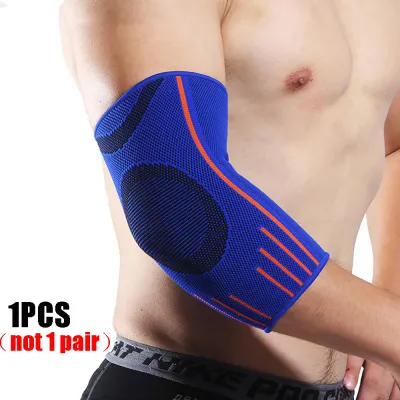
Each category of elbow support is engineered to address a specific mechanical need, ranging from general joint warmth to rigid immobilization. An elbow sleeve acts as a flexible, continuous layer that wraps around the entire joint, utilizing elastic or neoprene materials to deliver uniform compression. An elbow brace incorporates structural elements, such as hinges, stays, or thick wrap-around straps, designed to physically restrict movement and prevent harmful joint deviation. An elbow strap, often referred to as a counterforce band, is a narrow strap wrapped tightly around the upper forearm to absorb and redirect tension away from the tendon attachments.

Understanding how these designs interact with your anatomy helps narrow down your options based on your daily routine. Sleeves work by stimulating sensory receptors in the skin, enhancing your awareness of joint positioning while keeping the surrounding muscles warm and pliable. Braces physically take over a portion of the joint’s load-bearing responsibility, shielding vulnerable ligaments from lateral forces during recovery. Straps focus their entire mechanical effect on a single point, dampening the vibrations that travel up the forearm muscles before they can irritate the sensitive tendon insertion points at the elbow.
| Support Type | Support Level | Best Use Case | Mobility Impact |
|---|---|---|---|
| Elbow Sleeve | Mild to Moderate | General soreness, weightlifting, joint warmth | Minimal; allows full range of motion |
| Elbow Brace | Moderate to Maximum | Post-injury recovery, joint instability, structural protection | High; restricts specific movements |
| Elbow Strap | Targeted | Tennis elbow, golfer's elbow, repetitive gripping | None; leaves the joint fully free to bend |
Elbow Sleeves for Compression and Warmth
Elbow sleeves are the go-to option when your primary goals are mild joint support, swelling management, and temperature regulation. By applying consistent, light pressure across the entire joint, sleeves help promote local circulation, which can ease general stiffness and keep muscles warm during rest periods between exercises. This uniform compression is particularly useful for athletes who participate in high-repetition training where the joint is subjected to constant movement but does not require mechanical restriction.
However, it is important to recognize the physical limitations of a standard compression sleeve. Because they are made from flexible fabrics like nylon, spandex, or thin neoprene, sleeves do not restrict the range of motion or prevent the elbow from hyperextending. They also lack the targeted mechanical pressure needed to relieve severe, localized tendon pain, making them unsuitable for acute tendonitis or structural ligament tears.
Elbow Braces for Maximum Stabilization
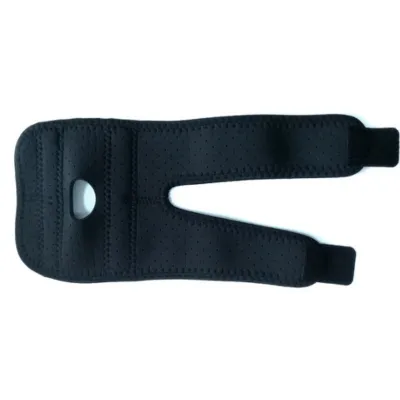
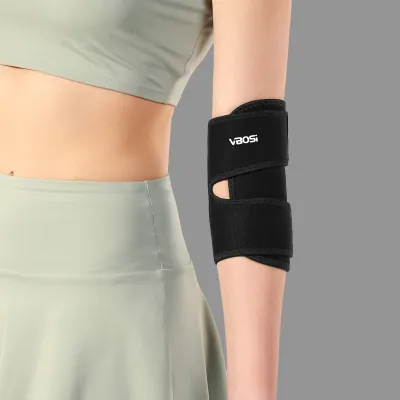
When a joint is structurally compromised or recovering from a significant strain, an elbow brace provides the necessary physical barrier to prevent harmful movement. These supports often feature adjustable straps, rigid plastic or metal hinges, or reinforced stays that run along the sides of the arm to lock the joint into a safe alignment. By limiting how far the elbow can bend or straighten, a brace protects healing tissues from sudden, uncontrolled movements during daily activities or light rehabilitation exercises.
Because rigid braces significantly alter joint mechanics and restrict natural movement, they should be used with caution. Wearing a highly restrictive brace without proper guidance can lead to muscle stiffness and compensatory strain in the shoulder or wrist. It is essential to consult a doctor or physical therapist to determine the correct duration of use, the appropriate range-of-motion settings, and the specific exercises needed to rebuild strength while wearing a brace.
Elbow Straps for Targeted Tendon Relief
Elbow straps, or counterforce bands, are highly specialized tools designed specifically to address localized tendon pain, such as lateral epicondylitis (tennis elbow) or medial epicondylitis (golfer’s elbow). These narrow bands are worn around the forearm, just below the elbow crease, and feature a small compression pad that aligns with the affected muscle belly. When tightened, the strap acts as a secondary anchor point, absorbing the mechanical shock of gripping or swinging before that force can reach the irritated tendon attachment at the bone.
This targeted approach makes straps exceptionally useful for activities that require intense hand and wrist action without restricting the elbow joint itself. Whether you are swinging a racket, swinging a golf club, or performing repetitive manual tasks like hammering or typing, a strap allows your elbow to bend and straighten completely. It provides localized relief exactly where the muscle transitions into the tendon, helping you manage discomfort during active use.
Key Fit and Material Checks for Men's Elbow Gear
An elbow support can only perform effectively if it fits your arm correctly and is constructed from materials suited to your environment. To find your correct size, always refer to the specific manufacturer’s sizing chart rather than assuming a standard size based on your clothing. Use a flexible measuring tape to measure the circumference of your arm at the exact point specified by the brand, which is typically either directly over the center of the elbow joint, two inches above it, or two inches below it. Keep your arm relaxed and slightly bent during measurement to ensure the fabric accommodates the muscle when it is in motion.
Once you put the support on, monitor your arm closely for any signs of an improper or unsafe fit. If you experience numbness, tingling, cold fingers, or a throbbing sensation, the support is too tight and is restricting your blood flow or compressing a nerve; remove it immediately. Conversely, if the sleeve or strap constantly slides down your arm during movement, or if the fabric bunches up excessively in the elbow crease, the support is too loose and will not provide the intended compression or stability.
For men living in tropical climates like the Philippines, material selection is critical to maintaining skin health and comfort. High humidity and heat can quickly cause sweat to accumulate under synthetic fabrics, leading to skin irritation, chafing, or bacterial growth. Prioritize lightweight, highly breathable, and moisture-wicking fabrics such as specialized nylon blends or perforated neoprene that allow heat to escape. Additionally, look for supports featuring hypoallergenic silicone grip strips along the inner cuffs, which help keep the gear securely in place even when your skin is wet with perspiration.
How to Wear and Maintain Your Elbow Support
Correct positioning is essential to ensure your elbow support delivers its intended mechanical benefits without causing discomfort. When applying an elbow sleeve, pull it up your arm until the center of the fabric or the designated joint cutout aligns perfectly with the point of your elbow. For elbow straps, position the band approximately one to two inches below the elbow crease, ensuring the integrated compression pad rests directly over the muscle belly that feels tender when you grip. Avoid overtightening adjustable straps; they should feel snug and secure, but you should still be able to slide one finger comfortably beneath the band.
Proper maintenance not only extends the lifespan of your support gear but also prevents the buildup of odor-causing bacteria. Most compression sleeves and straps should be hand washed in cool water using a mild, bleach-free detergent to preserve the elasticity of the fibers. If the support features hook-and-loop fasteners, secure them completely before washing to prevent them from snagging the fabric or collecting lint. Always allow the gear to air dry flat in a shaded, well-ventilated area, as direct sunlight and high heat from a clothes dryer can degrade elastic materials and warp plastic components.
Regularly inspect your elbow gear for physical signs of wear that indicate it is time for a replacement. Over time, the constant stretching and washing will inevitably break down the elastic fibers, resulting in a noticeable loss of compression and support. Look for frayed edges, cracked silicone grips, stretched-out cuffs, or hook-and-loop fasteners that no longer hold securely under tension. Replacing your support as soon as these signs appear ensures you continue to receive reliable protection and stabilization during your activities.
Frequently Asked Questions (FAQ)
Can I wear an elbow support all day?
Generally, you should only wear an elbow support during active periods when your joint is subjected to stress, rather than keeping it on continuously throughout the day. Removing the support during periods of rest or prolonged inactivity allows your blood to circulate freely and gives your skin a chance to breathe, reducing the risk of irritation. Unless a healthcare professional has specifically instructed you to wear a support around the clock for post-surgical recovery, you should always remove the gear before going to sleep to prevent restricted circulation and nerve compression while you are unconscious.
Does wearing an elbow sleeve weaken the joint muscles?
Wearing a flexible compression sleeve during your workouts or daily activities will not cause your muscles to weaken or atrophy. Unlike rigid braces that physically immobilize the joint and take over the mechanical work of your muscles, a sleeve allows your arm to move through its full range of motion. The sleeve primarily works by providing warmth and sensory feedback, which actually helps you stay aware of your joint positioning. To maintain overall joint health, combine the use of a sleeve with targeted strengthening and flexibility exercises for your forearm and shoulder muscles.
Community discussion
Share your experience or ask a question. Comments are reviewed before publication.