
Selecting the right elbow support for men is not a one-size-fits-all decision. The ideal choice depends entirely on the physical demands of your sport, the level of joint mobility you require, and whether you are managing minor discomfort or recovering from an injury. By matching the structural design of a support to your movement patterns, you can maintain your performance while protecting your joints from excessive strain.
Understanding the Core Designs of Elbow Supports
To make an informed choice, you must first understand the three primary categories of elbow supports. Each design serves a distinct biomechanical purpose, ranging from mild warmth to rigid joint restriction.
Compression sleeves are the most common type of elbow support for men engaging in dynamic, high-movement activities. These sleeves slide over the arm to provide uniform pressure across the entire joint. This consistent compression helps retain localized heat, keeping muscles and tendons warm and pliable during activity. Because they lack rigid elements, compression sleeves allow for a complete, unrestricted range of motion, making them excellent for general joint support and mild swelling management.
Products mentioned in this guide
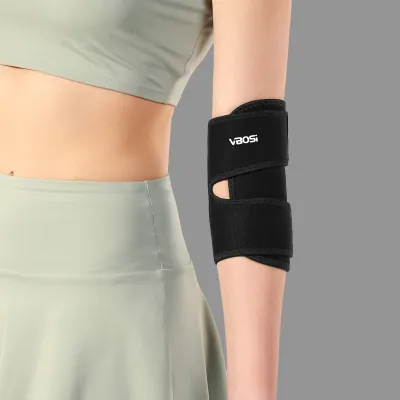
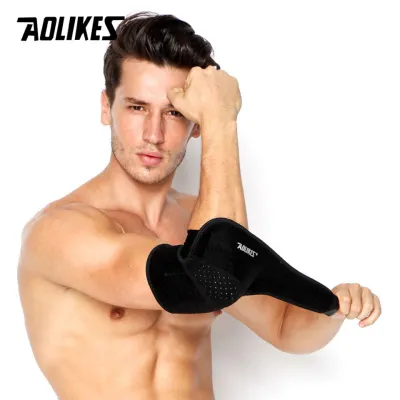
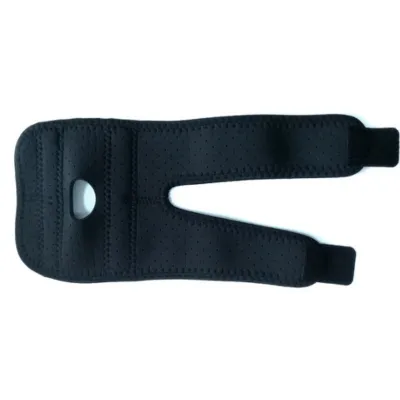
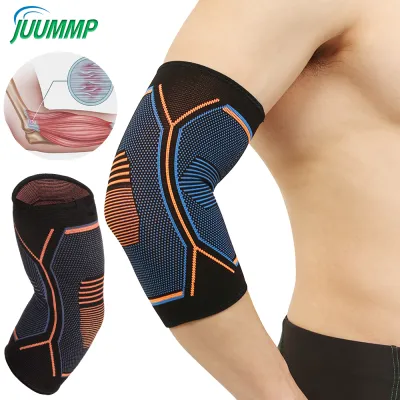
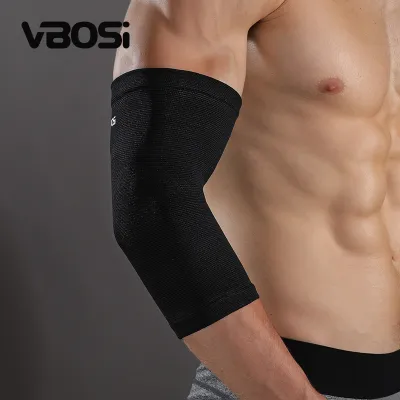
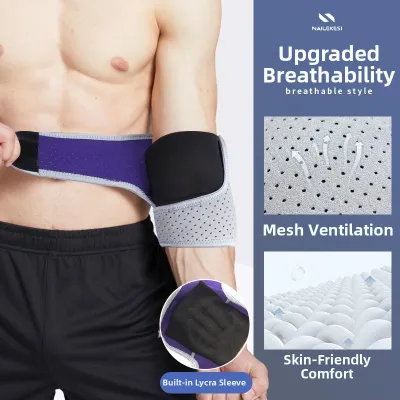
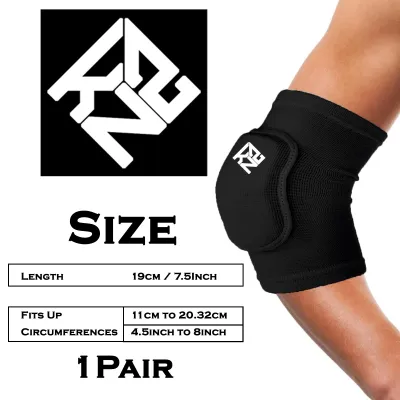
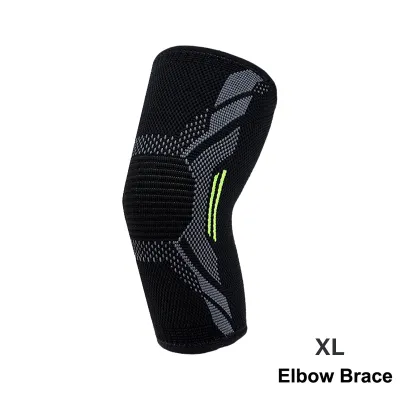
Prices are valid at publication and may change. Please refer to the product page for the latest price.
Counterforce straps target a highly specific area rather than the entire joint. These narrow bands wrap around the forearm, just below the elbow crease, and feature a small gel pad or foam insert. When tightened, the strap applies localized pressure to the forearm extensor or flexor muscles. This pressure acts as a secondary anchor point, absorbing a portion of the shock and vibration that travels up the arm during repetitive gripping or swinging motions.
Hinged or rigid braces represent the highest level of structural support. These devices incorporate plastic or metal hinges along the sides of the joint to physically limit lateral movement and prevent hyperextension. While they restrict your range of motion, they are essential for protecting compromised ligaments or assisting in post-injury recovery. Rigid braces are typically recommended under professional guidance when the joint requires external stabilization to heal safely.
Matching Support Types to Your Specific Sport
Different physical activities subject the elbow joint to unique forces, meaning a support that works perfectly for one sport may hinder your performance in another. Analyzing the biomechanics of your activity is the most effective way to determine which design to wear.

For court and field sports like basketball or volleyball, maintaining a natural shooting, passing, or setting motion is critical. In these fast-paced environments, heavy or restrictive braces can disrupt your mechanics. Players generally benefit most from lightweight, highly breathable compression sleeves. These sleeves offer mild joint warmth and proprioceptive feedback—the sensory awareness of your joint’s position—without adding bulk or restricting rapid arm extension.
Racquet sports, including tennis and badminton, place immense repetitive stress on the forearm tendons due to constant swinging, twisting, and ball impact. This repetitive motion often leads to localized tendon strain on the outer or inner side of the elbow. For these activities, a counterforce strap is highly effective. The strap can be positioned precisely over the affected muscle belly to dampen the vibrations of each hit, allowing you to maintain your grip strength and swing mechanics.
Weightlifting and strength training demand a balance of joint warmth and structural reinforcement, especially during heavy pressing or pulling movements. Many lifters prefer thick elastic sleeves or specialized elbow wraps that can be adjusted for tightness. These supports help stabilize the joint under heavy loads, reduce the feeling of joint stiffness, and provide a physical cue to maintain proper form during lifts like the bench press.
Contact or high-impact sports introduce the risk of direct physical trauma. Falling on hard court surfaces or colliding with other players can cause painful contusions or bursitis. If your activity involves frequent ground contact, look for padded compression sleeves. These designs combine the benefits of uniform compression with integrated foam or gel padding directly over the bony tip of the elbow to absorb sudden impacts.
Sizing and Fit Checks for Optimal Performance
An elbow support can only function effectively if it fits your arm correctly. A support that is too loose will slip down during movement, while one that is too tight can restrict blood circulation and impair your performance.
To find your correct size, always refer to the manufacturer’s specific sizing chart, as measurements vary widely between brands. Most product labels require you to measure the circumference of your arm at a specific point, such as the widest part of your forearm, the mid-bicep, or directly around the center of the elbow joint. Use a flexible measuring tape, keeping your arm relaxed and slightly bent at a 30-degree angle to get an accurate reading.
Once your support arrives, perform a few simple fit tests before heading to your workout. First, try the slide test: slide two fingers under the top and bottom bands of the support. If you cannot fit your fingers underneath, the support is too tight; if the bands gap or slide down when you move your arm, it is too loose. Next, wear the support for ten minutes while resting. If you notice red, deeply indented marks on your skin, or if you experience any numbness, tingling, or coldness in your fingers, remove the support immediately and size up.
In hot and humid climates like the Philippines, material selection is just as important as sizing. High humidity leads to excessive sweating, which can cause standard elastic sleeves to slip down the arm and irritate the skin. Look for supports made from moisture-wicking synthetic blends or lightweight circular knit fabrics. Additionally, check for built-in anti-slip silicone waves or strips along the inside collar, which help lock the sleeve in place even during intense, sweat-heavy training sessions.
Safety Limits and When to Consult a Professional
While an elbow support for men is an excellent tool for managing mild discomfort and improving joint awareness, it is not a cure for underlying physical injuries. Relying on a brace to mask severe pain can lead to further joint damage.
It is crucial to recognize red flag symptoms that require immediate medical attention rather than self-treatment. If you experience sharp, sudden pain during movement, a sensation of the joint locking or catching, visible and rapid swelling, or a noticeable loss of strength in your hand or arm, stop your activity immediately. These symptoms often indicate structural issues, such as ligament tears, cartilage damage, or nerve compression, which cannot be resolved by wearing a sleeve or strap.
Remember that elbow supports are designed for temporary assistance, joint warmth, and mild stabilization. They do not repair torn tissues or correct chronic biomechanical imbalances. If you find yourself needing to wear a support constantly just to get through daily tasks without pain, it is time to consult a physical therapist or sports medicine specialist to address the root cause of the issue.
Always prioritize professional medical advice if there is a conflict between product instructions and your personal pain response. If a product manual suggests tightening a strap for maximum effect, but doing so increases your pain or causes throbbing, loosen the strap immediately. Your body’s pain signals should always override generic product guidelines.
Cleaning and Maintenance for Durability
Proper maintenance ensures that your elbow support retains its elasticity, hygiene, and structural integrity over time. Sweat, body oils, and dirt can degrade elastic fibers and silicone grips if left unwashed.
Always check the care label on your specific support for exact washing instructions. In general, it is best to hand wash your elbow supports in cold water using a mild detergent. If you prefer using a washing machine, place the support inside a mesh laundry bag and select a gentle cycle with cold water. Avoid using bleach, fabric softeners, or harsh chemicals, as these substances break down the synthetic elastane and neoprene fibers that provide compression.
After washing, never wring out the support aggressively, as this can stretch the fabric out of shape. Instead, gently press the excess water out with a clean towel. Lay the support flat to dry in a well-ventilated, shaded area. Avoid placing it in a mechanical dryer or exposing it to direct, intense sunlight, as high heat can melt silicone anti-slip grips and permanently damage the elastic components.
Regularly inspect your support for observable signs of wear that indicate it is time for a replacement. If you notice a significant loss of elasticity, stretched-out bands, or if the Velcro fasteners no longer hold securely during movement, the support can no longer provide adequate compression or stabilization. Additionally, look out for thinning fabric, pilling, or torn seams, which compromise the uniform pressure required to support your joint effectively.
Frequently Asked Questions (FAQ)
Can I wear an elbow sleeve all day for general joint pain?
It is generally not recommended to wear an elbow sleeve continuously throughout the day unless specifically directed by a healthcare professional. Prolonged, uninterrupted wear can cause your forearm and upper arm muscles to rely on the external support, potentially leading to muscle weakness over time. Additionally, keeping the skin covered for extended periods in warm climates can trap moisture, leading to skin irritation or fungal infections. It is best to wear the sleeve during physical activities, workouts, or temporary periods of acute discomfort, allowing your joint to rest uncovered during periods of inactivity.
Should I wear elbow support on both arms for weightlifting?
You do not need to wear elbow supports on both arms unless both joints require compression or warmth. If you are managing mild discomfort or recovering from an injury on one side, wearing a support on that specific arm is sufficient. However, some lifters choose to wear sleeves on both arms during heavy strength training to ensure symmetrical joint warmth, equal proprioceptive feedback, and balanced physical cues during compound lifts. Ultimately, the decision depends on your personal comfort, training load, and individual joint history.
Community discussion
Share your experience or ask a question. Comments are reviewed before publication.