
Choosing the right electric bike for your daily commute in the Philippines requires balancing travel distance, road quality, and unpredictable tropical weather. With urban traffic becoming increasingly dense, an e-bike offers a practical, efficient alternative to traditional transit. To find the ideal model, you must look beyond aesthetics and evaluate how a bike’s frame, motor, and weatherproofing align with your specific daily route.
The decision comes down to matching your physical environment with the technical capabilities of the bike. A route filled with steep flyovers, uneven concrete, and sudden rainstorms demands a very different setup than a flat, short journey on well-paved subdivision streets. By systematically assessing your route and verifying key component specifications, you can select a reliable ride that keeps your daily commute safe and comfortable.
Assess Your Daily Commuting Route and Conditions
Before browsing online marketplaces or visiting local shops, map out your exact commuting route to understand the physical demands your e-bike will face. Start by calculating the realistic one-way distance of your trip. While a short three-kilometer ride might allow for a smaller battery, a longer fifteen-kilometer journey requires a higher-capacity power source to ensure you do not run out of pedal assist halfway. Additionally, take note of any elevation changes, such as steep flyovers or highway overpasses, which require a motor with sufficient climbing power.
Products mentioned in this guide
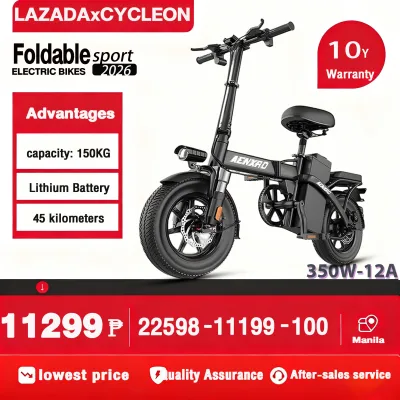
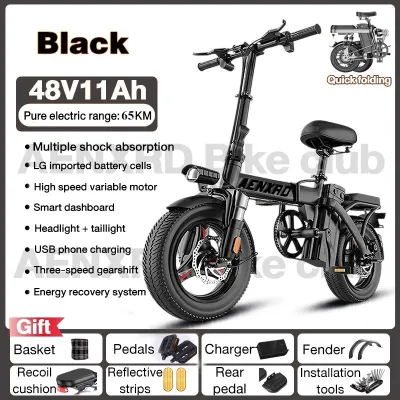
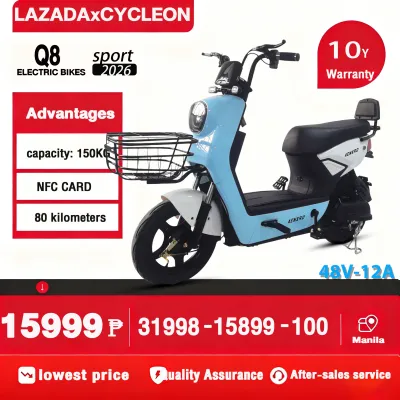
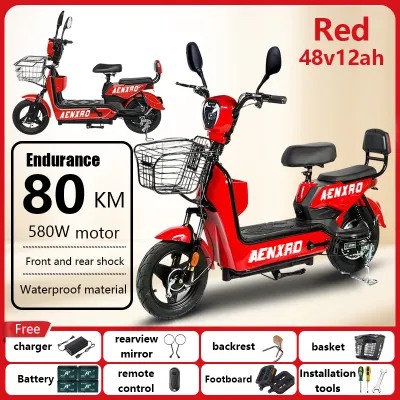
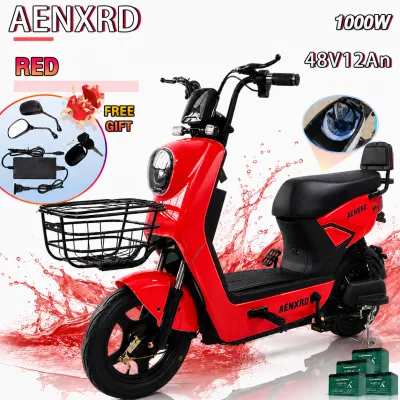
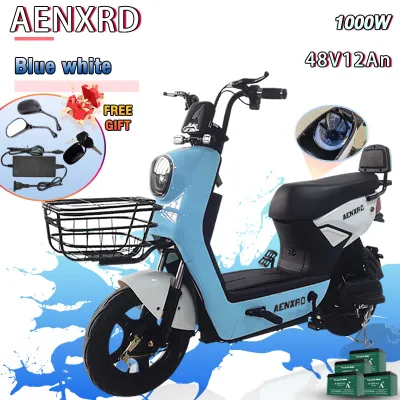
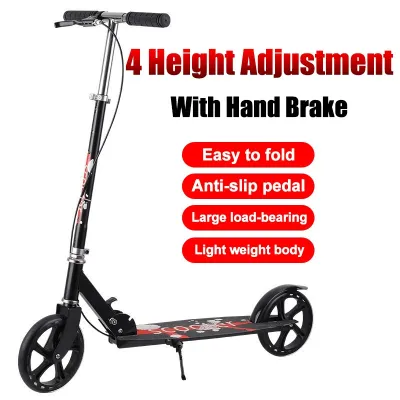
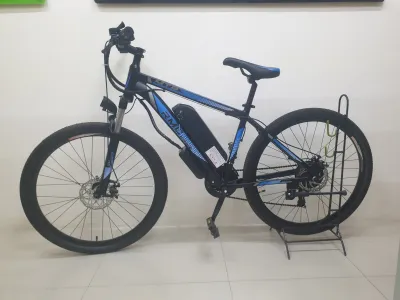
Prices are valid at publication and may change. Please refer to the product page for the latest price.
Road surface conditions in Philippine cities can vary dramatically within a single kilometer. Your route might transition from smooth asphalt to cracked concrete, gravel patches, or streets riddled with deep potholes. Identifying these hazards beforehand helps you determine the level of suspension and tire width you need to stay upright and comfortable. Furthermore, keep an eye out for low-lying areas that are prone to flooding during heavy rains, as these zones will dictate your need for high water-resistance ratings.
Local weather patterns play a massive role in how safely you can ride. The combination of intense tropical heat, high humidity, and sudden torrential downpours during the monsoon season puts unique stress on both the rider and the machine. High humidity can accelerate corrosion on poorly protected metal parts, while heavy rain demands reliable electrical sealing and superior braking performance. Understanding these environmental factors ensures you select an e-bike built to withstand the elements.
Match E-Bike Styles to Your Specific Commute
Selecting the right e-bike style is a matter of matching the bike’s geometry, frame design, and tire clearance to the dominant terrain of your daily ride. Different frame styles are engineered to prioritize specific riding characteristics, meaning a bike that excels on flat, smooth city streets might struggle on rugged, unpaved shortcuts.

Every design choice involves clear trade-offs between comfort, speed, and portability. For instance, a highly comfortable bike with an upright riding position might be heavier, making it harder to carry up office stairs. Conversely, a lightweight, fast model might lack the shock absorption needed for rough roads. Balancing these factors against your lifestyle and route conditions is key to a successful purchase.
City Cruisers for Paved Roads and Short Distances
City cruisers are designed primarily for comfort and ease of use on well-maintained, flat urban streets. These bikes often feature step-through frames that make mounting and dismounting effortless, which is particularly convenient if you wear formal office attire. The swept-back handlebars and wide, cushioned saddles promote an upright riding posture, reducing strain on your back and shoulders during short, relaxed trips.
However, these comfort-focused designs have distinct limitations when faced with challenging terrain. The upright riding position increases wind resistance, and the heavier frame materials can make climbing steep flyovers or hills highly demanding on both you and the motor. If your daily route involves significant elevation changes or rough, broken concrete, a city cruiser may not provide the efficiency or control you need.
Commuter Hybrids for Mixed Terrains and Longer Routes
Commuter hybrid e-bikes offer a versatile middle ground, making them highly suitable for varied road conditions and extended distances. These models typically feature front suspension forks that help absorb the impact of potholes and uneven concrete joints, protecting your wrists and back from constant jarring. They also come equipped with wider, puncture-resistant tires that provide better traction on wet or sandy surfaces.
When tackling longer routes with mixed terrain, having multiple pedal-assist levels is crucial for managing your physical energy and battery consumption. A hybrid bike allows you to increase the motor assistance when climbing a steep bridge or facing a strong headwind, and then lower it on flat stretches to conserve power. This adaptability makes the hybrid e-bike an excellent workhorse for unpredictable urban environments.
Folding E-Bikes for Multi-Modal Transit and Small Spaces
Folding e-bikes are engineered specifically for commuters who need to combine riding with public transportation or who have limited storage space at home or work. Their compact, folding frames allow you to carry them onto permitted trains, store them under an office desk, or fit them easily into a small apartment closet. This portability makes them an invaluable tool for solving the “last-mile” problem of urban transit.
Despite their convenience, folding models require some compromises in terms of ride quality and stability. The smaller wheels common on folding bikes do not roll over potholes or debris as smoothly as larger wheels, which can make the ride feel twitchy on rough roads. Additionally, folding frames often have lower weight capacity limits and less room for large batteries, so you must carefully check the manufacturer’s specifications to ensure they meet your physical and distance requirements.
Evaluate Core Specifications for Local Riding Conditions
When comparing different e-bike models, you must look past marketing claims and carefully verify the technical specifications listed on the manufacturer’s labels. Start by examining the motor and battery specifications. Check the manufacturer’s stated range under realistic load conditions rather than relying on ideal-scenario estimates, and verify that the motor wattage is sufficient to assist you up the specific inclines on your route without overheating.
Braking systems are a critical safety consideration, especially when riding in wet and humid tropical conditions. Prioritize e-bikes equipped with hydraulic or mechanical disc brakes over traditional rim brakes. Disc brakes offer significantly more reliable stopping power and do not lose their effectiveness when the wheel rims get wet from puddles or sudden downpours, helping you maintain control in heavy traffic.
Water and dust resistance are non-negotiable for year-round commuting. Look for the Ingress Protection (IP) ratings on the battery, motor, and display unit to ensure they can withstand splashing water and heavy rain. A higher IP rating indicates better sealing against moisture and dust, which is essential for preventing electrical failures during a sudden afternoon storm.
Finally, evaluate the bike’s integrated lighting and visibility features. Because tropical sunsets occur relatively early and many urban streets suffer from poor illumination, having high-quality front and rear lights is vital. Ensure the bike features integrated lights powered directly by the main battery or a reliable dynamo, so you are always visible to other motorists without needing to worry about charging separate accessories.
Plan for Secure Parking and Daily Maintenance
Owning an e-bike requires a practical plan for keeping the vehicle secure and maintaining its components in busy urban environments. Before purchasing, evaluate the parking facilities available at your workplace and home. If you must park the bike in a public or semi-secure area, invest in a heavy-duty U-lock and consider choosing a model with a removable battery so you can bring the valuable power pack indoors to charge and prevent theft.
Establishing a simple post-ride maintenance routine will significantly extend the lifespan of your e-bike. After riding through puddles, mud, or dusty streets, take a few minutes to wipe down the chain and frame with a clean cloth to prevent rust and grit buildup. Regularly check your tire pressure, as riding with underinflated tires increases the risk of punctures and places an unnecessary drain on your battery.
Battery care is especially critical in hot, humid climates. Always consult the manufacturer’s manual for specific charging and storage guidelines. Avoid leaving the battery in direct sunlight or inside a hot parked vehicle, as extreme heat can permanently degrade its capacity. Charging the battery in a cool, well-ventilated indoor space according to the manufacturer’s instructions is the best way to preserve its long-term health and performance.
Frequently Asked Questions (FAQ)
Do I need a driver's license or registration to ride an e-bike?
In the Philippines, regulatory requirements for e-bikes generally depend on the vehicle’s top motor-assisted speed, motor wattage, and whether it features functional pedals. Low-speed pedal-assist bicycles typically do not require a driver’s license or registration, but faster, throttle-operated models often do. Because traffic rules and helmet mandates can vary significantly between different municipalities and local government units, you should always verify the current guidelines with your local traffic authority before riding.
How long does an e-bike battery typically last before needing replacement?
An e-bike battery’s lifespan is primarily measured in charge cycles—representing a full discharge and recharge—rather than a specific number of years. You should check the manufacturer’s warranty and specifications to find the expected cycle life of the battery. Keep in mind that environmental factors like extreme tropical heat, frequent deep discharges, and storing the battery at full charge for long periods can accelerate capacity loss, making proper storage and charging habits essential.
Community discussion
Share your experience or ask a question. Comments are reviewed before publication.