
Navigating the dense, fast-moving traffic of major urban centers in the Philippines has made micro-mobility solutions increasingly attractive for daily travelers. Electric scooters offer a practical way to bypass gridlock, bridge the gap between public transit stops, and complete short-to-medium distance journeys without the stress of finding parking or waiting in long queues for rideshares. However, selecting the ideal electric scooter is not a matter of finding a single, universally acclaimed model. Instead, a successful purchase requires a careful alignment of a vehicle’s physical specifications with your unique daily route, personal transit habits, and the specific environmental conditions of your local infrastructure.
Assessing Your Daily Commute and Route Conditions
Before looking at specific models, you must thoroughly map out the physical realities of your daily journey. Start by calculating the exact round-trip distance of your commute and identifying whether you will have access to a safe, reliable power outlet for mid-day charging at your destination. If your workplace allows you to plug in your vehicle during office hours, you can comfortably look at models with a shorter single-charge range, which often translates to a lighter and more portable frame. Conversely, if you must rely solely on a charge completed at home for the entire day, your baseline battery requirements will naturally increase.
The physical state of the roads along your route plays an equally critical role in your decision. Philippine urban streets present a diverse mix of smooth asphalt, cracked concrete, deep potholes, loose gravel, and sudden unpaved transitions. Riding a scooter with inadequate shock absorption over these surfaces can lead to severe rider fatigue and accelerated wear on the vehicle’s structural joints. Take a close look at the lanes you plan to use; if your route is dominated by uneven pavement or construction zones, prioritizing structural durability and advanced vibration dampening becomes non-negotiable.
Products mentioned in this guide
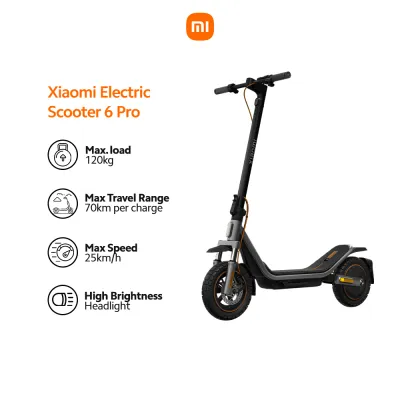
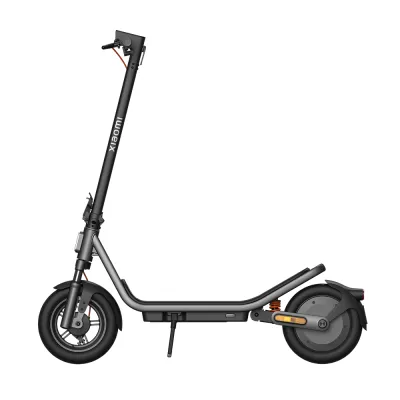
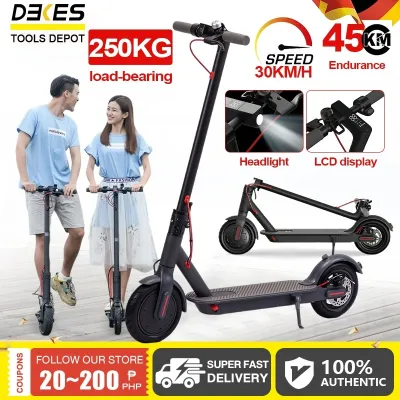
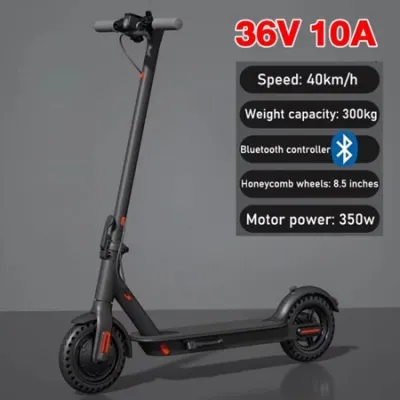
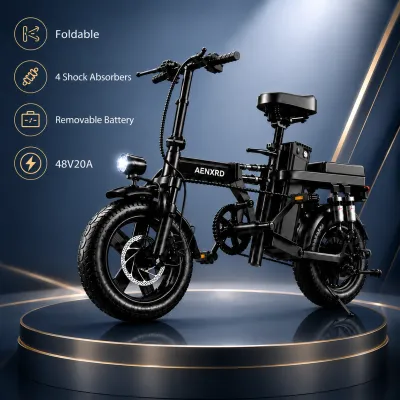
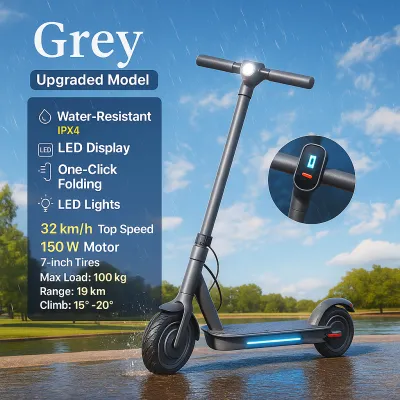
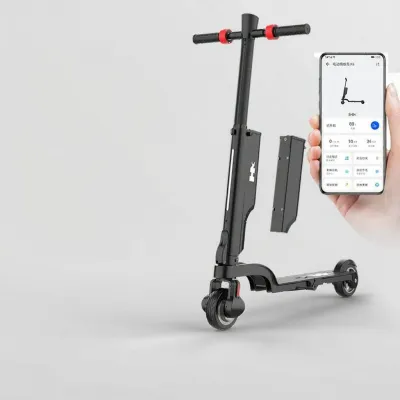
Prices are valid at publication and may change. Please refer to the product page for the latest price.
Incline angles are another frequently overlooked factor that can severely impact your travel times. Consider the steepest sections of your planned path, which might include steep underground parking ramps, elevated flyovers, or hilly residential streets. A motor that performs beautifully on flat coastal roads may struggle or stall completely when faced with a sudden incline, especially if carrying a rider with a heavy backpack.
Finally, evaluate how your scooter will interact with other modes of transportation. If your commute is multi-modal—requiring you to carry the vehicle onto elevated light rail systems, pack it into the trunk of a taxi, or store it beneath a compact office desk—the physical footprint and weight of the scooter must remain manageable. A heavy, bulky model might offer excellent ride quality but quickly become a physical liability if you have to carry it up multiple flights of stairs at a transit station.
Core Performance Specifications to Check
When comparing different electric scooters, the manufacturer’s specification sheet is your primary tool for evaluating capability, but reading these documents requires a critical eye. You must understand how raw electrical and physical measurements translate into real-world performance under load. Rather than accepting headline numbers at face value, look closely at how motor output, battery capacity, and structural weight limits interact to define the vehicle’s true operational boundaries.

One of the most important distinctions to make on any spec sheet is the difference between nominal motor wattage and peak motor wattage. Nominal wattage represents the continuous power output the motor can safely sustain over long periods without overheating or degrading. Peak wattage, on the other hand, is the maximum power the motor can draw for brief bursts, such as when accelerating from a complete stop or pushing up a short hill. If you carry heavy cargo or ride through areas with frequent elevation changes, verifying that both the nominal and peak power ratings align with your physical weight is essential for maintaining consistent travel speeds.
Battery capacity, typically measured in watt-hours (Wh) or ampere-hours (Ah) at a specific voltage, directly dictates how much energy your scooter can store. However, this capacity does not translate to a fixed distance; instead, the actual range you achieve will fluctuate dramatically based on rider weight, average speed, tire pressure, and terrain. Always check the manufacturer’s stated maximum load capacity as well, ensuring that your body weight combined with your daily gear, laptop bag, and safety equipment falls well within the recommended limits to prevent premature motor burnout or frame failure.
Motor Power and Incline Handling
The relationship between motor wattage and torque is the defining factor in how well an electric scooter handles slopes and maintains acceleration in active traffic. Torque is the rotational force that turns the wheel, and it is this force—rather than top speed—that allows a scooter to climb hills without losing momentum. A higher nominal wattage generally indicates a motor capable of producing greater torque, which is vital for keeping you moving safely when merging with mixed traffic on an upward slope.
When evaluating a scooter’s climbing ability, do not rely solely on wattage numbers; instead, look for the maximum climb angle specified by the manufacturer, usually expressed in degrees or percentages. Keep in mind that these specifications are typically calculated under highly controlled conditions, often using a lighter test rider on a perfectly smooth surface. If your daily commute involves navigating steep parking garage exits or hilly suburban roads, choosing a motor with a higher specified climb angle ensures you will not find yourself walking the scooter up the final stretch of your journey.
Battery Capacity and Real-World Range
Estimating the usable range of an electric scooter requires a healthy dose of skepticism regarding advertised maximum ranges. Manufacturers typically test range under ideal laboratory conditions: a lightweight rider, flat and smooth indoor tracks, no wind resistance, and a constant, low speed in the scooter’s most efficient eco-mode. In the real world, where you must constantly accelerate, brake, navigate wind, and carry varying payloads, the actual range can easily drop by thirty to fifty percent.
To protect yourself from running out of power mid-journey, a reliable rule of thumb is to select a battery capacity that provides at least a twenty percent buffer beyond your actual daily round-trip distance. This buffer accounts not only for daily environmental variables but also for the natural degradation of lithium-ion batteries over time, ensuring your scooter remains a viable commuting tool even after a year or two of daily charge cycles. Additionally, check the specified charging time; a battery that takes eight hours to charge might be perfect for overnight replenishment but impractical if you rely on quick top-ups during a short office shift.
Ride Comfort and Safety on Uneven Roads
The quality of your ride directly influences your safety, physical comfort, and long-term willingness to use an electric scooter for daily transit. When riding a vehicle with small wheels at moderate speeds, even minor road imperfections can cause significant vibrations that travel up through your feet, legs, and hands. Over time, these vibrations can lead to joint fatigue and reduced control, making the choice of tires, suspension, and braking systems a critical safety consideration.
Tire selection is the first line of defense against rough urban infrastructure. Pneumatic (air-filled) tires offer the best natural shock absorption and grip, especially on wet or uneven surfaces, but they are susceptible to punctures from road debris like glass, nails, or sharp gravel. Solid rubber tires eliminate the risk of flat tires entirely, but they deliver a much harsher ride and can lose traction on wet roads. Honeycomb or air-pocket tires attempt to strike a balance, offering some structural flex without the risk of punctures, though they still cannot match the dampening qualities of a high-quality pneumatic tire.
Suspension systems further mitigate the impact of rough roads by absorbing larger shocks that tires alone cannot handle. Depending on your route, you may need to choose between front-only, rear-only, or dual suspension setups. A dual suspension system provides the most stable ride over speed bumps and cracked pavement, keeping both wheels in contact with the ground for maximum control. Finally, evaluate the braking system; mechanical disc brakes, electronic regenerative brakes, and drum brakes each offer different levels of stopping power and maintenance requirements, which must be weighed against the dusty or wet conditions of your daily commute.
Suspension Systems and Tire Choices
Choosing between maintenance-free setups and comfortable ride quality is one of the most significant trade-offs you will make. If your daily route is exceptionally clean and well-maintained, a solid tire setup paired with a basic front suspension might suffice, saving you the hassle of checking tire pressure or repairing flats. However, for the vast majority of urban commuters, the superior grip and cushioning of pneumatic tires are well worth the occasional maintenance, as they provide crucial traction when cornering or braking suddenly on unpredictable road surfaces.
The presence of a robust suspension system becomes critical when your route includes frequent speed bumps, expansion joints on bridges, or transitions between asphalt and concrete. Suspension travel—the distance the suspension can compress before bottoming out—determines how effectively the system can neutralize these sudden impacts. A scooter with adequate suspension travel prevents the frame from taking the full force of a bump, protecting both the internal electronics from solder joint failures and the rider from losing balance due to sudden jolts.
Braking and Visibility Features
Navigating mixed traffic requires highly responsive braking systems and excellent visibility features to ensure you can react to sudden hazards. Dual braking systems, which combine two independent braking mechanisms—such as a front disc brake and a rear drum or electronic brake—are highly recommended. This redundancy ensures that if one system experiences a cable snap or mechanical failure, you still retain sufficient stopping power to bring the vehicle to a safe, controlled halt.
Visibility is equally vital, particularly during early morning commutes, late evening rides, or sudden tropical downpours that reduce ambient light. Check the placement, angle, and brightness of the integrated lighting system before purchasing. A headlight mounted too low on the wheel fork may not project light far enough ahead to reveal potholes in time, while a high-mounted handlebar light provides a wider field of view. Ensure the rear taillight flashes or brightens when the brakes are applied, and verify the presence of side reflectors to make your profile visible to vehicles approaching from lateral angles.
Portability, Storage, and Transit Integration
For many urban commuters, an electric scooter is just one part of a larger, multi-modal transportation puzzle. If you plan to carry your scooter onto trains, pack it into the back of a vehicle, or store it inside a crowded office, its portability and folding characteristics are just as important as its motor power. A scooter that is difficult to fold or too heavy to lift comfortably will quickly become a source of daily frustration rather than a convenient transit solution.
Begin by examining the folding mechanism itself, looking for designs that offer a secure, multi-stage locking system to prevent accidental folding while riding. The mechanism should feel rigid and free of play when locked in the upright position; any wobbling in the steering column can compromise handling and indicate premature wear on the locking joints. Additionally, check how easily the mechanism can be operated; a system that requires excessive force or specialized tools is highly impractical for quick transitions at busy transit stations.
Weight is the next critical factor to evaluate against your physical capabilities. While lightweight scooters are easy to carry up stairs or lift into vehicle trunks, they often compromise on battery capacity, motor power, and suspension quality. Conversely, high-performance scooters with dual motors and massive batteries can easily exceed comfortable carrying weights, making them difficult to maneuver through tight spaces or lift onto public transport. Carefully measure the folded dimensions of the scooter to ensure it can fit comfortably under your desk, inside a locker, or within designated luggage areas on public transit without obstructing walkways.
Verifying Claims and Evaluating Local Support
The long-term utility of your electric scooter depends heavily on the availability of local support, replacement parts, and reliable warranty service. Because these vehicles are subjected to daily physical stress and environmental exposure, components like tires, brake pads, and folding hinges will inevitably require maintenance or replacement over time. Before finalizing your purchase, research the manufacturer’s local presence and the reputation of the dealer you are buying from.
Always prioritize purchasing from authorized dealers or official brand stores rather than unverified online sellers. Authorized dealers can validate your warranty, provide access to genuine replacement parts, and offer the services of trained technicians who understand the specific mechanical and electrical systems of your scooter. Check if the seller provides a clear, written warranty policy that covers critical components like the motor, battery, and main controller frame, and ask about the typical turnaround time for repairs.
Environmental protection ratings, commonly known as IP (Ingress Protection) ratings, must also be verified against local weather conditions. In tropical climates prone to sudden, heavy downpours, a scooter with a low IP rating can easily suffer water damage to its battery compartment or handlebar display. Look for scooters with a verified IP rating that indicates resistance to water splashes from all angles, but remember that no standard rating guarantees protection against complete submersion or high-pressure water jets. Avoid riding through deep puddles where the water level reaches the wheel hubs, and always consult the user manual for specific cleaning and wet-weather operating instructions.
Frequently Asked Questions (FAQ)
Are electric scooters legal to ride on public roads in the Philippines?
The legal framework governing electric scooters in the Philippines is subject to guidelines established by national transport authorities and individual local government units. Generally, low-speed micro-mobility vehicles are permitted on designated bicycle lanes, local barangay roads, and specific side streets, while being restricted from major national highways and high-speed thoroughfares. Because enforcement and specific ordinances can vary significantly from one city to another, it is highly recommended to consult your local traffic management office or municipal hall to obtain the most current regulations regarding registration, helmet requirements, and permitted routes in your specific area.
How should I maintain my electric scooter during the rainy season?
Maintaining your electric scooter during wet weather requires proactive care to prevent moisture from damaging sensitive electronic components and causing structural corrosion. After riding through damp conditions, immediately wipe down the entire frame with a dry microfiber cloth, paying close attention to the charging port, battery compartment seals, and handlebar display. Store the scooter in a dry, indoor environment with stable temperatures, and never plug the charger into the wall if you suspect any moisture has entered the charging port or internal compartments. Always refer to your manufacturer’s manual for specific cleaning guidelines, and avoid using high-pressure water hoses, which can force water past protective rubber gaskets.
Community discussion
Share your experience or ask a question. Comments are reviewed before publication.