
Selecting an electric scooter for senior citizens in the Philippines requires balancing personal mobility needs with the unique challenges of local infrastructure. Whether navigating the smooth corridors of air-conditioned shopping malls, traversing barangay streets, or running quick errands at the neighborhood bakery, a reliable electric mobility scooter can restore independence. The ideal choice prioritizes physical stability, intuitive controls, and robust safety features over high speeds or flashy designs.
For elderly riders, mobility equipment is not just a convenience but a vital tool for maintaining social connections and managing daily routines. Because physical strength, balance, and joint flexibility naturally change with age, the scooter must adapt to the user rather than forcing the user to adapt to the machine. By focusing on ergonomic support, stable wheel configurations, and reliable braking systems, families can find a vehicle that ensures peace of mind for both the rider and their loved ones.
Essential Features for Stability and Comfort
A low step-through frame is one of the most critical design elements for senior riders. This configuration allows users to mount and dismount the scooter without lifting their legs excessively, which significantly reduces the risk of trips or loss of balance. Fully adjustable, padded seats with flip-up armrests provide essential lumbar support and can be swiveled to make getting on and off much easier for those with limited hip mobility.
Products mentioned in this guide
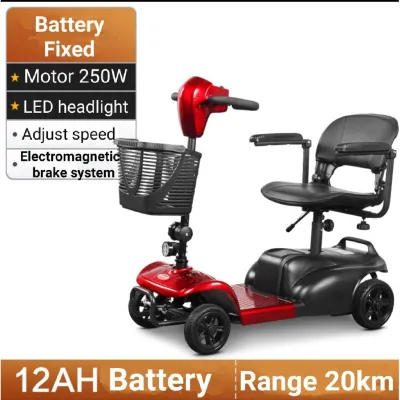
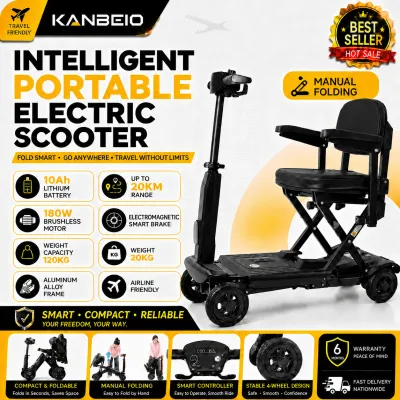
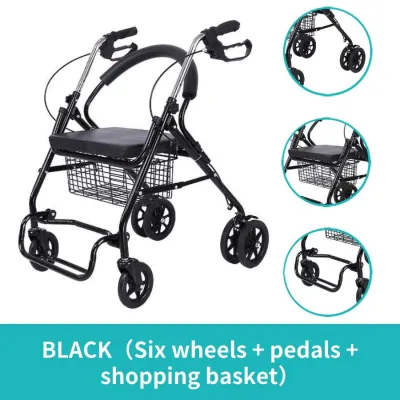
Prices are valid at publication and may change. Please refer to the product page for the latest price.
Wheel size and tire construction directly impact how the scooter handles uneven surfaces. Larger wheels, typically eight to ten inches in diameter, roll more easily over cracks, small stones, and pavement transitions. Solid tires eliminate the risk of flat tires but offer a firmer ride, whereas pneumatic, air-filled tires absorb shocks better on rough surfaces. A robust suspension system is crucial for dampening vibrations on bumpy barangay roads or cracked sidewalks, protecting the rider’s joints from repetitive impacts.
Braking systems must be highly responsive yet gentle enough to prevent sudden, jarring stops. Electromagnetic brakes are highly recommended for seniors because they engage automatically when the rider releases the throttle, preventing the scooter from rolling backward on inclines. Speed limiters or dial-type speed adjusters allow users to set a safe maximum speed, ensuring the vehicle remains manageable even if the throttle is accidentally pressed too hard.
Simple control panels with high-contrast displays and large battery indicators are much easier for older eyes to read. Intuitive wig-wag throttles, which allow the rider to move forward or backward using simple finger or thumb pressure rather than a twisting wrist motion, reduce hand fatigue and accommodate riders with arthritis. Clear labeling and tactile buttons also help users operate lights, horns, and speed settings without distraction.
Comparing Scooter Types for Different Mobility Needs
Three-wheel scooters offer a tighter turning radius, making them exceptionally maneuverable inside narrow hallways, elevators, and crowded supermarket aisles. They provide ample legroom for taller riders but have a slightly higher risk of tipping during sharp turns on uneven ground. This makes them best suited for indoor environments or highly paved, flat outdoor areas.

Four-wheel scooters provide superior lateral stability, making them the safer choice for outdoor use where uneven terrain, curbs, and sloped driveways are common. The wider wheelbase distributes weight more evenly, reducing the likelihood of tipping when traversing minor obstacles. However, they require a larger turning radius, which can make navigating tight indoor spaces more challenging.
Lightweight, folding travel scooters are designed to disassemble or fold easily into the trunk of a car, making them perfect for family outings to the park or shopping centers. While highly portable, they often have lower weight capacities, smaller wheels, and less suspension. Heavy-duty models, though much heavier and harder to transport without a ramp-equipped vehicle, offer higher weight capacities, larger batteries, and superior suspension for extended outdoor travel.
Daily travel distances dictate the required battery capacity and charging setup. For seniors who only need to travel to the local chapel or nearby convenience store, a smaller, lighter battery is sufficient and easier to remove for indoor charging. If the scooter is used for longer journeys, a larger battery capacity is necessary, and the charging port should be positioned high on the tiller so the rider does not have to bend down to plug it in.
Matching the Scooter to the Rider and Environment
It is essential to match the scooter’s maximum weight capacity to the rider, leaving a safe margin for carrying groceries, personal items, or medical equipment. Additionally, consider whether the senior or a caregiver has the physical strength to lift, fold, or load the scooter into a vehicle if it needs to be transported frequently. If lifting is a challenge, a lightweight folding model or a vehicle-mounted ramp may be required.
Philippine neighborhoods often feature high curbs, steep driveway ramps, and unpaved patches. A scooter with low ground clearance might scrape or get stuck on these obstacles, so look for models with at least two to three inches of clearance if outdoor riding is planned. The motor power must also be sufficient to climb local ramps and inclines without stalling or losing control.
Before purchasing, measure the available storage space at home, ensuring there is a dry, shaded area near an electrical outlet for charging. If the scooter will be transported in a family car, measure the trunk dimensions and compare them to the folded dimensions of the scooter to guarantee a hassle-free fit. Keeping the scooter protected from high humidity and dust when not in use will also prolong its operational lifespan.
Pre-Purchase Verification and Safety Checks
Always double-check the manufacturer’s official spec sheets for weight limits, maximum speeds, and battery certifications. Avoid relying solely on retail descriptions on online marketplaces, and ensure the scooter’s performance limits align with the intended user’s physical needs. Look for recognized safety certifications to ensure the electrical and battery systems are stable and reliable.
In the Philippines, the availability of spare parts like replacement batteries, tires, and controllers is critical for long-term ownership. Confirm that the seller or distributor offers a reliable warranty and has a local service center or technician who can perform maintenance. Shipping a heavy scooter back and forth for repairs can be incredibly costly and inconvenient, making local support a top priority.
Before the first real outing, arrange for the senior to practice in a flat, open, and quiet area like a private subdivision street or a quiet park. Ensure they wear appropriate safety gear, such as a lightweight helmet, and practice starting, stopping, turning, and reversing. Familiarizing themselves with the controls in a low-stress environment builds confidence and ensures safe operation on busier public paths.
Frequently Asked Questions (FAQ)
Do I need a license or registration to ride an electric scooter?
In the Philippines, low-speed mobility scooters designed specifically for senior citizens and persons with disabilities generally do not require a driver’s license or Land Transportation Office (LTO) registration, provided they are operated within designated areas like sidewalks, bike lanes, or barangay roads at low speeds. However, regulations can vary by municipality, and some local government units may restrict electric vehicles from major national highways. It is always wise to check with your local barangay or municipal traffic authority to confirm the specific rules in your area.
How long do electric scooter batteries typically last?
The lifespan of an electric scooter battery depends heavily on the battery type, usage frequency, and charging habits. Generally, a well-maintained battery can last between one to three years, or roughly 300 to 500 full charge cycles, before its capacity begins to noticeably degrade. To maximize battery life in the hot and humid Philippine climate, avoid leaving the scooter in direct sunlight, charge it before it drains completely, and store it in a cool, dry place.
Can electric scooters handle rain and wet surfaces?
Most electric mobility scooters are not fully waterproof and should not be ridden in heavy rain or through deep puddles, which are common during the Philippine wet season. To determine a scooter’s water resistance, check its Ingress Protection (IP) rating; a higher second digit indicates better protection against splashes. Riding on wet surfaces also significantly reduces tire traction and increases braking distances, so it is safest to seek shelter and wait for the roads to dry before continuing a journey.
Community discussion
Share your experience or ask a question. Comments are reviewed before publication.