
Setting up a personal golf practice area at home requires a careful balance of space, safety, and the right materials. In the Philippines, where sudden tropical downpours and intense sunlight can quickly wear down outdoor gear, choosing the correct type of EMC golf trapal (tarpaulin) is essential for a durable and safe setup. Whether you are building a high-impact hitting bay in your garage, shielding an expensive launch monitor from humidity, or dividing a shared outdoor practice space, matching the specific tarpaulin variant to your primary activity is the first step toward a successful home driving range.
Quick Decision Guide: Matching Trapal Types to Practice Needs
Selecting the right tarpaulin depends heavily on what you want to achieve and where you plan to set up. The three primary variants available serve distinct purposes: practice nets or hitting screens for active ball striking, protective covers for safeguarding equipment, and range dividers for separating practice bays.
To find the best fit for your home, consider your available space and primary activity:
Products mentioned in this guide

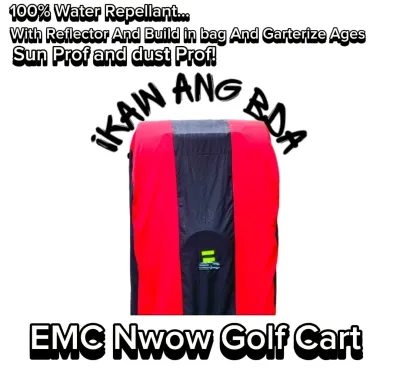
Prices are valid at publication and may change. Please refer to the product page for the latest price.
- Indoor Garage or Carport: If you have a covered, concrete space, a dedicated hitting screen or practice net is ideal. This setup allows you to practice year-round, protected from the elements, provided you have enough clearance.
- Backyard or Open Lawn: Outdoor setups are highly exposed to weather. Here, heavy-duty protective covers are essential to shield your hitting mats, turf, or temporary frames from rain and sun when not in use.
- Shared Spaces or Multi-Bay Setups: If you are setting up a practice area shared with family members or neighbors, range dividers help contain stray shots and block distractions.
Before making any purchase, perform an initial safety clearance check. Stand in your designated practice area with your longest club—usually your driver—and perform a slow-motion practice swing. Ensure you have at least one meter of clear space in all directions, including above your head, to prevent damage to your property or your clubs.
Evaluating Practice Nets and Hitting Screens
Active ball striking demands materials that can absorb high-velocity impacts without tearing or causing dangerous ball rebounds. If your goal is to hit real golf balls at full speed, a standard utility tarp will not suffice; you need a specialized hitting screen or impact-rated net.

Space and Height Requirements
A standard full swing requires a ceiling height of at least 3 meters to ensure safety. When installing a hitting screen, always position it at least 30 centimeters away from any solid wall behind it. This buffer zone allows the material to deform and absorb the ball’s kinetic energy safely, preventing the ball from bouncing off a hard concrete wall and ricocheting back toward you.
Material Verification
When evaluating a trapal for hitting purposes, inspect the product packaging or specifications for material indicators. Look for heavy-duty polyester or double-layered mesh with high denier ratings, such as 800D or higher. Avoid thin, single-layer polyethylene utility tarps for direct high-speed driver practice, as they lack the elasticity to absorb impacts and can degrade rapidly under repetitive stress.
Grommets and Reinforcements
The points where the trapal connects to your frame bear the brunt of every shot’s impact. Check that the grommets are spaced no more than 30 centimeters apart along the edges to distribute tension evenly. Look for double-stitched hems and reinforced, multi-layered corners. Brass or rust-resistant stainless steel grommets are highly recommended to prevent degradation from the humid tropical air.
Selecting Protective Covers for Club and Equipment Storage
If you leave your hitting mats, launch monitors, or golf bags outdoors or in a semi-open carport, a high-quality protective cover is your primary defense against dust, moisture, and UV degradation.
Sizing and Dimensions
Measure your equipment carefully before buying. The cover should drape fully over the gear to block rain, but it must not be so long that excess material pools on the ground. In humid climates, pooled tarpaulin traps rising ground moisture, creating a damp microclimate underneath that accelerates rust and mold growth on your clubs and training aids.
Weather Resistance Labels
Check the manufacturer’s specifications for explicit water resistance and UV protection ratings. Look for terms like “UV-stabilized” or “waterproof PVC coating.” In the Philippines, intense afternoon sun can degrade untreated plastics within months, causing them to become brittle and crack under minor stress.
Secure Closures
High winds during the monsoon season can easily catch and lift loose covers. Evaluate the closure mechanisms on the trapal. Heavy-duty drawstrings, industrial-grade zippers, or integrated buckle straps are essential to keep the cover firmly anchored to your equipment during sudden tropical storms.
Setting Up Range Dividers and Bay Screens
Range dividers serve a dual purpose: they keep players focused by blocking visual distractions and protect bystanders from errant, low-trajectory shots like shanks or toe-hits.
Sizing for Safety
To determine the correct size for a bay divider, calculate the trajectory of typical mishits. A standard divider should stand at least 2 meters high and extend at least 2.5 meters forward from the hitting tee. This creates a protective envelope that contains most off-center shots before they can travel into adjacent areas.
Frame and Wind Resistance
Because range dividers present a large, flat surface area, they act like sails in the wind. If you are setting up an outdoor divider, inspect the frame compatibility. The frame must have a wide, weighted base or be securely anchored into the ground. Look for dividers that feature wind-pass flaps or mesh sections to reduce wind resistance while maintaining structural integrity.
Structural Stress Checks
Regularly inspect the divider setup for signs of physical stress. If you notice the frame bending, the trapal tearing at the attachment points, or the base lifting during moderate gusts, immediately stop using the setup. Adjust the anchoring or temporarily take down the screen until weather conditions improve.
Essential Specifications and Pre-Purchase Checks
Before finalizing your purchase on any online marketplace or at a local sports outlet, perform a systematic quality check to ensure you are getting a durable product.
Material Composition
Read the product tags carefully. PVC-coated polyester is generally superior for outdoor durability and impact resistance compared to standard woven polyethylene. Check the weave density; a tighter, more compact weave indicates better tear resistance and longevity.
Stitching and Hardware
Upon delivery, inspect the hem stitching. Look for double or triple-lock stitching along all edges. Ensure the grommets are perfectly circular, firmly crimped into the fabric, and show no signs of pre-existing rust or loose edges.
Warranty and Support
Verify the seller’s return policy and warranty terms. Outdoor sports equipment is subjected to repetitive stress, so having a clear path for returns or replacement hardware, such as spare bungee ties or corner brackets, is highly valuable.
Installation, Safety, and Routine Maintenance
Proper installation and regular upkeep are key to maximizing the lifespan of your golf trapal and ensuring a safe practice environment.
Anchoring Best Practices
When mounting your trapal to a frame, use elastic bungee cords or spring-loaded carabiners rather than rigid ropes or zip ties. Bungee cords allow the material to flex slightly upon ball impact, distributing the force evenly and preventing the grommets from tearing out. Avoid over-tensioning the screen; it should be taut enough to remove major wrinkles but loose enough to yield slightly when struck.
Cleaning and Drying
Keep your trapal clean by washing it down with mild soap, lukewarm water, and a soft-bristled brush. Avoid harsh chemical detergents or high-pressure washers, which can strip away waterproof coatings and UV-resistant layers. After washing, or after a heavy rain, always allow the trapal to air dry completely in a shaded, well-ventilated area before folding it.
When to Replace
Inspect your setup weekly for wear and tear. Look for fraying edges, loose stitching around the grommets, or thin spots in the impact zone. If you observe any deep tears, cracked grommets, or structural sagging that cannot be corrected by adjusting the tension, it is time to replace the trapal. Continuing to practice with a compromised screen increases the risk of a ball breaking through and causing property damage or injury.
Frequently Asked Questions (FAQ)
Can a standard EMC trapal stop a high-speed golf drive?
Standard utility tarpaulins are not designed to absorb the concentrated, high-velocity impact of a golf ball driven by a club. Attempting to use a basic utility tarp as a primary hitting screen carries a high risk of the ball tearing through the material or rebounding unpredictably back toward the golfer. Always verify that the specific model you purchase is explicitly rated for golf ball impacts, or pair a standard protective trapal with a dedicated, heavy-duty golf impact net.
How do I prevent mold on my outdoor golf trapal?
The high humidity and frequent rainfall in the Philippines create the perfect environment for mold and mildew growth. To prevent this, never fold or store your trapal while it is damp. If it gets wet during practice, leave it hanging until it is completely dry. Additionally, try to set up your practice area in a spot that receives adequate airflow, and periodically wipe down the material with a diluted mixture of water and mild vinegar to inhibit fungal growth without damaging the protective coatings.
Community discussion
Share your experience or ask a question. Comments are reviewed before publication.