
Choosing the right taekwondo jersey—traditionally referred to as a dobok—is one of the most practical decisions you will make as a martial artist. The fabric you wear directly affects your mobility, body temperature regulation, and overall comfort during intense training sessions. Because taekwondo involves dynamic, high-reaching kicks and rapid footwork, a poorly chosen uniform can restrict your movement, retain excessive sweat, or wear out prematurely at the seams.
To find the ideal balance, you must evaluate the fabric’s material composition and weight relative to your specific training environment, skill level, and local climate. A uniform that performs beautifully in a cool, climate-controlled tournament hall may feel suffocating in a humid, non-air-conditioned community gym. By understanding the distinct characteristics of cotton, polyester, and synthetic blends, you can select a garment that supports your performance and withstands the rigors of daily practice.
Comparing Taekwondo Jersey Materials: Cotton, Polyester, and Blends
The raw material of your taekwondo jersey dictates how it handles moisture, how it drapes on your body, and how much care it requires after training. Manufacturers utilize three primary fabric categories, each offering distinct advantages and practical trade-offs that impact your daily practice.
Products mentioned in this guide
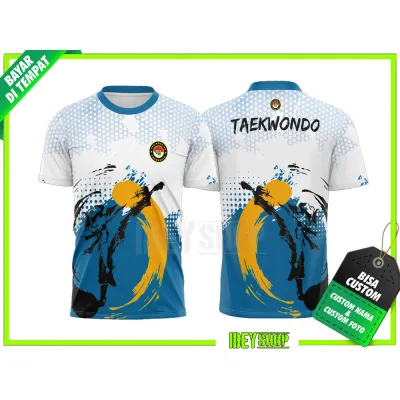
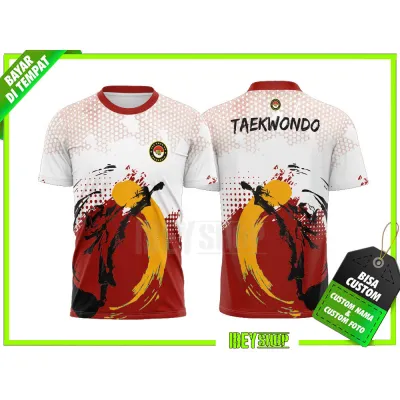
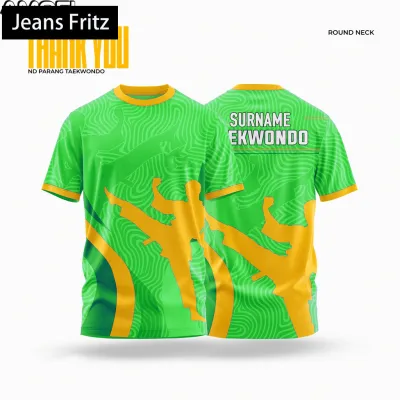
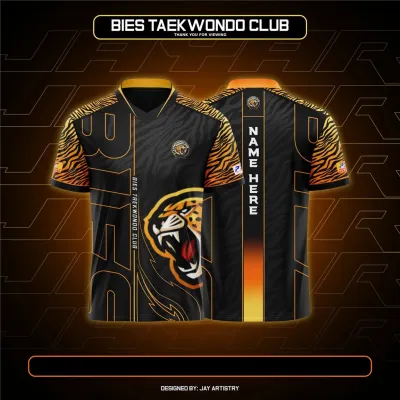
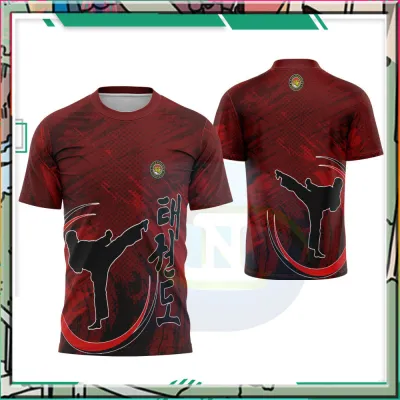
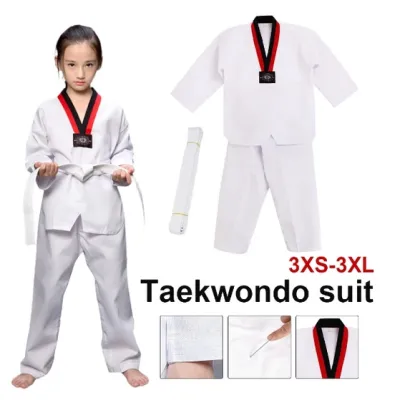
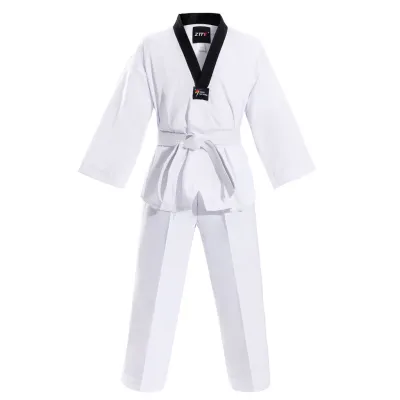
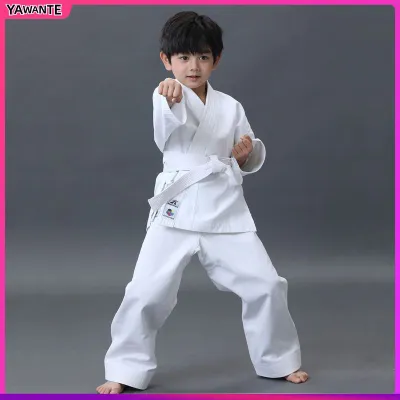
Prices are valid at publication and may change. Please refer to the product page for the latest price.
Cotton
Pure 100% cotton is the traditional choice for martial arts uniforms, favored for its natural softness and classic aesthetic. Cotton fibers possess excellent natural breathability, allowing air to circulate close to your skin when you first begin your warm-up. It also absorbs moisture highly effectively, drawing sweat away from your body initially.
However, cotton has notable physical limitations when subjected to rigorous training. Once cotton absorbs moisture, it holds onto it, causing the fabric to become heavy, damp, and clingy during long sessions. This slow drying time can lead to chafing and discomfort. Additionally, natural cotton is highly susceptible to shrinking if washed in hot water or dried with high heat, and it requires regular ironing to maintain a crisp, professional appearance.
Polyester
Polyester is a synthetic fiber engineered for durability, resilience, and high-performance athletic wear. A 100% polyester taekwondo jersey is exceptionally lightweight, resists wrinkling, and maintains its original shape and size even after dozens of wash cycles. Because polyester fibers do not absorb water internally, moisture spreads across the surface and evaporates rapidly, keeping you dry.
Despite these performance benefits, pure polyester has dry-use drawbacks. If the fabric lacks specialized moisture-wicking treatments or advanced woven structures, it can feel slick, synthetic, and less breathable than natural fibers. Polyester also has a chemical affinity for oils, meaning it can easily trap body oils and bacteria, leading to persistent, hard-to-remove odors over time if not washed promptly with appropriate detergents.
Cotton-Polyester Blends
Cotton-polyester blends are engineered to combine the most desirable traits of both natural and synthetic fibers. Typically found in ratios such as 65% polyester and 35% cotton, or an even 55/45 split, these hybrid fabrics offer a practical compromise for modern practitioners. They retain much of the softness, weight, and traditional drape of cotton while inheriting the strength, colorfastness, and wrinkle resistance of polyester.
These blends dry significantly faster than pure cotton and do not shrink as severely when laundered. They offer a neat, professional look straight out of the wash with minimal ironing required. For the vast majority of students and instructors, a high-quality blend represents the most versatile and cost-effective choice for regular dojang use.
Label Verification
When shopping for a new uniform, do not rely solely on product titles or marketing phrases such as “premium cotton feel” or “ultra-cool synthetic.” Always locate and read the physical garment care label or the manufacturer’s detailed specifications sheet to verify the exact material percentages. Many budget-friendly options use misleading terminology on the packaging, but the law requires the care label to state the precise fiber content, which is your only reliable guide to how the fabric will behave.
How Fabric Weight Affects Your Taekwondo Training
Fabric weight is measured either in ounces per square yard (oz) or grams per square meter (GSM). This measurement determines how thick, stiff, and durable the jersey will feel, which directly influences your physical performance and comfort.

Lightweight Fabrics
Lightweight uniforms generally range from 5 oz to 7 oz (approximately 170 to 240 GSM). These garments are thin, highly flexible, and prioritize maximum freedom of movement. They are particularly beneficial for young children, beginners who are adjusting to the physical demands of the sport, and practitioners focusing on rapid sparring drills.
In hot and highly humid climates, such as the tropical environment of the Philippines, a lightweight jersey is highly advantageous. When training in local dojangs that rely on natural ventilation or simple wall fans, a lighter fabric facilitates rapid heat dissipation and faster sweat evaporation. This reduces the risk of overheating and keeps you feeling agile during extended training sessions.
Medium-Weight Fabrics
Medium-weight uniforms typically fall between 8 oz and 10 oz (approximately 270 to 340 GSM). This weight category serves as the standard standard for intermediate to advanced practitioners and is highly favored for everyday training. It offers a robust balance between durability and comfort, standing up to the friction of partner work without feeling excessively heavy.
One of the primary benefits of a medium-weight fabric is its ability to produce a distinct, audible “snap” sound during sharp, high-velocity techniques. In poomsae (forms) practice, this acoustic feedback is highly valued because it emphasizes the speed and focus of your punches, blocks, and kicks, helping you self-correct your technique during solo execution.
Heavyweight Fabrics
Heavyweight uniforms range from 11 oz to 14 oz (approximately 370 to 470 GSM) and are constructed from dense, tightly woven canvas. These premium garments are typically worn by master-level instructors, high-ranking black belts, and serious forms competitors. They offer an exceptionally structured, crisp drape that holds its shape perfectly, presenting a highly formal and polished appearance.
While heavyweight uniforms are incredibly durable and can withstand years of intense use, they require significant physical break-in time. The thick fabric can feel stiff initially and restricts airflow more than lighter options. They also retain more heat, making them less suitable for high-tempo sparring or training in warm, unconditioned spaces.
Weight Verification
To ensure you get the exact performance you expect, look for the manufacturer’s official weight specifications in ounces or GSM rather than relying on subjective terms like “lightweight” or “heavyweight.” A term like “light” can vary dramatically between different brands. Verifying the numerical weight allows you to make an accurate comparison across different manufacturers and select the precise thickness suited to your training style.
How to Choose the Right Fabric and Weight for Your Needs
Selecting the perfect combination of material and weight requires matching the garment’s physical properties to your specific role, training goals, and the environmental conditions of your training space.
Beginners and Casual Practitioners
If you are new to taekwondo or train once or twice a week, your primary considerations should be cost-effectiveness, ease of maintenance, and basic comfort. A lightweight to medium-weight cotton-polyester blend (such as a 65/35 mix) is highly recommended. These uniforms are generally affordable, ranging from budget-friendly entry-level prices to mid-tier options.
Blended fabrics require very little specialized care, meaning they can be thrown into a standard wash cycle and hung to dry without turning into a wrinkled, shrunken mess. This convenience ensures that keeping your uniform clean and presentable does not become a time-consuming chore between your weekly classes.
Poomsae (Forms) Competitors
For practitioners who focus on poomsae, visual presentation and posture are critical. Judges look for clean, sharp lines and precise body alignment. To achieve this, you should look for a medium-to-heavyweight uniform, preferably with a higher cotton content or a specialized ribbed weave structure.
These fabrics provide the necessary stiffness to prevent the uniform from clinging to your body, maintaining a crisp silhouette even during complex movements. The added weight also generates the sharp, satisfying auditory snap on terminal movements, which enhances the perceived power and focus of your performance in front of grading panels or tournament judges.
Kyorugi (Sparring) and High-Intensity Training
If your training centers on sparring, Olympic-style competition, or high-intensity cardiovascular drills, your uniform must prioritize heat management, weight reduction, and moisture control. For this style of training, look for an ultra-lightweight, high-polyester jersey designed specifically for sparring.
Many modern sparring uniforms feature advanced synthetic weaves with micro-ventilation holes or mesh panels integrated into high-heat zones, such as the underarms, upper back, and behind the knees. These design elements ensure that sweat is pulled away from your skin immediately, preventing the fabric from becoming heavy and wet, which can cause painful skin chafing and slow down your footwork.
Tropical Climate Considerations
Training in a tropical climate presents unique challenges for martial artists. High ambient temperatures and heavy humidity mean you will sweat profusely, and wet fabrics will dry much slower than they would in cooler climates. Under these conditions, heavy, 100% cotton uniforms can quickly become waterlogged, heavy, and uncomfortable.
To prevent skin irritation, heat rash, and fungal infections, look for lightweight synthetic blends or specialized moisture-wicking polyesters. These materials facilitate rapid evaporation, helping your body cool itself naturally. Additionally, choosing fabrics with antimicrobial treatments can help mitigate the sour odors that tend to develop quickly in warm, humid training gear.
What to Check on the Label: Sizing, Weave, and Care Requirements
Before finalizing your purchase, take the time to inspect the physical construction of the jersey and understand its long-term maintenance needs. Proper care preserves the fabric’s integrity and ensures your uniform remains safe and comfortable to wear.
Reading the Care Label
Always read the care instructions on the label before washing your uniform for the first time. Standard guidelines usually recommend washing in cold water (30°C or below) and avoiding chlorine bleach, which can weaken the fibers over time and cause white fabrics to turn yellow.
Avoid using high-heat settings on tumble dryers, especially for synthetic blends and 100% cotton. High heat can cause severe, irreversible shrinkage in cotton and can melt or warp the delicate synthetic fibers in polyester-based sparring uniforms. Whenever possible, hang your uniform to air-dry in a well-ventilated area out of direct, intense sunlight, which can degrade the fabric over time.
Inspecting the Weave and Stitching
Take a close look at the construction quality of the jersey, focusing on the high-stress areas that endure pulling, stretching, and friction. The collar, shoulders, underarms, and side slits of the jacket should feature reinforced, multi-row stitching.
Similarly, check the hem of the pants and the crotch gusset, which must be wide and heavily stitched to accommodate deep stances and high kicks without tearing. High-quality uniforms typically feature triple-stitched seams along these critical stress points, ensuring the garment does not fail during a dynamic sparring session or grading examination.
Sizing and Shrinkage
When choosing your size, you must account for the fabric’s potential to shrink. If you choose a 100% cotton uniform that is not explicitly labeled as “pre-shrunk,” expect it to shrink by up to one full size over the first few washes. In this case, it is wise to purchase one size larger than your current measurements indicate.
For polyester-dominant blends and pre-shrunk uniforms, shrinkage is minimal (usually less than 2%). You can safely buy the size that matches your current height and weight measurements. Always consult the manufacturer’s specific sizing chart, as cut and fit can vary significantly between European, Asian, and American brands.
Replacement Signals
Even the highest-quality taekwondo jersey has a limited lifespan. You should inspect your uniform regularly and plan to replace it if you notice any of the following signs of wear:
- Fabric Thinning: Areas around the knees, elbows, and collar that have become worn, translucent, or paper-thin, indicating they are prone to tearing.
- Persistent Odors: A sour, musty smell that remains embedded in the synthetic fibers even after a thorough wash with specialized sports detergents.
- Compromised Seams: Fraying, unraveling, or split stitching along major seams that could catch a training partner's toe or finger, posing a safety hazard during sparring.
- Permanent Discoloration: Deep yellowing under the arms or graying of the fabric that cannot be resolved with gentle laundry boosters, compromising the neat, respectful presentation required in the dojang.
Frequently Asked Questions (FAQ)
Can I use a karate or judo uniform for taekwondo?
You should avoid using a karate gi or a judo uniform for taekwondo training. Judo uniforms are constructed from incredibly heavy, thick woven canvas designed to withstand intense grabbing, pulling, and throwing; this heavy material will severely restrict your leg mobility and slow down your kicks. Karate uniforms often feature a wrap-around jacket style and a different cut that does not align with the traditional V-neck pullover style of a taekwondo dobok. Using the incorrect uniform can hinder your movement, alter the clean visual lines required for forms, and may violate the formal dress codes or competition regulations of your governing taekwondo association.
How often should I wash my taekwondo jersey?
You should wash your taekwondo jersey after every single training session without exception. During practice, the fabric absorbs significant amounts of sweat, dead skin cells, and environmental dirt from the mats. In warm, humid environments, this damp fabric becomes an ideal breeding ground for bacteria and fungi, which can lead to skin infections such as ringworm or staph. If you cannot wash your uniform immediately after class, remove it from your gym bag and hang it up to air-dry completely. Leaving a damp, sweat-soaked uniform balled up inside a dark, closed gym bag accelerates bacterial growth, ruins the fabric fibers, and causes permanent, foul odors.

Community discussion
Share your experience or ask a question. Comments are reviewed before publication.