
Selecting the right fingertab requires balancing the physical demands of your casting style with the specific line types you handle. A proper finger protector prevents painful line cuts while maintaining the tactile sensitivity needed to feel subtle bites under water. Whether you are casting heavy lures into the surf or jigging in deep coastal waters, protecting your hands is essential for a successful and comfortable day on the water. By evaluating material durability, thickness, and fit, you can find an accessory that enhances your control without restricting your dexterity.
Identify When Your Fishing Technique Requires a Fingertab
Anglers targeting powerful marine species in the coastal waters of the Philippines often face extreme physical demands on their hands. High-stress techniques such as vertical jigging, deep bottom fishing, or heavy trolling subject your fingers to intense, repetitive tension. When a large fish strikes or when you are retrieving heavy sinkers from deep structures, the line can slip rapidly across your skin, causing immediate friction damage.
The widespread use of thin, high-strength braided lines amplifies this risk. While braided line offers excellent casting distance and minimal stretch, its narrow diameter acts like a sharp wire under tension. During a sudden strike, a snag, or a high-velocity cast with heavy lures, the braid can easily slice through wet, softened skin, leading to deep cuts that can cut a fishing trip short.
Products mentioned in this guide
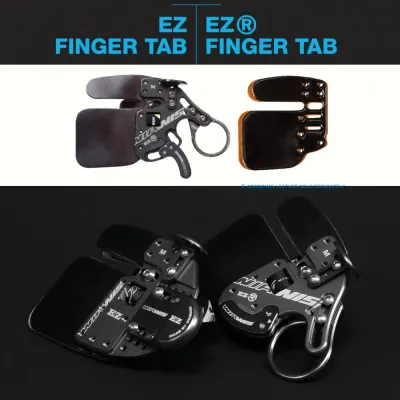
Prices are valid at publication and may change. Please refer to the product page for the latest price.
Prolonged rod gripping and line handling also present long-term physical challenges. You may notice observable signs of wear, such as friction blisters, thick calluses, or even mild nerve compression from pressing your finger against the hard rod blank or reel seat. Recognizing these early warning signs of hand fatigue and skin abrasion is the first step in determining when to integrate a dedicated finger protector into your gear setup.
Match Fingertab Materials to Your Fishing Environment and Water Type
Selecting the right material for your finger protector depends heavily on the water conditions and climate of your typical fishing spots. In tropical environments, high humidity and constant exposure to saltwater accelerate the wear and tear on your gear. Different materials offer distinct advantages in terms of durability, grip, and maintenance.

Leather options, such as cowhide or specialized synthetic leather, are highly valued for their exceptional abrasion resistance. A leather face provides a smooth release for the line during casting while shielding your skin from the friction of heavy braided lines. However, leather requires dedicated maintenance; after exposure to saltwater, it must be rinsed and dried carefully to prevent it from becoming stiff, brittle, and unusable.
Synthetic rubber and silicone alternatives excel in wet, humid conditions. These materials do not absorb water, allowing them to dry almost instantly after a splash or a sudden downpour. They provide a highly reliable grip on wet lines, making them excellent for active casting styles where maintaining a firm hold on the line is critical for accuracy and distance.
Neoprene is another popular choice, particularly for anglers who require extra shock cushioning during heavy-duty fishing. While neoprene is often associated with thermal insulation in colder climates, in tropical waters it serves as an excellent cushion against the repetitive impact of heavy casting. The material absorbs shock well, reducing the physical strain on your finger joints during long days on the water.
Balance Thickness and Protection for Bite Detection
A common challenge when using finger protection is maintaining the ability to feel what is happening at the end of your line. Finding the right balance between physical protection and tactile sensitivity is essential for detecting subtle bites and understanding underwater topography.
Thin profiles, typically ranging from 0.5mm to 1mm, are ideal for light-tackle fishing and finesse techniques. When you are targeting sensitive species that nibble gently, a thin material allows you to feel the slight vibrations of your lure and the texture of the bottom structure. This minimal barrier ensures you do not miss critical feedback while still preventing minor line burns during casting.
Conversely, thick, padded options are necessary when dealing with heavy drag settings and large, hard-fighting fish. When casting heavy lead sinkers or large swimbaits, the pressure exerted on your index finger is immense. A thicker pad, often reinforced with extra layers of synthetic fabric or leather, prevents the line from biting into your finger during high-velocity releases and intense, prolonged fights.
To get a balanced solution, look for designs that feature targeted protection. Many modern finger protectors utilize a reinforced zone specifically over the pad of the index finger, while keeping the sides and the rest of the hand covered in thinner, highly flexible materials. This hybrid approach provides robust protection exactly where the line contacts your skin, without sacrificing overall hand dexterity or sensitivity.
Evaluate Fit and Dexterity for Casting and Knot Tying
A finger protector should never hinder your ability to perform essential fishing tasks. If your gear restricts your movement, you may find yourself constantly removing it, which defeats the purpose of wearing protection in the first place.
When comparing designs, consider the difference between full-finger gloves, half-finger options, and single-finger casting stalls. Full-finger gloves offer comprehensive protection but can make intricate tasks like tying complex knots, baiting hooks, or handling small terminal tackle incredibly difficult. Half-finger or open-tip designs expose your fingertips, allowing you to maintain the fine motor skills needed for delicate rigging while keeping the vulnerable parts of your hand shielded.
The securing mechanism of the fingertab plays a vital role in both comfort and stability. Look for adjustable wrist straps, secure Velcro closures, or flexible elastic bands that allow you to customize the tightness. The closure should hold the protector firmly in place during high-speed casting motions without compressing your wrist or restricting blood flow, which can lead to cold fingers and reduced sensitivity.
Additionally, pay close attention to the articulation at the knuckles. When you grip a fishing rod, your fingers bend repeatedly. If the material bunches up or resists this natural bending motion, it can cause rapid hand fatigue. A well-designed finger protector features pre-curved panels or highly elastic joint zones that mimic the natural movement of your hand, ensuring comfort during repetitive casting.
Step-by-Step Guide to Sizing and Testing Your Fingertab
To ensure your finger protector performs reliably on the water, you must select the correct size and verify its functionality before heading out. A poorly fitting tab can slip at crucial moments, leading to missed casts or accidental line cuts.
First, measure your hand accurately rather than relying on generic small, medium, or large labels. Use a flexible measuring tape to find the circumference of your wrist and the length of your index finger from the base to the tip. Whether you are investing ₱300 or ₱1,500 in a premium finger protector, comparing these measurements directly against the manufacturer’s specific sizing chart is essential, as sizing standards can vary significantly between different brands.
Once you have the protector, simulate the physical motions of fishing at home. Hold your favorite fishing rod and mimic the action of casting and retrieving. Pay close attention to how the material behaves when you pinch the line against the rod blank. If the tab slips, bunches up, or shifts out of alignment, it may be too large or require adjustment of the straps.
Next, inspect the internal seam placements. Put the protector on and press your finger firmly against a hard surface. If you feel any thick seams rubbing directly against your skin or pressing into your finger pad, this can quickly turn into a painful pressure point during a long day of casting. High-quality designs place seams away from the primary contact zones to prevent irritation.
Finally, conduct a wet-grip test. Dampen your hands and the finger protector with a wet cloth to simulate real-world conditions, such as rain, sweat, or fish slime. Attempt to grip a piece of monofilament or braided line under light tension. The material should maintain its traction and prevent the line from slipping easily, ensuring you retain full control even in wet tropical environments.
Clean and Store Your Fingertab to Prevent Degradation
Proper maintenance is key to extending the lifespan of your finger protector, especially when fishing in saltwater environments. Salt crystals, moisture, and heat can rapidly degrade both natural and synthetic materials if left unchecked.
After every fishing trip, rinse the protector thoroughly with clean, fresh water. This simple step removes salt deposits, sand, and organic residue that can act like sandpaper, wearing down the fibers and causing the material to stiffen. Pay special attention to the Velcro closures and seams where salt crystals tend to accumulate.
Once rinsed, allow the protector to air-dry completely in a shaded, well-ventilated area. Avoid placing it in direct sunlight, as intense UV rays can cause synthetic rubbers to crack, colors to fade, and leather to shrink and harden. Never use artificial heat sources like hair dryers, which can warp the materials.
Always check the manufacturer’s label for specific washing instructions. Avoid using harsh detergents, bleach, or fabric softeners, which can break down specialized coatings or adhesives. If your protector features natural leather, applying a small amount of leather conditioner after it dries will help maintain its flexibility and water resistance.
Frequently Asked Questions (FAQ)
Can I use a regular sports or work glove instead of a fishing fingertab?
While regular sports or work gloves offer basic hand protection, they are rarely optimized for the specific demands of angling. Standard gloves often lack the high dexterity required to tie complex knots, handle small hooks, or feel subtle line vibrations. Furthermore, they are typically made from materials that absorb water, becoming heavy and slippery when wet, whereas fishing-specific finger protectors are designed to drain quickly and maintain a secure grip on wet lines.
How do I prevent my fingertab from slipping when handling wet lines?
To prevent slipping, ensure your finger protector features specialized anti-slip elements, such as textured silicone patterns, microfiber patches, or high-traction synthetic overlays on the contact zones. Additionally, verify that the wrist and finger straps are adjusted correctly. The straps should be snug enough to prevent the material from shifting during a cast, but not so tight that they restrict blood circulation or cause hand fatigue.
Community discussion
Share your experience or ask a question. Comments are reviewed before publication.