
Selecting the right fish net in the Philippines requires matching the tool to your specific fishing technique, target species, and local aquatic environment. A cast net is highly effective for gathering live bait along sandy shorelines, while a landing net is indispensable for securing a hooked fish from a boat or steep riverbank. For larger operations, seine nets require group coordination, whereas passive gill nets demand strict adherence to local municipal laws. Choosing the wrong net can lead to lost catch, damaged gear, or legal penalties, making it essential to evaluate your primary fishing method before making a purchase.
Diagnose Your Fishing Style and Water Conditions
Before browsing online marketplaces or visiting a local tackle shop, evaluate how and where you plan to fish. Solo anglers operating from the shore or a kayak have vastly different gear requirements than groups managing a community harvest. For solo anglers, lightweight, easily deployable options like cast nets or compact landing nets are the most practical choices.
Your fishing environment dictates the net’s design. Shallow, sandy flats allow smooth deployment of weighted nets, whereas rocky reefs, coral heads, and mangrove roots easily snag and tear delicate mesh. Strong tidal currents also affect sink rates, requiring heavier weights to keep the mesh open.
Products mentioned in this guide
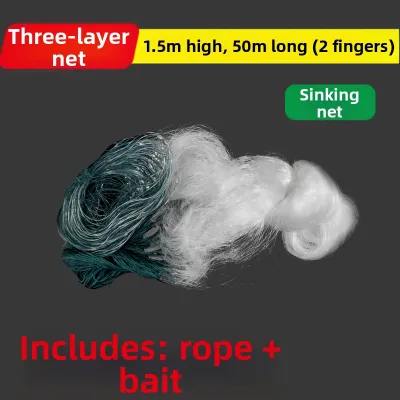
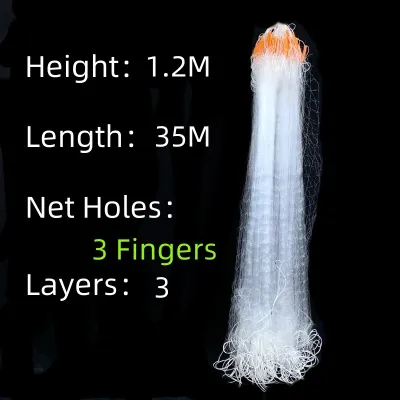
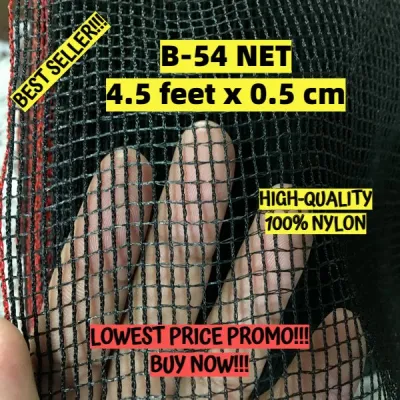
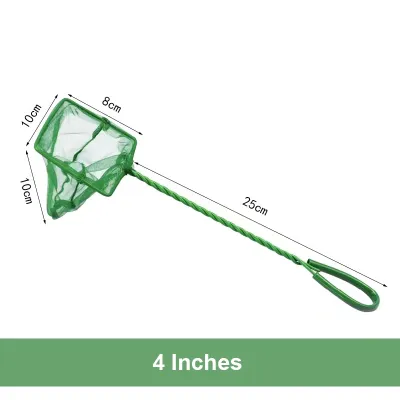
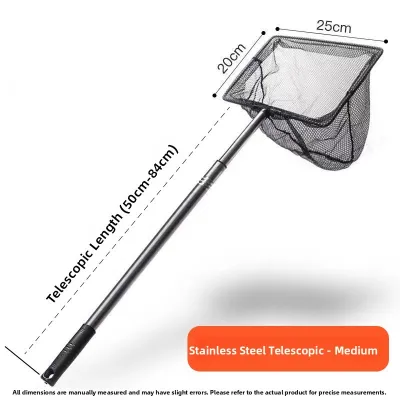
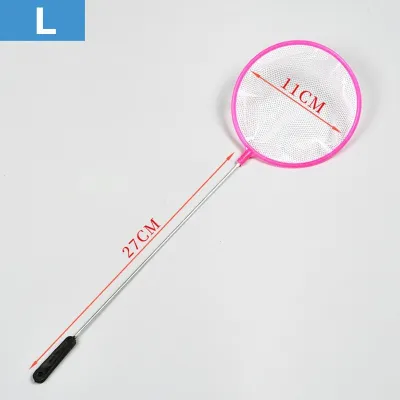
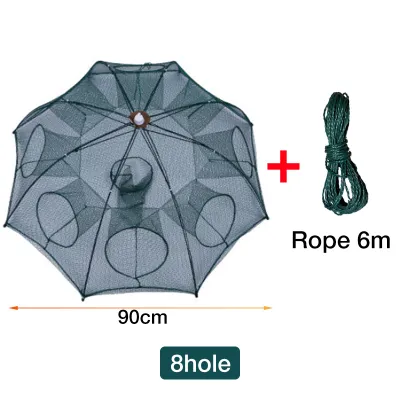
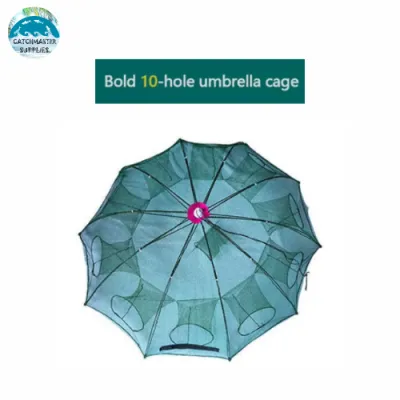
Prices are valid at publication and may change. Please refer to the product page for the latest price.
Finaly, determine if the net is your primary catching tool or a secondary landing aid. Active harvesting requires specific throwing or pulling techniques, while landing a hooked fish requires a sturdy frame and fish-friendly mesh to protect its slime coat.
Match Net Types to Your Specific Fishing Methods
Different fishing techniques require distinct net designs to ensure efficiency and minimize physical strain. Matching the net category to your specific activity prevents gear failure and improves your overall success rate on the water.

Cast Nets: Active Shallow Water and Bait Catching
Cast nets are circular nets designed to be thrown by hand so they open fully in the air and sink rapidly to trap fish underneath. This type is highly suitable for solo anglers targeting small baitfish or shrimp in shallow, unobstructed waters like estuaries and sandy beaches. Because the net relies on gravity and weights to trap fish against the bottom, it is less effective in deep water or over highly irregular, rocky terrain.
Using a cast net requires physical coordination and consistent practice to master the throwing technique. Anglers must learn to fold and throw the net so it forms a wide, flat circle upon hitting the water. When selecting a cast net, evaluate the radius and the weight per foot. A larger radius covers more area but requires more physical strength to throw, while heavier weights sink faster but increase fatigue.
Landing Nets: Essential Support for Rod and Reel
Landing nets serve as a critical supporting tool for hook-and-line anglers rather than a primary harvesting device. When a fish is fought close to the boat or shore, lifting it out of the water by the line alone can snap the leader or tear the hook from the mouth. A landing net allows you to scoop the fish safely out of the water, minimizing stress on both your tackle and the fish.
To choose the right landing net, match the hoop size and handle length to your target species and fishing platform. Anglers fishing from high banks, piers, or large boats require long, sometimes telescopic handles to reach the water surface safely. For catch-and-release fishing, look for knotless nylon or rubber-coated mesh. These materials prevent the fish’s scales and protective slime coat from rubbing off, which is vital for the animal’s survival after release.
Seine Nets: Enclosure and Group Shore Fishing
Seine nets are long, flat panels of mesh equipped with floats along the top edge and weights along the bottom. They are designed to encircle a specific area of water, trapping fish as the net is pulled toward the shore or a boat. This method is highly effective for harvesting schooling fish in shallow, open waters with clean, sandy, or muddy bottoms that will not snag the bottom line.
Deploying a seine net is rarely a solo endeavor; it typically requires at least two people, and often a larger group or a small boat, to pull the net effectively. Before purchasing a seine net, assess the logistical feasibility of your fishing trips and ensure you have enough assistance to operate the gear. You must also verify that the shoreline you intend to fish is free of sharp rocks, sunken logs, and heavy debris that can ruin the mesh.
Gill Nets: Passive Catching and Regulatory Checks
Gill nets are passive fishing tools set vertically in the water column using a system of floats and weights. Fish swimming through the area attempt to pass through the mesh and become entangled, typically by their gills or fins. The success of a gill net depends heavily on matching the mesh size precisely to the physical girth of the target species, as fish that are too small will swim right through, while fish that are too large will simply bounce off.
Because gill nets are left unattended for periods, they require constant monitoring to prevent unwanted bycatch and the hazard of ghost fishing. If a gill net is lost or abandoned, it can continue to trap and kill marine life indefinitely. Furthermore, gill net use is heavily restricted or entirely banned in many municipal waters across the Philippines to protect local marine ecosystems. Anglers must verify all local ordinances before considering this method.
Key Specifications to Check Before Buying
When purchasing a fish net, looking at the general category is not enough; you must verify specific physical dimensions and material properties to ensure the gear is legal, durable, and effective.
First, check the mesh size, which is typically measured either from knot to knot or as stretched mesh. The mesh size must be large enough to allow juvenile fish to escape while remaining small enough to retain your target catch. In many regions of the Philippines, using fine-mesh nets (often defined as mesh sizes less than three centimeters) is illegal for wild capture because it destroys young fish populations. Always check local municipal guidelines to ensure compliance.
Second, compare the net materials, focusing on multifilament nylon versus monofilament. Monofilament nets are made from a single plastic strand, making them nearly invisible underwater, quick-sinking, and resistant to water absorption. However, they can be stiff and prone to kinking. Multifilament nylon nets consist of multiple woven strands, offering greater softness, flexibility, and strength, though they absorb more water and can become heavy and slow to dry.
Third, inspect the weights and floats integrated into the net. For cast nets and gill nets, the weight line must be securely bound to prevent the weights from shifting or tangling in the mesh. Lead or eco-friendly steel weights should be heavy enough to sink the net quickly in your target water depth, while the floats must have sufficient buoyancy to keep the top of the net properly suspended.
Maintenance and Storage for Longevity
Proper maintenance is essential to protect your investment and ensure your fish net remains reliable over many seasons. Tropical conditions in the Philippines, characterized by high humidity and intense sunlight, can rapidly degrade synthetic fibers and corrode metal components if gear is neglected.
After every fishing trip, thoroughly rinse your net with clean, fresh water. This step is especially critical after saltwater exposure, as salt crystals can dry inside the fibers, causing abrasive wear that weakens the mesh over time. Rinsing also removes mud, algae, organic debris, and fish slime, which can cause unpleasant odors and attract pests during storage.
Once rinsed, dry the net completely in a shaded, well-ventilated outdoor area. Never leave a wet net bunched up in a plastic bucket, as the trapped moisture will encourage mildew and rot. Avoid drying the net in direct, intense sunlight, as ultraviolet (UV) rays degrade nylon and monofilament, making the strands brittle and prone to snapping under load.
Finally, store the completely dry net in a cool, dry indoor space. Hang landing nets by their frames or handles, and store cast nets or seine nets loosely folded inside a breathable storage bag or hanging from a peg. Keep the storage area free from pests, as rodents are known to chew through synthetic netting to find nesting material.
Frequently Asked Questions (FAQ)
Is it legal to use gill nets or seine nets in the Philippines?
The use of gill nets and seine nets is highly regulated under Philippine national fisheries laws and local municipal ordinances. Many municipal waters restrict or completely ban these nets—especially active seine nets and fine-mesh gill nets—to prevent overfishing and protect marine habitats. Before purchasing or deploying any passive or large-scale net, you must consult the local municipal agriculture office or the Bureau of Fisheries and Aquatic Resources (BFAR) to obtain the necessary permits and verify permitted mesh sizes.
What mesh size is best for catching common local species like tilapia or bangus?
The appropriate mesh size depends on the growth stage of the tilapia or bangus (milkfish) you are targeting. For adult fish in aquaculture ponds or designated wild fishing zones, a stretched mesh size of approximately 5 to 7 centimeters is commonly used to ensure smaller, juvenile fish can pass through safely. Always check the physical label on the net packaging and cross-reference it with local fishery regulations to ensure your gear meets the minimum legal mesh size requirements for your specific water body.
Community discussion
Share your experience or ask a question. Comments are reviewed before publication.