
Choosing the right fishing cage for catching fish in the Philippines requires balancing your target species, the specific aquatic environment, and the durability of the materials against harsh tropical conditions. Whether you are targeting tilapia in freshwater lakes, mud crabs in brackish mangrove estuaries, or reef fish along coastal shores, the design of your trap directly determines your success. A well-chosen cage allows target species to enter easily while preventing their escape, resisting the corrosive effects of warm saltwater and strong tidal currents.
To make an informed purchase, you must evaluate how different cage designs, mesh sizes, and structural materials perform in local waters. Selecting the wrong equipment can lead to empty traps, lost gear, or rapid deterioration under the intense tropical sun. By focusing on practical selection criteria and structural integrity, you can find a reliable tool that maximizes your catch and stands up to seasons of use.
Match the Cage Type to Your Target Catch and Environment
Matching your fishing cage to your specific target species is the first step toward a successful harvest. Different aquatic animals exhibit distinct behaviors when approaching and entering a trap. For instance, small baitfish rely on schooling instincts and require fine mesh sizes to prevent them from slipping through the sides. Conversely, larger bottom feeders or crabs require wide, sturdy entry funnels that accommodate their body shapes while preventing them from backing out once inside.
Products mentioned in this guide
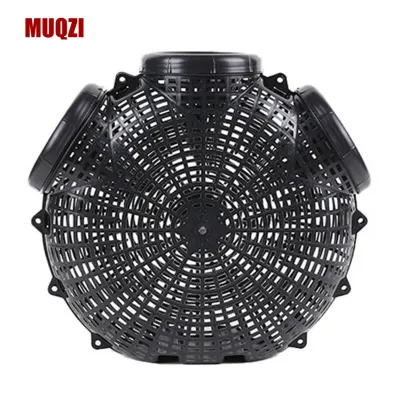
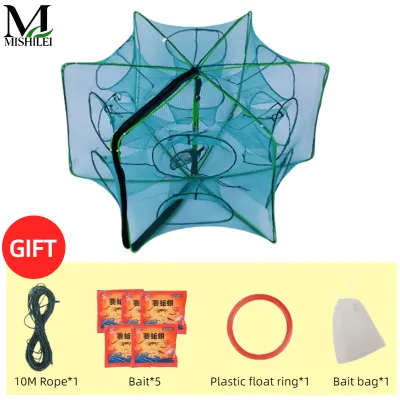
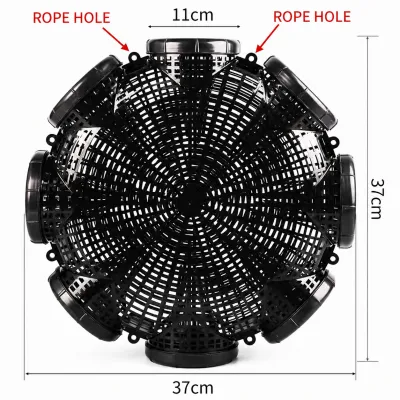
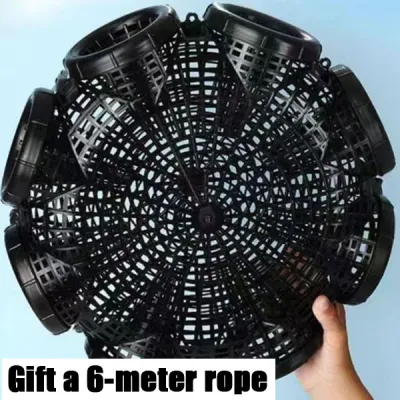
Prices are valid at publication and may change. Please refer to the product page for the latest price.
Water conditions in your chosen fishing spot dictate the physical demands placed on your gear. In calm, shallow estuaries or inland ponds, lightweight cages perform exceptionally well without the risk of drifting. However, if you plan to deploy your trap in coastal areas with strong tidal currents or heavy wave action, you will need a heavier, more aerodynamic cage. Cages used in these environments must either feature integrated weights or allow for the secure attachment of external sinkers to keep them anchored to the seabed.
Salinity and water temperature also play a massive role in material selection. The warm, highly saline coastal waters of the Philippines accelerate electrochemical corrosion on unprotected metals. If you are fishing in brackish or marine environments, bare metal cages will rust within weeks, making coated or synthetic materials a necessity. Freshwater environments are more forgiving, but organic biofouling from algae can still clog fine mesh and reduce the trap’s effectiveness over time.
Finally, you must align your equipment choice with local municipal fishing regulations. Many coastal municipalities and marine protected areas have strict rules regarding permissible trap dimensions, minimum mesh sizes, and mandatory escape gaps. These escape gaps allow juvenile fish and non-target species to exit the trap safely, preserving local marine populations. Before purchasing any gear, consult with local barangay officials or municipal agricultural offices to ensure your chosen cage complies with local conservation laws.
Compare Common Fishing Cage and Trap Designs
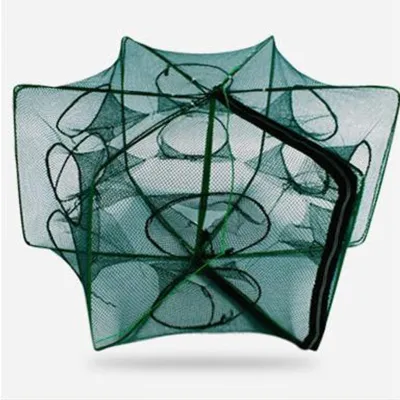
Foldable wire mesh cages are highly popular among recreational fishers due to their exceptional portability and ease of storage. These traps feature a collapsible spring-loaded frame covered in wire netting, allowing them to fold completely flat when not in use. This design is incredibly convenient if you travel to your fishing spots by motorcycle, tricycle, or small outrigger boat. When buying a foldable cage, closely inspect the tension of the internal springs and ensure the wire mesh is treated with a thick, rust-resistant coating to withstand repeated folding and unfolding.

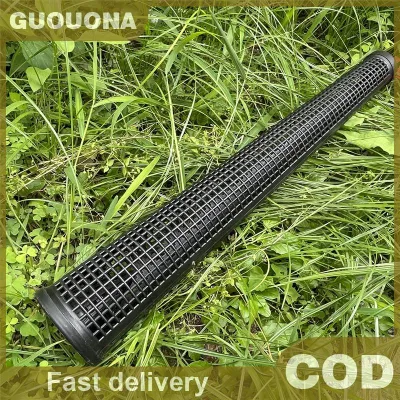
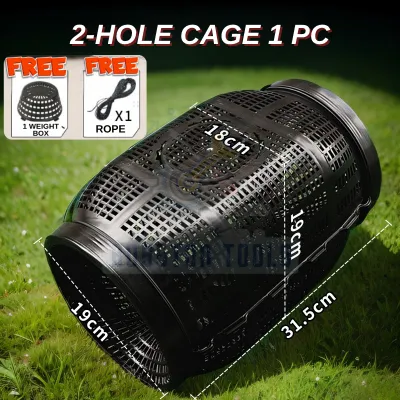
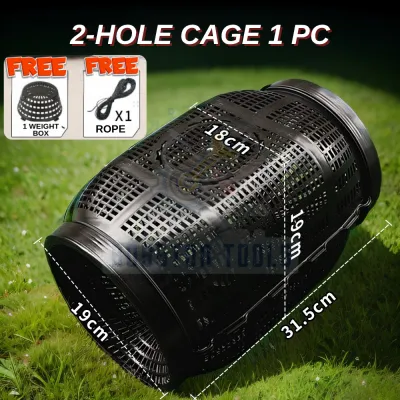
Rigid plastic or PVC-coated wire traps offer superior structural integrity and are highly suited for rugged underwater terrain. These traps do not collapse, which makes them bulkier to transport, but they excel at resisting the crushing forces of underwater currents and rocky debris. They are the preferred choice for targeting mud crabs and rock-dwelling fish because their rigid walls prevent predators from squeezing the cage to reach the catch inside. Additionally, the smooth surfaces of plastic traps make them much easier to clean and hose down after a long day in muddy mangrove areas.
Enclosure and hoop nets represent another highly effective design, particularly for shallow-water trapping. These traps consist of a series of rigid circular hoops covered in flexible nylon or polyethylene netting, forming a long tunnel with one-way entry funnels. They are lightweight, easy to cast from a riverbank or shallow boat, and highly effective for catching shrimp, prawns, and small river fish. Because they rely entirely on fabric netting rather than rigid wire, you must carefully assess the denier or thickness of the netting to ensure it can resist tearing from underwater branches or sharp shells.
Inspect Materials and Build Quality for Saltwater Durability
When shopping for a fishing cage, the quality of the metal wire and its protective coating should be your primary focus. Look for cages constructed from hot-dip galvanized steel wire, which offers a foundational layer of protection against rust. For marine applications, ensure this galvanized wire is fully encased in a thick, uniform layer of PVC or polyethylene coating. Any exposed metal, even a tiny scratch or bubble in the plastic coating, will quickly become a starting point for severe saltwater corrosion that can compromise the entire frame.
Door mechanisms, entry funnels, and latches require careful physical inspection before purchase. The entry funnels must be constructed so that they taper inward, creating a wide opening that narrows down to a small entrance. Test the tension of any spring-loaded doors or escape hatches to ensure they snap shut securely and do not leave gaps. If a latch is loose or made of flimsy plastic, wave action or the struggles of a large trapped fish can easily force it open, resulting in a lost catch and wasted bait.
Take a close look at the structural joints, seams, and welding points of the cage. High-quality rigid cages are joined using heavy-duty stainless steel clips or continuous welds that are fully wrapped in protective rubber or plastic. Avoid cages that rely on thin, low-grade plastic zip ties to hold the panels together, as these ties quickly become brittle and snap under intense tropical UV exposure. A cage with reinforced seams ensures that the structure remains intact even when subjected to the heavy weight of a full catch during retrieval.
Determine the Right Size, Mesh, and Deployment Strategy
Selecting the correct overall dimensions and mesh aperture is critical to balancing your catch rate with sustainable fishing practices. A cage that is too large can be incredibly difficult to manage, retrieve, and transport on smaller watercraft. The mesh size must be small enough to retain your target species but large enough to let juvenile fish escape. For general fish trapping, a mesh size of 1 to 2 inches is common, while targeting smaller baitfish or shrimp requires a much finer mesh of a quarter-inch or less.
Your baiting strategy directly influences how quickly fish are drawn into the cage. Rather than throwing loose bait onto the floor of the trap, where current can wash it away or small fish can nibble it from the outside, use a dedicated bait bag or bait cage. Suspend this bait container directly in the center of the trap, away from the outer walls. This positioning forces the fish or crabs to enter the one-way funnels to reach the food, maximizing your capture efficiency. Oily baits with a strong scent trail, such as chopped mackerel or local sardines, work exceptionally well in tropical waters.
Deploying your cage safely requires a reliable anchoring and retrieval system. Choose a high-strength, rot-resistant braided polyethylene or nylon rope that is slightly longer than the maximum depth of your fishing spot to account for tidal rises. Attach a heavy, durable float or buoy to the surface end of the rope so you can easily locate your trap. In areas with high boat traffic, use a dark-colored rope that sinks rather than floats on the surface, preventing passing boat propellers from tangling and cutting your retrieval line.
Maintenance and Storage to Extend Trap Lifespan
To maximize the lifespan of your fishing cage, establish a thorough cleaning routine immediately after every fishing trip. Saltwater left to dry on your gear forms highly corrosive salt crystals that eat away at protective coatings and metal joints. Thoroughly rinse the entire cage with clean, pressurized fresh water to wash away salt, mud, sand, and organic debris. Pay special attention to the hinges, springs, and latches, as trapped debris in these moving parts can cause them to seize or fail during your next outing.
Regularly inspect your cages for minor wear and tear before storing them away. Look closely for any chipped PVC coating, bent wires, weakened springs, or small tears in the netting. Addressing these minor issues early prevents them from turning into major failures while your gear is deployed underwater. You can patch small holes in nylon hoop nets using heavy-duty braided fishing line, and touch up exposed metal on wire cages using a marine-grade, rust-inhibiting paint or liquid rubber coating.
Proper storage conditions are vital for protecting the synthetic components of your traps from environmental degradation. Store your fishing cages in a dry, well-ventilated, and shaded area, such as a garage, shed, or under a protective tarp. Prolonged exposure to direct tropical sunlight and extreme heat degrades plastic coatings, weakens nylon netting, and makes rigid plastic traps highly brittle. By keeping your gear out of the sun and away from damp ground, you ensure that your fishing cages remain strong, flexible, and ready for your next outdoor adventure.
Frequently Asked Questions (FAQ)
Do I need a fishing license to use a fish trap?
In the Philippines, the regulations governing the use of fishing cages and traps vary significantly depending on whether your activity is recreational or commercial. While casual hand-line fishing is often unregulated for personal consumption, stationary gear like fish traps, cages, and pots typically fall under municipal fishery ordinances. Most coastal municipalities require fishers to register their gear and obtain a permit from the local Municipal Agriculture Office (MAO) or Barangay hall. This registration helps local authorities monitor fishing pressure, enforce seasonal bans, and protect local marine sanctuaries from overfishing. Always check local guidelines before deploying any traps to avoid fines or gear confiscation.
How often should I check my deployed fishing cage?
Leaving a fishing cage unattended for too long can lead to catch mortality, gear damage, or theft. In warm tropical waters, trapped fish and crabs can quickly consume the available bait and may begin attacking one another, reducing the quality of your catch. Additionally, dead fish left in a trap can rot, which deters other fish from entering and may attract larger predators like sharks or large eels that can tear the cage apart. For optimal results, check your traps every 4 to 12 hours when targeting active fish or crabs, and never leave a trap submerged for more than 24 hours without inspection.
Community discussion
Share your experience or ask a question. Comments are reviewed before publication.