
Selecting the right fishing dart for your next angling trip in the Philippines requires matching the lure’s weight to your rod’s casting limits, choosing a profile that mimics local baitfish, and selecting colors that stand out in tropical marine environments. Whether you are casting from a rocky shoreline in Batangas or jigging from a motorized outrigger boat (bangka) in the deep waters of the Visayan Sea, the correct fishing dart can mean the difference between a highly productive day and going home empty-handed.
Before heading out to the water, always assess your physical limits, check local weather forecasts, and inspect your safety gear. Fishing from slippery coastal rocks or navigating open tropical waters carries inherent risks; no high-end tackle can replace sound judgment, a proper personal flotation device, and the willingness to call off a trip if sudden squalls or rough swells develop. Once safety is assured, understanding the mechanics of your lure is the first step toward a successful catch.
Understanding How Fishing Darts Trigger Strikes
Fishing darts are specialized metal lures engineered with a highly hydrodynamic, tapered body. Unlike symmetrical jigs, a fishing dart typically features an asymmetrical design or a specific center-of-gravity distribution that causes it to slice through the water with minimal resistance. This unique shape allows the lure to fall quickly and respond instantly to the slightest twitch of the rod tip, creating a sharp, erratic darting motion that closely mimics a panicked or injured baitfish.
Products mentioned in this guide

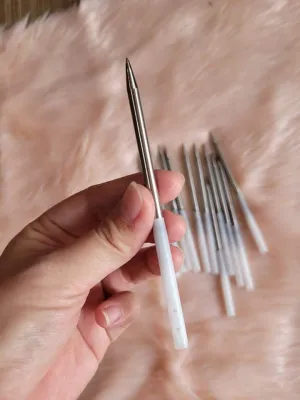
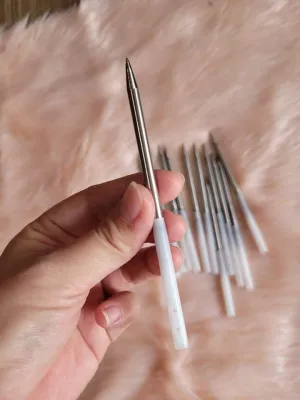
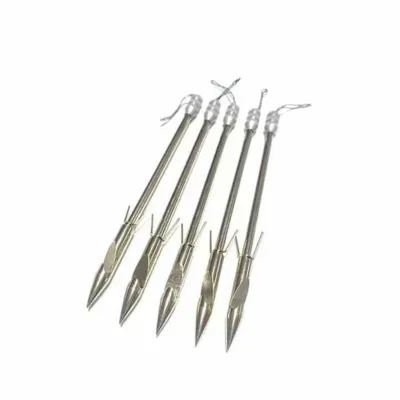
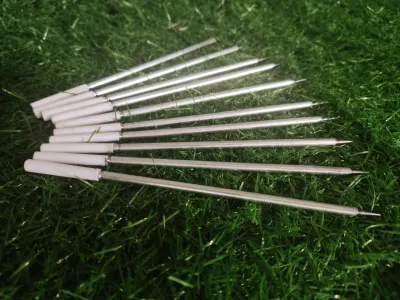
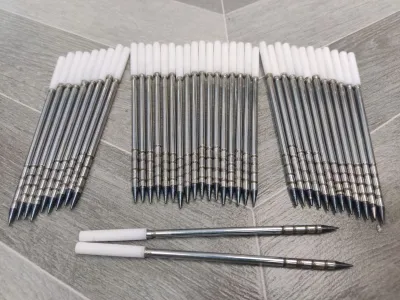
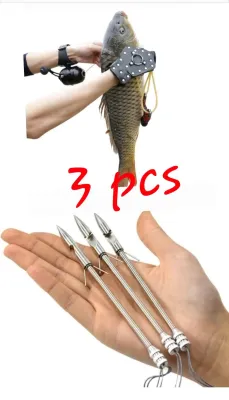
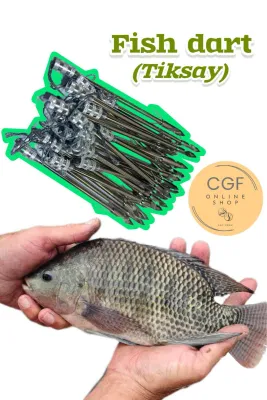
Prices are valid at publication and may change. Please refer to the product page for the latest price.
There are distinct differences in action and sink rate between fishing darts, traditional vertical jigs, and casting spoons. Traditional spoons rely on a continuous, rhythmic wobble during a steady retrieve, which works well in calm waters but can fail to trigger aggressive reaction strikes. Standard vertical jigs are designed to flutter or fall in a relatively straight line, making them ideal for deep, vertical presentations. Fishing darts, by contrast, excel at horizontal and diagonal darting paths, darting wildly to the left or right when jerked, which forces nearby predatory fish to make split-second decisions to strike.
These dynamic movement patterns make fishing darts incredibly versatile across various coastal environments. They excel in surf casting along sandy beaches where waves create constant turbulence, as their streamlined profiles cut through the foam. They are equally effective when dropped into deep-water structures or when navigating fast-moving currents along tidal passes, where bulkier lures would simply wash away without reaching the target depth.
Matching Dart Weight and Profile to Target Species
Selecting the correct weight and physical profile of your fishing dart is critical to keeping your lure in the active strike zone. In tropical waters, strong tidal currents can easily sweep a light lure away from the underwater structures where predatory fish hide. To counter this, you must balance the sink rate of the dart against the strength of the current and the specific depth where your target species is feeding.

Matching the profile of the dart to local baitfish is equally important for convincing wary predators to bite. Slender, elongated darts are excellent for mimicking thin baitfish such as anchovies (dilis) or round scads (galunggong). These streamlined profiles are highly attractive to fast-moving pelagic species like Trevally (talakitok), Mackerel (tanigue), and Barracuda. Conversely, wider or bulkier dart profiles create a larger silhouette that mimics small crabs, shrimp, or juvenile squid, making them the preferred choice for bottom-dwelling reef predators like Grouper (lapu-lapu) and Snapper (mangagat).
Your fishing method also dictates the ideal weight class of the dart. Shore-based anglers casting from rocky cliffs (tampihan) or sandy beaches generally require lighter darts, typically ranging from 7 grams to 28 grams. These lighter weights allow for maximum casting distance on light spinning tackle while preventing the lure from sinking too quickly and snagging on shallow coral reefs. Boat-based anglers targeting deep drop-offs or seamounts will need heavier darts, often between 40 grams and 120 grams, to perform vertical jigging effectively and maintain a direct line of contact with the lure.
To fine-tune your selection, consult local tackle shops or regional angling groups. These local communities can provide invaluable insights into the specific weight classes and profiles that are currently producing results in your chosen fishing destination.
Choosing Color Patterns for Water and Light Conditions
Water clarity and light penetration play a massive role in how fish perceive your lure. In the clear, turquoise waters surrounding many Philippine islands, predatory fish rely heavily on sight. Under these pristine conditions, natural color patterns such as silver, blue, and green are highly effective because they blend seamlessly with the environment and replicate the natural coloration of live baitfish.
When fishing near river mouths, muddy estuaries, or coastal areas affected by heavy monsoon rains, water turbidity increases significantly. In these murky or stained waters, natural colors can easily go unnoticed. Switching to high-visibility patterns like bright pink, chartreuse, or orange creates a stark contrast that helps predators track the movement of the dart through the gloom.
Reflective finishes are another powerful tool for attracting fish in bright, sunny conditions. Holographic, chrome, or silver-scale finishes excel at catching the intense tropical sunlight, scattering bright flashes of light deep into the water column. This flash mimics the reflective scales of a fleeing baitfish and can draw curious predators from long distances.
For low-light periods such as dawn, dusk, or heavily overcast days, highly reflective finishes lose their effectiveness. During these times, solid, dark silhouettes like deep purple, black, or red are superior because they stand out sharply against the lighter surface of the water when viewed from below. For deep-water jigging beyond 50 meters, or for night fishing sessions off coastal piers, look for darts featuring UV-reactive paint or luminous glow-in-the-dark stripes to ensure your lure remains visible in pitch darkness.
Rigging and Retrieval Techniques to Maximize Strikes
To get the most out of your fishing dart, you must rig it correctly to preserve its built-in action. Always use a high-quality fluorocarbon leader, which offers excellent abrasion resistance against sharp coral reefs and the abrasive teeth of local marine species. Rather than tying your main line directly to the lure, attach the dart using a loop knot, or use a small, high-strength solid ring and split ring connection. This free-swinging attachment point allows the dart to pivot and glide without being restricted by a stiff knot.
Choosing the right hook configuration is another critical decision that affects both the action of the lure and your hook-up ratio:
- Single Assist Hooks: Attaching a single assist hook to the top eye of the dart is highly recommended for reef fishing. This configuration allows the hook to ride upward, significantly reducing the risk of snagging on rocks and corals while providing excellent holding power once a fish is hooked.
- Treble Hooks: Mounting a treble hook to the tail of the dart can increase hook-up rates for fast-striking pelagic fish in open water. However, treble hooks collect debris easily and are highly prone to snagging on shallow structures, making them less suitable for bottom fishing.
Mastering different retrieval cadences will help you trigger strikes from various species. For active, fast-moving predators like Trevally, employ a fast-jerking retrieve by keeping your rod tip low and making rapid, rhythmic upward twitches while winding the reel. This causes the dart to skip and dart erratically near the surface. For bottom-dwellers like Grouper, use a “dart and fall” technique: lift the rod tip sharply to make the lure dart upward, then lower the rod slowly to let the dart flutter back down on a semi-slack line. Most strikes occur during this falling phase, so remain highly alert as the lure sinks.
Always adapt your retrieve speed to the activity level of the fish. If the water is calm and the fish seem lethargic during slack tide, slow down your presentation and extend the duration of your pauses. When the tide is running hard and predators are actively feeding, speed up your retrieve to trigger instinctive reaction strikes.
Pre-Purchase Checklist for Saltwater Compatibility
Before purchasing a new fishing dart from a local tackle shop or an online marketplace, use this checklist to ensure the lure is fully compatible with your gear and built to survive harsh saltwater environments.
- Verify Rod and Line Ratings: Check the recommended lure weight range printed on your fishing rod blank. Casting a dart that exceeds your rod's maximum rating can damage the blank, while casting a lure that is too light will result in poor casting distance and accuracy.
- Inspect Component Quality: Examine the split rings and hooks closely. Ensure the split rings are made of heavy-duty wire that will not deform under heavy loads, and verify that the hooks are chemically sharpened and strong enough to penetrate tough fish mouths.
- Evaluate Corrosion Resistance: Saltwater is highly corrosive and can quickly ruin cheap tackle. Look for darts equipped with tinned, galvanized, or stainless steel hooks, and check that the lure body has a durable, multi-layered clear coat to prevent the paint from chipping when it strikes rocks.
- Build a Versatile Starter Selection: Instead of buying a single expensive premium lure, allocate your budget (typically ₱150 to ₱500 per lure depending on size and brand) to purchase three or four darts in varying weights and colors. Having a small selection, such as a light natural silver dart, a medium high-visibility pink dart, and a heavier glow-in-the-dark dart, ensures you are prepared for changing water depths and light conditions.
Frequently Asked Questions (FAQ)
Can I use a fishing dart for freshwater species?
Yes, fishing darts can be highly effective in freshwater environments, particularly when targeting aggressive predatory species like Mudfish (dalag), Barramundi (apahap), or introduced species like Jaguar Guapote in local lakes and rivers. When transitioning to freshwater, you will generally need to downsize your gear and use lighter darts, typically between 3 grams and 10 grams, to match the smaller baitfish profiles and lighter rods used in freshwater angling. Always remember to rinse your darts, hooks, and split rings thoroughly with fresh water after any saltwater outing before using them in freshwater to prevent transferring salt residue and accelerating corrosion.
How do I prevent the hooks from tangling during the cast?
To minimize hook tangles during your cast, use a single assist hook rigged to the top solid ring of the dart rather than a loose treble hook on the tail. When casting, use a smooth, progressive casting stroke rather than a snapping motion, and gently feather the spool with your index finger just before the dart hits the water. This feathering action slows the flight of the lure slightly, causing the leader to straighten out in mid-air and ensuring the hook trails cleanly behind the dart as it enters the water. Additionally, secure your lures using built-in hook keepers on your rod or protective neoprene wraps when moving between fishing spots to prevent accidental tangles.
Community discussion
Share your experience or ask a question. Comments are reviewed before publication.