
Choosing the right fishing floater in the Philippines requires matching your gear to the specific water density, current strength, and target species of your chosen fishing spot. While a simple plastic bobber might suffice for a quiet tilapia pond, the choppy coastal waters of the archipelago demand robust, highly visible, and heavily weighted floaters. Selecting the wrong design can result in missed bites, lost tackle, or a floater that constantly sinks under the weight of the current.
Understanding how different environments affect your gear is the first step toward a successful catch. By evaluating the physical properties of your fishing venue, you can select a floater that balances perfectly on the water surface and signals even the most delicate fish strikes.
Understanding the Core Differences Between Freshwater and Saltwater Floaters
Water density plays a fundamental role in how a floater behaves on the water. Saltwater contains dissolved salts that increase its density, which naturally exerts more upward buoyant force on any floating object than freshwater does. While this extra buoyancy helps keep your floater afloat, saltwater fishing typically requires heavier sinkers, larger hooks, and bulkier live baits to reach deeper fish. Consequently, saltwater floaters must be designed with a higher weight capacity to support these heavy rigs without sinking prematurely.
Products mentioned in this guide
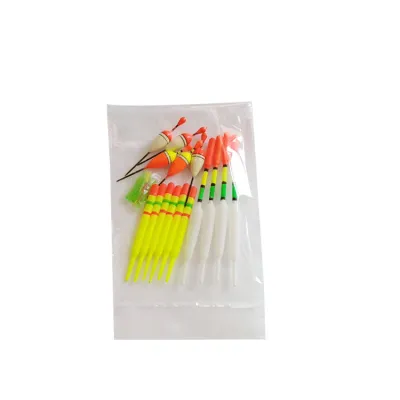
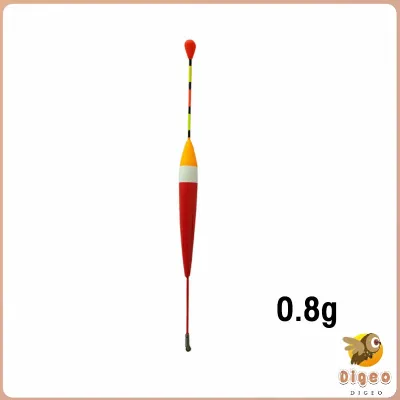
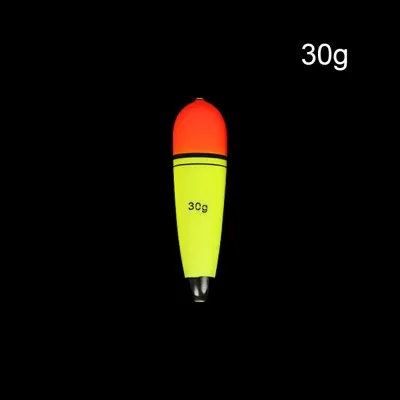
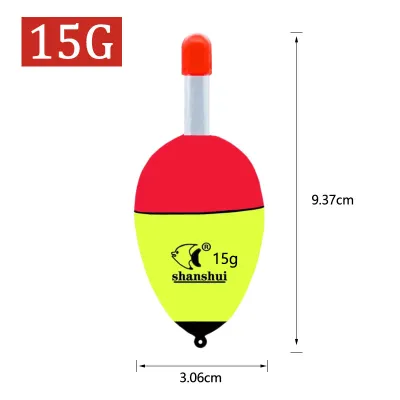
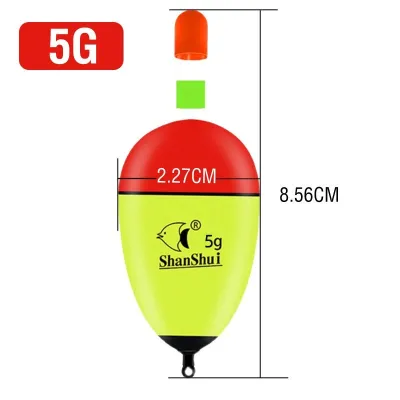
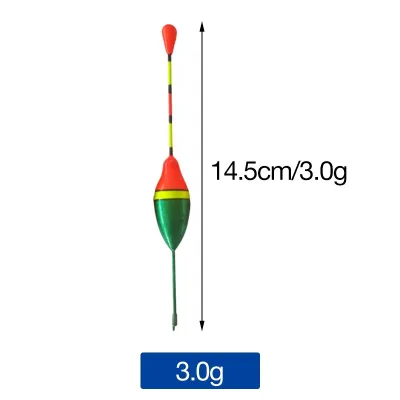
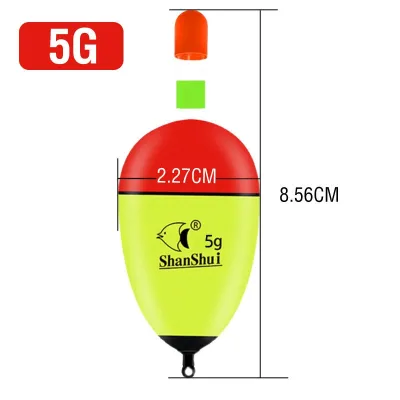
Prices are valid at publication and may change. Please refer to the product page for the latest price.
Wave action and currents also differ dramatically between these two environments. Inland freshwater bodies, such as lakes and reservoirs, generally feature calm, flat surfaces with minimal current, allowing you to use highly sensitive, lightweight floaters. In contrast, coastal saltwater zones are subject to constant tidal pulls, crashing surf, and wind-driven waves. A delicate freshwater floater will quickly be dragged under or tossed around erratically in these rough conditions, making bite detection nearly impossible.
Visibility requirements change based on water clarity and casting distance. Freshwater lakes and slow rivers in the Philippines often have green or muddy hues, requiring bright chartreuse or orange floaters for close-range visibility. Saltwater environments, especially open coastal areas, often require long-distance casts to reach deep channels. To track your line across distant, choppy blue waves under the intense tropical sun, you need larger floaters with high-contrast, oversized tops.
Selecting Floaters for Freshwater Environments (Lakes and Rivers)
When fishing in freshwater lakes and reservoirs, such as Laguna de Bay or Lake Caliraya, sensitivity is your primary goal. Popular freshwater target species like tilapia and carp are notorious for their cautious, subtle bites. To detect these gentle nibbles, slender pencil-shaped floaters or waggler-style floaters are highly effective. Because of their thin profiles, these floaters offer minimal physical resistance when a fish pulls the bait, allowing the floater to slide underwater smoothly without alerting the fish.

For river fishing where mild to moderate currents are present, slender pencil floaters are less effective because the moving water can easily pull them sideways or submerge them. Instead, look for streamlined, teardrop-shaped or oval floaters. The wider upper body of a teardrop floater provides extra buoyancy to resist the downward pull of the current, while the tapered bottom helps it cut through the moving water cleanly, maintaining a stable upright position.
Regardless of the shape, you must verify the durability of the floater material against freshwater hazards. Inland waters in the Philippines often contain submerged tree branches, thick reeds, water hyacinths, and sharp rocks. Check manufacturer specifications to ensure the floater body is constructed from impact-resistant materials, such as high-density foam, balsa wood with a protective coating, or durable plastic, which can withstand repeated collisions with underwater debris.
Selecting Floaters for Saltwater Environments (Coastal Areas and Seas)
Saltwater coastal fishing, whether from a rocky shoreline, a pier, or a boat, requires rugged gear capable of handling harsh marine elements. For surf and coastal fishing, prioritize large, high-visibility floaters with robust profiles. These designs sit higher in the water column, allowing you to track your bait easily even when waves and sea foam obscure the surface. Bright neon orange, yellow, or red tops are essential for maintaining a clear line of sight against the deep blue or green of the ocean.
Buoyancy and weight capacity must be carefully matched to the heavy tackle required for saltwater species. Strong tidal currents will easily sweep a light rig out of the strike zone. To keep your bait at the desired depth, you must use heavier lead sinkers, which in turn require a floater with substantial buoyancy. Ensure the floater packaging explicitly states a weight rating that can support your planned sinker and heavy bait setup without riding too low in the water.
Corrosion resistance is a critical factor when selecting saltwater gear. The high salinity of marine environments rapidly corrodes cheap metals and degrades low-quality plastics. Before purchasing, inspect the product labels and specifications for saltwater-safe hardware. Look for floaters that utilize brass, stainless steel, or high-grade synthetic polymers for their stems, line guides, and attachment rings to prevent rust from seizing your rig or damaging your fishing line.
Cross-Scenario Compatibility: Can One Floater Do Both?
If you frequently switch between freshwater and saltwater fishing, you might wonder if a single floater style can handle both environments. Versatile shapes, such as medium-sized oval bobbers or slip floats, can perform adequately in mild conditions across both settings. For example, a standard slip float can transition smoothly from a calm freshwater lake targeting snakehead to a sheltered saltwater mangrove channel targeting small snapper.
However, using a single floater for all scenarios involves clear performance trade-offs. A heavy-duty saltwater floater will lack the delicate sensitivity needed to register light bites from freshwater tilapia, often causing you to miss fish that feel too much resistance and spit out the hook. Conversely, a highly sensitive freshwater pencil floater will be instantly overwhelmed, dragged under, or damaged by the waves and strong currents of an open saltwater beach.
If you do choose to use the same floaters in both environments, establishing a strict maintenance routine is vital. Saltwater leaves behind microscopic salt crystals that can crystallize inside spring mechanisms, corrode metal eyelets, and weaken plastic bodies over time. Always rinse your floaters thoroughly with clean, fresh water immediately after a saltwater trip, and allow them to dry completely in a shaded, well-ventilated area before storing them in your tackle box.
Essential Pre-Purchase Checks for Fishing Floaters
Before finalizing your purchase at a local tackle shop or an online marketplace, performing a physical inspection of the floater will save you frustration on the water. Start by closely examining the connection point between the stem and the main floating body. Ensure the bond is completely seamless and free of hairline cracks, gaps, or loose glue joints, as even a tiny structural defect can allow water to seep inside, destroying the floater’s buoyancy.
Next, verify the weight capacity printed on the packaging against your intended fishing setup. A properly balanced floater should submerge up to its designated waterline when rigged with your sinker, hook, and bait. If the packaging lacks a clear weight rating, you may need to test the floater’s capacity manually at home before heading out to ensure it can support your terminal tackle.
Finally, inspect the line attachment mechanism for smooth operation and security. If you are using spring-loaded clip-on floaters, press the button several times to ensure the internal spring is strong and the hook retracts fully. For slip floaters, check that the center tube or guide rings are completely smooth and free of plastic burrs, which can snag or abrade your fishing line during a cast.
Frequently Asked Questions (FAQ)
How do I determine the correct weight for my fishing floater?
To find the correct weight, start by checking the weight rating or shot capacity printed on the floater’s body or packaging. This rating indicates the exact amount of weight required to pull the floater down to its optimal riding depth. Before heading out to fish, you can perform a simple balance test by rigging your line with the floater, sinker, and bait, then dropping it into a bucket of water. Adjust your split shot weights until only the brightly colored tip of the floater remains visible above the surface.
Does the color of the floater affect my catch rate?
Yes, the color of your floater can influence your success, but its impact depends on which part of the floater you are looking at. The top half of the floater, which sits above the water, should always feature high-contrast colors like bright orange, neon yellow, or chartreuse to help you spot subtle movements against water glare and waves. The bottom half, which sits submerged under the water, should feature neutral, dark, or clear colors to blend in with the underwater environment, preventing wary fish from being startled by unnatural shadows.
Community discussion
Share your experience or ask a question. Comments are reviewed before publication.