
Selecting your first fishing reel can feel overwhelming with the sheer variety of gear options available today. To get started without unnecessary frustration, the most reliable choice for a beginner is a medium-sized spinning reel in the 2000 to 3000 size range, featuring a mid-range gear ratio between 5.2:1 and 6.0:1. This versatile setup provides a forgiving learning curve, minimizes line tangles, and handles a wide variety of fish species across different environments.
Investing in the right gear early on saves you from common beginner pitfalls, such as constant line backlashes or gear failure due to environmental wear. By focusing on a few essential specifications, you can find a high-performing reel that fits your budget and helps you build solid casting and retrieving skills.
Step 1: Identify Your Fishing Environment and Target Species
Before looking at specific reel models, you must define where you plan to fish and what you intend to catch. Matching your gear to your target environment ensures your reel can withstand local conditions and perform reliably when a fish takes your bait.
Products mentioned in this guide
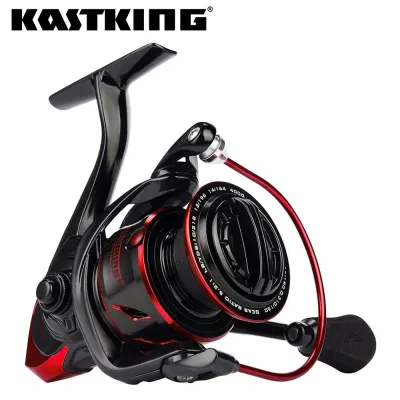
![[COD] Spinning Reel 6 Ball Bearings 5.2:1 Gear Ratio Spinning Fishing Reel 1000 2000 3000 Series Anti-Corrosion Drive Gear Fishing Wheel for Freshwater and Salwater](https://img.lazcdn.com/g/p/4bc7c8457631426ac9503525dd53b8ed.jpg_400x400q80.jpg_.webp)
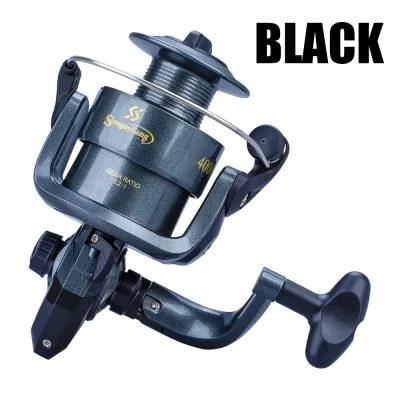
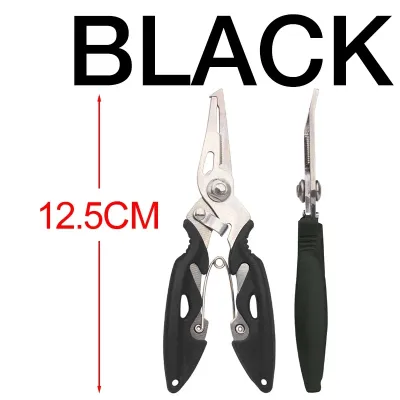
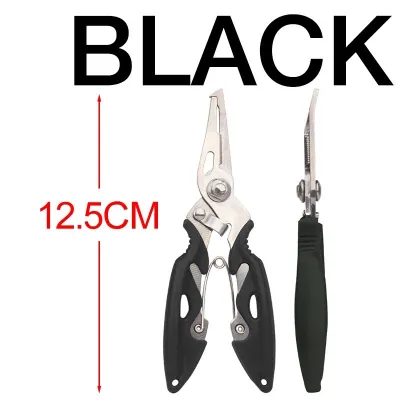
![[COD] Fishing Reel 5.2:1 GR Spinning Fishing Reel 1000 2000 3000 4000Series Anti-Corrosion Drive Gear Fishing Wheel for Freshwater and Salwater](https://img.lazcdn.com/g/p/aa219aa2ca4dff7d7c8ed1d28a366adf.jpg_400x400q80.jpg_.webp)
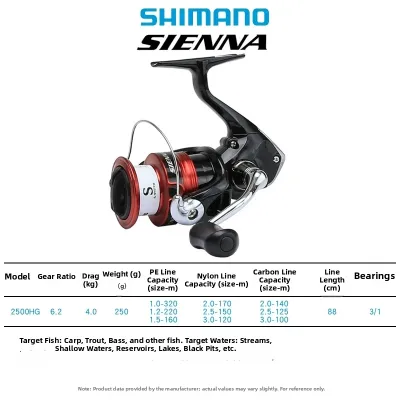
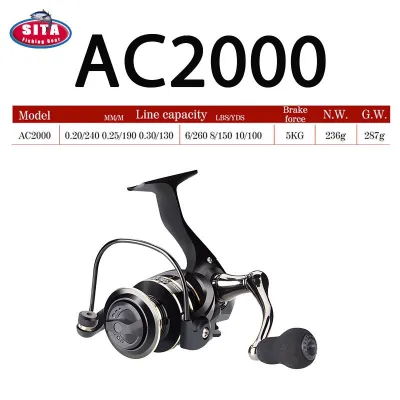
Prices are valid at publication and may change. Please refer to the product page for the latest price.
Freshwater environments, such as inland lakes, slow-moving rivers, and private fishponds, host species like tilapia, dalag (mudfish), and hito (catfish). Fishing in these calmer waters generally requires lighter lines and highly accurate casting near structure, meaning a smaller, lighter reel is often sufficient.
Saltwater environments, including coastal shores, public piers, and mangrove estuaries, present much harsher conditions. Saltwater species like lapu-lapu (grouper) or talakitok (trevally) fight with immense power and will quickly run your line into sharp rocks or underwater structures, demanding a reel with a stronger drag and higher line capacity.
The tropical climate of the Philippines introduces high humidity and salt-laden air, which accelerate rust and corrosion on metal gear. Even if you primarily fish in freshwater, the ambient moisture can quickly degrade poorly protected reels, making corrosion-resistant materials a primary consideration.
Before making a purchase, write down your primary fishing location and your target catch. This simple step serves as your buying template, keeping you focused on the exact specifications required for your specific style of angling.
Step 2: Spinning vs. Baitcasting Reels for Beginners
Understanding the mechanical differences between the primary reel types helps you choose a system that builds confidence rather than causing mechanical frustration on the water.

Spinning Reels
Spinning reels feature an open-face design with a fixed spool that remains stationary while casting. When you cast, the weight of your lure pulls the line off the spool in large, free-flowing loops, controlled by a metal wire called the bail arm.
This design is the universally recommended starting point for novices because it is incredibly intuitive to operate. It allows you to cast lightweight lures or live bait long distances with minimal effort, and it rarely suffers from major line tangles.
Baitcasting Reels
Baitcasting reels utilize a revolving spool that rotates as the line is cast out, sitting directly on top of the rod. While they offer superior casting accuracy and higher torque for pulling heavy fish out of thick vegetation, they require a high level of manual control.
If the spool spins faster than your lure travels through the air, the loose line bunches up into a severe tangle known as a bird’s nest or backlash. To prevent this, you must constantly feather the spinning spool with your thumb, a skill that requires significant practice and muscle memory.
Spincast Reels
Spincast reels feature a closed-face design with a simple push-button mechanism to release the line during a cast. While they are highly accessible and popular for young children or very casual outings, they have notable performance limitations.
These reels generally suffer from low line capacity, rough drag systems, and plastic internal gears that wear out quickly under pressure. For anyone serious about learning the sport, a standard spinning reel offers far better durability and long-term value.
For your first setup, choose a spinning reel. It allows you to focus on learning how to read the water, present your bait, and handle fish safely, rather than spending your day untangling line on the bank.
Step 3: Decoding Reel Sizes and Gear Ratios
Once you select a reel type, you must interpret the technical numbers printed on the box to ensure the model matches your physical needs and fishing style.
Reel Sizing
Manufacturers label spinning reels with numbers like 1000, 2500, or 4000, which indicate the overall size of the frame, the weight of the reel, and the line capacity of the spool.
- 1000 to 1500 Series: Ultralight reels designed for thin lines (2 to 6 lbs) and small freshwater fish.
- 2000 to 3000 Series: Medium-sized reels that serve as the ideal all-around option, holding plenty of 8-to-12-pound test line for both freshwater and light coastal fishing.
- 4000 Series and Larger: Heavy reels built for surf casting, deep-sea trolling, and fighting large ocean predators.
Gear Ratios
Gear ratios indicate how many times the bail rotates around the spool for every single full turn of the handle. For example, a gear ratio of 5.2:1 means the bail wraps the line around the spool 5.2 times per handle rotation.
Lower gear ratios, such as 4.8:1, offer high cranking power but slower line retrieval, similar to the low gears on a bicycle. These are ideal for pulling heavy, deep-diving lures through thick water resistance.
High gear ratios, such as 6.2:1 or faster, retrieve line incredibly quickly, which is highly useful when you need to collect slack line rapidly or work fast-moving topwater lures.
A mid-range gear ratio between 5.2:1 and 6.0:1 is the most practical choice for beginners. This versatile range allows you to fish effectively with soft plastics, live bait, jigs, and spoons without needing multiple specialized setups.
Step 4: Essential Features and Durability Checks
Before finalizing your purchase, inspect the build quality and mechanical components of the reel to ensure it will survive repeated use in demanding conditions.
Drag System
The drag system acts as a mechanical clutch, letting the spool spin backward to release line when a strong fish pulls hard. This prevents the line from snapping under sudden tension.
Look for a multi-disc drag system made of felt or carbon fiber that adjusts smoothly via a dial on the front of the spool. Avoid reels where the drag feels jerky or sticky when pulled by hand, as uneven resistance will cause your line to break during a fight.
Ball Bearings
Ball bearings reduce friction inside the moving parts of the reel, creating a smooth retrieve. However, a high bearing count on a cheap reel is often a marketing gimmick using low-grade steel.
Prioritize quality over quantity by looking for sealed or shielded stainless steel bearings. A reel with four or five high-quality sealed bearings will run smoother and last years longer than a cheap reel advertised with ten unshielded bearings that quickly rust.
Corrosion Resistance
To combat tropical humidity and saltwater exposure, look for reels constructed with graphite, aluminum, or high-strength carbon composite frames. These materials offer excellent structural rigidity without rusting.
Check the product specifications for anodized aluminum spools and anti-corrosive coatings on the internal drive gear and pinion gear to ensure long-term durability.
Handle and Knob
The handle should feel solid and exhibit zero backplay or wobble when you stop winding. Opt for ergonomic handles equipped with rubber or slip-resistant EVA foam knobs, which provide a secure grip when your hands are wet or covered in fish slime.
Step 5: Balancing the Reel with Your Rod and Line
A fishing reel does not function in isolation; it must integrate seamlessly with your rod and line to create a balanced, comfortable setup.
Weight Distribution
An unbalanced setup causes rapid wrist and arm fatigue during a long day of casting. To check the balance, place the rod on your index finger just above the reel seat with the reel attached.
If the rod tip dives downward, your reel is too light; if the butt of the rod drops quickly, the reel is too heavy. A well-balanced system should sit relatively level on your finger, maximizing your sensitivity to subtle fish bites.
Line Capacity and Spooling
Verify that your reel’s spool is rated for the thickness and type of line you plan to use. Monofilament line is forgiving and inexpensive for beginners, while braided line offers thinner diameters and higher strength but requires a fluorocarbon leader.
When spooling your reel, avoid filling the line all the way to the absolute edge of the spool lip, as this causes the line to slip off and create tangles. Leave a consistent 1/8-inch (3mm) gap between the wound line and the outer edge of the spool.
Rod Pairing
For a highly versatile beginner setup, pair a 2500-size spinning reel with a 6-foot-6-inch to 7-foot medium-power, fast-action spinning rod. This combination is easy to transport, simple to cast, and capable of handling everything from pond tilapia to coastal snapper.
Frequently Asked Questions (FAQ)
How much should a beginner spend on their first fishing reel?
Avoid ultra-cheap, unbranded reels, as they often feature fragile plastic parts and unreliable drag systems that lead to lost fish and early gear failure. Investing in an entry-level to mid-tier spinning reel from an established brand within a price band of ₱1,500 to ₱3,500 PHP offers the ideal balance of smooth performance, reliable durability, and accessible replacement parts.
Can I use a freshwater reel for saltwater fishing?
Most dedicated freshwater reels lack the specialized rubber seals and corrosion-resistant alloy gears required to keep salt out of the internal mechanisms. While you can occasionally use a freshwater reel in saltwater, you must rinse it thoroughly with clean freshwater immediately after use, dry it, and apply protective reel oil; otherwise, internal rust will quickly seize the gears.
Community discussion
Share your experience or ask a question. Comments are reviewed before publication.