
Replacing a cracked or damaged fishing rod tip ring is one of the most critical maintenance tasks you can perform to save a favorite rod. Because the tip guide bears the brunt of casting friction and the sharpest angles during a fight, a damaged ring can instantly shred your fishing line, resulting in lost fish and wasted gear. Finding the correct replacement requires understanding how to measure the rod blank, selecting the appropriate frame style, and choosing insert materials that match your target species and local environment.
By focusing on the precise mechanical fit and matching the component’s materials to your typical fishing conditions, you can restore your rod’s sensitivity and casting performance. This guide breaks down the technical specifications so you can confidently select the exact tip ring replacement for your setup.
How to Measure Your Rod Tip for the Correct Inner Diameter
When shopping for a replacement fishing rod tip ring, the most common point of confusion is how the component is sized. The “size” of a tip ring primarily refers to two distinct measurements: the inside diameter of the mounting tube (the barrel that slides over the rod blank) and the outside diameter of the guide ring itself. For a successful installation, the mounting tube’s inner diameter is the absolute priority, as it determines whether the replacement will physically fit onto your rod.
Products mentioned in this guide
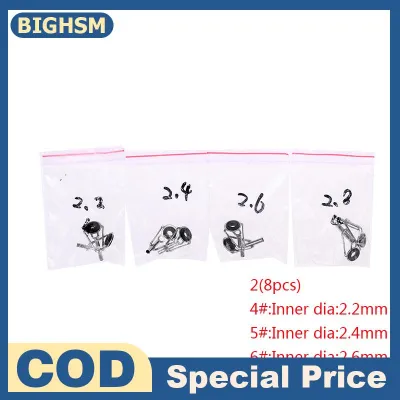
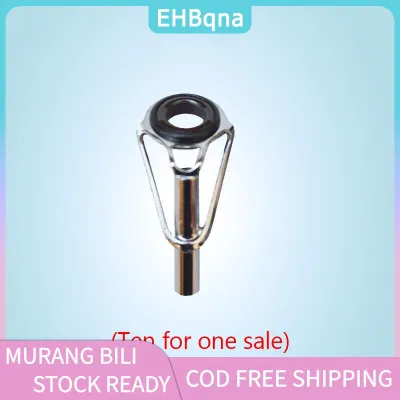
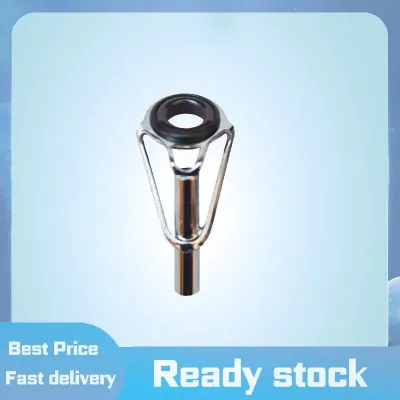
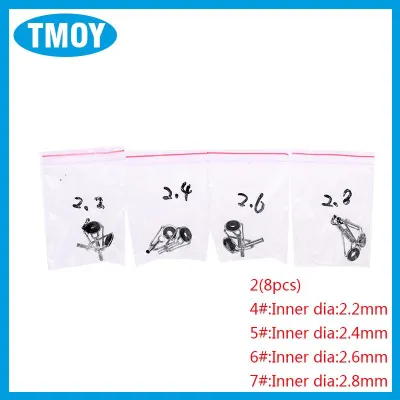
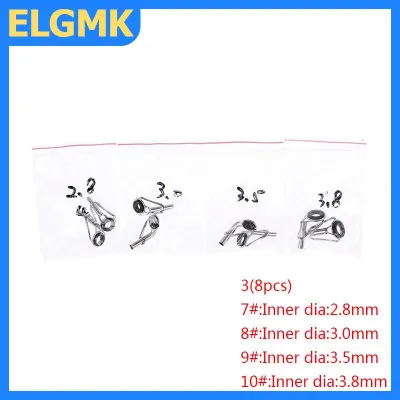
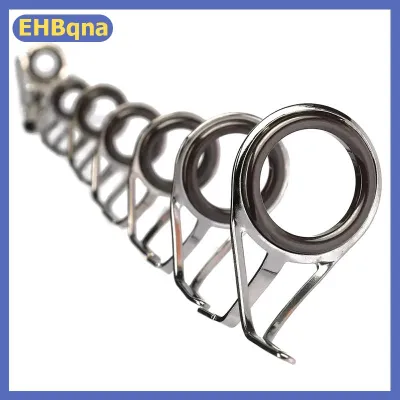
Prices are valid at publication and may change. Please refer to the product page for the latest price.
To find the exact size you need, you must measure the outer diameter of the bare rod tip using digital calipers. Avoid using a standard tape measure or ruler, as these tools lack the precision required for millimeter-level accuracy. Carefully scrape away any old adhesive or thread residue from the tip of the blank, then measure the diameter at the very tip where the new tube will sit.
Standard tip ring tube sizes are typically measured in millimeters or in 64ths of an inch. For example, a size 4.5 tube translates to 4.5/64 of an inch (approximately 1.8 millimeters). If your measurement falls between standard sizes, always select the exact match or the next fraction up rather than trying to force a tight fit.
A snug, friction-tight fit is critical for creating a strong adhesive bond. The replacement tube should slide onto the blank with minimal play. If the tube is too loose, the tip ring will twist, wobble, or completely detach when subjected to the heavy lateral loads of a fighting fish.
Decoding Tip Ring Frame Styles and Materials
Tip ring frames are the structural skeletons that hold the guide insert in place and secure the entire assembly to the rod blank. The frame design directly influences the rod’s overall balance, casting action, and structural durability. Replacement tip rings are highly affordable, typically ranging from ₱50 to ₱300 depending on the materials used, making a DIY repair an exceptionally cost-effective alternative to buying an entirely new rod.

Single-Foot vs. Double-Foot Frames
Single-foot tip rings feature a single mounting guide foot that extends down the rod blank, typically secured with wrapping thread and epoxy. Because they use less metal, single-foot frames are exceptionally lightweight. This weight reduction at the absolute tip of the rod is highly beneficial because it preserves the rod’s natural tip action and maximizes sensitivity. For light-tackle setups, such as targeting local freshwater species, a single-foot frame ensures you can feel the faintest nibbles.
In contrast, double-foot frames feature two supporting metal legs that straddle the rod blank. This design provides superior lateral stability and structural alignment, making it the standard choice for heavy-duty applications. When a rod experiences extreme lateral stress—such as when pulling a strong fish out of heavy structure—a double-foot frame prevents the tip ring from twisting or bending out of alignment.
Insert Materials: Ceramic vs. Hard Wire
The insert is the inner ring that makes direct contact with your fishing line. The material of this insert determines casting friction, heat dissipation, and overall wear resistance.
- Ceramic Inserts: Premium ceramic inserts, such as Alconite, Silicon Carbide (SiC), or aluminum oxide, offer ultra-smooth, polished surfaces. These materials minimize line friction during long casts and excel at dissipating the intense heat generated when a fast-running fish pulls drag. Ceramic is highly recommended for modern braided lines, which can act like a saw under tension.
- Hard Wire Rings: Hard wire inserts, typically constructed from polished stainless steel or specialized alloys, are incredibly lightweight and virtually indestructible. They will not crack or chip if accidentally banged against a boat gunwale or dropped on a concrete pier. However, they generate more line friction than ceramics and are best reserved for lighter setups.
Note that cosmetic frame colors, such as black, chrome, or gunmetal, are purely aesthetic. They do not impact casting performance or durability and should always be a secondary consideration after you have verified the correct fit and material quality.
Matching the Tip Ring to Your Line Type and Fishing Scenario
Your choice of fishing line and your typical fishing environment should dictate the final specifications of your replacement tip ring. In the tropical climate of the Philippines, high humidity and saltwater exposure present unique challenges that will quickly ruin substandard tackle.
If you primarily spool your reels with braided line, you must use a smooth ceramic insert. Braided lines are highly abrasive; over time, they can cut deep grooves into softer metal frames or low-grade inserts, which will subsequently fray and snap your line. For monofilament and fluorocarbon lines, hard wire rings perform exceptionally well in light-tackle setups, helping to minimize tip weight and maintain a highly responsive rod action.
For saltwater fishing environments, corrosion resistance is non-negotiable. The combination of salt spray and high tropical humidity accelerates rust. Look for tip ring frames made from marine-grade 316 stainless steel, solid titanium, or frames treated with specialized anti-corrosion coatings. Investing in these materials prevents structural failure and keeps your line sliding smoothly trip after trip.
Additionally, consider your target species and the structure you fish. If you are targeting powerful coastal species like lapu-lapu (grouper) or mangrove jack around heavy structure, you will need a reinforced double-foot frame. These heavy-duty frames ensure that the tip ring remains perfectly aligned and intact even when you are applying maximum drag pressure to prevent a fish from diving back into the roots or rocks.
Final Sizing Checks Before Installation
Before applying any permanent hot-melt glue or two-part epoxy to secure your new tip ring, you must perform a series of practical verification checks to ensure a flawless fit.
First, conduct a dry-fit check. Slide the cold tip ring onto the bare rod blank without any adhesive. The tube should slide on smoothly with a slight friction fit. It must not wobble, tilt, or leave visible gaps. If you have to force the tube onto the blank, the tube is too small and could split the delicate carbon fibers of your rod tip.
Second, verify that the inner diameter of the guide ring itself is large enough for your fishing style. Thread your typical main line and leader combination through the tip ring. If you use leader connection knots, such as the FG knot or double uni knot, pull the knot back and forth through the ring. The knot must pass through smoothly without catching or clicking. A knot that catches on the tip ring can easily shatter the ceramic insert or snap your line during a high-velocity cast.
Third, check the visual alignment. Peer down the rod from the butt section to the tip. The new tip ring must align perfectly with the existing running guides along the blank. Any misalignment will create uneven line tension, reduce your casting distance, and put improper stress on the rod blank.
Finally, recognize your limits. If your rod blank has an irregular taper due to a previous break, if the blank is splintered, or if you are unsure about the epoxy curing process, stop immediately. Do not attempt a DIY installation on a compromised blank. Take the rod to a professional rod builder or a local specialty tackle shop to ensure the repair is completed safely without ruining the structural integrity of your rod.
Frequently Asked Questions (FAQ)
Can I use a slightly larger tip ring if my exact size is unavailable?
Using a tip ring with a tube that is too large is not recommended for beginners. A loose fit creates a weak epoxy bond, allowing the tip to twist or fly off during a cast. While professional rod builders can build up a thin blank using wrapping thread and epoxy to accept a larger tube, it is always best to source the exact millimeter size for a direct, secure fit.
Do I need a ceramic insert for light freshwater fishing?
While ceramic inserts offer the best performance, they are not strictly mandatory for light freshwater angling. If you are using monofilament line to fish in local lakes or ponds for species like tilapia, a lightweight hard wire stainless steel tip ring is a highly durable and budget-friendly option, provided you rinse the rod with fresh water and dry it thoroughly after each outing.
Community discussion
Share your experience or ask a question. Comments are reviewed before publication.