
Choosing the right foam pool noodle in the Philippines requires matching the foam’s physical properties—such as density, core design, and dimensions—to your specific water activity. Whether you are introducing a child to the water under close supervision, looking for a training aid to isolate your kick during lap swimming, or seeking a high-resistance tool for water aerobics, the right noodle provides the exact level of buoyancy and flexibility you need. In a tropical climate where intense sunlight and chlorinated pool water can rapidly degrade low-quality materials, making an informed choice ensures both safety and longevity.
Identify Your Primary Use Case
Selecting the ideal pool noodle begins with a clear understanding of who will be using it and for what purpose. Because these foam cylinders serve various functions—ranging from pure recreation to structured athletic training—a single style cannot satisfy every requirement. Matching the physical characteristics of the noodle to the user’s age, swimming ability, and fitness goals is essential for a safe and productive experience in the water.
For children’s water play and basic confidence building, pool noodles function primarily as recreational toys that offer light support. When young swimmers are learning to kick or practice horizontal body positioning, a flexible, lightweight noodle can help them feel more secure. It is vital to select a size that matches the child’s physical frame; a noodle that is too thick or rigid will be difficult for small hands to grasp and may force the child into an awkward, unstable position. Parents and guardians must always remember that these items are not safety devices. Close, active supervision is mandatory whenever a child is in the water, regardless of how many foam toys they are using.
Products mentioned in this guide
![[Local Delivery] Floating Pool Noodle Foam Tube Kid Float Swim Rods Solid Kindergarten Gymnastics Sponge Stick 2.76*51.18inches](https://img.lazcdn.com/g/p/238913fd666845297ec66fcbf51896d9.jpg_400x400q80.jpg_.webp)
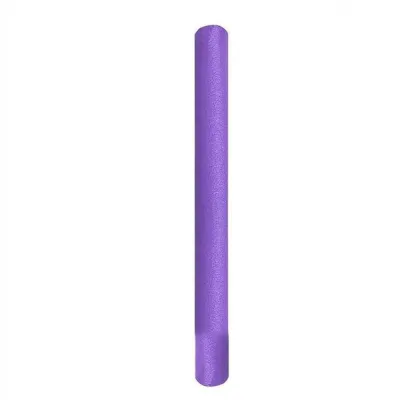
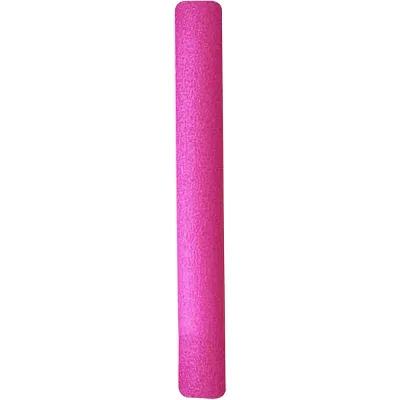
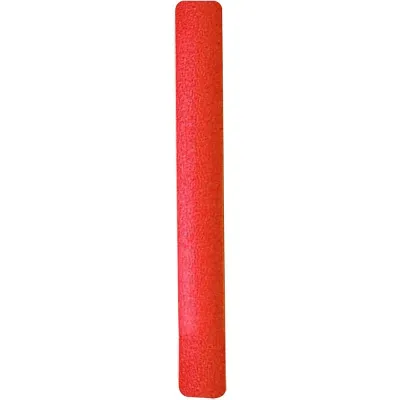
Prices are valid at publication and may change. Please refer to the product page for the latest price.
For adult lap swimmers, a foam pool noodle can serve as an excellent alternative to a traditional kickboard. By placing the noodle under the armpits or holding it out in front with extended arms, swimmers can isolate their lower body to focus entirely on kick technique and hip rotation. This application requires a noodle with high buoyancy and structural integrity. A flimsy noodle will bow under the weight of an adult, failing to keep the upper body properly aligned with the water’s surface. A firm, supportive foam structure ensures that the swimmer can maintain a streamlined position without straining their neck or lower back.
In water aerobics, resistance training, and physical therapy, pool noodles are utilized as active exercise equipment rather than passive flotation aids. Water fitness enthusiasts leverage the natural buoyancy of the foam to create resistance when pushing the noodle downward into the water. This type of workout targets the upper body, core, and stabilizing muscles. For these activities, the level of firmness and the texture of the outer surface are critical. A noodle used for therapy must be rigid enough to withstand constant downward pressure without collapsing, yet flexible enough to be bent into various shapes for specific exercises. A textured grip is also beneficial, preventing the hands from slipping during high-intensity movements or wet therapy sessions.
Key Features to Evaluate in a Foam Pool Noodle
To find a pool noodle that performs well and lasts through multiple swim seasons, you must evaluate its physical specifications. The manufacturing process, material composition, and structural design directly dictate how a noodle behaves in the water, how much weight it can support, and how easily it bends.

Foam Density and Material Composition
The density of the foam is the primary indicator of a pool noodle’s quality and durability. Most standard noodles are made from extruded polyethylene (PE) foam, a lightweight, closed-cell material that naturally resists water absorption. However, the density of this PE foam can vary significantly between products. High-density foam feels firm and solid when squeezed, indicating a tight cell structure that resists compression. This type of foam maintains its shape under pressure, provides consistent buoyancy, and is highly resistant to tearing or crumbling.
In contrast, low-density foam feels soft, squishy, and highly pliable. While these noodles are lightweight and inexpensive, their loose cell structure makes them prone to absorbing water over time, which gradually reduces their buoyancy. Low-density foam is also highly susceptible to physical damage; it can easily chip, tear, or break in half during active play. For long-term use, especially in demanding environments like public pools or fitness classes, investing in high-density closed-cell foam is highly recommended.
For premium durability, some specialty noodles feature a vinyl coating over a dense foam core. This liquid vinyl layer creates a smooth, non-porous barrier that completely seals the foam. Vinyl-coated noodles are exceptionally resistant to chlorine, salt water, and ultraviolet (UV) radiation. They do not absorb water, are easy to wipe clean, and do not peel or flake over time. While they carry a higher price tag, their extended lifespan makes them a cost-effective choice for frequent swimmers.
Solid Core versus Hollow Core Designs
The internal structure of a pool noodle is another critical factor that influences its performance. Noodles are generally divided into solid core and hollow core designs, each offering distinct advantages depending on the intended use.
Hollow core noodles feature a circular channel running through the center of the cylinder. This design uses less material, making the noodle lighter, highly flexible, and more affordable. The hollow center also allows children to blow water through the middle, adding a playful element to recreational swim sessions. However, the hollow design inherently reduces the overall buoyancy of the noodle, as there is less foam displacement. These noodles bend very easily, which makes them less suitable for supporting adult weight or providing high resistance during water workouts.
Solid core noodles are completely filled with foam, containing no central cavity. This solid construction maximizes the volume of foam, resulting in significantly higher buoyancy and structural rigidity. Solid core noodles do not bend or crease easily, allowing them to support heavier loads without sinking. This makes them the preferred choice for adult lap swimming, water aerobics, and physical therapy, where consistent support and high resistance are required.
Dimensions: Diameter and Length
Evaluating the physical dimensions of a pool noodle ensures that it fits the user’s body size and grip strength. Standard noodles typically range from 2.5 to 3.5 inches in diameter and 48 to 60 inches in length.
The diameter of the noodle directly affects both its buoyancy and how easy it is to hold. A 2.5-inch diameter noodle is ideal for children and adults with smaller hands, as it allows for a secure, comfortable grip. However, smaller diameters offer less buoyancy. For larger adults or those engaging in water resistance training, a 3-inch or 3.5-inch diameter noodle is necessary to provide adequate flotation support and physical resistance.
The length of the noodle should be chosen based on the user’s height and the specific exercises they plan to perform. A standard 48-inch to 60-inch noodle is versatile enough for most recreational and fitness activities, allowing users to wrap the foam around their torso or hold it comfortably with an average arm span. Shorter noodles are sometimes preferred for targeted physical therapy exercises or compact storage, while extra-long noodles offer more flexibility for creating custom flotation loops or configurations.
Safety, Durability, and Maintenance Checks
Ensuring the safety and longevity of your pool noodle involves verifying its material certifications, understanding its physical limits, and establishing a proper care routine. Because these products are exposed to harsh chemicals, intense sunlight, and constant moisture, proactive maintenance is key to preventing premature degradation.
Verifying Material Safety and Certifications
When purchasing swimming gear, especially for children, verifying the safety of the materials is paramount. Because children often bite, chew on, or closely hug pool noodles during play, the foam must be free from harmful chemicals. Look for product labels that explicitly state the foam is non-toxic, BPA-free, and phthalate-free.
In addition to chemical safety, check for physical safety indicators. High-quality noodles should not shed small pieces of foam, which can pose a choking hazard for young children or clog pool filtration systems. Inspect the surface of the noodle for any signs of flaking or crumbling before allowing children to use it. Choosing certified, brand-name swimming gear from reputable manufacturers reduces the risk of exposing your family to substandard materials.
Assessing Environmental Resistance and Weight Limits
The tropical climate of the Philippines presents unique challenges for outdoor gear. Intense UV radiation and high ambient temperatures can rapidly break down untreated foam, causing it to fade, become brittle, and eventually crumble. When selecting a noodle, check the manufacturer’s specifications for UV resistance or UV-stabilized foam. This feature helps protect the material from sun damage, ensuring it retains its flexibility and color over time.
Chlorine and salt water are also highly corrosive to low-quality foams. Look for products that specify chlorine resistance or are rated for use in both chlorinated pools and ocean water. Additionally, pay attention to any recommended weight capacity limits provided by the manufacturer. While these limits are often general guidelines rather than exact measurements, they help you determine whether a noodle is structurally capable of supporting an adult or if it is designed solely for lightweight children’s play.
Implementing Proper Maintenance and Storage Routines
To maximize the lifespan of your foam pool noodle and prevent the growth of mold and mildew, you must establish a consistent post-swim care routine. The combination of moisture, warmth, and organic matter creates an ideal environment for mold to thrive, particularly in humid tropical climates.
After every use, thoroughly rinse the pool noodle with clean, fresh water to remove chlorine, salt, sunscreen residues, and pool chemicals. These substances can slowly eat away at the foam structure if left to dry on the surface. Once rinsed, place the noodle in a well-ventilated, shaded area to air-dry completely. Never leave foam noodles in direct sunlight on a hot pool deck, as the extreme heat can warp the foam, cause it to shrink, or accelerate UV degradation.
For long-term storage, keep the noodles in a cool, dry, and shaded location, such as a garage, pool shed, or indoor storage closet. Store them vertically in a breathable bin or horizontally on a rack to ensure air can circulate freely around them. Avoid stacking heavy objects on top of the noodles, as prolonged pressure can permanently deform the foam, reducing its buoyancy and structural integrity.
Evaluating Value and Making the Purchase
When you are ready to buy a foam pool noodle, balancing cost against quality ensures you get a product that meets your needs without requiring frequent replacement. Understanding where to shop and what details to verify will help you make a smart investment.
Comparing Value over Initial Cost
It is common to find basic pool noodles priced at very low ₱ amounts in local discount stores. While these budget-friendly options may be tempting for a single weekend trip, they often represent poor long-term value. Low-cost noodles are typically made from low-density, hollow-core foam that degrades rapidly under the hot Philippine sun and harsh pool chemicals. You may find yourself replacing these cheap noodles multiple times throughout a single summer.
A more cost-effective approach is to evaluate value based on material density, core construction, and safety certifications. Spending slightly more on a high-density, solid-core noodle or a vinyl-coated model provides a product that can withstand daily use, resists water absorption, and maintains its buoyancy for years. When comparing prices, consider the cost per use rather than just the initial purchase price.
Navigating Retailers and Online Marketplaces
In the Philippines, consumers have several options for purchasing swimming gear. Local sports specialty stores and department stores in major cities allow you to physically inspect the pool noodles before buying. This hands-on approach is highly beneficial, as it lets you squeeze the foam to verify its density, check the surface texture, and confirm the overall dimensions.
If you prefer the convenience of online marketplaces, you must exercise caution to avoid low-quality counterfeits or substandard products. When shopping on ecommerce platforms, carefully read the product descriptions and look for specific details regarding foam density, material composition, and dimensions. Avoid listings that use generic descriptions or lack clear safety specifications. Reading customer reviews can provide valuable insights into the actual durability and performance of the noodle in real-world conditions. Be on the lookout for red flags, such as reviews mentioning strong chemical odors, rapid fading, or foam that crumbles after a few uses.
Understanding Return Policies and Warranties
Before finalizing your purchase, take a moment to review the retailer’s return policy and any warranty conditions. Foam products can occasionally suffer from manufacturing defects, such as internal air pockets, uneven density, or surface blemishes that compromise their structural integrity. A reliable retailer should offer a straightforward return or exchange policy for defective items. This is particularly important when buying online, where you cannot inspect the physical product prior to delivery. Knowing that you can easily return a damaged or sub-par noodle provides peace of mind and protects your investment.
Frequently Asked Questions (FAQ)
Can I use a standard pool noodle as a primary life-saving device? (FAQ)
No, a standard foam pool noodle must never be used as a primary life-saving device or a substitute for a certified personal flotation device (PFD) or life jacket. Pool noodles are classified as recreational water toys and flotation aids; they are not designed, tested, or certified to keep an unconscious or struggling swimmer’s head above water. They can easily slip out of a user’s grasp, lose buoyancy if damaged, or fail under heavy loads. For safety during boating, open-water swimming, or for non-swimmers in deep pools, always use a life jacket that is certified by relevant maritime or safety authorities.
How do I clean and store a foam pool noodle to prevent mold? (FAQ)
To prevent mold and mildew growth, rinse the pool noodle thoroughly with clean, fresh water after every swim to remove chlorine, salt, and organic debris. Allow the noodle to air-dry completely in a well-ventilated, shaded area before storing it. Avoid leaving it in direct sunlight, which can damage the foam. Once dry, store the noodle in a cool, dry place, preferably standing vertically in a mesh basket or lying flat on a storage rack. Proper airflow is essential, especially in humid climates, to ensure that any residual moisture evaporates quickly, keeping the foam clean and hygienic.
Community discussion
Share your experience or ask a question. Comments are reviewed before publication.