
Selecting the right roller foam for exercise is one of the most effective ways to upgrade your warm-up and recovery routines. Self-myofascial release (SMR) helps break up muscle adhesions, improve local circulation, and restore flexibility. However, because everyone has different pain thresholds, muscle densities, and fitness goals, a foam roller that works perfectly for a weightlifter might cause severe bruising or intense discomfort for a yoga enthusiast or a beginner.
To find the ideal tool for your home gym or workout bag, you must evaluate three primary design elements: density, texture, and size. Additionally, matching the roller’s material to your specific training style and local environment is essential for long-term durability. This guide breaks down these critical factors to help you make an informed decision.
Quick Guide: Matching Roller Density to Your Fitness Level
Density is the single most important factor to consider when choosing a foam roller. It determines how much pressure the roller applies to your soft tissues and how much the tool yields under your body weight. In the context of myofascial release, density directly correlates with how deeply the pressure penetrates your muscle fibers and how your nervous system responds to the sensation.
Products mentioned in this guide
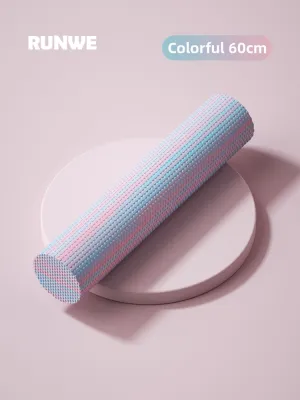

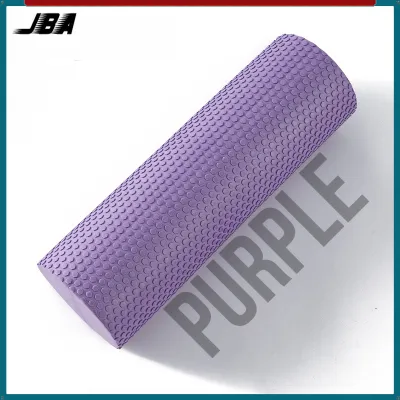
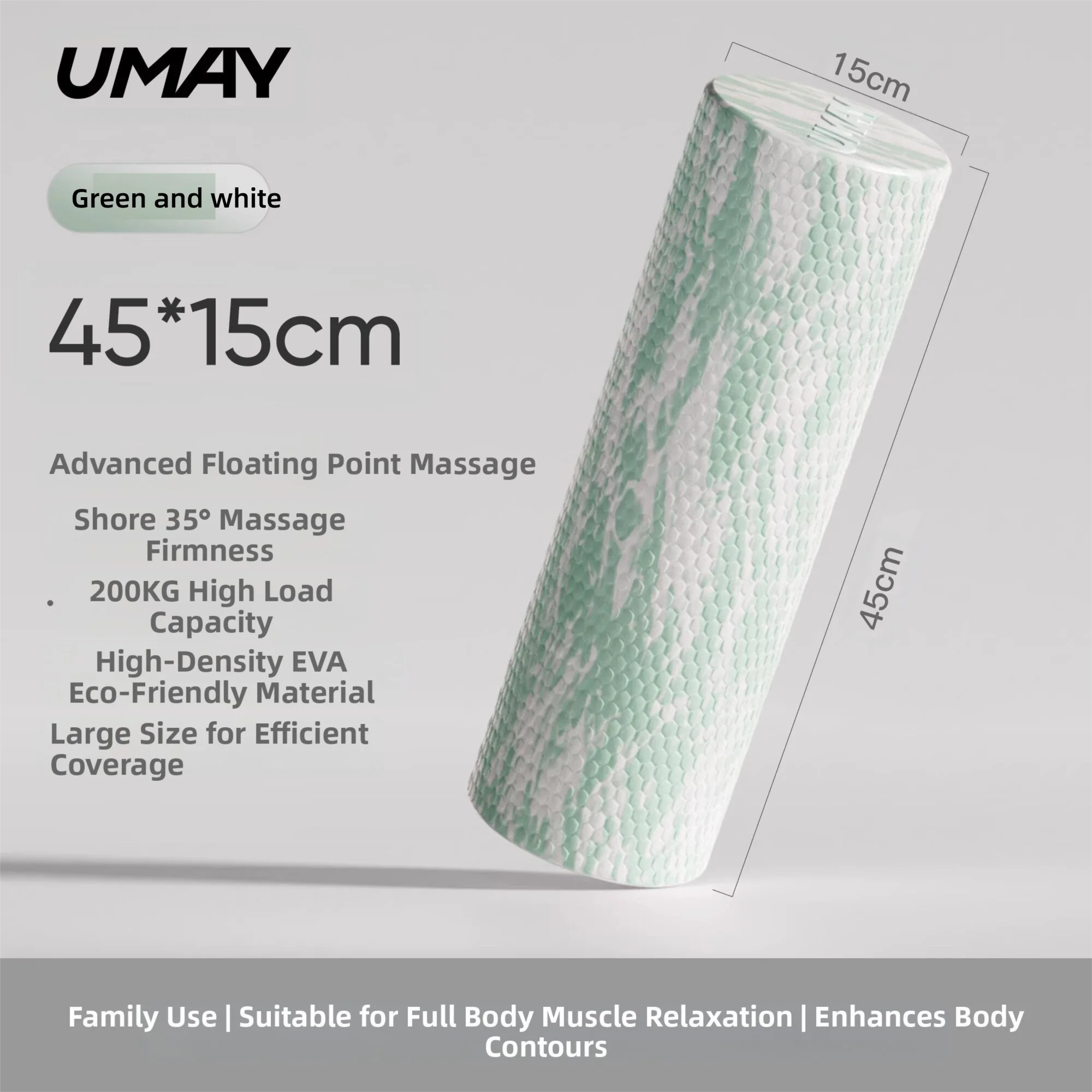
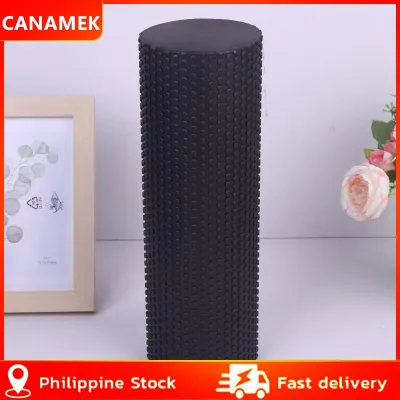
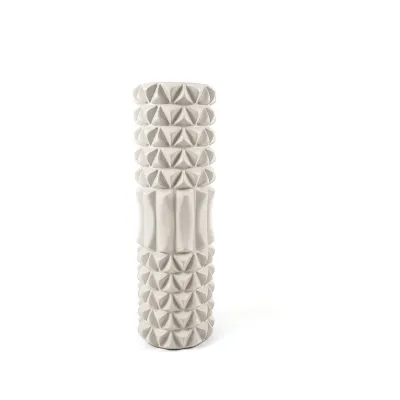
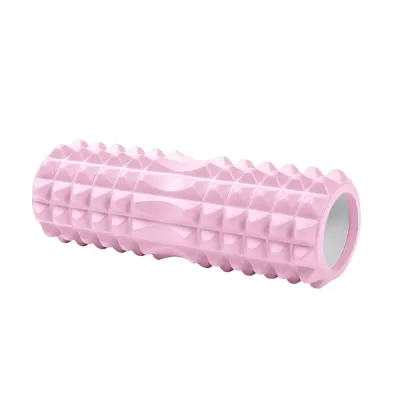
![[COD] CISWGE SPORTS Yoga Roller Round EVA Foam Cylinder Roller For Pilates Exercise Enhanced Home Workouts Diameter 10cm Length 30cm](https://img.lazcdn.com/g/p/9d164d0edec34aed285b3a00899fcbf1.jpg_400x400q80.jpg_.webp)
Prices are valid at publication and may change. Please refer to the product page for the latest price.
Foam rollers generally fall into three density categories, each suited to different experience levels and recovery needs:
- Soft Density: These rollers have a noticeable give when you press your thumb into them. They are designed for gentle compression, making them ideal for beginners, individuals with high pain sensitivity, or those recovering from intense, muscle-damaging workouts.
- Medium Density: Offering a balanced compromise, medium rollers provide moderate pressure without feeling rock-hard. They are highly versatile and suitable for general fitness enthusiasts who want a mix of comfort and deep-tissue relief.
- Firm Density: These rollers are rigid, offering virtually no give under pressure. They are designed for experienced users, athletes with dense muscle mass, or anyone who requires deep, targeted penetration to release stubborn, long-term muscle knots.
If you are new to foam rolling, always start with a soft or medium-density option. Your nervous system needs time to adapt to SMR pressure; using a roller that is too firm right away can cause your muscles to tense up defensively. This protective muscle guarding defeats the purpose of rolling, which is to encourage the tissue to relax and release tension. Advanced users, however, will find that soft rollers compress too easily under their body weight, failing to deliver the mechanical pressure needed for deep myofascial release.
How to Choose the Right Texture for Your Recovery Needs
The surface texture of a foam roller dictates how the pressure is distributed across your skin and muscle tissue. While some rollers are completely smooth, others feature complex patterns of ridges, grids, or prominent knobs. Understanding how these textures interact with your body will help you target your specific recovery goals more effectively.

Smooth rollers are the traditional standard for SMR. They distribute your body weight evenly across a broad surface area, providing a consistent, uniform massage. This even pressure makes them incredibly approachable for beginners and highly effective for sensitive muscle groups, such as the IT band or calves. If you want a tool for general warm-ups, full-body flushing, or basic mobility work, a smooth roller is your safest and most comfortable option.
Textured or ridged rollers feature raised patterns designed to mimic the hands of a massage therapist. The flat, wide portions of the grid simulate the palms, while the narrow ridges mimic the fingers or thumbs. This variation in surface height allows the roller to target specific trigger points while simultaneously channeling blood and oxygen through the surrounding tissues. If you regularly experience localized muscle tightness or want a more active, stimulating massage, a ridged pattern provides excellent therapeutic value.
Knobby or aggressive textures feature high, pointed protrusions designed for deep-tissue penetration. These rollers are engineered to dig deep into thick muscle groups, such as the glutes, piriformis, and hamstrings. Because they concentrate your body weight onto tiny, localized points, they exert intense pressure. You must use these with extreme caution; never use highly aggressive textures on sensitive areas, bruised tissues, or directly over bony prominences. If you choose a knobby roller, always test the pressure gradually by supporting more of your body weight with your hands and feet.
Best Foam Roller Sizes and Shapes for Specific Exercises
Foam rollers come in several lengths and shapes, each optimized for different exercises, body parts, and lifestyle demands. Selecting the right dimensions ensures you can perform your exercises safely and comfortably without running out of rolling surface.
Long Rollers (36 Inches) for Full-Body and Yoga
A standard 36-inch (approximately 90 cm) foam roller is the most versatile option for home workouts, yoga studios, and Pilates routines. Its generous length allows you to position it vertically along the entire length of your spine, supporting both your head and tailbone simultaneously. This vertical orientation is highly effective for chest-opening stretches, postural alignment exercises, and core stabilization work.
Additionally, a long roller provides a wide, stable base that prevents you from slipping off the edges during bilateral exercises, such as rolling both hamstrings or both quads at the same time. While its size makes it difficult to pack in a gym bag, it remains the gold standard for dedicated home recovery spaces.
Medium Rollers (18-24 Inches) for Gym and General Use
Medium-sized foam rollers strike a practical balance between usability and portability. They are wide enough to target most major muscle groups—including the upper back, quadriceps, and hamstrings—one side at a time, yet compact enough to store easily in a closet or carry to a local fitness center.
For residents living in compact spaces, such as apartments or condos in urban areas, a medium roller offers excellent utility without cluttering your living area. It provides sufficient surface area for standard SMR routines while remaining easy to maneuver in tight spaces.
Short, Travel, and Specialty Rollers
Short rollers, typically measuring 12 inches (approximately 30 cm) or less, are designed specifically for targeted single-limb work and travel. Their compact size makes them perfect for rolling out smaller, isolated areas like the calves, forearms, or plantar fascia on the bottom of your feet. They pack effortlessly into a backpack or carry-on bag, allowing you to maintain your recovery routine while traveling or commuting.
Within this category, you will also find specialty options:
- Hollow-Core Rollers: These feature a rigid plastic inner tube wrapped in foam. They are highly durable, resist collapsing over time, and allow you to stuff clothes or towels inside them to save space in your travel luggage.
- Massage Sticks: These consist of small rolling segments mounted on a central metal or plastic rod with handles at both ends. Unlike traditional rollers, you control the pressure manually with your hands rather than using your body weight. This design requires different handling techniques but is highly useful for targeting the calves and quadriceps while seated or standing, bypassing the need to get down on the floor.
Matching Your Roller to Your Exercise Routine
To get the most out of your investment, your foam roller should directly complement the physical demands of your primary sport or daily activities. Different movement patterns stress different muscle groups, requiring specific SMR strategies.
Runners and Endurance Athletes
Endurance sports involve repetitive, high-frequency impacts that place immense stress on the lower body. Runners, cyclists, and triathletes frequently experience tightness in the calves, quadriceps, hamstrings, and the tensor fasciae latae (TFL) near the hip. This repetitive strain can lead to localized stiffness and restricted joint mobility.
For these athletes, a medium-to-firm roller with a lightly textured or ridged surface is highly effective. The texture helps address stubborn trigger points in the calves and quads, while the firm density provides enough pressure to penetrate tight lower-body fascia. When rolling near the IT band, focus your efforts on the surrounding muscles—such as the quadriceps and gluteus maximus—rather than rolling directly over the thick, fibrous band itself.
Weightlifters and High-Intensity Athletes
Powerlifting, Olympic lifting, and high-intensity functional fitness routines subject the body to heavy mechanical loading. This training style builds dense, thick muscle tissue that is prone to deep muscular knots and structural fatigue, particularly in the glutes, latissimus dorsi, and thoracic spine.
To penetrate this dense muscle tissue, weightlifters generally require a firm, high-density roller. A hollow-core roller or an EPP model with a moderately aggressive grid pattern is ideal for breaking up deep adhesions. Focus on rolling out the lats to maintain shoulder mobility for overhead lifts, and use the roller on your upper back to support thoracic extension, which is critical for maintaining proper posture during squats and deadlifts.
Yoga, Pilates, and Desk Workers
If your routine focuses on low-impact mobility, or if you spend long hours sitting at a desk, your primary physical challenges are likely postural stiffness, rounded shoulders, and tight hip flexors. Your goal is not to break down dense athletic knots, but rather to gently restore spinal mobility and open up tight chest muscles.
For this scenario, a long (36-inch), soft-to-medium density smooth roller is the perfect fit. The smooth surface and yielding density allow you to perform passive restorative stretches comfortably. Lying vertically on a long roller helps reverse the hunched posture caused by computer work, encouraging gentle chest expansion and spinal alignment without triggering painful muscle spasms.
Material, Durability, and Safety Checks Before Buying
Before purchasing a foam roller, it is important to evaluate the materials used in its construction. The chemical composition of the foam determines how well the roller retains its shape over time, how easy it is to clean, and how it performs in different environmental conditions.
- EVA (Ethylene-Vinyl Acetate): This is a high-quality, rubber-like plastic known for its excellent shock absorption and resilience. Closed-cell EVA foam is highly durable, retains its shape well under repeated use, and does not absorb moisture. In warm, humid tropical environments, closed-cell EVA is highly recommended because it resists sweat absorption, preventing the growth of bacteria and unpleasant odors.
- EPP (Expanded Polypropylene): EPP is a lightweight, high-density bead foam that is incredibly rigid and inexpensive. It provides a very firm rolling experience and is highly resistant to warping. However, cheaper EPP rollers can sometimes feel rough against the skin and may slowly chip or degrade at the edges over years of heavy use.
- PU (Polyurethane): Often used in budget-friendly rollers, open-cell polyurethane is soft and comfortable initially but tends to compress permanently under heavy body weight. It is also highly absorbent, meaning it can trap sweat and humidity, making it difficult to keep sanitary over time.
Before finalizing your purchase, always check the manufacturer’s product label for the stated weight capacity, dimensions, and specific care instructions. Keep your roller clean by wiping it down with a damp cloth and mild soapy water after use; avoid harsh chemical solvents that can degrade the foam.
Critical Safety Boundaries and Stop Conditions
While foam rolling is generally safe, practicing SMR incorrectly can lead to tissue damage or joint strain. Always adhere to these fundamental safety guidelines:
- Avoid Joints and Bones: Never roll directly over your kneecaps, elbows, ankles, or hip bones. Foam rolling is designed strictly for soft muscle tissue.
- Protect Your Lower Back and Neck: Avoid rolling your lumbar spine (lower back) and cervical spine (neck) with a standard foam roller. The lower back lacks the structural protection of the rib cage; rolling this area can cause your core muscles to spasm defensively or place excessive pressure on your spinal discs. To release tension in the neck or lower back, use smaller, targeted tools like a peanut roller or a tennis ball under professional guidance.
- Differentiate Pain Types: It is normal to feel a dull, aching discomfort during SMR—often described as "good pain." However, if you experience sharp, shooting, hot, or nerve-like pain, stop immediately. These sensations indicate that you are compressing a nerve, blood vessel, or tendon. If pain, numbness, or tingling persists after your session, consult a physical therapist or a medical professional.
Frequently Asked Questions (FAQ)
How long should I foam roll each muscle group?
For general recovery and warm-ups, spend about 1 to 2 minutes on each target muscle group. Instead of rolling rapidly back and forth, move slowly at a rate of about one inch per second. When you discover a particularly tender spot or trigger point, pause and hold the pressure on that area for 20 to 30 seconds while taking deep, slow breaths. Focus on relaxing your body into the roller rather than tensing up, and let your breathing guide the pace of your session.
Can foam rolling replace stretching before a workout?
Foam rolling should not be used as a complete replacement for a dynamic warm-up. While SMR is excellent for increasing localized blood flow, reducing muscle tone, and temporarily improving your range of motion, it does not actively prepare your nervous system or joints for athletic movements. For the best pre-workout results, combine 5 minutes of light foam rolling to address tight spots with a series of active, dynamic stretches—such as leg swings, lunges, and arm circles—to prime your body for exercise.
Is it safe to foam roll every day?
Yes, light and gentle foam rolling is generally safe to perform daily as part of a mobility or active recovery routine. Using a soft or medium roller for a few minutes a day can help relieve desk-related stiffness and maintain healthy tissue elasticity. However, intense, deep-tissue rolling sessions that target deep muscular knots should be treated like heavy strength workouts; your muscles need time to repair, so allow 24 to 48 hours of rest between intense, highly localized rolling sessions.
Community discussion
Share your experience or ask a question. Comments are reviewed before publication.