
Integrating a foam roll into your yoga practice is an excellent way to enhance flexibility, accelerate muscle recovery, and support your body during challenging poses. While yoga focuses on stretching and strengthening, myofascial release with a foam roller targets the connective tissues that can limit your range of motion. Finding the right balance between density, size, and texture ensures your roller serves as a supportive tool rather than a source of discomfort.
Choosing the right equipment requires analyzing your physical needs, preferred yoga style, and pain tolerance. A roller that is too firm can cause muscles to tense up, while one that is too soft won’t provide enough pressure to release deep tension. By matching the physical specifications of the roller to your practice, you can create a customized recovery routine that complements your time on the mat.
Quick Diagnostic: Match Density and Texture to Your Level
To help you find the right starting point, use this quick diagnostic reference to match your experience level and tissue sensitivity to the ideal foam roller specifications:
Products mentioned in this guide
![[Local Stock] Yoga Foam Roller Yoga Roller Massage Roller Fitness Gym Exercise Roller Muscle Relax](https://img.lazcdn.com/g/p/cf0e298c5771cbd3b49d3905ea7eec54.jpg_400x400q80.jpg_.webp)
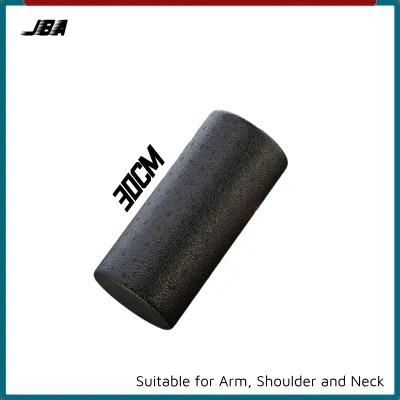
![[COD] CISWGE SPORTS Yoga Roller Round EVA Foam Cylinder Roller For Pilates Exercise Enhanced Home Workouts Diameter 10cm Length 30cm](https://img.lazcdn.com/g/p/e1184ff0e0155ec4e063fb5ae66bf790.jpg_400x400q80.jpg_.webp)
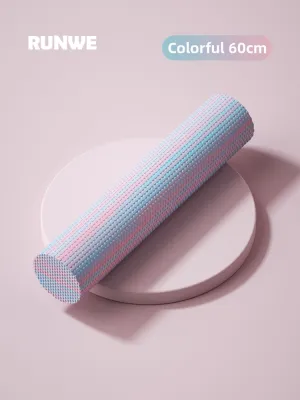

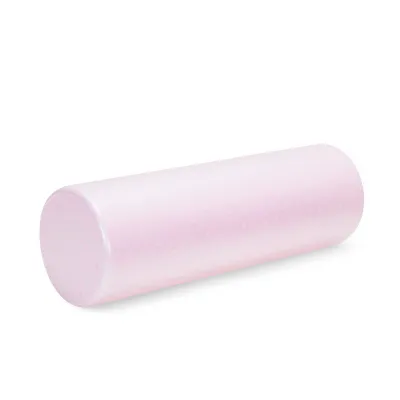
Prices are valid at publication and may change. Please refer to the product page for the latest price.
| Profile | Recommended Density | Surface Texture | Primary Use Case |
|---|---|---|---|
| Beginner / Sensitive | Soft (Low-Density) | Smooth | Gentle release, restorative props, spinal alignment |
| Intermediate / Regular | Medium-Density | Smooth or Light Grid | Balanced recovery, core stability, hamstring release |
| Advanced / Deep Tissue | Firm (High-Density) | Grid or Bumpy | Targeted trigger point therapy, intense recovery |
While this matrix serves as an immediate guide, you should refine your choice by evaluating how specific yoga disciplines, anatomical constraints, and environmental factors impact your selection.
Identify Your Yoga Style and Recovery Needs
Your primary yoga discipline dictates how your muscles work and how they need to recover. Dynamic, strength-based styles like Vinyasa, Power, and Ashtanga yoga place repetitive stress on major muscle groups. Practitioners of these styles often experience tightness in the calves, hamstrings, quadriceps, and shoulders. For active recovery, a foam roller is utilized post-practice to flush out metabolic waste, encourage blood circulation, and break up minor adhesions in the fascia, allowing you to return to the mat with improved mobility.

In contrast, passive and meditative styles like Yin or Restorative yoga focus on deep, long-held stretches and joint decompression. In these practices, a foam roller often transitions from a massage tool to a supportive prop. It can replace a traditional yoga bolster to support the spine during gentle chest openers, cushion the knees, or elevate the hips in supported bridge poses. For these applications, a roller must offer a stable, comfortable surface that does not dig painfully into bony areas during extended static holds.
Additionally, practitioners who use yoga to build core strength and balance can integrate a foam roller into stability exercises. Placing a roller under the hands or feet during plank variations or lying lengthwise along the roller for abdominal work requires a non-slip surface and a shape that provides a reliable base. Before committing to a specific model, clarify whether your primary goal is deep tissue massage, static structural support, or stability training.
Choosing the Right Density for Your Pain Tolerance
The density of a foam roller is the most critical factor determining the intensity of your myofascial release sessions. Low-density, or soft, foam rollers provide a cushioned, gentle pressure that is highly forgiving on sensitive tissues. These are exceptionally well-suited for beginners who are new to self-massage, individuals with lower pain thresholds, or yogis who plan to use the roller as a supportive prop in passive poses. A soft roller allows the body to relax over the support without triggering a defensive muscular contraction.
Medium-density rollers represent the most versatile middle ground for the average practitioner. They offer enough structural integrity to provide effective muscle compression and release moderate tension, yet they retain enough give to remain comfortable on sensitive areas like the IT band or upper back. If you practice a mix of active and restorative yoga, a medium-density roller provides a balanced compromise that can handle both deep rolling and light structural support.
High-density, or firm, rollers are designed for deep, intense pressure. These are typically preferred by advanced practitioners, long-distance runners, or athletes who require deep penetration into thick muscle bellies, such as the glutes and quadriceps. However, firm rollers demand a high level of physical control and tissue tolerance.
When working with any density, safety must remain your top priority. Foam rolling should produce a sensation of productive release—often described as a “good hurt”—but it should never cause sharp, shooting, or unbearable pain. Always avoid rolling directly over joints, such as the knees or elbows, and never roll the lower back (lumbar spine) or the neck, as these areas are highly susceptible to injury. If you experience severe pain, numbness, or tingling, stop immediately and consult a physical therapist or medical professional. Always check the manufacturer’s care and safety instructions before beginning a new recovery routine.
Selecting the Ideal Length and Diameter for Your Practice
Foam rollers come in several standard lengths and diameters, each serving distinct anatomical targets and lifestyle needs. Selecting the right dimensions ensures you can perform your exercises safely and store or transport your roller with ease.
Length Options for Different Exercises
- Long (approx. 36 inches): This is the gold standard for home use and full-body rolling. A 36-inch roller is long enough to support your entire spine from head to tailbone when lying lengthwise, making it indispensable for chest-opening stretches and spinal alignment exercises. It also provides a wide, stable surface that prevents you from rolling off the edges when massaging broad areas like the upper back or both legs simultaneously.
- Medium (approx. 24 inches): A highly practical compromise, the 24-inch roller easily accommodates major muscle groups like the quadriceps, hamstrings, and lats. It is wide enough for most rolling exercises while being significantly easier to store in compact spaces or closets.
- Short (approx. 12 inches): Designed primarily for portability, a 12-inch roller is lightweight and fits easily into a standard yoga bag or travel luggage. It is highly effective for targeting localized, single-limb areas such as the calves, IT bands, or forearms. However, it is too short for spinal alignment or double-leg rolling.
Diameter Options and Leverage
The standard diameter for most foam rollers is approximately 6 inches. This height provides excellent leverage, allowing you to easily roll your body weight over the device while keeping your limbs at a comfortable angle relative to the floor.
Smaller diameter rollers, typically measuring 3 to 4 inches, sit much closer to the ground. This lower profile can feel more stable for individuals with balance concerns. Because of the tighter curve, a smaller diameter roller concentrates pressure onto a narrower surface area, allowing for deeper, more targeted penetration into specific muscle bellies. However, this concentrated pressure can feel significantly more intense, requiring greater core strength and control to manage your body weight.
When deciding on size, consider your living space and daily routine. If you live in a compact condominium in Manila or frequently commute to a local yoga studio, a medium or short roller may be the most practical choice. If you have a dedicated home practice space, a full-sized 36-inch roller offers the greatest versatility.
Surface Texture: Smooth vs. Grid for Muscle Release
The exterior texture of a foam roller determines how pressure is distributed across your muscle fibers. Smooth-surfaced rollers distribute your body weight evenly across a broad surface area. This uniform pressure is highly recommended for beginners, as it minimizes the risk of bruising and allows you to adapt to the sensation of myofascial release. Smooth rollers are also the superior choice for restorative yoga, as they provide a continuous, comfortable surface for static poses without creating painful pressure points on your skin or bones.
Textured, grid, or bumpy rollers feature raised patterns, ridges, and recessed channels. These designs are engineered to mimic the hands, fingers, and thumbs of a professional massage therapist. The flat zones provide a palm-like massage, while the narrow ridges act like fingertips to dig deeply into stubborn muscle knots and localized trigger points. The channels between the ridges also allow for better blood flow and tissue aeration during rolling.
If you are transitioning from a smooth roller to a textured one, do so gradually. Start by applying only a portion of your body weight, using your hands and opposite foot to support yourself, and slowly increase the pressure as your tissues adapt. Keep in mind that highly textured rollers are generally unsuitable as static props in restorative yoga, as the hard ridges can quickly cause discomfort when held against the body for several minutes.
Material Durability and Care in Tropical Climates
Foam rollers are manufactured from various synthetic polymers, each offering distinct levels of durability, responsiveness, and lifespan. Understanding these materials helps you make an informed purchase that stands up to regular use.
- EPE (Expanded Polyethylene): This is the most budget-friendly option, often priced between ₱300 and ₱500 in local sports shops. EPE rollers have a slightly visible beaded texture and are generally soft to medium in density. However, under heavy or daily use, EPE tends to lose its shape, flatten out, or degrade faster than other materials.
- EVA (Ethylene-Vinyl Acetate): A highly resilient, rubber-like plastic, EVA is the industry standard for high-quality, medium-density rollers. It offers excellent shock absorption, recovers its shape quickly after compression, and has a smooth, slip-resistant texture. EVA rollers generally range from ₱800 to ₱1,500 and offer superb long-term value.
- EPP (Expanded Polypropylene): This is a high-density, lightweight foam that feels similar to hard molded plastic. EPP rollers are incredibly durable, virtually crush-proof, and hold their shape indefinitely even under heavy loads. They are ideal for those who want maximum firmness and longevity.
In the warm, humid climate of the Philippines, proper maintenance is essential to prevent your roller from absorbing sweat, developing unpleasant odors, or harboring bacteria. After a sweaty yoga session, wipe down your foam roller using a soft cloth dampened with warm water and a few drops of mild dish soap or a specialized yoga mat spray. Avoid using harsh chemical solvents or bleach, which can dry out and degrade the synthetic foam.
Once cleaned, allow the roller to air-dry completely in a well-ventilated indoor area before storing it. Never leave your foam roller in direct, intense tropical sunlight or inside a hot car, as extreme heat and UV radiation will warp the foam, cause it to become brittle, and significantly shorten its lifespan.
Frequently Asked Questions (FAQ)
Can I use a foam roller every day for yoga recovery?
Yes, light to moderate foam rolling can safely be incorporated into your daily yoga recovery routine. Short, gentle sessions of 5 to 10 minutes can help improve blood circulation, relieve daily muscle stiffness, and prepare your body for deep stretching. However, you should avoid performing deep, intense trigger point therapy on the exact same muscle groups on consecutive days. Deep tissue work creates micro-trauma in the fascia that requires 24 to 48 hours of recovery time. Always listen to your body and reduce the intensity or frequency if you experience persistent muscle soreness.
Is a foam roller or a massage ball better for yoga practitioners?
Both tools serve complementary roles in a yoga recovery kit, and many practitioners benefit from owning both. A foam roller is highly efficient for targeting broad, large muscle groups, such as the quadriceps, hamstrings, lats, and upper back, and it doubles as a supportive prop or stability tool. A massage ball is designed for highly localized, pinpoint pressure. It is far more effective at reaching deep trigger points in small, hard-to-reach anatomical areas, such as the arches of the feet, the glutes, the piriformis, and the space directly between your shoulder blades.
Community discussion
Share your experience or ask a question. Comments are reviewed before publication.