
Selecting the right foam roller is a highly individualized decision that depends on your personal pain tolerance, specific recovery goals, and where you plan to use the equipment. There is no single foam roller that suits every body type or fitness level. Instead, you must evaluate how different densities, surface textures, and dimensions align with your physical needs and workout environment. In warm, humid tropical climates like the Philippines, material durability and moisture resistance also play a critical role in ensuring your roller remains hygienic and structurally sound over time.
By understanding how different foam roller designs target muscle groups and distribute pressure, you can make an informed choice that supports your recovery routine. This guide will help you navigate the key specifications, safety boundaries, and material differences so you can select the ideal tool for your active lifestyle.
How to Match Foam Roller Density and Texture to Your Pain Tolerance
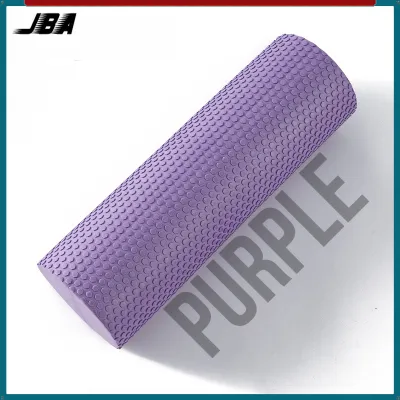
Foam roller density refers to the firmness of the foam, which directly dictates how much pressure is applied to your muscles during a session. Manufacturers generally categorize rollers into soft, medium, and firm densities. Soft foam rollers, often made from low-density polyethylene, compress easily under your body weight. They provide a gentle, cushioned massage that is ideal for beginners, older adults, or individuals with highly sensitive muscles. If you are new to self-myofascial release, starting with a soft roller helps your body adapt to the sensation without causing defensive muscle tensing.
Products mentioned in this guide
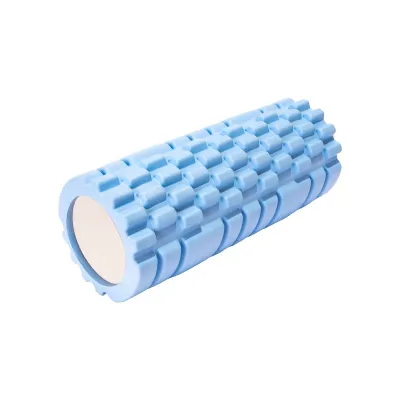
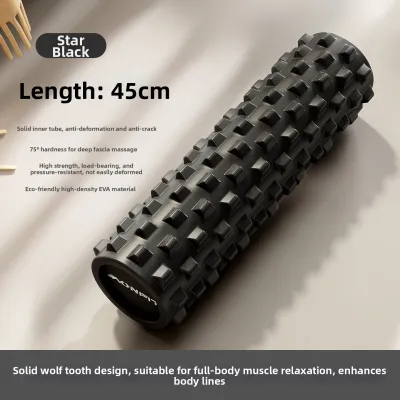
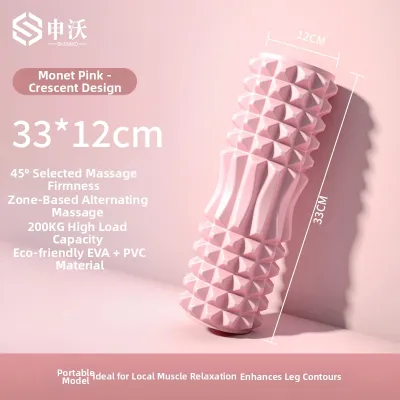
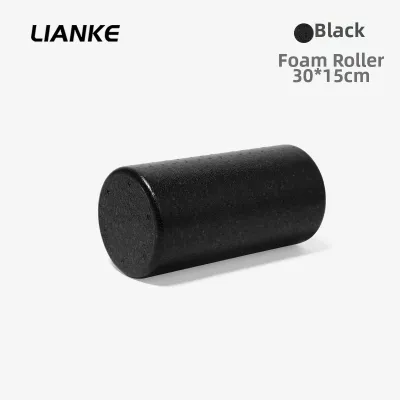
Prices are valid at publication and may change. Please refer to the product page for the latest price.
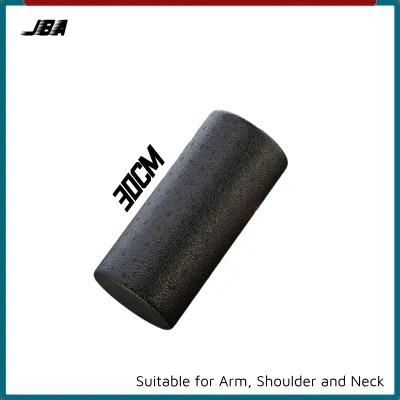
Medium-density rollers offer a balanced compromise, providing moderate pressure that targets deeper muscle layers without causing intense discomfort. These are highly versatile tools suitable for regular fitness enthusiasts who require consistent, everyday recovery. Firm foam rollers, which frequently feature a rigid plastic core wrapped in high-density foam, do not compress easily. They are designed to deliver intense, deep-tissue pressure. While experienced athletes with dense muscle mass often prefer firm rollers, beginners may find them painful enough to cause bruising or involuntary muscle guarding, which defeats the purpose of recovery.
Surface texture is another critical factor that alters how pressure is distributed across your body. Smooth foam rollers distribute your body weight evenly across a broad surface area. This design minimizes intensity, making it the safest and most comfortable option for general rolling, sensitive areas, and warm-up routines. If you want a straightforward tool to improve overall circulation and ease mild muscle tightness, a smooth roller is generally the most practical choice.
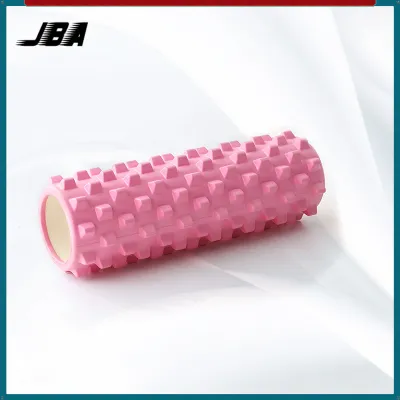
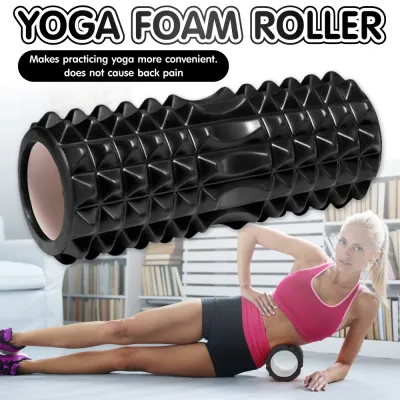
Textured rollers feature molded patterns such as ridges, grids, or knobs. These protrusions are designed to mimic the hands, fingers, or palms of a massage therapist. By concentrating your body weight onto smaller, localized contact points, textured rollers can target stubborn muscle knots and specific trigger points. However, this concentrated pressure significantly increases the intensity of the roll. If you choose a textured model, ensure your pain tolerance is high enough to maintain slow, controlled breathing and relaxed muscles during use.
Choosing the Right Size and Shape for Your Workout Space and Travel Needs
Foam rollers come in several lengths and shapes, each suited to different exercises, body parts, and storage situations. A full-length roller, typically measuring 36 inches (approximately 90 centimeters), is the standard choice for home gyms and dedicated workout spaces. This length is long enough to support your entire spine when lying on it vertically, making it excellent for chest-opening stretches, posture correction, and core stabilization exercises. The generous length also provides superior stability when rolling out large muscle groups like the quadriceps or hamstrings, as you do not have to worry about sliding off the edges.

Medium rollers, usually ranging from 18 to 24 inches, offer a practical middle ground. They provide sufficient surface area to roll out individual limbs, such as a single thigh or calf, while occupying significantly less floor space. If you live in a compact apartment or condo where storage space is limited, a medium roller is much easier to tuck away in a closet or slide under a bed when not in use.
Compact or travel rollers, measuring 12 inches or less, are designed specifically for portability. They fit easily into a standard gym bag or travel luggage, allowing you to maintain your recovery routine while on trips or commuting to a local fitness center. While highly convenient for targeting smaller areas like the calves, forearms, or IT bands, compact rollers are too short to support your spine vertically and require more precise body positioning to prevent tipping.
Specialized shapes offer alternative ways to address specific physical needs. Half-round foam rollers are flat on one side and curved on the other. They remain completely stable on the floor, making them excellent tools for physical therapy, ankle rehabilitation, and gentle balance training. Handheld massage sticks feature independent rotating rollers on a central shaft. Because you control the pressure with your hands rather than your body weight, massage sticks are highly accessible for targeting the calves and shins while seated, eliminating the need to support your weight on the floor.
Which Foam Roller Type Fits Your Specific Recovery Goals?
To get the most out of your equipment, you should match the roller’s characteristics to your primary fitness activities and recovery objectives. For post-run leg recovery, runners frequently experience tightness in the calves, quadriceps, and iliotibial (IT) bands. A medium-density, smooth roller is highly effective for these large muscle groups. It allows you to perform broad, sweeping strokes that assist with circulation and ease general tightness. When rolling near the IT band, a smooth surface is preferred over a highly aggressive textured one to avoid irritating the sensitive connective tissues on the side of the thigh.
If your goal is upper back posture correction and relieving the stiffness associated with prolonged desk work, a full-length, medium-density smooth roller is the ideal tool. Lying vertically along the length of the roller allows your shoulders to drop naturally, stretching the chest muscles and mobilizing the thoracic spine. You can also position the roller horizontally across your upper back to gently roll out the thoracic vertebrae. Avoid rolling the lower back in this horizontal position, as the lumbar spine lacks the structural support of the rib cage and can easily be strained.
For deep tissue massage and targeting stubborn muscle knots, a firm roller with a grid or knobby texture is the most appropriate choice. This setup allows you to pinpoint specific areas of tension, such as the glutes or piriformis, and apply concentrated pressure to help release the knot. Conversely, if you are looking for gentle lymphatic stimulation or a quick pre-workout warm-up, a soft, smooth roller is much better suited. Light, rapid rolling with a soft surface helps increase local blood flow and prepares your muscles for movement without causing fatigue or micro-tears before your workout.
It is important to recognize the physical limits of self-myofascial release. A standard foam roller is a broad-pressure tool and cannot easily reach deep, highly isolated muscles like those in the shoulder blades or the arches of the feet. For these areas, smaller tools like a lacrosse ball or a specialized massage ball are far more effective. Furthermore, if you experience sharp, shooting pain, joint instability, or chronic discomfort that does not improve with rest, a foam roller is not a substitute for professional medical care. In these situations, stop self-treatment and consult a qualified physical therapist or healthcare professional.
What to Verify on the Product Label Before You Buy
Before purchasing a foam roller from an online marketplace or official brand store, carefully review the manufacturer’s specifications to ensure the product is durable, safe, and suited to your body. First, verify the maximum weight capacity and structural design. Hollow-core rollers that feature a rigid, heavy-duty plastic inner tube generally offer superior structural integrity and support higher weight limits than solid foam rollers. Solid rollers made of low-density foam are prone to warping, flattening, or cracking over time under consistent body weight.
Next, identify the specific foam material used in construction, as this determines the roller’s lifespan and hygiene. Polyethylene (PE) is often the most budget-friendly option, but it tends to soften and lose its shape relatively quickly with regular use. Ethylene-Vinyl Acetate (EVA) is a highly durable, resilient material that offers excellent shock absorption and retains its shape for years. Expanded Polypropylene (EPP) is a high-density, lightweight bead foam that is extremely tough and resistant to deformation. In hot and humid climates, look for closed-cell foam materials like EVA or EPP, as they do not absorb sweat, moisture, or bacteria, making them much easier to keep clean and odor-free.
Finally, check the product label or online listing for clear safety warnings, usage instructions, and manufacturer warranty terms. A reputable brand will typically offer a warranty against structural defects, giving you recourse if the foam splits or the core cracks prematurely. Avoid products that lack clear material labeling or weight specifications, as these are often made from low-grade foams that degrade rapidly and fail to provide consistent pressure.
Safe Usage Boundaries and Basic Maintenance
Using a foam roller safely requires adhering to proper techniques and respecting your body’s anatomical limits. Always avoid rolling directly over bones, joints, and highly sensitive areas. Do not roll your neck or lower back horizontally, as doing so can place excessive pressure on the cervical and lumbar vertebrae, potentially leading to nerve compression or muscle spasms. Keep the roller focused on large muscle groups, such as the upper back, glutes, quadriceps, hamstrings, and calves, where there is ample muscle tissue to absorb the pressure.
Pay close attention to your body’s signals and establish clear stop conditions. Self-myofascial release should produce a sensation of pressure or mild tension release—often described as a “good hurt”—but it should never cause sharp, shooting, or radiating pain. If you experience numbness, tingling, or sudden joint pain, stop rolling immediately. Never roll over open wounds, bruises, skin infections, or areas with active inflammation, as the mechanical pressure can worsen these conditions.
Proper maintenance is essential to extend the lifespan of your foam roller and keep it hygienic, especially in humid environments where sweat evaporates slowly. Clean your roller after every few uses by wiping it down with a soft cloth dampened with mild soap and warm water. Avoid using harsh chemical solvents, bleach, or abrasive scrubbing pads, as these substances can break down the foam’s cellular structure and ruin the surface texture. Allow the roller to air dry completely in a well-ventilated indoor area before storing it.
Store your foam roller in a cool, dry place away from direct sunlight. Prolonged exposure to ultraviolet (UV) rays can dry out the foam, causing it to become brittle, fade, and crack. Additionally, avoid storing the roller with heavy objects resting on top of it, as constant localized pressure can cause permanent indentations and ruin the roller’s round shape.
Frequently Asked Questions (FAQ)
Can I use a foam roller every day?
Daily foam rolling is generally safe and can be highly beneficial if you keep your sessions brief and gentle. Limit your rolling to approximately 1 to 2 minutes per muscle group, focusing on slow, controlled movements and deep breathing. If you notice persistent muscle soreness, localized swelling, or bruising, these are clear signs of over-rolling. When these symptoms occur, schedule rest days to allow your muscle tissues to recover naturally, and reduce the intensity or frequency of your rolling sessions.
Is a foam roller better than a massage gun for recovery?
Neither tool is universally superior, as they utilize different mechanical actions to assist with recovery. A foam roller excels at broad pressure distribution, making it the ideal choice for sweeping across large muscle groups, improving overall flexibility, and performing spinal alignment stretches. A massage gun utilizes localized percussive therapy, delivering rapid, targeted pulses deep into specific muscle fibers to address stubborn, isolated knots. Many active individuals find that combining both tools—using a foam roller for general warm-ups and broad leg recovery, and a massage gun for precise trigger points—provides the most comprehensive recovery routine.
Community discussion
Share your experience or ask a question. Comments are reviewed before publication.