
Choosing the right foam tube—often referred to as a swim noodle or flotation tube—depends on matching its physical dimensions, foam density, and material construction to your body size, swimming proficiency, and specific training goals. In the tropical climate of the Philippines, where high humidity, intense sunlight, and chlorinated pool water can rapidly degrade swim gear, selecting the correct specifications ensures both safety and durability.
Whether you are a beginner building confidence in the water, an athlete practicing targeted stroke drills, or someone undergoing aquatic rehabilitation, the right gear acts as an effective training aid. Understanding how these specifications translate to real-world performance will help you make an informed decision before heading to the pool.
Quick Guide to Foam Tube Specifications
When evaluating foam tubes, three primary specifications dictate how the equipment performs in the water: physical dimensions, foam density, and outer material construction. The length and diameter determine how much water is displaced, which directly influences the overall flotation support. Foam density affects the stiffness and durability of the tube, while the outer material determines how well the gear resists water absorption and chemical wear.
Products mentioned in this guide
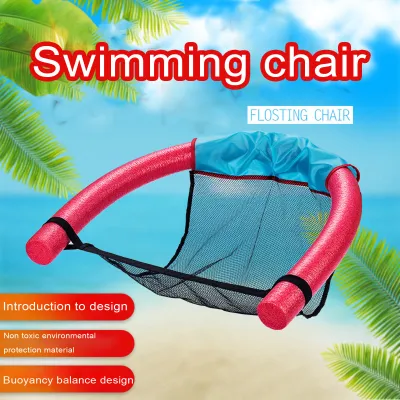
Prices are valid at publication and may change. Please refer to the product page for the latest price.
In contrast, minor specifications such as exact weight in grams or decorative color patterns do not significantly impact buoyancy or training outcomes. While a bright color can assist with visibility in busy public pools, it does not alter the physical performance of the foam.
To select the right gear, you must first establish your primary swimming goal. Aquatic rehabilitation requires highly stable, high-buoyancy support to minimize joint stress. Beginner flotation demands consistent, reliable buoyancy across the torso, while advanced resistance training utilizes smaller, more flexible tubes to isolate specific muscle groups without over-assisting the swimmer.
Matching Size and Shape to Your Skill Level
The physical dimensions of a foam tube directly influence your stability, drag, and range of motion during water workouts. A longer tube with a wider diameter displaces more water, providing maximum stability and keeping more of your body weight afloat. However, this increased size also creates more hydrodynamic drag, which can make active swimming or kicking drills more physically demanding.

Beginners and recreational swimmers generally benefit from larger, standard-sized tubes that offer maximum surface area and continuous support under the arms or chest. This setup allows users to focus on basic kicking techniques and breathing rhythms without worrying about sinking. For advanced swimmers, smaller diameters or shorter lengths are preferable. These compact sizes provide just enough lift to correct body alignment and stroke posture while forcing the core muscles to engage more actively.
Shape variations also play a key role in targeting specific training outcomes. Standard cylindrical tubes are highly versatile for general flotation, under-arm support, and basic water aerobics. Contoured designs, such as ergonomic pull buoys or curved swim tubes, are engineered to fit securely between the thighs or hands. These specialized shapes isolate either the upper or lower body, allowing swimmers to perform targeted pulling or kicking drills with minimal shifting.
Decoding Foam Density and Buoyancy Ratings
Foam density is a critical factor that determines how much weight a tube can support and how rigid it remains under pressure. Most swim tubes are constructed from closed-cell foam, where tiny gas bubbles are permanently sealed within the material. A higher density means more foam material is packed into the same volume, resulting in greater resistance to compression and a higher weight capacity.
Because buoyancy ratings can vary widely between manufacturers, you should always check the product labels for the maximum recommended user weight and specific buoyancy limits. Do not assume that all tubes of the same size offer identical support. A low-density tube may compress significantly under a heavy load, reducing its volume and causing it to sink lower in the water, which compromises your training posture.
Choosing between high-density and low-density foam involves a clear trade-off. High-density foam tubes are highly durable, maintain their shape over years of use, and provide firm, stable support for heavier users or intense resistance exercises. However, they are heavier to transport and stiffer to bend. Lower-density options are lightweight, highly flexible, and often more affordable, but they are prone to bending permanently, tearing, and losing buoyancy over time.
Evaluating Foam Materials and Cover Durability
The core material of a foam tube determines its resistance to water absorption and structural breakdown. Polyethylene (PE) foam is a common, budget-friendly option that offers good flexibility, but it can absorb small amounts of water over time if the outer skin is punctured. Ethylene-vinyl acetate (EVA) foam is a premium alternative known for its high resistance to water absorption, excellent flexibility, and high structural integrity, making it ideal for frequent pool use.
In the Philippines, the combination of strong tropical UV rays and pool chlorine can accelerate material degradation. When shopping, inspect the product specifications for UV-resistant coatings or chlorine-tolerant treatments. Unprotected foam can quickly become brittle, fade, and begin to crumble after only a few months of exposure to the sun and pool chemicals.
Some high-end foam tubes feature a removable protective sleeve or outer fabric cover. If choosing a sleeved model, verify the quality of the seams and the durability of any zippers or fasteners. The cover should be made of quick-drying, chlorine-resistant fabric that fits snugly over the foam core to prevent water from pooling inside the sleeve, which can add unnecessary weight and encourage mold growth.
Essential Safety Checks and Care Instructions
It is vital to remember that foam tubes are designed strictly as training aids and recreational swim gear; they are not life-saving devices or personal flotation devices (PFDs). They should never be used as a substitute for swimming ability, professional instruction, or active supervision. If you are a non-swimmer or are training in deep water, always ensure a certified lifeguard or coach is present, and stay within your personal physical limits.
To maximize the lifespan of your foam tube in a tropical climate, establish a consistent post-swim care routine. Always rinse the tube thoroughly with clean, fresh water after every use to remove chlorine, salt, and pool chemicals. Allow the gear to air-dry completely in a shaded, well-ventilated area. Avoid leaving the tube in direct sunlight, inside a hot car trunk, or in a humid, unventilated bag, as extreme heat can warp the foam and degrade the outer covers.
Perform regular visual inspections before entering the water to ensure your gear remains safe to use. Check for deep cracks, peeling outer coatings, structural warping, or signs of waterlogging, such as the tube feeling unusually heavy or squishy. If the foam begins to crumble or no longer supports your weight properly, retire the tube immediately and replace it to maintain a safe and effective training environment.
Community discussion
Share your experience or ask a question. Comments are reviewed before publication.