
Selecting the perfect ball for football depends on two primary factors: the player’s age and the specific playing surface. Using the wrong size can hinder skill development or cause physical strain, while using a premium match ball on a rough concrete barangay court will quickly ruin your investment. To get the most out of your training and matches, you must match the ball’s physical specifications to your specific playing environment and developmental stage.
Quick Diagnostic: Match Your Age to the Right Football Size
Choosing the correct size is the first step in finding the right equipment. Standard youth and adult leagues use specific sizes to ensure fair play and safe physical development. The table below outlines the standard age recommendations for each football size:
| Age Group | Recommended Football Size | Primary Playing Environment |
|---|---|---|
| Under 8 years old | Size 3 | Backyard, indoor, grass |
| Ages 8 to 12 | Size 4 | Youth pitches, futsal courts, training grounds |
| Ages 12 and up (including Adults) | Size 5 | Standard 11-a-side pitches, turf, grass |
Using an oversized ball can cause joint strain and improper kicking mechanics in youth players. When a ball is too heavy, young players must use excessive force to move it, which often leads to poor habits like kicking with the toe rather than the instep. Conversely, an adult practicing with an undersized ball will struggle with spatial awareness and striking power translation when transitioning back to a standard match ball.
Products mentioned in this guide
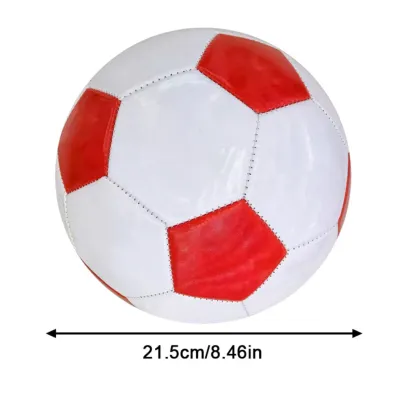
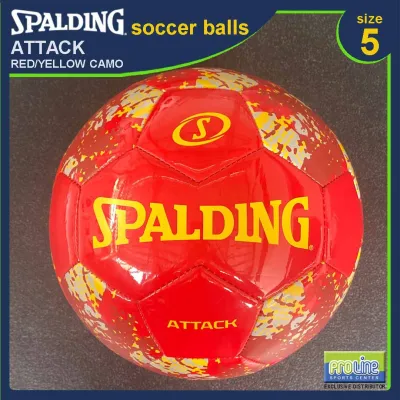
![[SALE] Size 4/5 Soccer Ball Textured Dot Game Ball Teens Soccer Ball Training Football World Cup Football Soccer](https://img.lazcdn.com/g/p/ee988388cdbed3ea3bfc32ef20dbcca6.jpg_400x400q80.jpg_.webp)
![[SALE] Size 4 & 5 Ball Football Soccer Game Ball Outdoor Football World Cup Football Soccer Ball](https://img.lazcdn.com/g/p/32643ec9e1f3b539f05e352495f6555b.jpg_400x400q80.jpg_.webp)
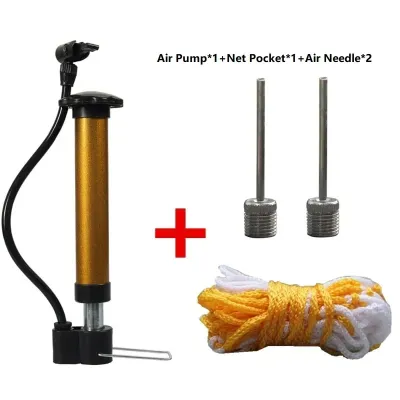
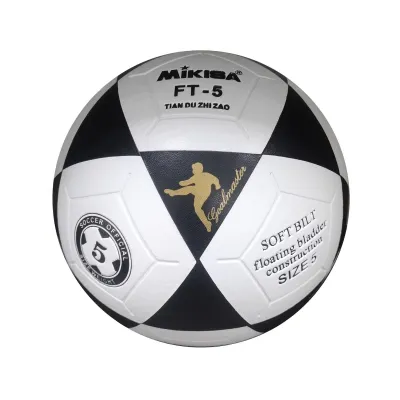
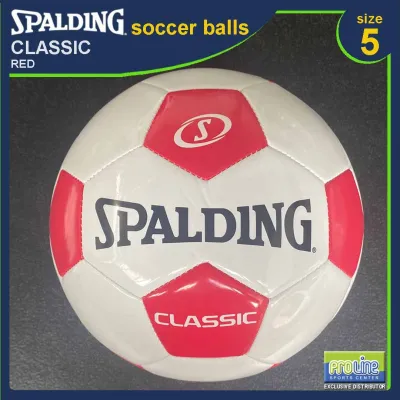
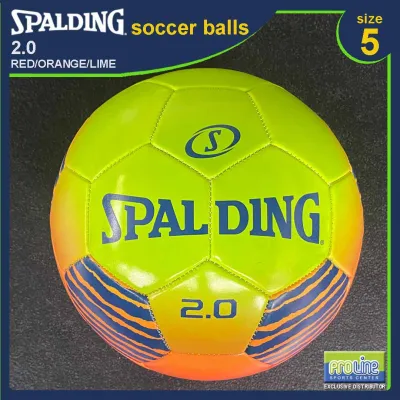
Prices are valid at publication and may change. Please refer to the product page for the latest price.
If you are buying for a growing child near the upper limit of an age bracket, consider their current physical strength and the league rules they play under. Many regional youth leagues in the Philippines transition to larger sizes slightly earlier to prepare players for competitive tournaments. Always verify with local coaches or league coordinators before making a final purchase.
Understanding Football Sizes: Specifications and Skill Level Fit
To understand why these sizes exist, it helps to look at the physical specifications of each ball for football and how they align with a player’s developmental milestones.

Size 3 (Junior/Youth)
A standard Size 3 ball features a circumference of 58.5 to 61 centimeters (23 to 24 inches) and a weight range of 310 to 340 grams. This lightweight profile is engineered specifically for toddlers and young children under eight years old. It allows them to practice basic dribbling, passing, and receiving without the ball feeling like a heavy obstacle, helping build confidence and fundamental motor skills.
Size 4 (Youth/Training)
With a circumference of 63.5 to 66 centimeters (25 to 26 inches) and a weight between 350 and 390 grams, the Size 4 ball is the standard for youth players aged eight to twelve. However, its utility extends beyond youth matches; advanced adult players frequently utilize Size 4 balls for specialized close-control drills. The slightly smaller target area forces players to refine their foot speed and precision, which translates to sharper control when they return to a standard ball.
Size 5 (Adult/Professional)
As the universal standard for players aged twelve and older, a Size 5 ball has a circumference of 68 to 70 centimeters (27 to 28 inches) and weighs between 410 and 450 grams. This is the exact size used in high school, college, amateur, and professional leagues worldwide. Transitioning to this size at the appropriate developmental stage is crucial for developing realistic striking power, understanding ball flight aerodynamics, and preparing for competitive play.
Diagnosing Your Football Type Based on Intended Use
Not all footballs are built the same way. Manufacturers design different models to perform optimally on specific surfaces and in different competitive settings.
Match vs. Training Balls
Match balls are engineered for peak performance on game day, prioritizing optimal flight stability, a soft touch, and superior water resistance. However, these high-performance characteristics often come at the expense of long-term durability on rough surfaces, and they sit in a premium price tier (often exceeding ₱4,000). Training balls, on the other hand, are built for the daily grind. They feature thicker, more resilient outer covers and reinforced bladders designed to withstand hundreds of kicks on various surfaces without losing their shape, making them a cost-effective choice (typically ranging from ₱1,000 to ₱2,500) for regular practice.
Futsal and Indoor Balls
Futsal is highly popular in the Philippines, often played on indoor wooden courts or covered concrete barangay courts. A futsal ball is distinct: though it is roughly the size of a standard Size 4 ball, it is filled with foam or specialized materials to make it significantly heavier and low-bounce. This design keeps the ball on the ground, facilitating the rapid, short-passing game characteristic of futsal. Using a regular outdoor ball on an indoor court leads to uncontrollable bounces and potential safety hazards.
Turf and Street Balls
Playing on artificial turf or concrete asphalt requires a specialized construction. Standard grass balls will quickly scuff, peel, or pop when subjected to the abrasive friction of artificial grass or concrete. Turf-specific balls feature reinforced synthetic covers, while street balls are often wrapped in highly durable rubber or heavy-duty canvas-like materials. If your primary playing venue is a local street, public park, or a concrete court, prioritize an abrasion-resistant street ball to ensure your equipment lasts longer than a few sessions.
Beach and Casual Balls
For casual weekend kicks at the beach or a local park, look for soft-touch, water-resistant balls. These are often constructed with lightweight foam backing or soft TPU covers that are comfortable for barefoot play. They prioritize player comfort over strict aerodynamic performance, ensuring you can enjoy a casual game on the sand without bruising your feet.
Choosing the Right Material and Construction for Your Playing Surface
The tropical climate of the Philippines—characterized by intense heat, high humidity, and sudden heavy downpours—demands careful consideration of a football’s internal and external materials.
Bladder Types (Air Retention vs. Feel)
- Latex Bladders: These offer the softest feel and the highest responsiveness, making them the preferred choice for professional match balls. However, latex is porous and loses air quickly, requiring you to pump the ball before almost every session.
- Butyl Bladders: These offer superior air retention and require minimal maintenance, making them highly practical for casual players and humid tropical environments where temperature fluctuations can cause rapid changes in internal air pressure.
Panel Construction (Waterproofing vs. Durability)
- Machine-Stitched Panels: These are durable and budget-friendly (often under ₱1,000), but the exposed seams can absorb water during rainy-season matches, making the ball heavy and waterlogged.
- Thermally Bonded Seamless Panels: These use heat to fuse the panels together. This creates a completely waterproof barrier that maintains a consistent weight and flight path even on wet, muddy pitches, though they carry a higher price tag.
Surface Verification Before purchasing, always check the manufacturer’s label or product description for specific surface recommendations. Look for explicit designations such as “Natural Grass,” “Artificial Turf,” or “Hard Court.” Using a ball outside its designated environment can void its warranty and dramatically shorten its lifespan.
Signs It Is Time to Upgrade or Replace Your Football
Using worn-out equipment can compromise your training quality and increase the risk of injury. Regularly inspect your equipment for signs of degradation.
Physical Wear Signals
- Peeling or Splitting Panels: Exposed inner layers indicate that the outer protective cover has failed.
- Uneven Bouncing: This suggests that the internal bladder has warped or shifted, ruining the ball's spherical shape.
- Waterlogging: If the ball feels unusually heavy after playing in wet weather, the inner layers have absorbed water, which alters its flight dynamics and increases the risk of foot or ankle strain.
- Valve Leaks: A valve leak that requires you to pump the ball multiple times during a single session indicates that the internal bladder has failed.
Skill and Environment Progression Your equipment should evolve with your playing level. If you are transitioning from casual street kickabouts to organized 11-a-side matches on natural grass or high-quality artificial turf, a heavy rubber street ball will limit your ability to practice advanced passing and shooting techniques. Upgrading to a proper training or match-grade ball will allow you to develop the delicate touch and precise control required for competitive play.
Actionable Next Steps Minor valve leaks can sometimes be temporarily addressed with specialized valve lubricants or sealant kits, but structural deformations, split seams, or severe cover damage cannot be safely repaired. When a ball loses its spherical shape or exhibits deep structural cracks, it must be retired to prevent unpredictable trajectories that could lead to awkward kicks and joint injuries.
Frequently Asked Questions (FAQ)
Can adults use a size 4 football for regular outdoor matches?
While adult players can successfully use a Size 4 ball for specialized close-control drills and foot-speed training, it is not permitted for official adult outdoor matches. Standard adult leagues and competitive matches strictly mandate a Size 5 ball to ensure fair play, proper physical adaptation, and compliance with international football rules.
How often should I pump my football?
The frequency of inflation depends largely on the bladder material. Balls with latex bladders generally require pumping before every single session due to their porous nature, whereas butyl bladders can retain air for several weeks. Always check the manufacturer’s recommended pressure range (typically measured in PSI or Bar) printed directly near the inflation valve, and use a pressure gauge to avoid over-inflation, which can stretch the seams and warp the bladder.
Does the number of panels on a football affect its flight?
Yes, panel construction influences aerodynamics. Traditionally, a standard football featured 32 panels, but modern designs use anywhere from 6 to 30 panels. Fewer panels generally result in fewer seams, creating a smoother surface and more predictable flight path. However, modern manufacturing techniques, such as thermal bonding and aerodynamic surface textures, play a much larger role in flight stability than the raw panel count itself.
Community discussion
Share your experience or ask a question. Comments are reviewed before publication.