
Choosing the right front rack for your bike depends on matching your cargo needs with your bicycle’s frame compatibility and your riding style. Whether you are navigating daily city commutes, carrying groceries, or embarking on long-distance touring, the ideal front rack balances weight distribution, mounting security, and steering stability. Adding cargo capacity to the front of your bicycle keeps your gear accessible and can improve weight distribution when balanced correctly with rear loads.
Before purchasing a front rack for your bike, it is essential to evaluate how you intend to use your bicycle daily. Different rack designs cater to distinct carrying styles, from flat platforms that support wide boxes to low-rider racks designed to hold panniers close to the ground. Selecting the wrong style can lead to awkward handling, frame damage, or an inability to mount your gear securely.
Identify Your Primary Cycling Scenarios and Cargo Needs
To narrow down your choices, start by defining your primary riding activities and the typical gear you carry. Daily commuting in the Philippines often involves navigating busy urban streets, sudden tropical downpours, and varied road surfaces. Commuters typically need to carry laptops, work clothes, and waterproof bags, requiring a rack that can accommodate secure tie-downs or quick-release panniers.
Products mentioned in this guide
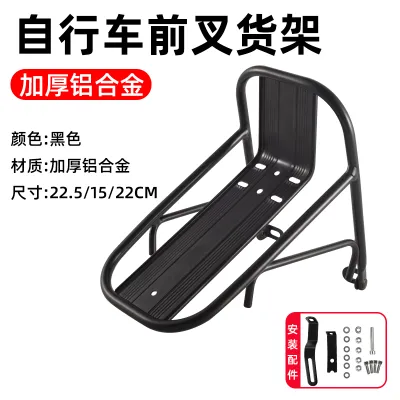
15 Lazada user ratings
Lightweight and durable, Fast shipping service, Secure mounting system, Sturdy aluminum frame, serves its purpose, hope it will last longer.…Read full reviewShow less
Lightweight and durable, Fast shipping service, Secure mounting system, Sturdy aluminum frame, serves its purpose, hope it will last longer. thank you.
The installation was pretty smooth and didn't take much effort.
Lightweight and durable, Perfect
Good quality material,
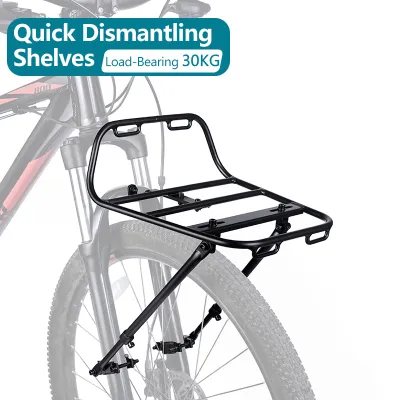
7 Lazada user ratings
Awesome, the product is really good, even better than I expected.
nice good quality
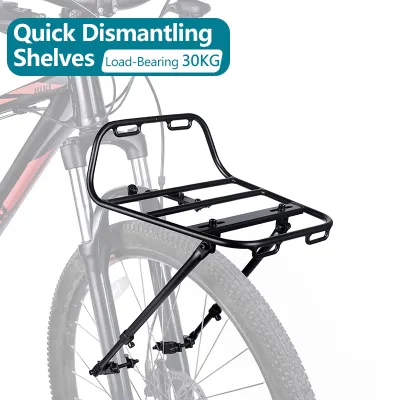
2 Lazada user ratings
The packaging is very good. The material of the items is durable quality.
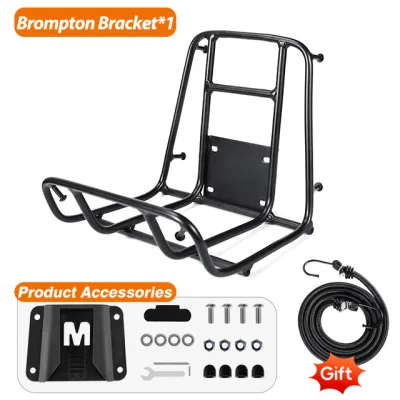
123 Lazada user ratings
Photo not related. Many times order here, they packed it well, very fast delivery. Very recommended, I will order again soon. Thankyou Sleek…Read full reviewShow less
Photo not related. Many times order here, they packed it well, very fast delivery. Very recommended, I will order again soon. Thankyou Sleek black color adds style, Great for long-distance biking trips, Excellent value for the price, One-year warranty for peace of mind,
Sleek black color adds style, Sturdy aluminum alloy material, Great for long-distance biking trips, Securely holds items in place, Provides …Read full reviewShow less
Sleek black color adds style, Sturdy aluminum alloy material, Great for long-distance biking trips, Securely holds items in place, Provides ample space for luggage, One-year warranty for peace of mind, Excellent value for the price, Convenient and easy to install,
late posting gayun pa man salamat parin at malaking baGay para sa ak8n ma6 Nagagamit akong Maasahan sa biyahe koh.
Received the item... quality is okay, it's beautiful, and delivery was fast despite it being right during Tet.
maganda at maayos.. bobili uli
Prices are valid at publication and may change. Please refer to the product page for the latest price.
For grocery runs and local errands, cargo needs shift toward bulky, fragile, or awkwardly shaped items. Carrying fresh produce, eggs, or large containers requires a stable, flat surface where items can remain upright and visible while riding. A front-loading setup allows you to keep an eye on your cargo, ensuring nothing shifts or falls out during your journey.
If your goals lean toward bikepacking or long-distance touring, your cargo needs will focus on heavy, balanced loads. Touring cyclists must carry camping gear, tools, and clothing over long distances and rough terrain. For these scenarios, keeping the weight low to the ground is critical to maintaining steering control and preventing frame flex on steep climbs or fast descents.
Match Rack Styles to Your Riding Activities
The geometry of a front rack directly influences how your bicycle handles when loaded. Placing weight over or in front of the front axle changes the steering dynamics, making the bike feel more stable at high speeds but sometimes sluggish at low speeds. While some riders prefer a highly specialized rack, others look for cross-scenario versatility, hoping a single rack can handle both weekday grocery runs and weekend touring adventures.

Platform Racks for Commuting and Errands
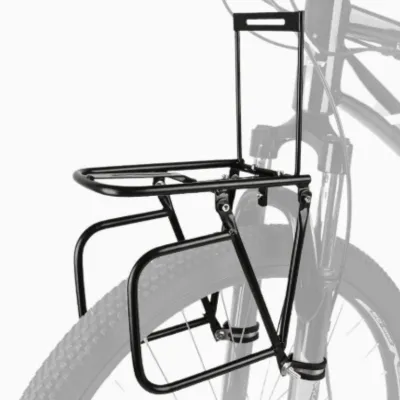
Platform racks, often referred to as porteur racks, feature a wide, flat top surface positioned over the front wheel. This design is highly versatile for securing boxes, backpacks, or large, flat packages that do not fit easily into standard bags. The wide surface area provides excellent support for bulky items, making them a favorite for urban commuters who carry diverse cargo from day to day.
To get the most out of a platform rack, look for models with integrated slots or rails for bungee cords and cargo nets. This compatibility allows you to secure loose items quickly without needing specialized bags. When riding in city traffic, distribute the weight evenly across the platform to prevent the bike from pulling to one side. Additionally, always check the clearance between the platform and your handlebars to ensure your brake levers and shifters can move freely without hitting your cargo.
Basket-Style Racks for Quick Urban Trips
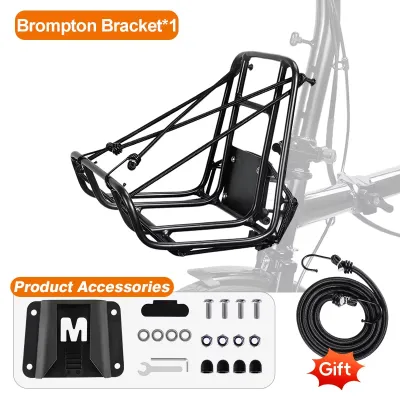
Basket-style racks integrate a deep wire or mesh basket directly onto the rack frame, offering convenience for casual rides and quick trips. Instead of spending time strapping down bags or packing panniers, you can simply drop your backpack, tote bag, or loose items directly into the basket and ride away. This makes them highly practical for short grocery runs or casual social rides.
The primary advantage of a basket is that it keeps your belongings fully visible and within arm’s reach while riding. However, because baskets position the cargo higher up on the front wheel, they have a higher center of gravity. It is important to respect the manufacturer’s weight limits, as carrying heavy items high on the fork can make steering feel floppy and unstable, especially when starting from a complete stop.
Low-Rider Racks for Touring and Bikepacking
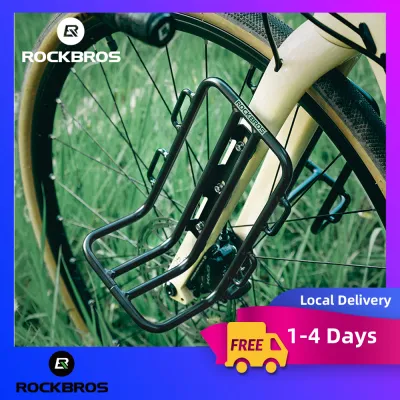
Low-rider racks are designed specifically for long-distance touring and rough-terrain bikepacking. Unlike platform or basket racks, low-riders position the mounting rails low on the fork blades, placing the center of gravity of your panniers close to the front axle. This low positioning minimizes the leverage the cargo has on your steering, resulting in a stable ride even when carrying heavy gear.
These racks are designed to work seamlessly with standard bicycle panniers, which clip securely onto the side rails. By keeping the weight low and close to the steering axis, low-rider racks improve handling on gravel roads, dirt trails, and steep descents. Before choosing a low-rider rack, verify that your bicycle’s fork has the necessary mid-blade eyelets required to bolt the rack securely into place.
Check Bike Compatibility and Mounting Requirements
Before purchasing any front rack for your bike, you must verify that your bicycle’s frame and fork can safely support the rack and its intended load. Start by inspecting your front fork for mounting eyelets. Standard front racks typically require lower eyelets near the wheel dropouts and either mid-blade eyelets or a crown mount near the top of the fork. If your fork lacks these threaded holes, you may need to look for specialized racks that mount directly to the axle or use secure clamp-on adapters.
Suspension forks present a unique challenge, as the moving lower legs prevent the installation of standard rigid racks. If you ride a mountain bike with front suspension, you must look for racks specifically designed for suspension forks, which often mount to the lower legs using heavy-duty straps or clamp systems, or choose an axle-mounted design. Never attempt to clamp a standard rigid rack to a suspension fork, as this can bind the suspension mechanism and cause a crash.
Cable routing and brake clearance are also critical compatibility factors. A front rack or its cargo can easily pinch, bend, or rub against your brake hoses and derailleur cables, leading to poor shifting or compromised braking performance. Ensure there is sufficient space between the rack frame and your cables, or plan to reroute your cables to prevent interference. Finally, verify the rack’s compatibility with your wheel size and axle-to-crown distance, as racks designed for smaller wheels may not clear a 29-inch or 700c tire.
Evaluate Weight Limits and Material Durability
Understanding weight limits is essential for both safety and the longevity of your bicycle. Every front rack comes with a manufacturer-specified maximum load capacity, but you must also consider the weight limit of your bicycle’s fork. The fork’s structural limit is often lower than the rack’s capacity, especially on lightweight touring or gravel bikes. Always adhere to the lower of the two weight limits to prevent catastrophic fork failure.
Material choice plays a significant role in durability, especially in humid climates like the Philippines. Steel racks offer exceptional strength, durability, and a classic aesthetic. If a steel rack suffers damage or bends during a long trip, it can often be cold-set or welded back into shape. However, steel is susceptible to rust if the protective paint or powder coating gets scratched, requiring regular maintenance in wet environments.
Aluminum racks provide a lightweight, rust-resistant alternative that performs exceptionally well in humid and coastal areas. While high-quality aluminum racks are sturdy, they cannot be easily repaired if they crack or break under stress. When evaluating build quality, inspect the welds for consistency and check the thickness of the tubing. High-quality hardware, such as stainless steel bolts and nylon-locking nuts, is a good indicator of a durable rack that will not rattle loose over rough roads, with replacement hardware kits often costing around ₱300 to ₱800.
Frequently Asked Questions (FAQ)
Can I install a front rack on a carbon fork?
Installing a front rack on a carbon fiber fork requires extreme caution. Carbon fiber is highly sensitive to clamping forces and localized stress, and standard clamp-on racks can easily crush or crack the carbon tubes. Always consult your bicycle or fork manufacturer’s manual to determine if the fork is rated for rack installation. If the fork features integrated, threaded metal eyelets, use only racks and hardware approved by the manufacturer, and always use a torque wrench to avoid overtightening the mounting bolts. For carbon forks without eyelets, consider specialized axle-mounted rack systems that transfer the load directly to the front axle rather than clamping onto the carbon blades.
Will a front rack affect my bike's steering?
Yes, adding weight to the front of your bicycle will noticeably alter its steering and handling characteristics. Heavy loads positioned high on the fork can make the steering feel heavy, slow to respond, or prone to flopping to one side when parked or moving at low speeds. To maintain control, focus on balanced weight distribution, keeping the load centered and equal on both sides of the wheel. You may also need to adjust your front tire pressure slightly higher to support the extra weight and prevent tire squirm. Before riding in busy traffic or on challenging terrain, practice riding, turning, and braking with a loaded rack in a safe, open area to get accustomed to the altered handling.

Community discussion
Share your experience or ask a question. Comments are reviewed before publication.