
Selecting the right futsal ball depends on your playing surface, training frequency, and competitive level. Unlike standard footballs designed for large grass fields, futsal balls are engineered specifically for tight spaces, hard floors, and rapid, floor-based passing. Choosing the wrong type can lead to erratic bounces, poor control, and accelerated wear on your gear. By matching the ball’s construction, material, and bounce profile to your specific playing environment, you can elevate your skill development and ensure your equipment lasts.
Understanding Core Futsal Ball Specifications
To choose the right ball, you must first understand what makes a futsal ball unique. Standard futsal balls are designated as Size 4, which is smaller than the typical Size 5 ball used in traditional outdoor football. Despite the smaller diameter, a futsal ball weighs roughly the same as a standard football, ranging between 400 and 440 grams. This deliberate design keeps the ball close to the ground, facilitating the rapid, short-passing game that defines futsal.
The defining characteristic of any futsal ball is its low-bounce construction. Manufacturers achieve this reduced rebound by filling the inner bladder with soft materials, such as synthetic fibers or specialized foam. When the ball strikes a hard indoor surface, this internal filling absorbs the impact energy, preventing the high, unpredictable bounces typical of outdoor balls. This low-bounce behavior is essential for maintaining close control with the sole of your foot in confined spaces.
Products mentioned in this guide
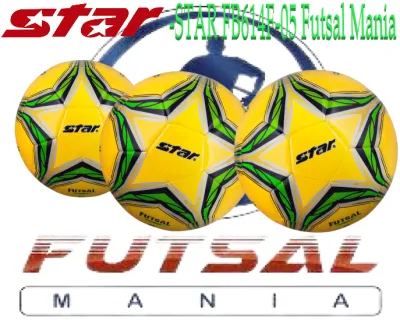
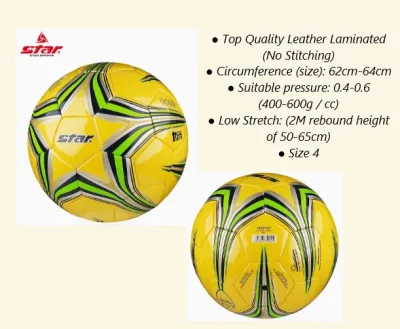
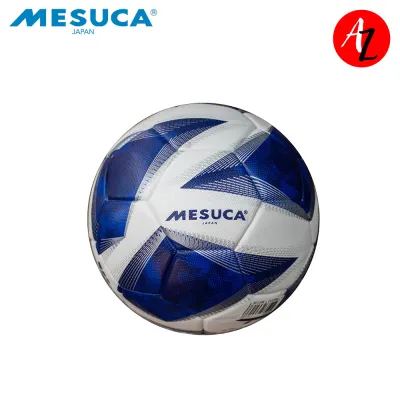
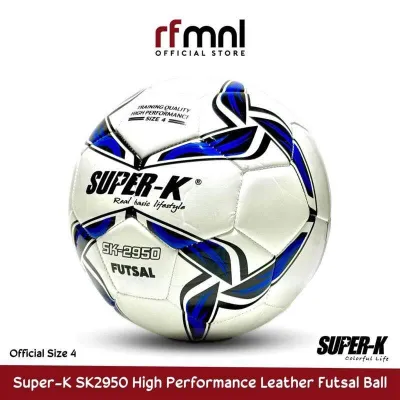
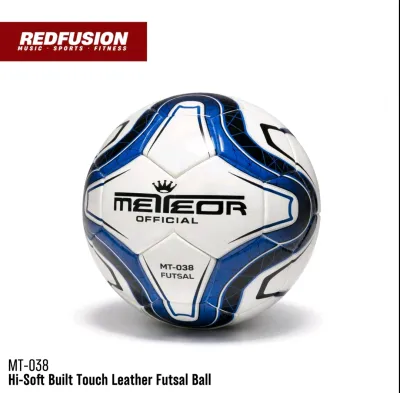
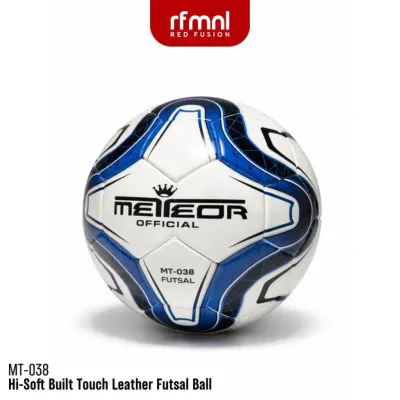
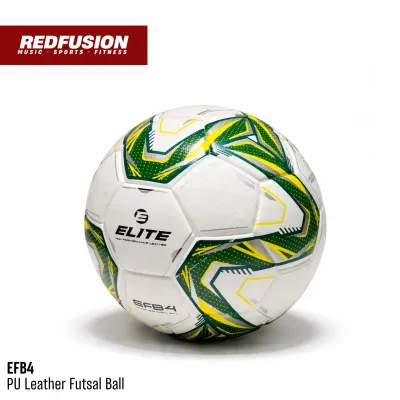
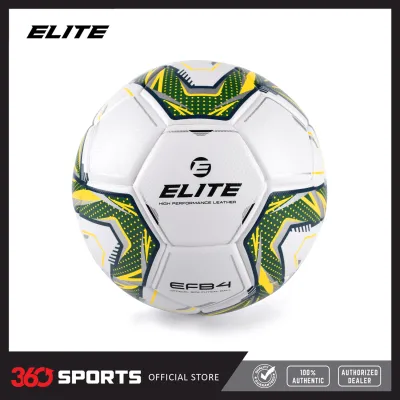
Prices are valid at publication and may change. Please refer to the product page for the latest price.
When evaluating a ball, always check the product label or packaging for the bladder type. Butyl bladders are highly common because they offer exceptional air retention, meaning you will not need to inflate the ball before every session. However, they can feel slightly stiff. Latex bladders, on the other hand, provide a much softer touch and more responsive feel, but they tend to lose air pressure more quickly and require regular pumping.
Choosing a Futsal Ball for Training and Skill Development
Training sessions demand a ball that can withstand high-repetition drills, heavy impacts, and abrasive surfaces. If you are practicing on rough indoor courts or outdoor concrete surfaces, durability should be your primary concern. Look for training balls constructed with a thick thermoplastic polyurethane (TPU) or textured polyurethane (PU) outer casing. These materials resist scuffs and tears, ensuring the ball maintains its structural integrity through hours of passing and shooting drills.

Surface texture plays a critical role in skill development. A slightly textured or embossed outer cover provides the necessary grip for practicing close-control maneuvers, such as sole-of-the-foot rolls and quick directional changes. This added friction helps players develop muscle memory and precise touch, which are crucial for navigating tight defensive spaces during a match. Avoid completely smooth, glossy casings for training, as they can become slippery when exposed to dust or sweat on the court.
Shape retention is another vital factor to verify on the manufacturer’s specification sheet. High-quality training balls feature multiple backing layers made of polyester and cotton blends sandwiched between the bladder and the outer cover. These layers reinforce the ball, preventing it from warping or becoming egg-shaped after repeated high-velocity impacts against walls or hard goals. A ball that loses its perfect sphere will roll unpredictably, hindering your ability to practice accurate passing.
Selecting a Futsal Ball for Casual Play and Recreation
For weekend pickup games and casual recreation, your main goal is to find a versatile, cost-effective ball that offers a comfortable playing experience. You do not need to invest in premium, tournament-grade equipment for relaxed matches. Instead, focus on finding a mid-range ball that balances affordability with reliable low-bounce performance. This ensures your casual games still feel like authentic futsal without breaking your budget.
In many recreational settings, games transition fluidly between indoor wooden gym floors and outdoor concrete covered courts. If you frequently play on these multi-surface environments, look for a ball explicitly labeled for multi-surface or hard-court use. These versatile balls feature slightly tougher outer casings that can handle the abrasive nature of concrete without immediately peeling, while still performing beautifully on smoother indoor surfaces.
Comfort is also key during long, unstructured recreational sessions. Balls with a soft outer cover, often backed by a thin layer of foam, are highly recommended for casual players. This cushioned construction reduces the sting on your feet and shins when blocking shots or receiving hard passes. It also helps prevent foot fatigue, allowing you to play longer and enjoy the game without unnecessary physical discomfort.
Picking an Official Match Futsal Ball for Competitive Games
When preparing for official league matches or competitive tournaments, the criteria for selecting a ball become much stricter. Competitive play requires absolute consistency in flight, bounce, and roll. To ensure you are buying a ball that meets these standards, look for official certification marks printed directly on the casing, such as the FIFA Quality Pro stamp or equivalent regional tournament approvals. These marks guarantee the ball has passed rigorous testing for weight, water absorption, roundness, and bounce height.
The construction of a match ball is significantly more advanced than that of a training ball. Premium match balls often utilize thermal bonding technology, where the panels are glued together using heat rather than stitched. This seamless construction prevents water absorption, ensures a perfectly aerodynamic sphere, and provides a highly predictable rebound. Alternatively, high-grade hand-stitched balls with deep seams offer excellent durability and a classic, responsive feel preferred by many competitive players.
Because match balls are engineered for peak performance, they use premium, softer polyurethane materials that are highly sensitive to rough surfaces. Using a competitive match ball on outdoor concrete or asphalt will quickly ruin the outer casing and compromise its aerodynamic properties. To preserve your investment, reserve these high-end balls strictly for polished wooden courts, smooth vinyl floors, or high-quality indoor synthetic turf.
Cross-Scenario Compatibility: Can One Ball Do It All?
If you want a single futsal ball that can transition smoothly from intense weekday training to competitive weekend matches, look toward the mid-tier or “match replica” category. These balls are designed to mimic the feel and flight characteristics of premium match balls while utilizing slightly more durable, cost-effective materials. They offer a practical compromise, giving you a high-quality touch during practice without the delicate nature of a top-tier tournament ball.
However, using a single ball across different scenarios always involves trade-offs. If you use a heavy-duty, abrasion-resistant training ball in an official match, players may find it feels too stiff, heavy, or sluggish, which can slow down the pace of the game. Conversely, taking a premium, thermally bonded match ball to a rough concrete court for a casual practice session will likely scuff the outer layer and damage the seams within a few hours, rendering an expensive piece of equipment unusable for future matches.
To determine if a specific ball fits your multi-scenario needs, use this quick verification checklist before making your purchase:
- Surface Check: Does the manufacturer's label explicitly state the ball is suitable for your primary playing surface (e.g., indoor wood, concrete, or turf)?
- Construction Check: Are the panels thermally bonded for water resistance and true flight, or stitched for rugged durability on hard courts?
- Bounce Check: Is the ball clearly labeled as "low-bounce" or "futsal-specific" to avoid the high rebound of a standard football?
- Bladder Check: Does it feature a butyl bladder for low-maintenance air retention, or a latex bladder for a softer, match-ready touch?
Frequently Asked Questions (FAQ)
Can I use a regular football for futsal practice?
Using a regular outdoor football for futsal is highly discouraged due to safety risks and skill-development limitations. Regular footballs are designed for grass and have a high bounce, which makes them incredibly difficult to control on hard indoor surfaces. The high rebound causes the ball to fly off the court constantly, disrupting the flow of practice. Furthermore, the hard, fast-moving nature of a standard football on concrete or wood increases the risk of ankle sprains and joint strain when players attempt to trap or stop it.
How do I maintain the air pressure and shape of my futsal ball?
To extend the lifespan of your futsal ball, always check the recommended inflation pressure (measured in PSI) printed near the valve. Over-inflating the ball can stretch the seams and warp its shape, while under-inflation ruins the low-bounce performance. When inflating, always moisten the pump needle with a drop of glycerin or soapy water to avoid damaging the valve. Store your ball in a cool, dry place away from direct sunlight, as extreme heat and humidity can degrade the internal bladder and cause the outer panels to peel.
Does the court surface change which futsal ball I should buy?
Yes, the court surface is one of the most important factors in your decision. Polished wooden gym floors and smooth vinyl courts are non-abrasive, allowing you to use premium, soft-cover match balls without worrying about immediate wear. However, if you play on concrete covered courts or rough synthetic turf, you must choose a ball with a highly durable, abrasion-resistant casing, such as thick TPU. Always check the manufacturer’s packaging for specific surface compatibility warnings to ensure the ball is rated for the friction of your local court.
Community discussion
Share your experience or ask a question. Comments are reviewed before publication.