
To choose the right galonggong lure for your target fish in the Philippines, you must match the lure’s weight, profile, and action to the specific species you want to catch and the depth at which they feed. Schooling species like round scad (locally known as galunggong) require ultra-light micro jigs or small casting spoons weighing between 3 and 15 grams that mimic tiny baitfish. Larger pelagic or reef predators, such as giant trevally or grouper, demand heavier, reinforced lures that can reach greater depths and withstand violent strikes.
By understanding how local water conditions, current strengths, and target behaviors interact, you can select a lure that consistently triggers aggressive feeding responses. Transitioning from generic fishing tackle to a specialized setup allows you to present your bait naturally, whether you are casting from a rocky shoreline in Batangas, jigging over a deep drop-off in Romblon, or exploring the rich waters of Sarangani Bay.
What Is a Galonggong Lure and How Does It Work?
In the Philippine angling community, the term “galonggong lure” describes a specific class of highly effective artificial baits designed to target schooling pelagics and predatory species. While “galunggong” refers to the ubiquitous round scad, a staple food fish across the archipelago, a galonggong lure is not a single proprietary design. Instead, it encompasses a versatile family of micro metal jigs, small casting spoons, and slim-profile asymmetric lures engineered to mimic the rapid, darting flight of tiny baitfish.
Products mentioned in this guide
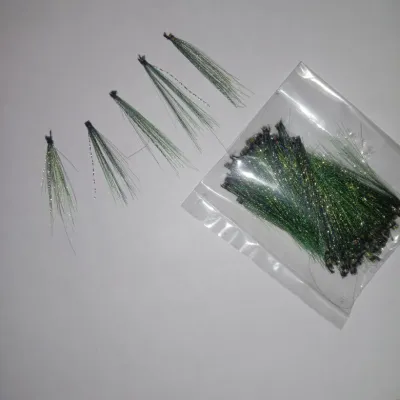
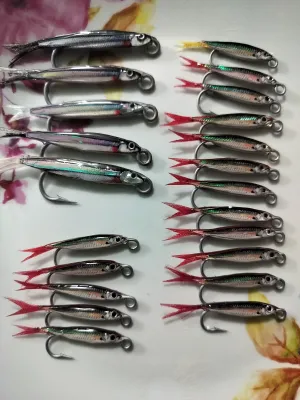
Prices are valid at publication and may change. Please refer to the product page for the latest price.
These lures operate on the principle of visual and lateral-line stimulation. When cast or dropped through the water column, their metallic bodies catch the tropical sunlight, creating a high-frequency flash that mimics the scales of a panicked anchovy or sardine. The physical shape of the lure dictates its movement, causing it to flutter erratically as it sinks or wobble tightly during a steady retrieve.
Predatory fish are highly attuned to these subtle vibrations and sudden flashes. In the warm waters of the Philippines, competition among schooling predators is fierce, meaning a well-presented lure often triggers an instinctive, competitive strike before the fish can inspect the offering closely. Matching the profile of your lure to the local “hatch”—the specific size and shape of the dominant baitfish in the area—is critical for convincing wary fish to bite.
However, success on the water requires a realistic outlook. No single artificial lure can guarantee a catch on every outing, as fish behavior is heavily influenced by tidal movements, water temperature, and lunar cycles. Achieving consistent results requires combining the correct lure selection with precise presentation techniques, localized knowledge, and a solid understanding of your target species’ feeding habits.
Matching Lure Size and Weight to Your Target Species
Selecting the appropriate size and weight for your lure is a balancing act between casting requirements, water depth, and target species anatomy. A lure that is too light will fail to reach the strike zone in strong coastal currents, while an excessively heavy lure will sink too quickly, bypassing the active feeding zone and risking expensive snags on shallow coral reefs. Anglers must evaluate the physical environment and the target species before tying on a specific weight.

The weight of a metal jig directly influences its casting distance and sink rate. In deep water or areas with swift tidal currents, heavier lures are essential to cut through the moving water and maintain vertical presentation. Conversely, in calm, shallow bays, lighter lures allow for a slower, more natural fall that keeps the bait in the strike zone longer.
Before purchasing any lure, always verify the manufacturer’s specifications regarding the pre-installed hooks. The hook size must match the mouth gape of your target species; a hook that is too large will prevent smaller fish from getting hooked, while a hook that is too small or weak will bend open under the pressure of a larger predator. Inspecting the wire gauge of the hook ensures it is robust enough for your intended catch.
When transitioning from shallow sandy flats to deep drop-offs, adjusting your lure weight is necessary to maintain control. In shallow waters, a 3-gram to 7-gram jig provides a delicate presentation that will not spook easily startled fish. As you move toward deeper reef edges or drop-offs exceeding ten meters, scaling up to 15-gram or 28-gram profiles ensures you can feel the lure’s action and detect subtle bites even in deep water.
Targeting Small Schooling Fish (e.g., Galunggong, Small Trevally)
When targeting smaller schooling species like galunggong, mackerel, or juvenile trevally (talakitok), your gear must scale down accordingly. These fish feed primarily on micro-zooplankton, larval fish, and tiny glass shrimp, meaning large lures will simply scare them away. Micro jigs and spoons ranging from 3 grams to 10 grams are highly effective because they perfectly replicate this miniature forage.
Because these schooling species have relatively small, delicate mouths, standard treble hooks can cause excessive tissue damage or fail to hook the fish securely. Equipping your micro lures with small, single assist hooks dressed with a hint of tinsel or glowing fiber is highly recommended. These lightweight hooks swing freely, inhaling easily into the fish’s mouth when it strikes, resulting in a more secure hookup and easier, safer releases.
Reaching the school quickly is vital when these fish are actively feeding in mid-water columns. A slim, dense micro jig sinks rapidly through the surface wind drift, allowing you to intercept the school before the current pushes your line out of position. Once the jig reaches the desired depth, a fast, rhythmic retrieval keeps the lure dancing directly in the path of the feeding school.
Targeting Larger Predators (e.g., Giant Trevally, Grouper, Snapper)
When your sights are set on larger, hard-fighting predators like lapu-lapu (grouper), mangagat (snapper), or mature giant trevally, you must scale up both the size of your lure and the strength of your terminal tackle. These species are opportunistic ambush predators that feed on larger baitfish, crabs, and squid. Lures in the 20-gram to 40-gram range provide the substantial profile and rapid sink rate needed to grab their attention.
Maintaining bottom contact is crucial when targeting reef-dwelling species like lapu-lapu, which rarely venture far from their rocky shelters. A heavier jig allows you to bounce the lure directly off the seafloor, sending shockwaves through the water that draw predators out of their caves. However, this style of fishing demands extreme gear durability to prevent sudden breakages during intense, close-quarters battles.
To survive the crushing jaw pressure and violent head shakes of large reef fish, you must upgrade the structural components of your lure. Replace standard factory split rings with heavy-duty, forged stainless steel alternatives, and swap out thin-wire hooks for thick, high-carbon steel single hooks. While these heavy-duty upgrades add weight, they ensure that your connection to a trophy fish remains secure throughout the fight.
Care must be taken not to over-size your hooks, as excessively heavy hardware can deaden the delicate fluttering action of smaller metal profiles. If a hook is too heavy, it acts as a keel, preventing the jig from sliding, tumbling, or flashing naturally as it falls. Finding the correct balance between hook strength and lure action is a skill that comes with experience and careful on-water testing.
Choosing Colors and Finishes for Local Water Conditions
The color and finish of your galonggong lure play a major role in how visible it is to predatory fish under varying environmental conditions. In the tropical waters of the Philippines, water clarity can change rapidly due to coastal runoff, seasonal monsoons (habagat and amihan), and tidal stir-ups. Selecting the right aesthetic profile ensures your lure stands out or blends in appropriately.
Under clear, sunny conditions in pristine offshore waters, the “match the hatch” rule should guide your selection. Natural, highly reflective finishes like silver, chrome, pearl white, and translucent blue or green are highly effective. These colors mimic the natural camouflage of local baitfish, reflecting the bright tropical sunlight and creating realistic flashes that fish can see from a distance.
When fishing in muddy, turbid water after a heavy downpour, or when targeting deep structures where sunlight cannot penetrate, natural colors lose their effectiveness. In these low-visibility scenarios, transition to high-contrast colors such as chartreuse, bright pink, or lures featuring glow-in-the-dark (luminous) paint accents. A luminous belly strip or a fully glowing jig body can be a game-changer when fishing at dawn, dusk, or in water deeper than twenty meters.
Reflective finishes come in several textures, each offering a distinct visual signature under the water. Holographic finishes scatter light in a rainbow spectrum, mimicking the iridescent sheen of a panicked sardine, while hammered metal finishes produce a multi-directional, scattered flash that works well in choppy surface waters. Matte or painted finishes provide a more subtle, solid silhouette, which is often preferred when target fish are highly pressured and easily spooked by intense glare.
Regardless of the color you choose, always inspect the quality of the lure’s protective clear coat before heading out. The abrasive nature of saltwater, combined with contact with sharp teeth and rocky sea bottoms, can quickly chip away cheap paint jobs. Opting for lures with multi-layered epoxy coatings or durable foil finishes ensures your investment continues to catch fish long after its first encounter with a predator’s teeth.
Recommended Galonggong Lure Profiles by Target Species
To maximize your success on the water, it is helpful to categorize your lures by their physical shape and swimming characteristics. Different lure profiles are engineered to behave uniquely in the water column, making some shapes highly effective for fast surface chases and others superior for deep, vertical jigging. Understanding these structural differences allows you to adapt your approach to the specific species you are targeting.
| Lure Profile | Shape Characteristics | Ideal Water Depth | Primary Retrieval Method | Target Species |
|---|---|---|---|---|
| Slim Asymmetric Jig | Long, thin, flat on one side | Mid-water to deep | Fast, erratic jerks | Galunggong, Mackerel, Tuna |
| Teardrop Spoon | Wide body, curved profile | Shallow to mid-water | Slow retrieve with pauses | Small Trevally, Snapper |
| Center-Weighted Jig | Symmetrical, thick middle | Deep reef structures | Slow-pitch vertical jigging | Lapu-Lapu (Grouper), Snapper |
| Streamlined Casting Jig | Dense, bullet-shaped | Surface to mid-water | Ultra-fast steady retrieve | Giant Trevally, Queenfish |
Always verify the material composition of your metal lures before fishing in protected marine sanctuaries or local municipal waters. While lead remains the most common and affordable material, some regions encourage or require the use of non-toxic alternatives like zinc or tungsten. Tungsten lures, though more expensive, offer a much higher density than lead, allowing for a smaller profile that sinks faster and casts further in windy conditions.
Best Profiles for Galunggong (Round Scad) and Surface Schoolies
For targeting surface-schooling species like galunggong and small mackerel, slim, asymmetrical micro jigs are highly effective. These lures feature a slender, aerodynamic profile that cuts through the air for long-distance casts, allowing you to reach distant schools without spooking them with your boat or physical presence. The asymmetrical design causes the lure to wobble and dart unpredictably when retrieved rapidly.
Small teardrop-shaped casting spoons also perform exceptionally well when the fish are feeding lazily near the surface. The wide, curved body of a spoon catches the water, creating a pronounced, slow-fluttering action that keeps the lure in the upper water column even during a slower retrieve. This erratic, wounded-baitfish motion is highly effective at triggering strikes from fish that are hesitant to chase faster lures.
However, a notable limitation of these lightweight, high-surface-area profiles is their vulnerability to environmental factors. Strong onshore winds or heavy surface currents can easily blow lightweight spoons and slim micro jigs off course, making accurate casting difficult. In such conditions, you may need to increase your lure weight slightly or transition to a denser, more streamlined profile to maintain control.
Best Profiles for Bottom-Dwelling Predators (Lapu-Lapu, Grouper)
When targeting bottom-dwelling ambush predators like lapu-lapu (grouper) and various snapper species, center-weighted or rear-weighted symmetrical jigs are the top choice. These profiles are designed to sink rapidly and vertically, allowing you to target specific holes, crevices, and structures on the reef floor. Their symmetrical shape ensures a stable, predictable descent that minimizes the chance of line tangles during the drop.
As the jig falls, a slow-pitch jigging motion—lifting the rod tip slowly and letting the lure flutter down on a semi-slack line—triggers violent reaction strikes from predators hiding in the rocks. The slow, wide flutter mimics a dying baitfish drifting down to the reef, making it an easy meal that reef predators find difficult to resist.
Because these species live in close proximity to sharp coral and jagged rocks, the risk of snagging your gear is extremely high. To minimize lure loss and protect the delicate marine environment, avoid using treble hooks, which easily catch on coral branches. Instead, rig your jigs with a single assist hook attached to the top eyelet, which rides upward during retrieval and significantly reduces the likelihood of snagging the substrate.
Best Profiles for Fast-Moving Pelagics (Trevally, Tuna)
For fast-moving, aggressive pelagic species like giant trevally, skipjack tuna, and queenfish (talang-talang), you require heavy, highly streamlined metal jigs. These lures are engineered with a rear-weighted, bullet-like profile that minimizes air resistance, enabling exceptionally long casts even into strong headwinds. Their dense construction allows them to maintain a stable, straight-tracking action when retrieved at high speeds.
These pelagic predators hunt by chasing down fast prey, so your retrieval speed must match their frantic pace. A streamlined jig can be ripped through the surface water without flipping over or blowing out of the water, creating a bubble trail and flash that drives schooling predators into a feeding frenzy.
The hardware on these lures must be incredibly robust to withstand the initial impact of a high-speed strike. Ensure your jigs are rigged with heavy-duty solid rings, thick split rings, and forged, corrosion-resistant hooks. While these heavy, streamlined profiles excel in open water, they are generally less effective for delicate, slow-paced presentations in shallow, calm sandy flats where fish have more time to inspect the lure.
Essential Rigging and Retrieval Techniques
Properly rigging your galonggong lure is just as important as choosing the right color or weight. A poorly rigged lure will have restricted movement, twist your fishing line, and fail to secure a solid hookset when a fish strikes. To optimize your presentation, always use high-quality terminal tackle, including stainless steel split rings, solid rings, and ball-bearing swivels.
Connecting your main line to a fluorocarbon leader using a strong, low-profile knot like the FG knot is highly recommended. The fluorocarbon leader provides essential abrasion resistance against sharp rocks, coral, and fish teeth, while remaining virtually invisible underwater. Connect the leader directly to a solid ring, which is then connected to the lure via a heavy-duty split ring; this configuration prevents line twist and allows the lure to swing and flutter with complete freedom.
The assist hook setup is the standard configuration for modern metal jigs. Instead of attaching a hook to the tail of the lure, one or two single hooks are tied to a short length of braided assist cord and looped onto the top solid ring. This setup ensures that the hook points remain near the head of the lure, which is where predatory fish typically target when they strike. It also prevents the hooks from dragging along the bottom, reducing snags.
To get the most out of your galonggong lure, master these three fundamental retrieval techniques:
- The Fast Erratic Retrieve: Cast your lure out, let it sink to the desired depth, and retrieve it rapidly while executing short, sharp upward jerks with your rod tip. This technique is ideal for surface-schooling species like galunggong and mackerel, as it mimics a panicked baitfish fleeing for its life.
- The Lift and Fall: Drop your jig vertically to the bottom or mid-water, lift your rod tip smoothly by about one meter, and then lower it to let the lure flutter down on a semi-slack line. Repeat this motion rhythmically to target mid-water predators and suspended schools.
- The Bottom Bounce: Let your jig sink completely to the seafloor, lift it sharply to create a puff of sand, and let it settle back down. This technique is highly effective for drawing the attention of bottom-dwelling species like lapu-lapu and snapper.
Safety should always be your top priority when handling metal lures and sharp hooks on the water. When casting heavy metal jigs, ensure your surrounding area is clear of other anglers, as a flying jig can cause severe injury. Always use long-nosed fishing pliers to unhook fish, keeping your hands well away from thrashing fish and sharp hook points. Wearing protective fishing gloves provides a better grip and shields your hands from sharp gill plates, fins, and teeth.
Frequently Asked Questions (FAQ)
Can I use a galonggong lure in freshwater lakes?
Yes, you can highly effectively use galonggong lures, such as micro jigs and small metal spoons, in freshwater environments. These lures work exceptionally well for targeting predatory freshwater species like peacock bass, snakehead (dalag), and large tilapia. Because freshwater fish often feed on small minnows and fry, the flashing, fluttering action of a small metal lure mimics their natural prey perfectly. When transitioning your gear from saltwater to freshwater, always rinse your lures, hooks, and terminal tackle thoroughly in clean freshwater to prevent rust and corrosion from residual salt.
What is the best rod and reel setup for these lures?
The ideal setup for casting lightweight galonggong lures is a light to medium-light spinning rod, measuring between 6 feet 6 inches and 7 feet 6 inches, with a fast-action tip. This fast tip allows you to cast lightweight jigs long distances and easily detect subtle, sensitive bites. Pair this rod with a 1000 to 2500-size spinning reel featuring a high gear ratio (5.0:1 or higher) to quickly retrieve slack line during active jigging. Spool your reel with thin, low-stretch braided line (PE 0.6 to PE 1.0) and attach a 10-to-15-pound fluorocarbon leader to provide excellent abrasion resistance against underwater structures and sharp fish teeth.
Community discussion
Share your experience or ask a question. Comments are reviewed before publication.