
Why Your Glock Mag Base Pad Matters
Selecting the right Glock mag base pad depends heavily on your primary shooting style. While a standard factory magazine is highly reliable, its default flat base plate is designed as a general-purpose compromise. For shooters seeking optimized performance, upgrading this component is one of the most direct ways to improve firearm handling, manage recoil, and speed up magazine changes. The base pad serves as the physical foundation of your magazine, directly influencing how your hand interfaces with the pistol grip and how quickly you can manipulate the weapon under pressure.
Mechanically and ergonomically, a base pad performs three vital functions. First, it can extend the physical grip length of the pistol, providing a larger surface area for hand placement. This is particularly beneficial for compact and subcompact models where the shooter’s pinky finger might otherwise hang off the bottom of the frame. Second, many aftermarket base pads are hollowed or extended to increase ammunition capacity, allowing you to carry extra rounds within a similar physical footprint. Third, they offer a tactile ledge or weighted profile that guides your hand during high-speed magazine insertions, ensuring the magazine seats fully on the first attempt.
Choosing the wrong base pad profile can introduce significant operational hurdles. An excessively bulky or heavy base pad on a concealed carry weapon can cause the grip to print through clothing, ruin the balance of a compact frame, or catch on garments during a defensive draw. Conversely, using a flush-fit, lightweight plastic pad in a competitive action shooting match can slow down your reloads, as the magazine may not drop free easily from the magwell when empty. To make an informed choice, you must evaluate the three main categories of base pads: low-profile flush-fit pads, extended grip pads, and flared or weighted competition pads.
Products mentioned in this guide
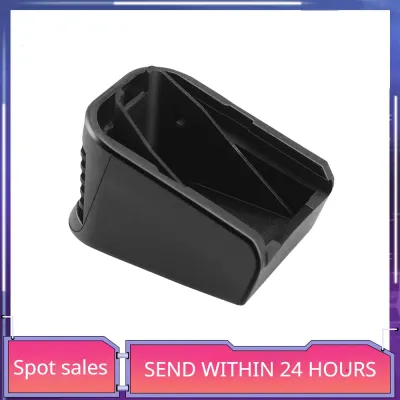
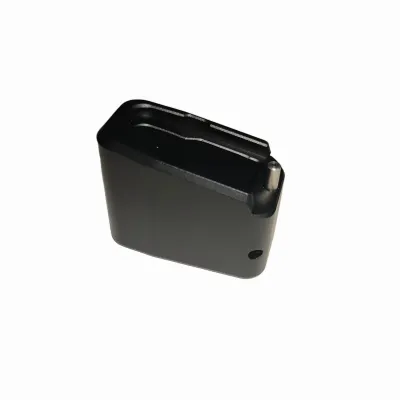
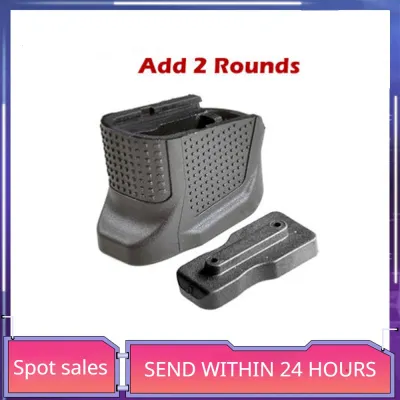
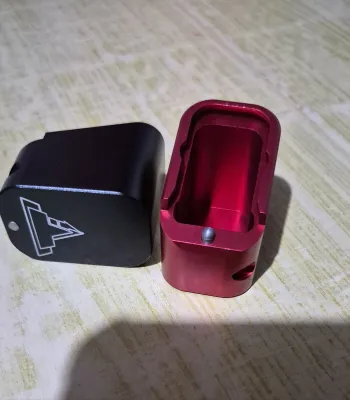
Prices are valid at publication and may change. Please refer to the product page for the latest price.
Matching Base Pads to Your Shooting Scenarios
Different shooting activities demand completely different physical attributes from your equipment. A setup that excels in a controlled competitive environment can become a liability in a defensive scenario, while a highly concealable option might prove uncomfortable during an all-day training course. Matching your base pad to your primary shooting scenario ensures your Glock remains optimized for the task at hand.

Concealed Carry and Everyday Defense
When configuring a Glock for everyday carry (EDC), discretion, comfort, and snag-free extraction are your absolute priorities. In tropical climates like the Philippines, where lightweight shirts and thin fabrics are standard daily wear, concealing a firearm requires minimizing the weapon’s overall footprint. The grip of the pistol is the most common part to print against clothing, and an oversized magazine base pad acts as a lever that pushes the bottom of the grip outward, making it highly visible.
For defensive carry, flush-fit or minimal-profile base pads are highly recommended. These pads maintain the clean, factory lines of the pistol, ensuring the frame remains tucked close to the body. It is crucial to select base pads with smooth, heavily chamfered, or snag-free edges. Sharp corners or aggressive tactical ridges can easily catch on the inner lining of a holster, a cover garment, or even your skin during a rapid defensive draw.
The primary trade-off with a carry-focused base pad is the sacrifice of a full pinky rest and extra ammunition capacity. While a shorter grip can make the pistol slightly more difficult to control during rapid fire, the gain in concealability and comfort—especially when seated in a vehicle or moving throughout the day—is generally considered a necessary compromise for daily carry. Your defensive setup should prioritize a clean, reliable draw over maximum capacity.
Competition and Action Shooting
Competitive shooting disciplines, such as those governed by the PPSA (Philippine Practical Shooting Association) or IDPA, place a premium on speed, grip stability, and lightning-fast reload efficiency. In these environments, concealment is not a factor, allowing you to leverage the distinct advantages of larger, heavier, and more ergonomic base pads.
Extended base pads are highly favored by competitive shooters because they provide a larger surface area to establish a rock-solid, high-support grip. By extending the frame downward, these pads allow your support hand to apply consistent upward and backward pressure, which directly aids in managing muzzle flip and tracking your sights through rapid strings of fire. Furthermore, the extra length makes grabbing a fresh magazine from a belt pouch much more positive and secure, even when moving at full speed.
Weighted metal base pads—typically machined from solid aluminum or brass—are exceptionally useful in competition. The added physical weight at the bottom of the magazine helps gravity pull the empty magazine free from the magwell the instant you press the magazine release, regardless of the angle at which you are holding the gun. Additionally, many competition base pads feature flared profiles that act as a funnel, aligning perfectly with aftermarket magwells to ensure smooth, error-free reloads under the pressure of the timer.
Casual Range Practice and Training
For recreational shooters and those undergoing high-volume training courses, the primary focus shifts toward comfort, long-term durability, and cost-effectiveness. Spending hours on the firing line repeating drills can quickly fatigue your hands if your grip is cramped or uncomfortable.
Standard or slight (+1 or +2) extension pads strike an excellent balance for range use. They provide just enough extra surface area to ensure a comfortable, full-hand grip without drastically altering the overall balance or weight of the pistol. This setup allows you to focus on fundamental marksmanship, trigger control, and recoil management without the hand fatigue associated with cramped, subcompact grips.
Durability is paramount for training magazines, which are frequently dropped onto hard range floors, concrete bays, or gravel. For this reason, high-impact polymer constructions are highly recommended for casual practice. Quality polymer base pads absorb shock incredibly well, resisting cracking or denting when dropped repeatedly. They are also highly cost-effective, allowing you to outfit multiple training magazines without a significant financial investment, leaving more of your budget for ammunition and professional instruction.
Critical Specifications and Material Choices
To select the best aftermarket Glock mag base pad, you must understand the technical specifications, material properties, and compatibility factors that dictate performance and reliability.
- Polymer: This is the lightweight, standard-issue material for most factory magazines. It is highly impact-resistant, self-lubricating, and does not retain heat or cold. Polymer is ideal for carry and training because it is affordable and can survive being dropped repeatedly on hard surfaces without permanent deformation.
- Aluminum: Typically CNC-machined and anodized, aluminum base pads offer a premium feel, exceptional durability, and a moderate weight increase. They are highly resistant to wear and are available in various colors, making them popular for both competition and customized carry setups.
- Brass: As the heaviest option, brass base pads are used almost exclusively in competition. The significant weight low on the frame helps tame recoil and guarantees that empty magazines drop free instantly. However, they are more expensive and add noticeable weight to your overall carry setup.
- Capacity Markings: Base pads are labeled by how many extra rounds they accommodate (e.g., +0, +2, +5). A +0 pad adds physical length or weight without changing capacity. If you choose an extended capacity pad (such as +2 or higher), you must verify whether it requires an extra-power magazine spring to maintain reliable feeding. Standard springs may lack the tension required to push the final rounds up into the chamber when the magazine is nearly empty.
- Surface Textures: The outer texture of the base pad affects how easily you can strip a stuck magazine or grip a fresh one. Deep horizontal grooves, stippling, or aggressive checkering are highly beneficial in humid, wet, or sweaty conditions, ensuring your fingers do not slip during a reload.
- Model and Generation Compatibility: Glock magazines have evolved across five generations, with subtle changes to the retaining tabs, floor plates, and magazine catch notches. Always verify that the aftermarket base pad is specifically machined or molded to fit your exact Glock model (e.g., Glock 17, 19, 43X) and the specific generation of your magazine to prevent fitment issues or feeding failures.
Balancing Cross-Scenario Compatibility
Many shooters wonder if they can find a single “do-it-all” Glock mag base pad that transitions seamlessly from daily concealed carry to weekend competition matches. While a medium-profile +2 aluminum pad can offer a middle ground, attempting to use one magazine configuration for both roles almost always results in a compromised experience.
An extended, weighted pad that gives you a winning edge in a practical shooting match will inevitably prove bulky, heavy, and prone to printing when tucked inside an everyday carry holster. Conversely, a flush-fit, lightweight carry pad will feel slow and less stable when you are trying to shave fractions of a second off your reload times on a competitive stage.
The most practical and reliable solution is to maintain separate, dedicated magazines for specific roles. Keep your carry magazines outfitted with clean, low-profile, flush-fit base pads that prioritize concealment and smooth draws. For the range or competition, maintain a separate set of magazines equipped with extended, weighted, or highly textured pads. Avoid the temptation to constantly swap base pads back and forth on the same magazine bodies; repeatedly sliding pads on and off can wear down the polymer retaining tabs on the magazine tube, eventually compromising the structural integrity and reliability of the magazine assembly.
Safe Installation and Function Testing
Modifying any firearm component requires a strict adherence to safety protocols. Before attempting to install or swap a Glock mag base pad, you must consult your Glock owner’s manual and the specific instructions provided by the base pad manufacturer. Equipment modifications should never replace proper training, safety checks, and sound judgment.
To begin installation, establish a clean, organized workspace free of any live ammunition. Perform a comprehensive safety check:
- Remove the magazine from the firearm.
- Pull the slide to the rear and lock it open.
- Visually and physically inspect the chamber and magwell to confirm the firearm is completely unloaded.
- Place the firearm in a secure location away from your work area.
Once the work area is safe, wear protective eyewear, as magazine springs are under high tension and can fly out unexpectedly during disassembly. Use a dedicated Glock magazine disassembly tool or a suitable punch to depress the retaining tab through the hole in the bottom of the factory base plate. While keeping the tab depressed, carefully slide the base plate forward. Keep your thumb firmly over the opening to catch the spring and the internal insert plate as the base plate slides off.
Remove the old plate, clean any debris or carbon buildup from inside the magazine tube, and ensure the spring is oriented correctly. Place the new base pad’s insert plate onto the spring, compress the spring back into the tube, and slide the new base pad onto the magazine rails until the retaining tab clicks securely into the locking hole.
Before loading or using the modified magazine, perform a thorough physical check. Verify that the base pad is locked tightly and cannot slide off under hand pressure. Insert the empty magazine into your unloaded Glock to ensure it locks into place and drops free smoothly when the magazine release is pressed. Finally, conduct initial feeding tests using inert dummy rounds (snap caps) in a safe environment before verifying live-fire reliability at the shooting range.
Frequently Asked Questions (FAQ)
Do extended base pads affect concealed carry printing?
Yes, even a minor +1 or +2 magazine extension can significantly increase the likelihood of printing. The grip of a pistol is the hardest part to conceal, and extending its length or adding bulk to the heel of the gun makes it much easier for the outline of the firearm to show through lightweight clothing, particularly when bending, twisting, or sitting.
Are high-capacity extended base pads legal in the Philippines?
In the Philippines, civilian firearm ownership and carrying privileges are strictly regulated by the Republic Act 10591 and managed by the Philippine National Police (PNP) Firearms and Explosives Office (FEO). While high-capacity magazines are widely permitted for sport shooting and competition within approved firing ranges, carrying them outside your residence for self-defense requires a valid Permit to Carry Firearm Outside Residence (PTCFOR). You must consult the latest PNP-FEO guidelines and local regulations to ensure your specific magazine capacity complies with active transport and carry laws.
Do I need special tools to install a Glock mag base pad?
While you do not strictly need proprietary tools, using a dedicated Glock magazine disassembly tool makes the process significantly easier and prevents damage to the polymer feed lips and retaining tabs. If a dedicated tool is not available, a standard steel punch or a small flathead screwdriver can be used to depress the internal retaining tab, provided you exercise caution not to scratch the magazine body or tear the plastic tabs.
Community discussion
Share your experience or ask a question. Comments are reviewed before publication.