
Finding a highly rated golf bag for men in the Philippines involves more than just picking a recognizable brand or an appealing color scheme. The ideal bag must align seamlessly with how you navigate the fairways, how you transport your clubs to and from the course, and how you handle the demanding tropical climate. Whether you prefer walking the undulating terrain of local courses or riding in a motorized cart, your bag serves as your mobile command center. This guide provides a comprehensive evaluation framework to help you analyze key structural features, material durability, and storage configurations, allowing you to narrow down your options and make a confident purchase decision.
Understanding the Main Types of Golf Bags
Selecting the right category of golf bag is the first critical step in refining your search, as it directly dictates your physical comfort and mobility on the course. Golf bags are generally divided into three primary categories: stand bags, cart bags, and staff bags, each engineered for distinct styles of play.
Stand bags, often referred to as carry bags, are designed specifically for golfers who prefer to walk the course. These bags feature two retractable legs that deploy automatically when the base touches the ground, keeping the bag upright and preventing it from laying in the wet grass. They are characterized by dual shoulder straps that distribute weight evenly across your back, mimicking the feel of a backpack. The primary trade-off with stand bags is their limited storage capacity and lighter construction, which is necessary to keep the overall weight manageable during an eighteen-hole walk.
Products mentioned in this guide
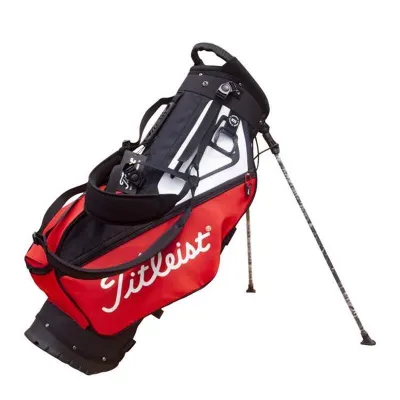
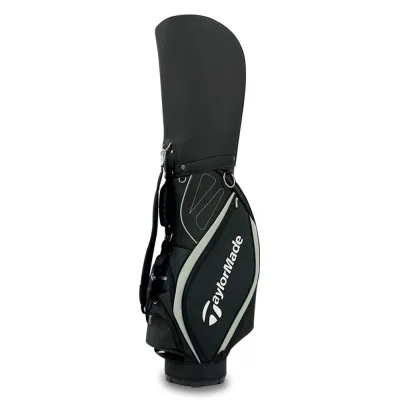
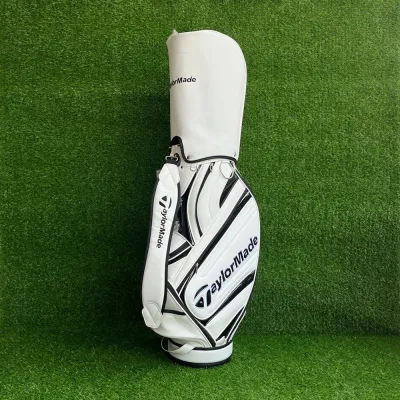
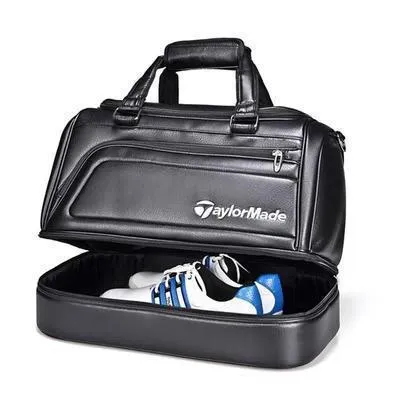
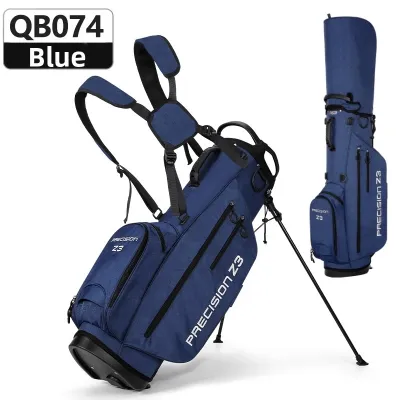
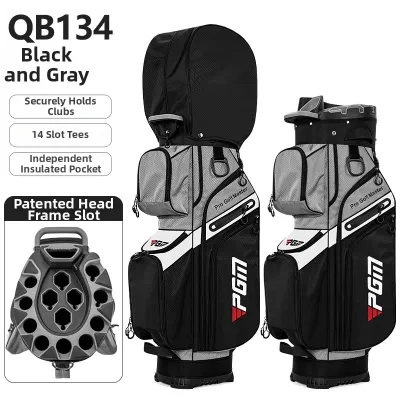
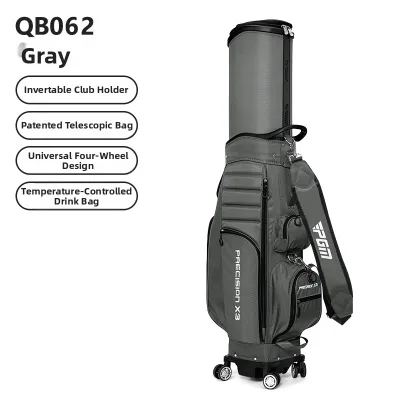
Prices are valid at publication and may change. Please refer to the product page for the latest price.
Cart bags, conversely, are built for golfers who consistently use motorized golf carts or pull carts. These bags feature a flat, non-slip base designed to sit securely on a cart’s riding platform without twisting. Because they are not meant to be carried over long distances, cart bags are significantly heavier and offer substantially more storage space, including large apparel pockets and dedicated beverage compartments. However, their lack of a stand mechanism makes them highly impractical for walking, as they cannot stand upright on uneven turf without support.
Staff bags represent the premium, heavy-duty option typically seen in professional tournaments. These bags offer maximum storage, ultra-thick padding, and prominent branding spaces, making them highly durable and visually striking. For the everyday golfer, however, staff bags are often highly impractical due to their immense weight and bulk. Unless you regularly employ a caddie or have ample vehicle cargo space, a staff bag can quickly become a logistical burden during transport and play.
Essential Features and Storage Configurations to Check
Once you have identified the appropriate bag type, the internal and external structural configurations will determine how efficiently you can manage your gear during a round. The divider system at the top of the bag is the most critical internal feature to evaluate. Common configurations include 4-way, 5-way, and 14-way dividers. A 4-way or 5-way divider groups clubs together, allowing for quick access and a lighter overall bag structure, though clubs may occasionally tangle at the bottom. A 14-way divider provides an individual slot for every club in your set, preventing them from clashing against one another and protecting graphite shafts from wear, though it adds weight and requires more deliberate organization.

Pocket layouts should be assessed based on your typical gear requirements rather than sheer volume. Look for a bag that features a dedicated, fleece-lined waterproof valuables pocket to safeguard your phone, watch, and wallet from moisture. An insulated cooler sleeve or pocket is another highly beneficial feature, allowing you to keep hydration close at hand during long hours on the course. Apparel pockets should run the full length of the bag’s side to accommodate rain gear or windbreakers without forcing you to cram them in, which can damage zippers over time.
Strap ergonomics and lifting points are vital for preventing physical fatigue and injury. When evaluating a carry bag, inspect the shoulder straps for thick, high-density foam padding and breathable mesh lining to promote airflow. Self-balancing strap systems, which adjust dynamically as you walk, help maintain an even load distribution across your shoulders. Additionally, ensure the bag features integrated lift-assist handles at the top collar and the spine, as these handles make lifting the bag out of a car trunk or securing it onto a cart significantly easier and safer for your back.
Adapting Your Choice to Local Weather and Course Conditions
Playing golf in a tropical environment presents unique environmental challenges that can rapidly degrade substandard materials. Sudden, heavy downpours are common, making water resistance a primary consideration. When selecting a bag, prioritize models constructed from high-grade nylon or polyester treated with a durable water repellent (DWR) coating. Fully waterproof bags featuring seam-sealed zippers and matching rain hoods offer the highest level of protection, ensuring your grips, gloves, and electronics remain dry even during a torrential downpour.
Intense sun exposure and high ultraviolet (UV) radiation can also take a toll on your equipment. Prolonged exposure to the sun can cause standard fabrics to fade, weaken, and eventually tear. Look for bags that specify UV-resistant materials and colorfast fabrics designed to withstand prolonged exposure without degrading. Lighter color options can also help reflect heat, keeping the interior of your pockets and your beverages slightly cooler than dark black or navy alternatives.
Course terrain and ground conditions also influence structural requirements. Wet, soft turf requires a stand bag with a highly stable base and wide, non-slip foot pads on the legs to prevent the bag from sinking into the mud or tipping over on slopes. The leg deployment mechanism should be robust, utilizing an integrated base activator rather than external wire systems, which are more prone to clogging with mud and grass. A sturdy, wide-stance leg system ensures your bag remains upright and clean, regardless of how damp or uneven the fairway may be.
Building Your Shortlist and Verifying Before Purchase
To make a successful investment, establish a systematic shortlist based on your primary playing habits and physical requirements. Begin by matching the bag type to your primary mode of transport: if you walk more than half of your rounds, prioritize a lightweight stand bag weighing under five pounds empty; if you ride, focus on a cart bag with front-facing pockets that remain accessible when strapped in. Avoid purchasing a bag with excessive storage capacity if you rarely carry more than the essentials, as unused pockets simply add unnecessary bulk and weight.
Before finalizing your purchase, verify the manufacturer’s warranty terms and the availability of replacement parts. High-quality bags often come with warranties covering manufacturing defects in zippers, stands, and straps. Check if the brand offers replacement rain hoods or strap systems, as these are the components most likely to experience wear over years of use. Understanding the return policy of your chosen retailer is also essential, especially if you are purchasing online and need to verify the bag’s fit with your specific club setup.
Whenever possible, inspect the physical construction of the bag in person before buying. Test the smoothness of the zippers, the strength of the stitching around high-stress areas like strap attachments, and the rigidity of the base molding. If physical inspection is not an option, carefully analyze detailed user feedback on reputable online marketplaces and e-commerce platforms. Look specifically for long-term durability reports regarding leg mechanism reliability, zipper performance under tension, and how well the fabric resists tearing after multiple rounds of play.
Frequently Asked Questions (FAQ)
How do I clean and maintain a golf bag after playing in the rain?
To prevent mold, mildew, and material degradation after a wet round, empty all pockets completely and leave all zippers fully open. Place the bag in a shaded, well-ventilated indoor area to air dry naturally; avoid placing it in direct sunlight or near high-heat sources, which can warp plastic components and damage water-resistant coatings. Wipe down the exterior fabric, zippers, and base molding with a soft, damp microfiber cloth to remove mud and grass stains. Avoid using harsh chemical detergents or abrasive brushes that can strip away protective fabric treatments. Finally, inspect the stand hinges and leg mechanisms, clearing out any trapped debris or sand to ensure smooth deployment during your next round.
Can I use a stand bag on a motorized golf cart?
Yes, you can physically secure a stand bag onto a motorized golf cart, but there are several compatibility issues to keep in mind. The angled base and protruding leg mechanisms of many stand bags do not sit perfectly flush against the flat riding platforms of standard carts. This misalignment can cause the bag to twist or shift during transit, potentially scratching your clubs or making pocket access difficult. Furthermore, the tight pressure from the cart’s retaining strap can rub against the leg hinges, leading to structural damage or bent legs over time. If you frequently alternate between walking and riding, look for stand bags specifically designed with cart-friendly bases or leg-lock straps that secure the mechanism in place.
What is the ideal empty weight for a carry bag?
For golfers who prefer to walk the course, the ideal empty weight for a carry bag is between three and five pounds. Keeping the baseline weight within this range is crucial because once you add fourteen clubs, a dozen balls, tees, accessories, and hydration, the total weight can easily exceed twenty pounds. Every additional pound of empty bag weight increases physical fatigue, which can negatively impact your swing mechanics and energy levels during the back nine. While ultra-lightweight bags under three pounds exist, they often sacrifice structural padding, divider organization, and pocket space. Testing a bag fully loaded with your actual gear is the best way to ensure the weight and strap system remain comfortable.
Community discussion
Share your experience or ask a question. Comments are reviewed before publication.