
Finding the correct driver cover golf size requires matching your club’s cubic centimeter (cc) volume and head geometry to the internal dimensions of the cover. A properly fitted cover slides on smoothly, hugs the clubhead securely during transport, and leaves enough breathing room to prevent moisture buildup. Choosing the wrong size leads to covers slipping off on the course or putting unnecessary stress on the club’s shaft and hosel.
Why the Right Driver Cover Golf Protection Matters
Your driver is likely the most expensive club in your golf bag, often costing upwards of ₱25,000 to ₱40,000 in the Philippines. A premium driver cover shields the delicate paint on the crown and protects the clubface from structural dings during transport. When driving a golf cart over uneven fairways, clubs constantly clatter against one another. A secure cover dampens this impact, eliminating noisy bag rattle and preventing unsightly cosmetic scratches.
Using a cover that is too loose introduces several immediate risks. It can easily slip off during a bumpy ride, leaving the exposed clubhead vulnerable to direct impacts from irons. Loose covers also act as funnels, collecting grass clippings, dirt, and sand from the bottom of your golf bag, which can scratch the clubface when reinserted.
Products mentioned in this guide


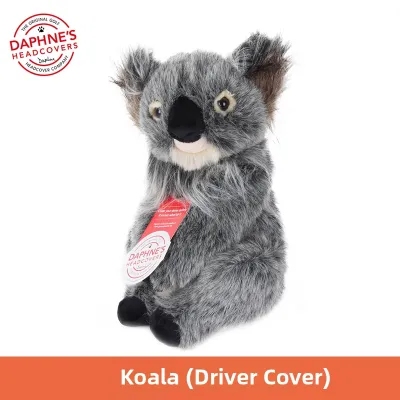
![[] QIshan shop] TLM TaylorMade Golf Club Cover Driver Cover Cap Cover Head Cover Protector GOLF](https://img.lazcdn.com/g/p/d2c74a6cefa5b405856f0a1d70ea6a8f.jpg_400x400q80.jpg_.webp)
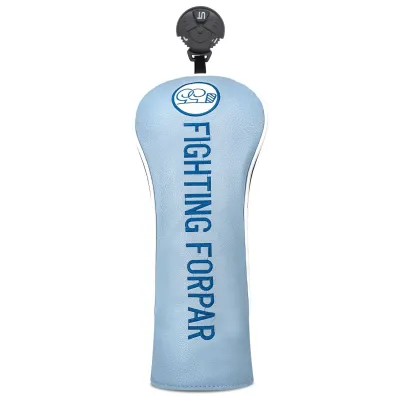
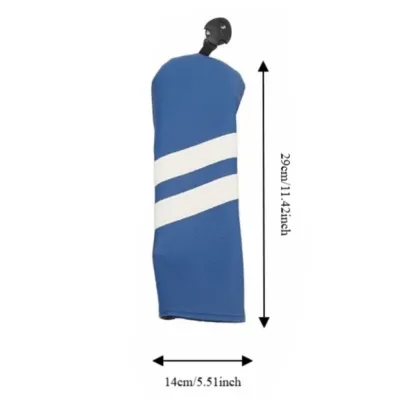
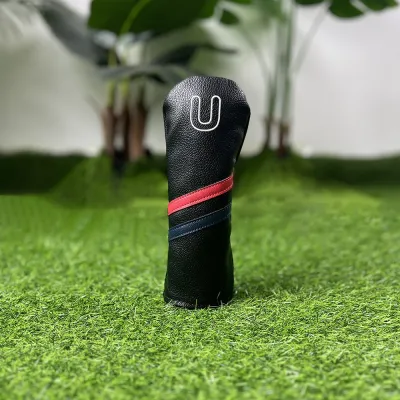
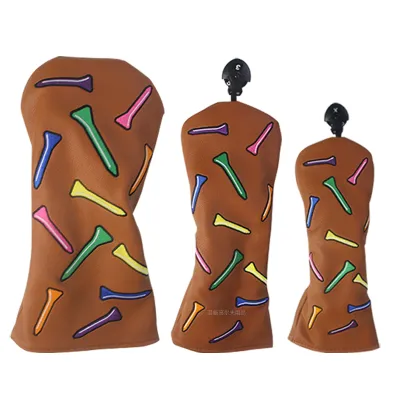
Prices are valid at publication and may change. Please refer to the product page for the latest price.
Conversely, a cover that is too tight creates its own set of structural issues. Forcing a small cover over a large driver head stretches the seams, degrading the material and shortening its lifespan. The constant friction from tight removal can rub against the delicate graphite shaft near the ferrule, potentially causing structural abrasion over time. A secure, balanced fit ensures the cover stays in place during transport while remaining easy to remove before your tee shot.
Step 1: Identify Your Driver Head Specifications
Before shopping for a new cover, you must gather precise baseline data from your current driver. Relying on visual estimates often leads to sizing errors, as modern club designs use clever geometry to mask their physical volume.

Checking the Clubhead Volume (CC)
The primary metric for driver sizing is clubhead volume, measured in cubic centimeters (cc). To find this value, inspect the sole of your driver for a stamped number or consult the manufacturer’s official spec sheet online.
Most modern drivers are engineered to the maximum legal limit of 460cc to maximize forgiveness and distance. However, some players prefer compact, tour-inspired models or low-spin versions, which often range from 430cc to 445cc. Older vintage drivers or junior clubs can be even smaller, sometimes measuring under 400cc.
A standard 460cc driver requires a cover designed specifically for maximum-volume heads to ensure complete coverage of the face and crown. If you use a compact 430cc head, a standard 460cc cover might feel slightly loose, meaning you may need to look for a tailored or adjustable fit to prevent the cover from shifting during transport.
Assessing the Head Shape and Profile
Volume alone does not tell the whole story, as two 460cc drivers can have completely different physical dimensions. Traditional pear-shaped drivers feature a symmetrical, rounded profile that slides easily into most standard covers.
Modern high-MOI (Moment of Inertia) drivers often utilize elongated, triangular, or square geometries to increase stability. These designs stretch the weight far back from the face, creating a deep-profile head with a wider footprint. Additionally, many contemporary drivers feature prominent external weight tracks, adjustable hosel sleeves, or aerodynamic fins that add physical bulk.
If your driver has an elongated rear profile or heavy adjustable weights, you must choose a cover with extra internal depth and a wider opening. Standard covers with narrow necks will struggle to stretch over these wide-body designs, putting high tension on the stitching and making the cover difficult to slip on and off during your round.
Step 2: Match Cover Dimensions and Materials to Your Driver
Once you know your driver’s volume and shape, you can evaluate how different cover styles and materials will interact with your club.
Standard vs. Oversized Covers
Standard driver covers are designed to fit the average 460cc pear-shaped clubhead. These are widely available and offer a reliable fit for the majority of modern drivers on the market.
You should look for oversized or “jumbo” covers if your club features a deep-face design or an exceptionally long heel-to-toe measurement. Oversized covers are also necessary if you use a bulky aftermarket shaft adapter or if you prefer to keep a protective wrap on the clubhead during long-term storage.
When shopping, always check the manufacturer’s stated internal dimensions rather than relying on generic “one-size-fits-all” labels. A quality brand will list the maximum head width and depth their cover can accommodate, allowing you to compare these specs directly against your measured clubhead. Premium custom covers typically range from ₱1,500 to ₱3,500, making them a worthwhile investment to safeguard your high-end clubs.
Material Stretch and Climate Considerations
The material of your driver cover dictates both its physical fit and its performance in local weather conditions.
- Neoprene: This synthetic rubber offers high elasticity and a form-fitting, glove-like snugness. Neoprene covers are highly forgiving of unusual club shapes, stretching easily over wide profiles before snapping back into place around the shaft.
- Leather: Genuine or premium synthetic leather offers excellent impact protection and a classic aesthetic. However, leather has virtually zero stretch, meaning you must match the cover's internal dimensions perfectly to your clubhead to avoid a loose or impossibly tight fit.
- Synthetic Knits: Often made from acrylic or polyester blends, knit covers offer moderate stretch and a traditional look. They slip on easily but can stretch out permanently over time if forced onto oversized heads.
For golfers playing in humid tropical climates like the Philippines, material choice is critical. The combination of intense heat, high humidity, and sudden tropical rain showers can trap moisture inside a non-breathable cover. This trapped condensation can cause the graphite shaft to degrade, rust the adjustable hosel screws, or ruin the club’s grip over time. To prevent this, prioritize covers with breathable, moisture-wicking inner linings, such as soft microfiber or ventilated mesh, which allow trapped moisture to evaporate quickly after a wet round.
Step 3: Evaluate the Closure Mechanism for Transport Security
The way a cover closes around the clubhead and shaft determines how well it stays secure when you are moving around the course or traveling.
Magnetic Closures
Magnetic closures offer a highly convenient, modern solution for quick club access. These designs feature strong magnets sewn into the seams along the spine or bottom of the cover, allowing you to pull the cover open and snap it shut with one hand.
While highly convenient, magnetic closures have specific limitations. Over time, magnets can shift within the fabric or lose their holding power if exposed to extreme heat. If the cover’s neck is slightly too wide for your driver’s shaft, a weak magnetic seal can easily fail when driving a golf cart over bumpy paths or rough terrain, causing the cover to slide right off without your knowledge.
Zippers, Velcro, and Elastic Hems
For maximum security during active transport, physical fasteners and elasticized designs offer superior retention.
- Elastic Hems and Drawstrings: Covers featuring an elasticized neck or an internal rib knit create a secure physical choke point around the shaft just below the clubhead. This design is highly effective for cart users, as the elastic prevents the cover from riding up and slipping off, even during bumpy rides.
- Zippers: Zippered covers provide an incredibly secure, fully enclosed seal that completely blocks out dust, debris, and rain. They are the ideal choice for air travel or shipping your clubs, where maximum protection is required. However, they require two hands to operate and the zipper mechanism can jam if sand or dirt gets trapped in the teeth.
- Velcro Straps: Velcro offers adjustable security but can collect grass, lint, and dirt over time, which reduces its gripping power. The abrasive hooks can also snag on knit shirts or the mesh pockets of your golf bag.
When deciding on a closure, match it to your primary transport method. If you walk the course or ride in a cart frequently, an elasticized neck provides the best balance of security and quick access. If you travel frequently by plane or store your clubs in a travel cover, a zippered design offers the ultimate peace of mind.
Step 4: Test the Fit and Verify Protection
After purchasing a new driver cover, perform a few quick physical checks to verify that it offers adequate protection without risking damage to your club.
First, perform the shake test. Slide the cover onto your driver, hold the club by the grip, invert it so the head points toward the ground, and give it a gentle, controlled shake. To prevent any accidental damage, perform this test over a soft surface like a couch or carpet. A properly fitted cover should stay firmly in place; if it slides off under its own weight, the fit is too loose for safe transport.
Next, check the crown clearance. Feel the top of the cover while it is on the driver. There should be a small buffer of air or soft padding between the outer material and the club’s crown and face. If the cover is stretched so tightly that you can feel the hard clubhead pressing directly against the outer fabric, it will not absorb impacts effectively, transferring forces directly to the clubhead instead.
Finally, inspect the shaft neck. Ensure the bottom opening of the cover is not choking the shaft or rubbing harshly against the plastic ferrule. If the neck is too tight, the constant friction during removal will eventually wear down the shaft’s protective graphic coating, leading to cosmetic damage or structural weak points.
Common Sizing Mistakes to Avoid
Many golfers fall into the trap of buying “universal” covers from online marketplaces without checking the internal depth. These generic covers often bottom out before fully enclosing the clubface, leaving the lower heel of the club exposed to impacts.
Another common mistake is ignoring the hosel and shaft diameter. Modern adjustable drivers often have thick shaft adapters just below the clubhead, which require a slightly wider cover opening to slide on smoothly.
Lastly, avoid prioritizing heavy, decorative aesthetics over functional fit. While bulky novelty shapes or thick faux-fur covers look fun, they often take up excessive space in your golf bag. This crowding makes it difficult to pull other clubs out and can put lateral pressure on your driver’s graphite shaft, increasing the risk of bending or cracking during transport.
Frequently Asked Questions (FAQ)
Can I use a fairway wood cover for my driver?
No, you should not use a fairway wood cover for a driver. Fairway wood covers are designed for much smaller clubhead volumes, typically between 150cc and 180cc, and have significantly shorter internal depths. Attempting to stretch a fairway wood cover over a modern 460cc driver will leave the face and sole exposed, put extreme tension on the cover’s seams, and potentially damage the club’s shaft due to excessive tightness.
How do I clean a neoprene driver cover that has lost its stretch?
To clean a neoprene driver cover and help restore its shape, hand-wash it in cool water using a mild, non-abrasive detergent. Avoid using hot water or harsh chemicals, which can break down the synthetic elastane fibers responsible for the cover’s stretch. Gently squeeze out excess water without wringing or twisting the material, and allow it to air-dry completely in a shaded, well-ventilated area away from direct sunlight and heat sources.
Community discussion
Share your experience or ask a question. Comments are reviewed before publication.